If you’re like me, you’ve been making a list — and checking it twice — of all the people who really ticked you off this year. High on my tally is the knucklehead — for whom I’m sure there’s a special place reserved in hell — who designed the 1000-piece jigsaw puzzle Rich and I began in November.
The Spanish call them rompecabezas — head-busters — and they aren’t kidding. This particular one was formed of pieces so clumsily cut it was impossible to be sure if they were meant to fit together. I know that sounds like an excuse, but hey, we’re veteran puzzlers; we know shoddy work when we stub our toes on it.
Rich and I soldiered on for a month until what had started as a lighthearted pastime had become a grim slog. I realized we were endlessly redoing the same sections to try different ill-fitting options of near-identical pieces in indistinguishable earth tones and lavender sky.
That’s when I had my brilliant idea. “What say we throw the damn thing away?”
Joyfully, we tore the puzzle apart, tossed the pieces back in the box, carried the box down to the recycling bin, and pitched it in. A glorious sense of freedom washed over me. We were done with that puzzle forever.
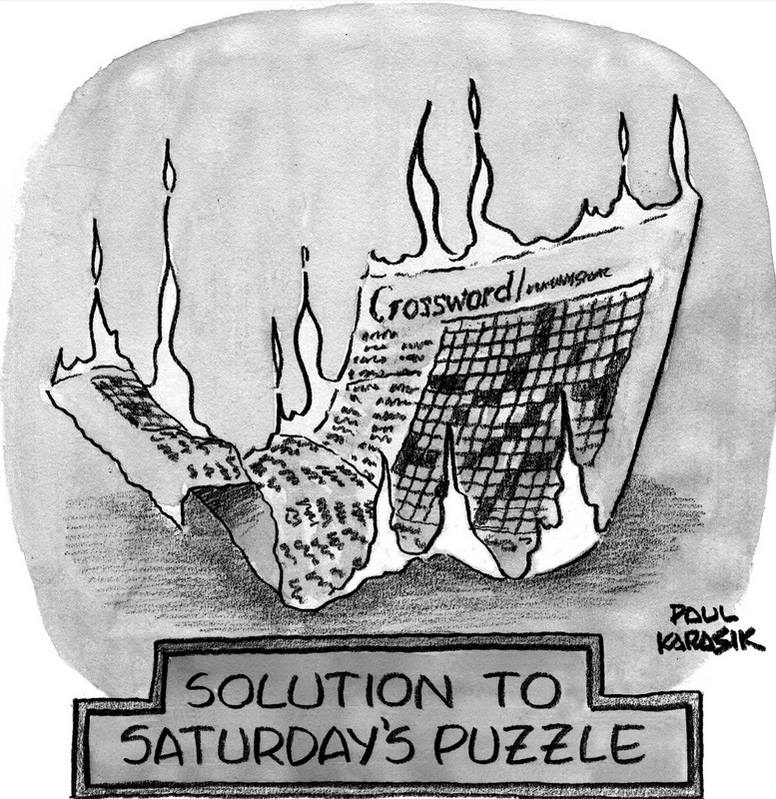
But the puzzle wasn’t done with us.
Three pieces had somehow escaped the roundup and were hiding out in dark corners of the floor, like cockroaches. I started to toss them out, then I thought, “No, wait! I could use these.”
One of our small annual rituals is coming up with an ornament symbolizing the year. A matador’s jacket celebrating our move to Seville. A locomotive commemorating a long railway journey. A paint brush marking the year Rich (who loathes painting) helped me re-do the accent wall in my office.
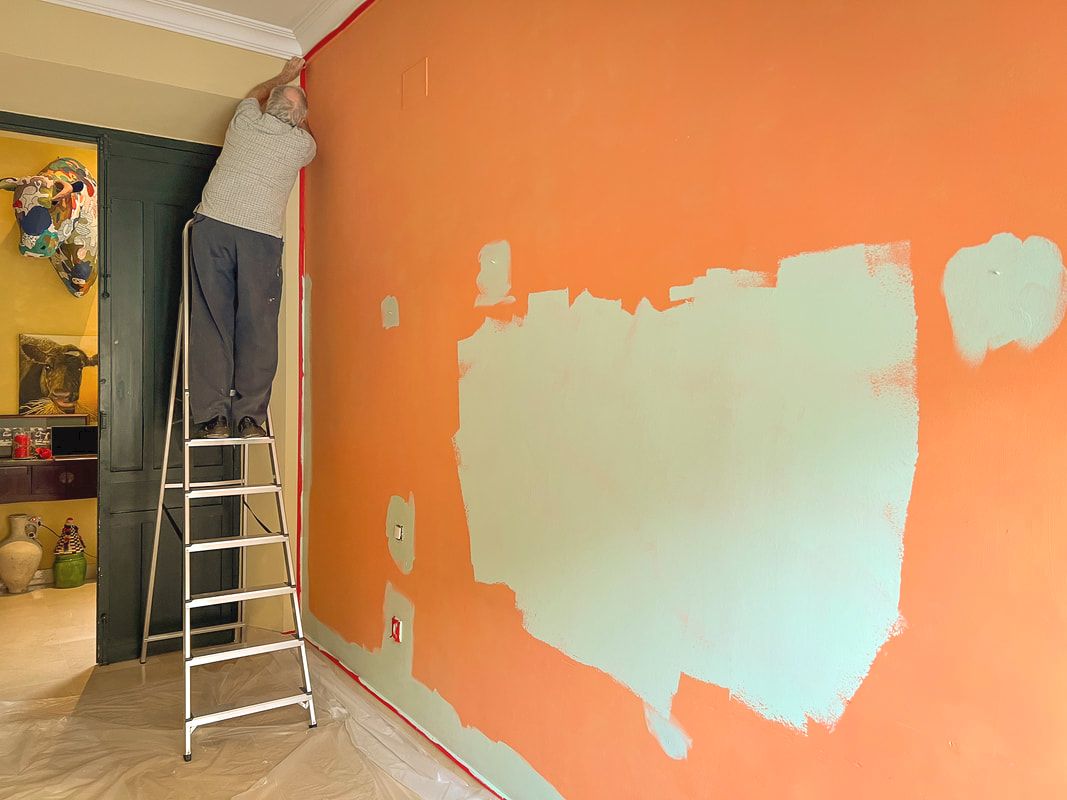
I thought — hoping it wasn’t blasphemy to paraphrase the Bible — “Greater love hath no man than this, that he picks up a paint brush for his wife.”
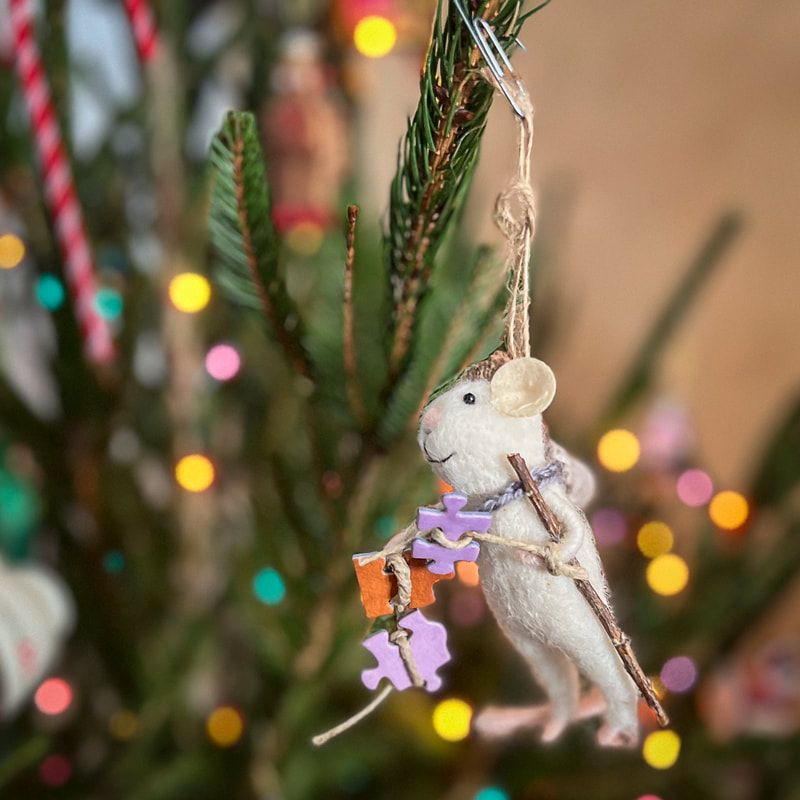
We attached the surviving puzzle pieces to Reepicheep, a woolen mouse named after the Narnia character. He must have joined us during the early years in our Home 2.0, because his string attaches to the tree with a paper clip, our solution in the days before Seville celebrated the holidays with trees involving ornaments and wire hooks. Reepicheep now holds our memories of that fiendish puzzle in his paws and will remind us, year after year, of the importance of letting things go.
Small rituals like this are a way of connecting to the turning points of the year and to significant little moments that might otherwise pass unnoticed in the headlong rush of our days. They provide “a buffer against the strain and uncertainty of modern life,” according to The Science of Hedonistic Consumption (a publication that sounds totally trustworthy to me).
It’s easy to get stuck maintaining rituals that have outlived their usefulness; the trick is learning when to let them go.
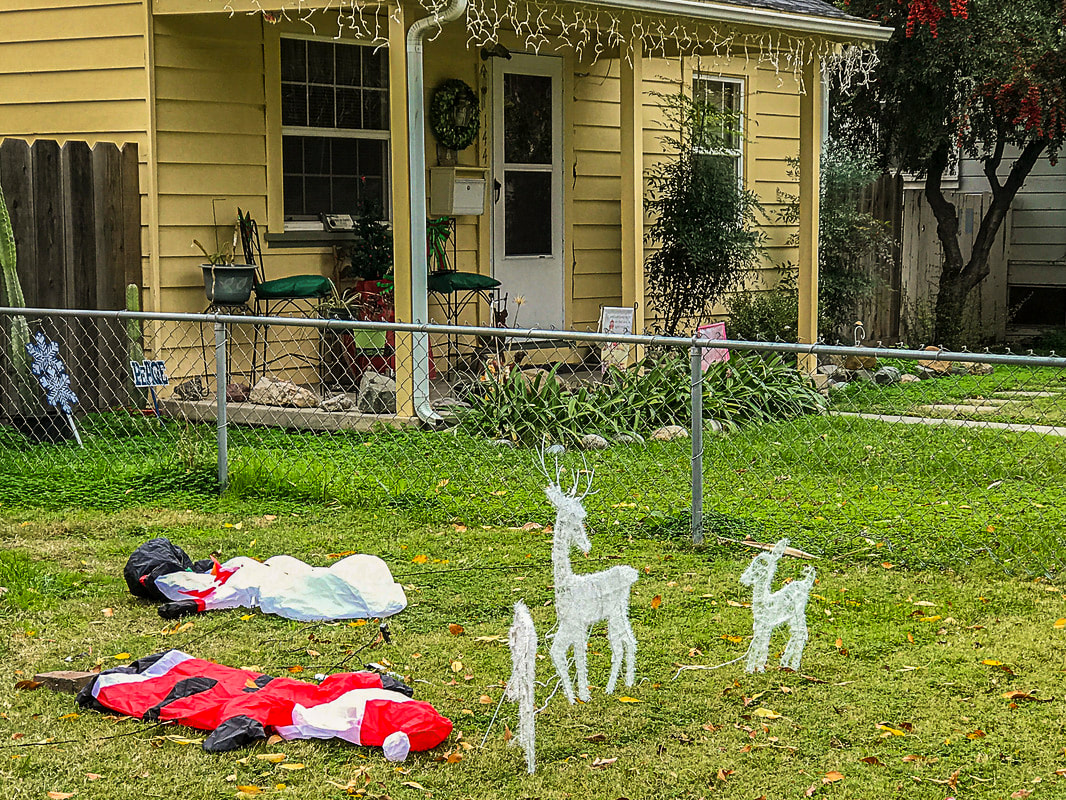
Could it be time to give Frosty and Santa a rest?
Every December I give thanks that I am no longer responsible for the vast amount of gift-shopping and card-sending I’d cheerfully undertaken decades ago in Ohio. Back then I designed my own cards and had them printed on actual tree-sourced paper, sending out hundreds of them, each with a handwritten note and newsletter. Every card I mailed felt, as a Guardian article put it, like “a long-distance hug.”
Today printed holiday cards are heading towards extinction. Twenty-five years ago Americans sent three billion a year; it’s now one billion and dropping fast. Most of us find it easier and more eco-friendly to convey greetings online, and with nearly 75% of the nation on social media, we all know far too much about each other already, so who needs annual newsletters?
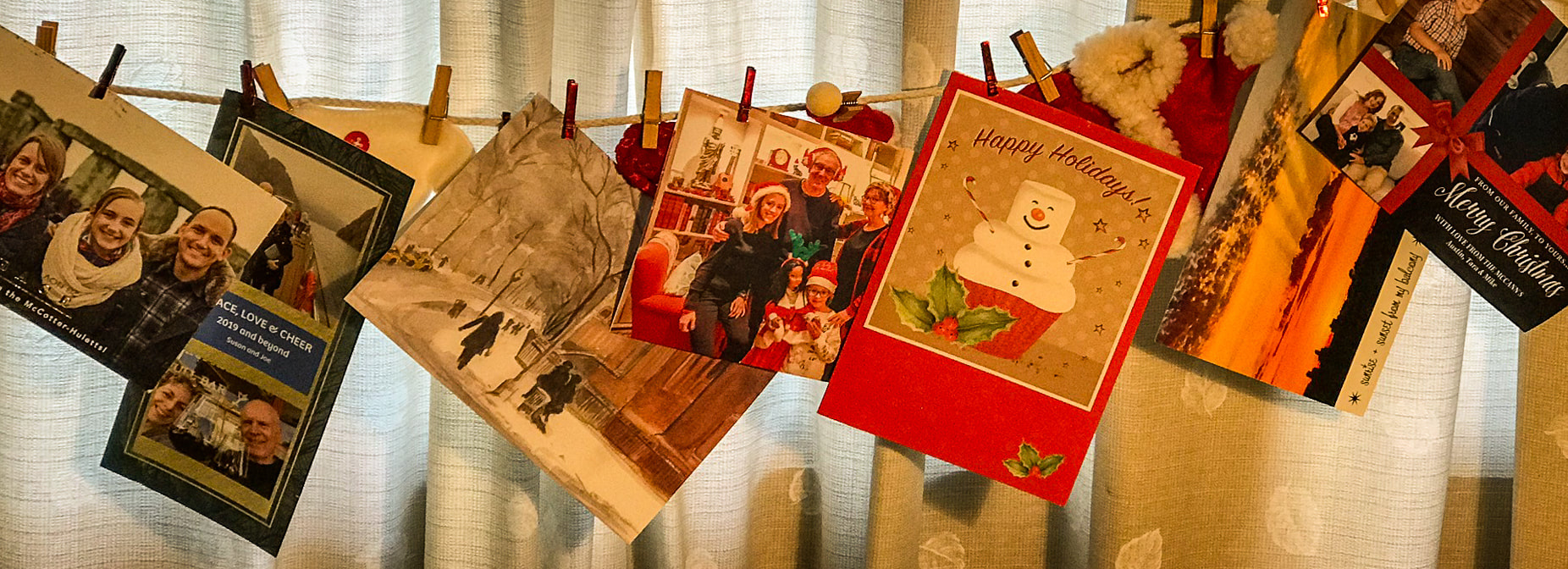
Christmas cards sent to us in Spain in 2018. Number received this year? One.
While I enjoy receiving “long-distance hugs,” not sending paper cards feels tremendously liberating. It got me thinking about how much of life is a balancing act between personal preferences and community norms — which wound up being the theme for December’s Ideas Club.
“Can anyone be truly free?” our invitation asked. “Living in a society and enjoying its benefits requires conforming to its norms and responsibilities — which curtails your freedom. If you ignore societal norms and responsibilities in favor of personal preferences or independence, does that make you selfish, unreliable, or worse? Do you have an obligation to work for the common good — or is it enough simply to do no harm?”
To keep the conversation lively, we presented various moral dilemmas such as Mama’s Kidney, which explored how far you would go to obtain a life-saving organ for a family member. Would you sell your house? Impoverish your family? Commit a robbery? Buy an organ on the international black market and ask your doctor to install it?
Luckily I’ve never been faced with those kinds of choices. But in December of 2021, Rich and I did find out how far we would go to save a holiday lunch.
At that point Seville had lifted most of its Covid restrictions but strongly urged everyone to test before attending parties. Easier said than done. There was a temporary shortage of test kits, and we were far from certain that all 17 of the guests coming to lunch on December 25 would be able to get one.
Rich and I scoured the city and finally found a pharmacy that had received a small shipment. To ensure fairness, they would only sell five to each customer. We bought our five and went home to contemplate our options.
“I’ve got it!” I said. “Go back to that pharmacy.”
“But they’ll recognize me.”
“Not if you’re in disguise.”

Rich McCann, master of disguise
Feeling like Q outfitting James Bond for a mission, I helped him don an old jacket, his spare glasses, my red scarf, and a baseball cap in place of his trademark fedora. The Covid mask helped, too. Rich walked out of that pharmacy with five more tests and the warm glow that comes with carrying out a successful caper.
As it turned out, all our guests acquired their own Covid tests, and nobody (so far as we know) communicated or contracted any diseases at our fiesta. Bullet successfully dodged!
Last year we weren’t quite so lucky. Rich and I both got Covid and had to cancel the annual feast. But we couldn’t cancel the pre-ordered turkey, a robust seven kilos (15.43 pounds). We had a quietly jolly meal under the tree telling stories of past holidays and thinking up creative uses for leftovers. The turkey-apple stir-fry has become a family favorite.
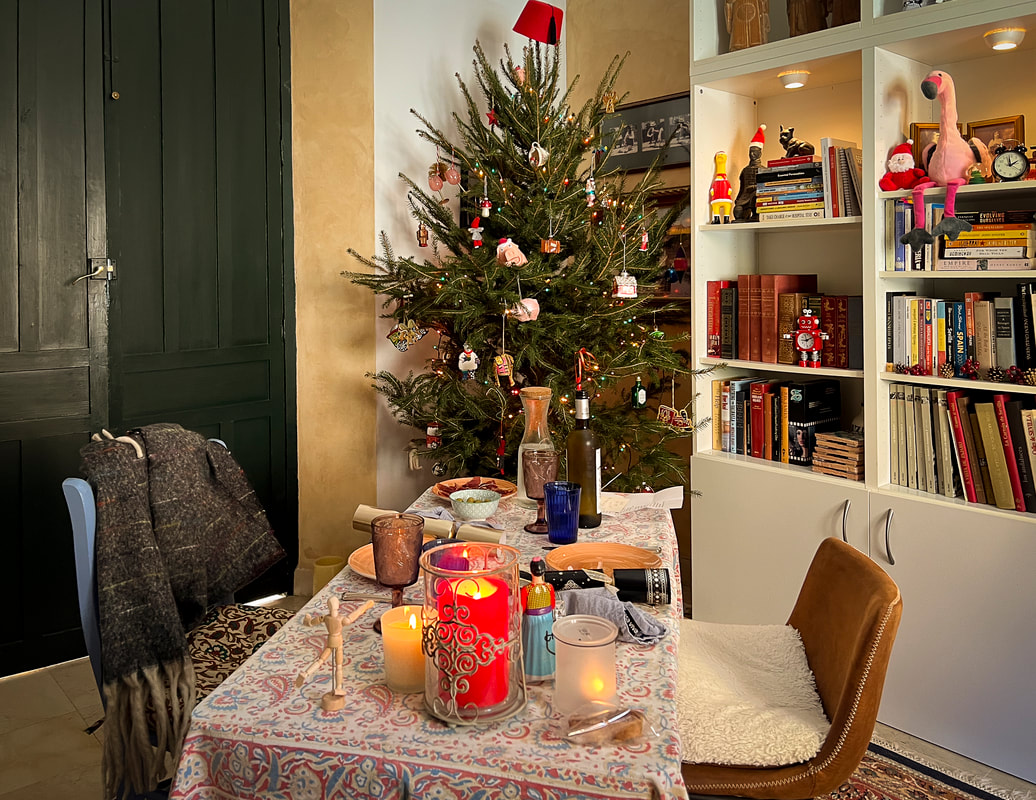
Not the grand feast we usually hold, but December 25, 2024 was merry and bright nonetheless.
Starting 2025 with a case of Covid was a reminder of just how little we can actually control in our lives. Often the best we can do is manage how we respond to events. So I am choosing to feel hopeful about 2026.
Not everyone is equally optimistic. When I looked online for professional predictions, the first ones I saw were from Baba Vanga, a blind Bulgarian seer who passed to the Great Beyond in 1996 but still has a worldwide following. She left behind predictions that in 2026 we’d see massive natural disasters, another global pandemic, and a visit from extraterrestrials.
So it’s shaping up to be another lively year. But if I can get through it without another head-busting puzzle from hell, I’ll count myself very lucky indeed.
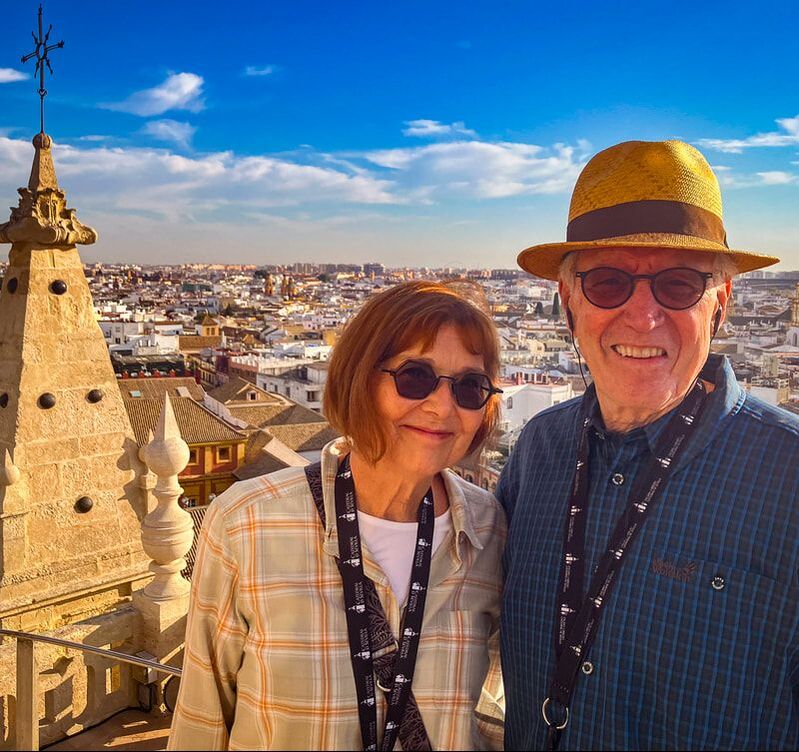
Happy holidays, everyone, and best of luck in 2026!
Leave a Reply