

Contrary to popular belief, living abroad doesn’t require you to be wealthy, retired, or willing to spend years restoring a crumbling farmhouse with the help of semi-literate but wise and amusing locals. But if you do choose to become an expat, there are three things you will need to survive the general upheaval of the move and the inevitable social and linguistic pratfalls you’ll be taking in your new home.
A belly laugh a day keeps the expat blues away.
1. A
sense of humor
. Every foreign language is studded with little trip wires, such as the Spanish word
embarazada
, which sounds so much like the English “embarrassed,” but in fact means “pregnant,” creating endless opportunities for misunderstandings and
faux pas
. Or there’s the common word
huevos
, literally “eggs” but often used as a slang word for testicles. You’ll want to be careful not to ask the guy at the farmers’ market whether he has
huevos
; he’ll inevitably reply “Yes, two big ones,” and everyone within earshot will snicker until you flee in confusion and find someplace else to buy your breakfast groceries. If you can laugh about it later, you’ll find it’s the best antidote to the mortification of the moment.
2.
An adaptable attitude
. Life simply works differently elsewhere, and I can tell you from personal experience that it’s rarely helpful to exclaim, “But that’s not the way they do things in Cleveland!” Americans who visit Seville often attempt to maintain their usual hours, eating breakfast while everyone else is still sleeping, trying to go shopping and sightseeing before anything opens, eating lunch at noon and dinner at seven – hours when no Sevillano would dream of taking a meal – and retiring for the night just as everyone else is heading out for before-dinner drinks. Such visitors usually leave town wondering why everyone says Seville is so jolly, when they found it rather dull.
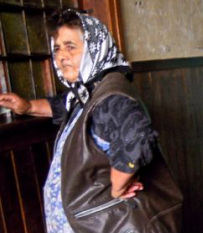
Romanian farmwoman at train station
Adapting to some new customs – such as wine with lunch followed by a siesta – is delightfully easy. Others, such as spending an hour and a half on a train in which everyone is chain smoking, can be a bit more challenging. When this happened to me in rural Romania, I glanced around at my companions – tough country women and large, sinister-looking fellows in battered fedoras – and felt this was not the moment to enter into a debate about the health hazards of tobacco, the railroad’s clearly posted anti-smoking policy, or my personal breathing preferences. Even if my Romanian had been equal to such a conversation, I wasn’t entirely convinced it would have been in my best interests, as the pungent tobacco smoke provided a welcome counterpoint to the eye-watering scent of unwashed bodies.
Palabrotas can happen anywhere.
3. R
espect for other cultures
. My friend Fiona just wrote a wonderful post on her
Scribbler in Seville
blog:
Five things Spanish people say a lot (and what they mean).
I especially loved the part describing how Sevillanos use profanity, which they call
palabrotas
(literally “big, ugly words”). I’ve often heard sweet old ladies and nice young parents addressing their toddlers using hair-raising
palabrotas
, words that in America would have passersby calling Child Protective Services or staging an intervention. But I have learned that in Spanish society, such language isn’t shockingly inappropriate but rather is used casually to underscore intimacy and affection. I’m just glad that, as a foreigner, I’m not expected to use those words, as I can never keep straight their degree of shock value, and have once or twice hideously overstepped the mark by mistake.
Maintaining your sense of humor, an adaptable attitude, and respect for other cultures will help you navigate a wide range of situations when you’re in unfamiliar territory. In her post, Fiona captures the richness and sheer lunacy of living in a world where beer isn’t alcohol, ham isn’t meat, and
everyone’s
mother makes the best gazpacho
ever.
And isn’t that really why we travel and live abroad – to be able to view the world through different eyes?
Want more about the joys, challenges, and outright lunacy of expat life? Check out my book
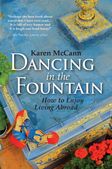
Dancing in the Fountain: How to Enjoy Living Abroad.
“I loved this book,” wrote Lonely Planet. “I must have laughed aloud at least once in every chapter … The advice in the book is terrific.” Available from Amazon and e-book retailers worldwide.

Leave a Reply