
I have this vivid memory of a night in a Kenyan village, where Rich and I had gone with a friend from an NGO to sort out a project providing food for orphans. It had taken us days to get there, and all three of us were hot, tired, and a trifle preoccupied with our digestive systems, which had been sorely tried by various strange meals along the way. One of the village’s scrawny hens had been sacrificed to make us a stew, and when the cook dished up our portions, my friend looked down into her dinner bowl and discovered the whole head of the chicken staring back at her.
Ever since then, when I hear people talking about wanting to have “authentic travel experiences,” I remember the look of horror on my friend’s face and think, “Be careful what you wish for…”
Journeys come in all shapes, sizes, and degrees of discomfort. If you Google “authentic travel,” you’ll get 242 million hits ranging from cookie-cutter package tours to blog posts bemoaning the fact that the younger generation is going to have to work a lot harder to find the road less traveled. So just what do we mean by “authentic travel experiences,” and why is everyone so keen to have them?
Back when long-distance travel was slower, more expensive, and less common, it seemed enough of an achievement just to arrive someplace as exotic as France and see the Mona Lisa and the Eiffel Tower with your own eyes. But with today’s cheap airfares and abundant online travel information, many places far more remote than Paris are flooded with international visitors. This gives us the uncomfortable sensation of being one of the herd. We don’t want to feel like tourists; we want to feel like
explorers
. We don’t want simply to see foreign people and places; we want to
connect
with them.
But what does that look like, exactly?
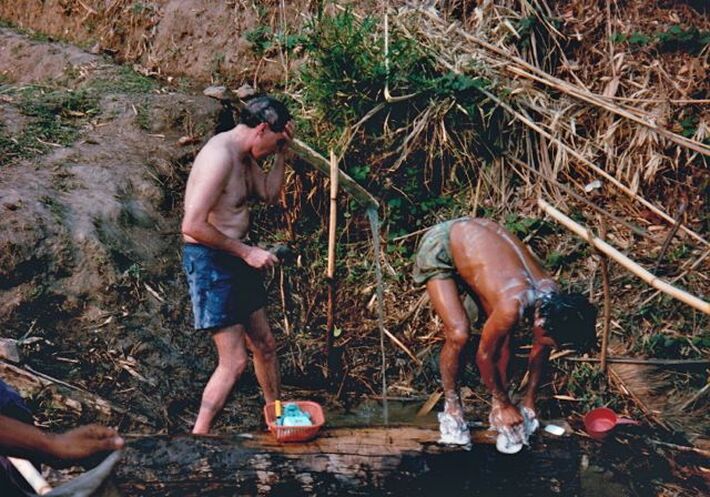
In Thailand, Rich and I once spent a week among the hill tribes, sleeping in bamboo huts, washing in streams, and watching people make flour by pounding grain with rocks. One night, a villager returned from an arduous climb down the mountain carrying a car battery, which he’d recharged someplace and now connected to a black-and-white TV. The entire village gathered to watch an old sitcom they managed to pick up for half an hour. Some of our fellow travelers grumbled that this destroyed the purity of the experience. But I suspect the villagers had gone to considerable trouble to make sure the TV viewing coincided with our visit. They wanted to show us their modern side.
They
wanted to connect with
us
.
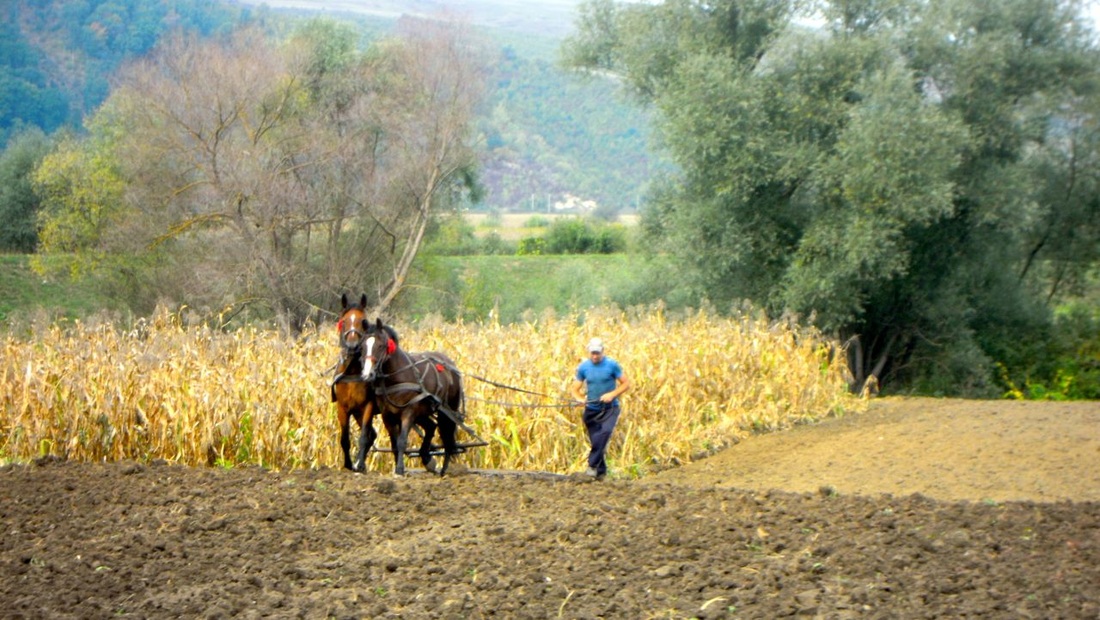
So what is an “authentic travel experience?” I believe it’s one that surprises us, overthrows our preconceptions about a place, and shows us something of the character of the people who live there. And for that to happen, we need to take people as we find them, not as we wish them to be. Last fall in Romania I saw a young man with a horse and plough tilling a field that had been in use for 800 years.
Was his labor less impressive or the scene less charming because he was wearing sweatpants rather than homespun clothing? I didn’t think so. But that’s me.
Authentic doesn’t mean the past; it means real. And real life doesn’t come in tidy packages with perfectly coordinated accessories. If you want seamless perfection, you’re going to wind up with fake huts and costumed hirelings in an open-air museum. Reality is lots messier, full of jarring notes like sweatpants and TVs and chicken heads in the stew, but it’s infinitely more interesting and more memorable.
Have you had travel experiences that struck you as particularly authentic or appallingly fake? I’d love to hear about them in the comments below.
Leave a Reply