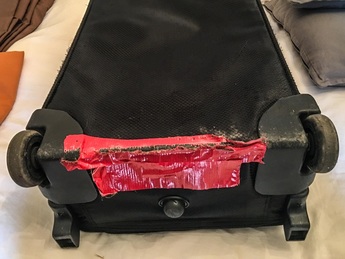
“I think we’ve finally found it,” I said to Rich. “A town where there is literally nothing to do.”
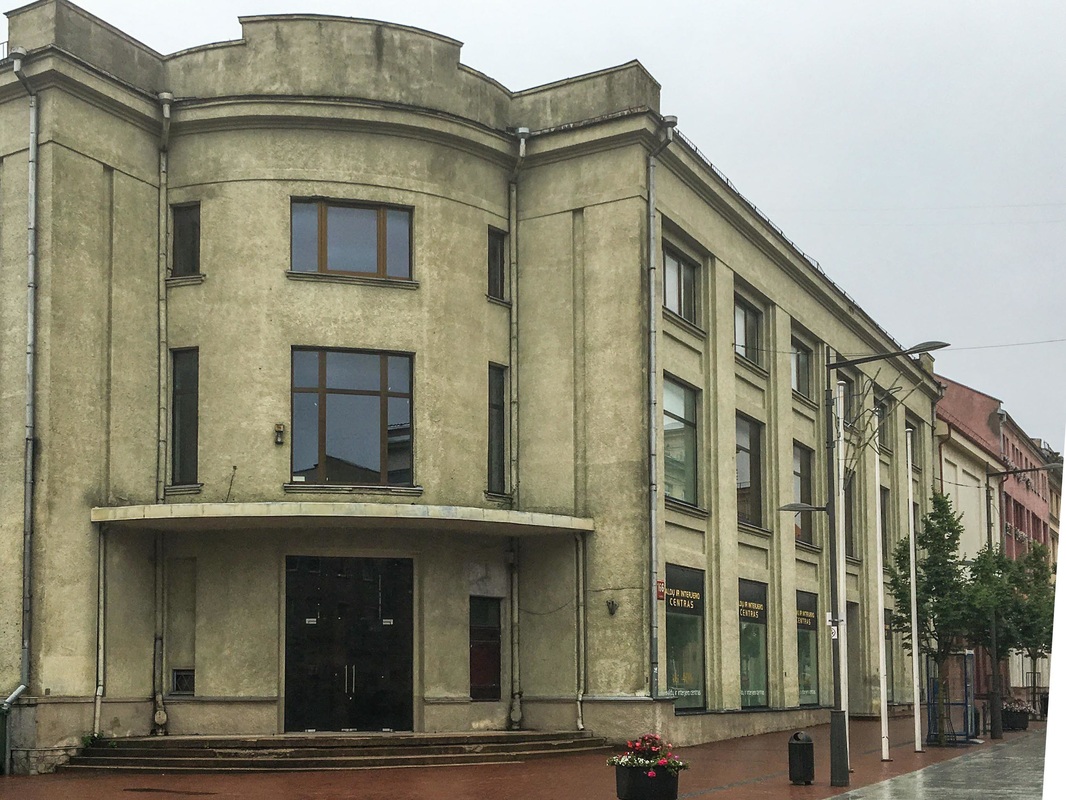
We were dragging our suitcases from the train station toward our hotel, walking past endless bland apartment blocks, unrelieved by a single shop, café, or even newsstand. After the dizzying mix of zingy modernity and storybook charm we’d encountered in other Baltic towns, Lithuania’s
Šiauliai
(it’s pronounced Show-lay and means “sun”) seemed desperately drab.
“Remind me again why we came here,” Rich said.
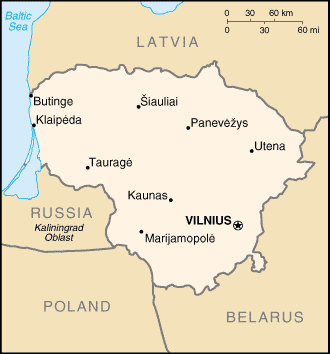
As usual, we’d decided to break a long train ride — in this case, from southern Latvia to the Lithuanian capital, Vilnius — with a two-day stopover that would offer us a glimpse of local culture. But why had we picked Šiauliai in particular? “There’s a
Chocolate Factory
,” I recalled. “And
the Cat Museum
.” Rich rolled his eyes and bent down to check on the duct tape that was unraveling from the bottom of his suitcase.
Two hours later we were sitting at a sidewalk café table on the main pedestrian street, flipping through folders from the tourist information office and trying to juggle our schedule to fit in everything we wanted to do. “Let’s go to the traditional Lithuanian kosher dinner at
Chaim Frenkel’s Villa
this evening,” I said. “Then we can catch the music at
Juone Pastuoge
tomorrow. I just hope we’re not too tired after visiting the
Hill of Crosses
and the
Battlefield of the Sun
. Do you think we’ll be back in time to catch the fado concert?” The Cat Museum had long since been jettisoned from the agenda, but Rich was still standing firm on the need to visit the Chocolate Factory.
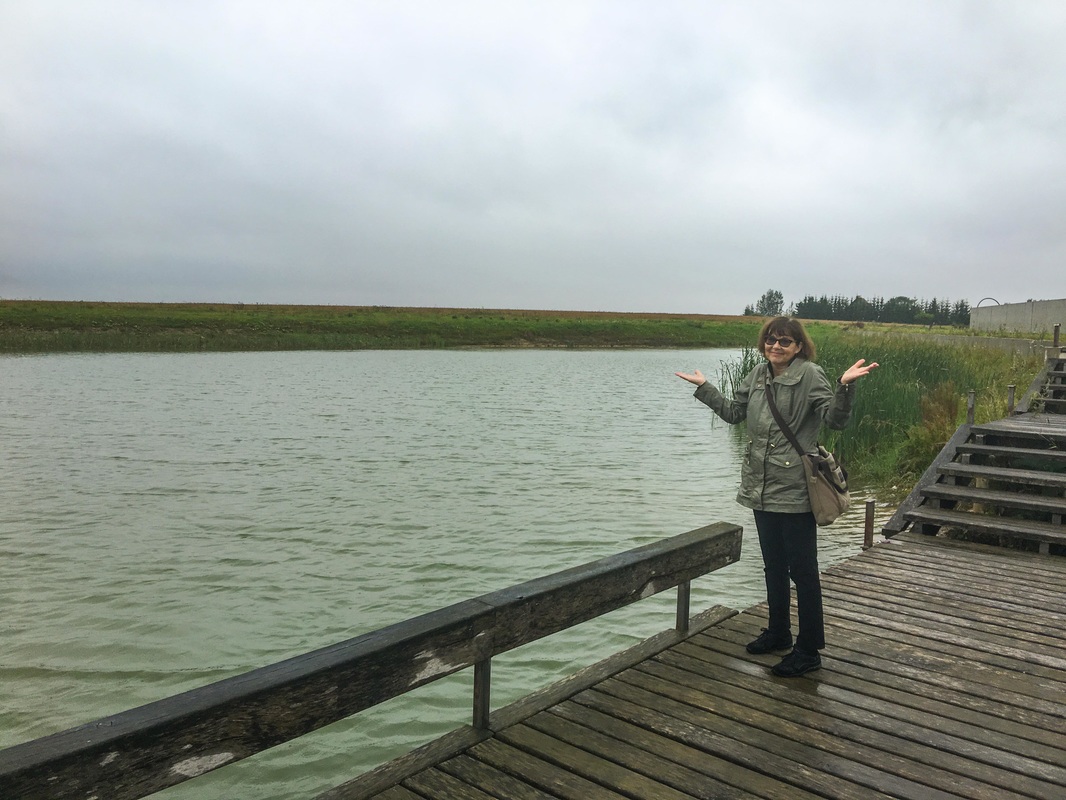
I was more interested in seeing two nearby sites where spectacular acts of rebellion had taken place. For this we had to hire a taxi and drive twenty minutes out of town to the marshy banks of a river where in 1236 a small band of Lithuanian pagans turned back the tide of the Baltic Crusade. The Pope had sent the German warrior-monks known as the Livonian Brothers of the Sword to take over the region for the Church. The Brothers didn’t think the Lithuanian pagans would put up much resistance, and when they encountered a small band blocking them at a river forge, they didn’t even bother to engage. Reluctant to risk their horses in the swampy ground, even more disinclined to fight on foot, they simply made camp and went to bed, no doubt hoping the pagans would give up and go away. The Lithuanian pagans, delighted with this stroke of luck, spent the night mustering every man and javelin in the region, surprised the Brothers with a morning attack, and defeated them soundly. This upset victory, known as the Battle of the Sun, galvanized other rebellions, and helped launch the vast and powerful Grand Duchy of Lithuania that lasted centuries and reached from the Black Sea to the Baltic coast.
When we pulled up at the site, our driver looked at us and shrugged. The spot may have been historically significant but visually it was pretty underwhelming.
The Hill of Crosses proved to be considerably more photogenic. Locals began placing crucifixes here after the unsuccessful 1831 Uprising staged by young army officers rebelling against Tsarist Russia. The bodies of rebels who perished weren’t returned to the families, so to mark their passing, relatives put up wooden crosses on the site of an old hill fort. The tradition continued during the 1863 Uprising, the War of Independence, the first Soviet occupation, the Nazi occupation, and the second Soviet era which lasted from 1944 to 1990. The Soviets bulldozed the site three times, burning the wooden crosses, tearing apart the metal ones, crushing the plaster and concrete statues. Each time, the locals snuck back, cleaned up the site, and put up more crosses and other religious images. Rumors of the appearance of the Blessed Virgin in the 1960s only increased the site’s popularity, annoying the Soviets even further. Today there are hundreds of thousands of crosses, and pilgrims visit from around the world. The gift shop was doing a brisk business in wooden crucifixes hand carved by local craftspeople, and we saw several small groups of pilgrims climbing the hill to add theirs to the staggering collection.
Šiauliai’s rebellious spirit isn’t much in evidence today. The city lost its architectural vitality during World War I, when fire destroyed 85% of the town and rebuilding was more practical than aesthetic. Although there’s a sizeable university, we saw very few tattoos or piercings, little graffiti, and not a single dive bar. The whole place seemed downright upright.
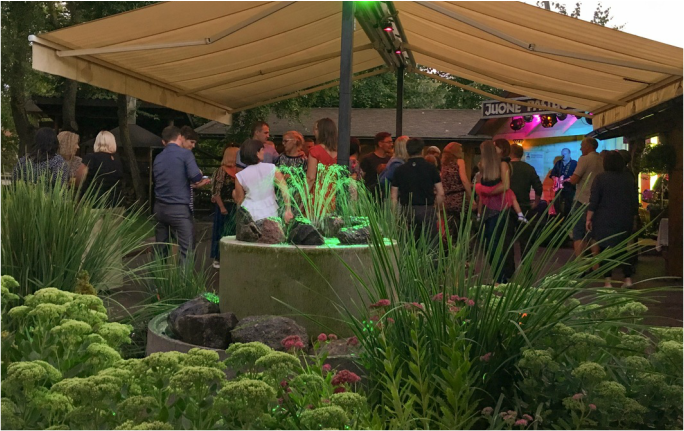
But that doesn’t mean it was dull. Last night, we went to the popular open air music hall
Juone Pastuoge
to hear what was billed as “country music.” We spent the entire evening trying to decide if we were hearing American country-western music sung in Lithuanian or traditional Lithuanian folk tunes performed with a Nashville beat. No matter. The crowd was cheerful, little kids darted around underfoot as families and groups of friends dined at long tables, and couples, including us, took to the dance floor. It was one of those rare occasions when the world reminds you that you really are exactly where you should be, doing exactly what you’re supposed to do, living life as it’s meant to be lived.
Of course, our visit to
Šiauliai
didn’t really peak until the next morning, when Rich finally made it to the Chocolate Factory. I stayed behind to work on this post, and a few minutes ago he returned with some of the most outstanding chocolates I’ve ever eaten, the kind that are freshly made from natural ingredients and aren’t even pretending to worry about fat content or what they’re going to do to your waistline.
“I love this town,” I said, when I could speak again after the bliss of the first truffle. “There is just no end to the fun things to see and do here.”
IN A FEW DAYS WE’LL REACH THE HALFWAY POINT OF OUR JOURNEY. We’re spending 3 months on trains and ferries, with an open itinerary and small (slightly frayed) suitcases.
Distance cover
ed so far:
2790 km / 1734 miles.
Highlights have included zany
Amsterdam
, the German city of
Lübeck
on the edge of the Baltic Sea,
the Stockholm disaster
, the new foodie mecca of
Helsinki
, Finland, futuristic
Estonia
, and a surprisingly kookie visit to
Riga
, the capital of Latvia. We spent a few days in the Latvian countryside, in the small town of
Kuldīga
,
then headed south to
Šiauliai, Lithuania
.
To follow our adventures as they unfold,
subscribe to my blog
, like
my Facebook page
,
and keep checking
the
map of our journey
.
Leave a Reply