“Deliciosa,
”
my guests all murmured politely.
“Que maravilloso.”
But it was pretty obvious they didn’t really think the dinner Rich and I had prepared was delicious or marvelous. In fact, having accepted the smallest possible servings, they mostly just pushed the food around on their plates as if hoping it would somehow contrive to disappear on its own.
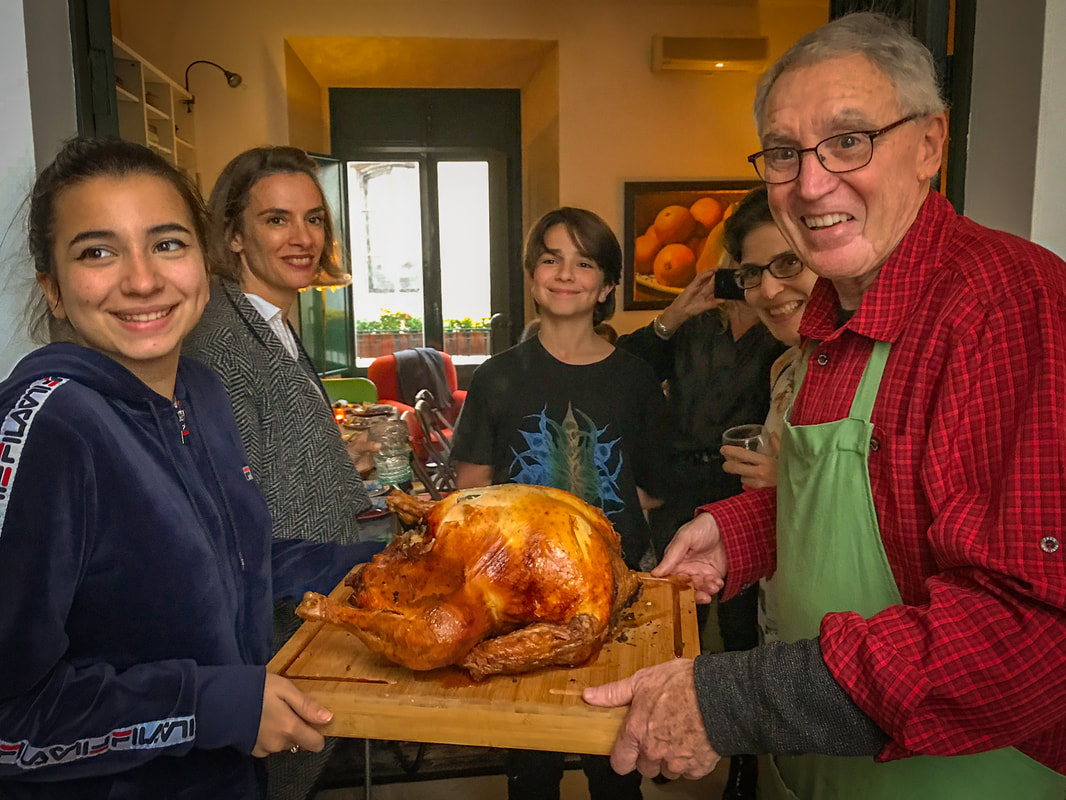
It was November of our second year living in Seville, and in a moment of tipsy bonhomie at a prior gathering, Rich and I had volunteered to fix a full Thanksgiving dinner for my painting class. They were thrilled. The idea they could actually sit down to this iconic American meal, one they’d watched in countless movies scenes, was intoxicating. Rich’s presentation of the turkey brought gasps of admiration. My explanation of each dish brought nods of recognition; yes, they’d seen mashed potatoes in that Woodie Allen film, on
Friends
, in that movie about close encounters with aliens. It was all perfect — until the moment they had to pick up a fork. Like most Sevillanos at that time, they ate nothing but traditional Spanish fare, and when presented with new foods, they literally couldn’t stomach them.
In vain I pointed out that turkey was commonly sold in Seville’s markets, and that it was hardly distinguishable from chicken. Nobody believed for one second that Rich’s stuffing, a simple dish of coarsely chopped, day-old bread with a little seasoning, was essentially the same as Spanish
migas
, a traditional dish of coarsely chopped, day-old bread with a little seasoning. The only thing on the table they actually liked was the cranberry sauce. Why? Because it was utterly new, and they had nothing to compare it to, so they could judge it solely on its merits.
As an American, I was raised to view novelty in my diet as a good thing. Being a nation of immigrants, we find it fun to dine on Japanese-Peruvian ceviche nikkei one day and Ethiopian wat the next. Growing up in what’s now Silicon Valley, I take technology in stride and find nothing strange about enhanced superfoods or probiotic breakfast cereals. On the other hand, our standards are so flexible that we accept non-nutritive pseudo-foods laced with dangerous chemicals and additives; in fact, we pack them in kids’ lunchboxes every day.
“America is a new country,” Martine pointed out over dinner in her smart, colorful apartment in the French alps. “In France, in Europe, it’s an old country and we have a long story. It’s a very big story. Since
le Moyen Âge
[Middle Ages] cooking has been very important everywhere in Europe. In the United States, it’s a new country, so you don’t have a story. So you teach differently and cook differently, and maybe it’s less important for you.”
When I asked Martine about the story behind her cooking, she said that living in the high mountains, it was all about hearty fare for sustaining yourself through severe weather. Common comfort foods were designed to stick to your ribs: cheese
fondu
,
diot
(sausages), and
crozets
(a small, flat, square-shaped pasta). On that warm, mid-September evening, she was preparing something a bit lighter:
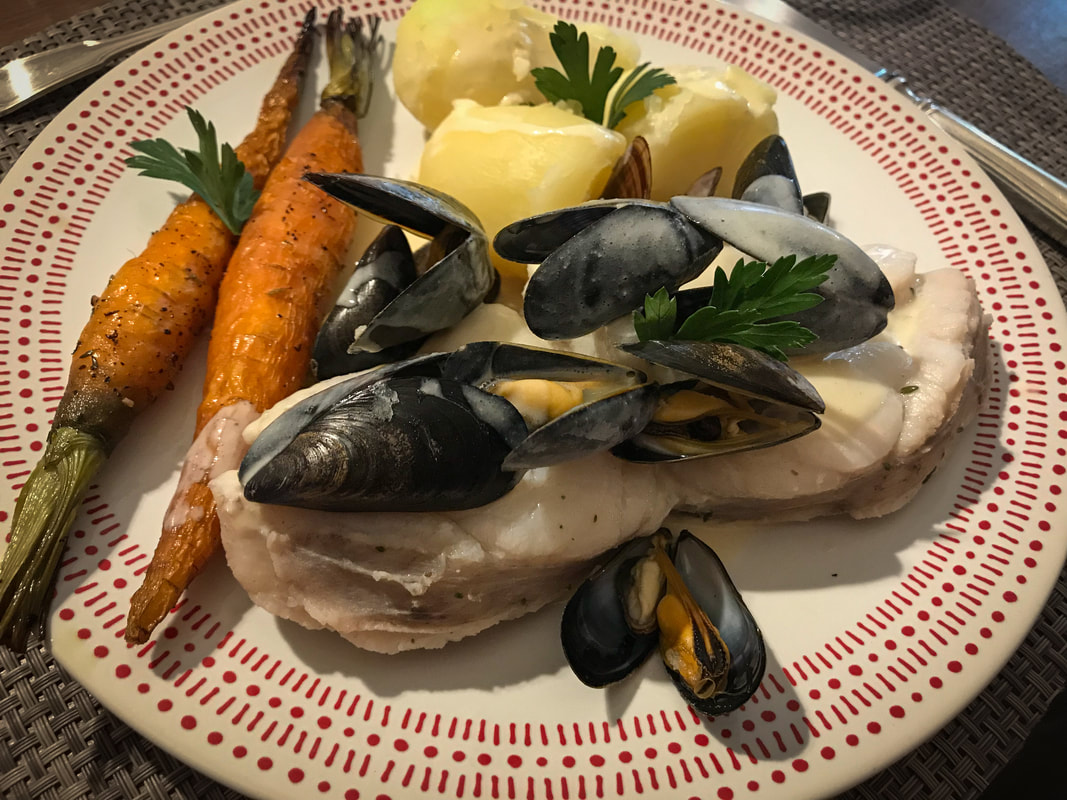
Blanquette de Lotte
, anglerfish with mussels and vegetables.
Martine began developing her cooking skills at the age of ten. In a family that included a grandmother with nine children and 50 grandchildren, she was expected to pitch in and help. There were plenty of aunts around to instruct her in the culinary arts while her own mother was out working. Fortunately, Martine found she quite liked preparing food and later went on to take a cooking course at a well-known restaurant in the nearby town of Chambéry. Eventually she signed up with the private dining group
EatWith
.
“You are our first EatWith guests,” she told me. I assumed that was because she’d joined only recently, but she explained she’d been on the website for two years.
I was astonished; great food, breathtaking setting, wonderful hosts … what more could people possibly be looking for? Martine explained that most visitors zipped through Chambéry en route to the ski slopes. In fact, she and Patrick raised their eyebrows when Rich mentioned we’d booked five days there. Their voices murmured something polite, but their faces exclaimed, “But what do you
do
all day there?” In fact, Chambéry was my kind of town: peaceful, picturesque, and with plenty of good food.
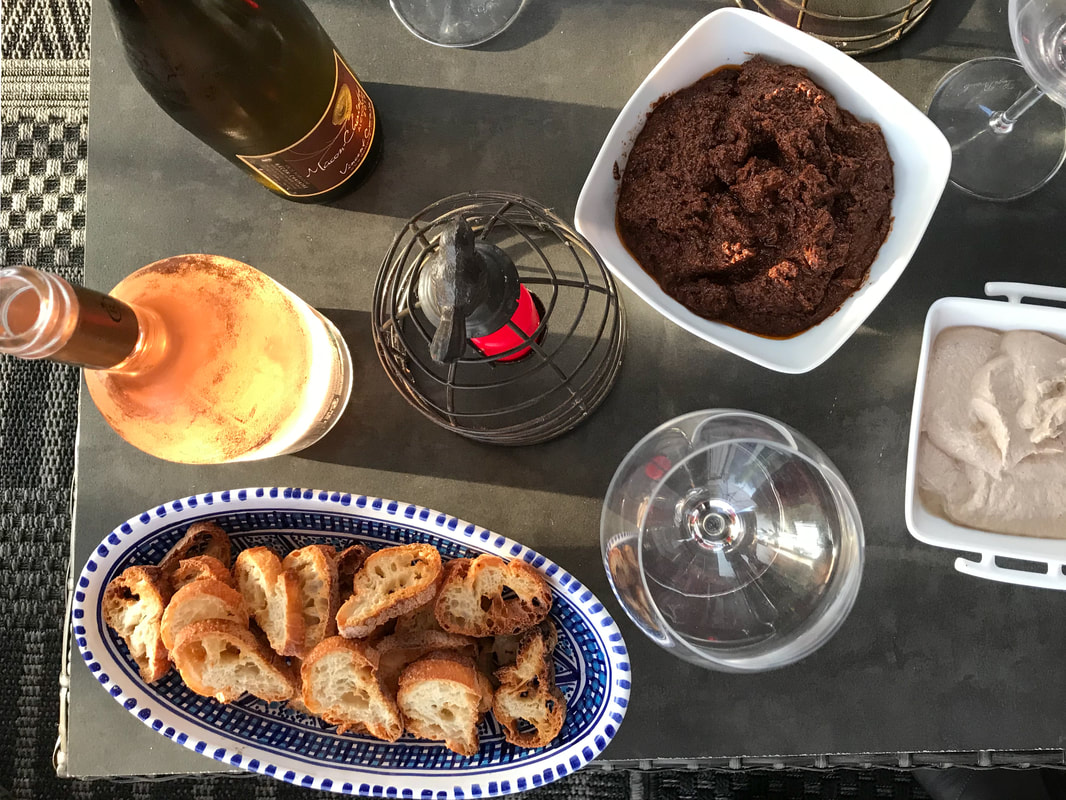
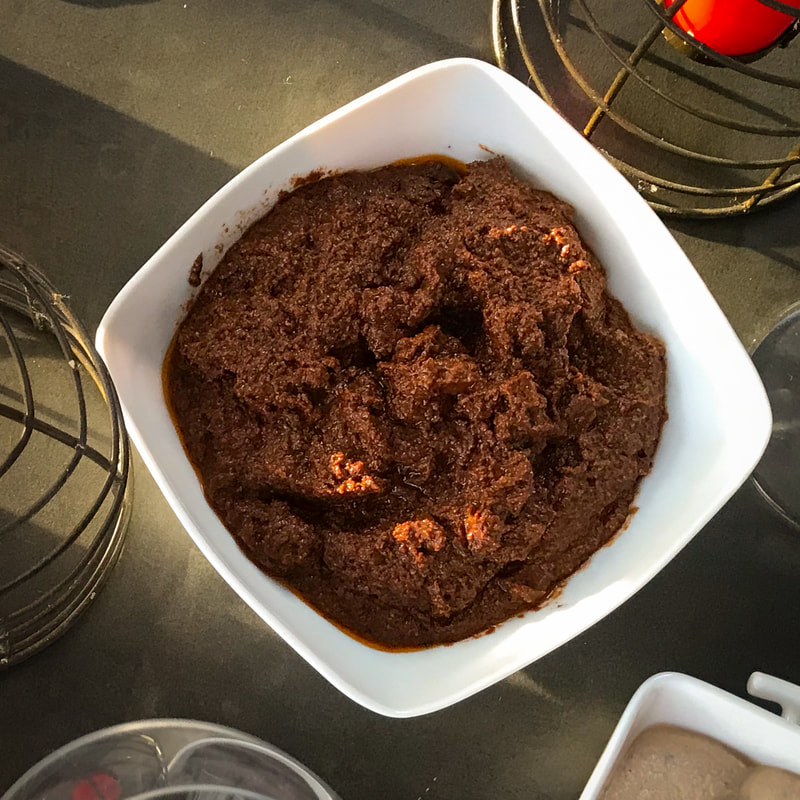
Chambéry was delightful, but Martine’s dinner was the unquestionable highlight of our stay. We began the evening on the terrace, admiring the view of Mont Granier and the Belledonnes, sipping a delicate rosé and nibbling on ham with melon, a cheese and anchovy spread, and tapenade.
When Martine returned to the kitchen I followed, my phone’s video camera at the ready. Padding barefoot around her kitchen, she managed to seem quite calm while moving from one task to another so quickly I could barely keep up.
The
Blanquette de Lotte
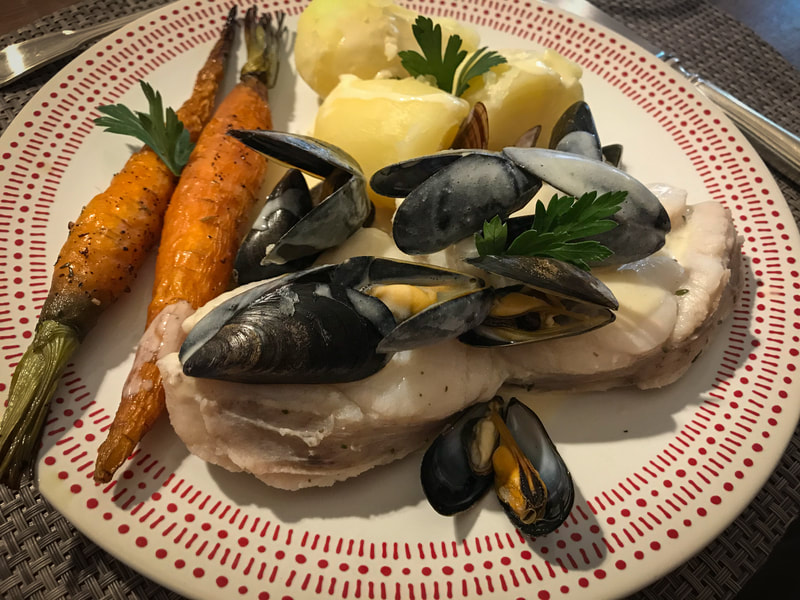
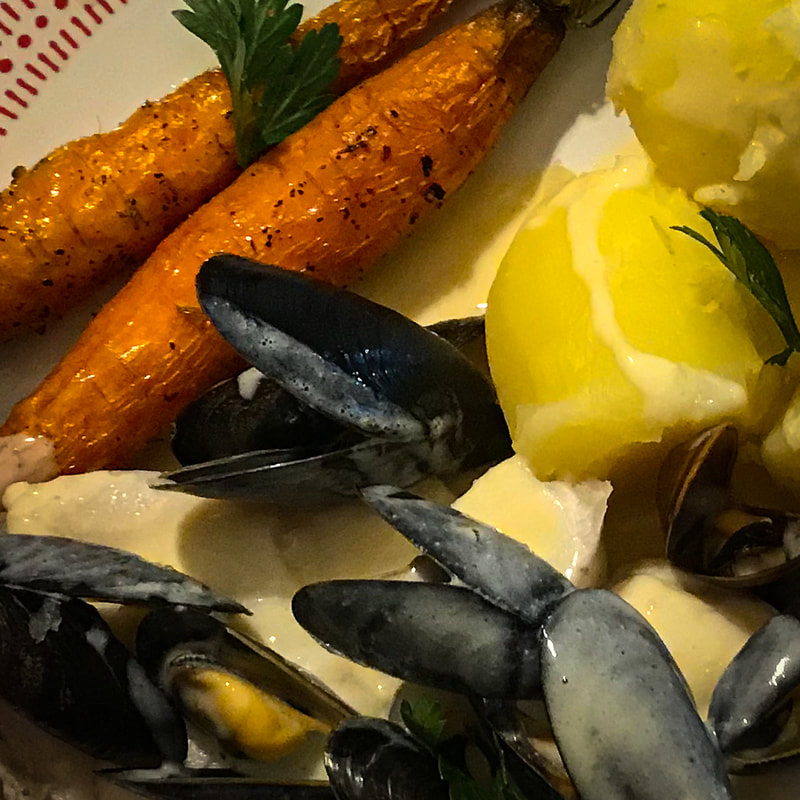
was possibly the heartiest fish dish I’ve ever eaten: thick slabs of luscious anglerfish with succulent mussels and a sauce of broth, egg yolks, and crème fraiche. The conversation ranged over everything from travel to families to the art of table setting. Naturally we touched upon the region’s famous role as the original power base of the
House of Savoy
, a royal family that used diplomacy, economic skill, and shrewd marriages to maintain its influence over world events from 1003 to 1946. By the time dessert came around, the four of us were chatting like old friends.
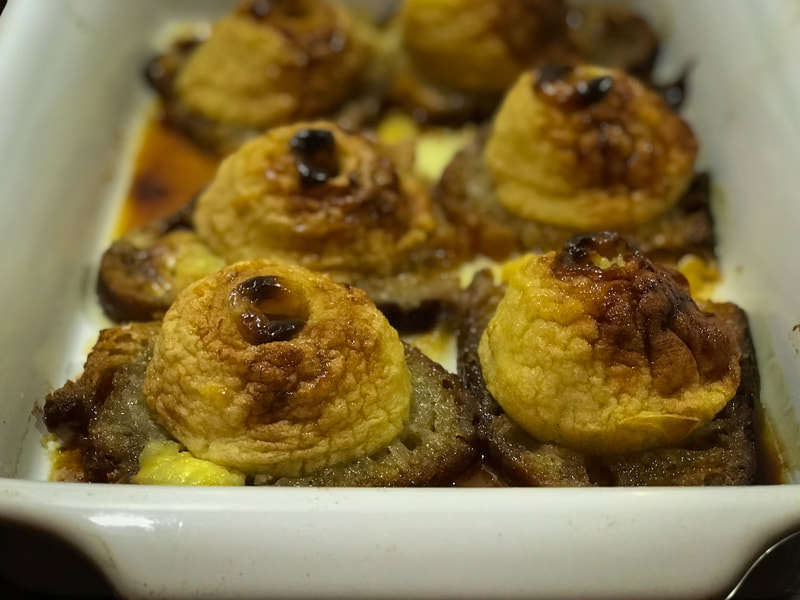
“This is amazing,” I said, spooning up the last of my baked apple stuffed with crème fraiche and topped with vanilla ice cream. “I can’t stop eating!”
Martine grinned. “I never meet American people who don’t like to eat. You all like to eat. You are very curious and you like to eat.”
And when you think about it, that may be America’s finest gift to world cuisine. Our culinary traditions are all over the place. We have to maintain constant vigilance to keep pernicious corporations from sneaking harmful substances into our diets. Most of us don’t know a sous vide precision cooker from a masticating juicer. But we are enthusiastic omnivores who aren’t afraid to try something new. Oh sure, that can lead us astray when it comes to dubious offerings such as Koolickles (pickles brined in Kool-Aid). But it also gives us the courage to get out there and connect with people around the world, knowing that with luck, we’ll discover something to love in the dishes that their ancestors cherished and handed down for centuries.
WANT TO TRY MARTINE’S MOUTHWATERING (YET SIMPLE) RECIPES?
TAPENADE
ANGLERFISH & MUSSELS
OVEN-ROASTED CARROTS
BAKED APPLE DESSERT
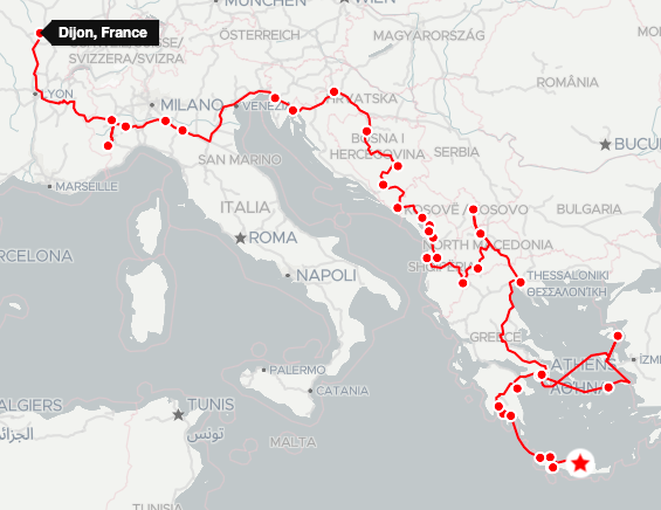
Where are we now?
Dijon, France
As you may have guessed, we’re in the final phase of Our
Mediterranean Comfort Food Tour
.
Just
10
more days to go!
Don’t miss the ultimate loony travel tales or the post-return stories about how our clothes held up (some good news and bad news there) and what we’ve learned from all our varied adventures.
Sign up to receive updates and more recipes.
YES, SEND ME INFO & RECIPES!

Leave a Reply