



Only
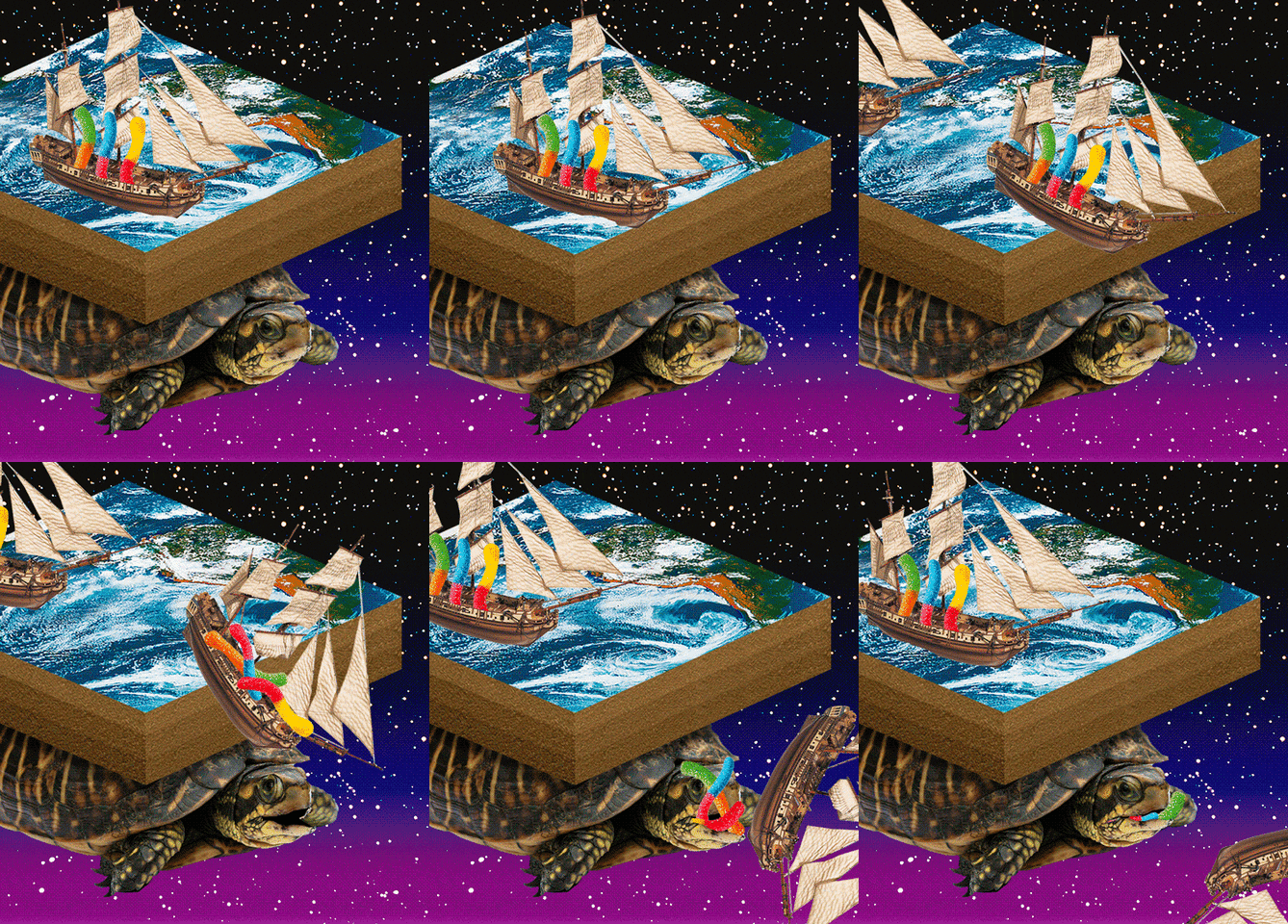
66% of millennials believe the earth is round
, according to one poll*, which (for those of us who still place our faith in math) means 34% of young Americans suspect or “know” our home planet is flat. In 2017 rapper and conspiracy theorist
B.o.B.
tweeted he was crowdfunding his own satellites to go up in space and prove his flat-earth theories. NBA star
Kyrie Irving
said, “This is not even a conspiracy theory. The Earth is flat. It’s right in front of our faces. I’m telling you, it’s right in front of our faces. They lie to us.” (I’m not even going to get into the irony of incorporating the phrases “This is not even a conspiracy theory” and “They lie to us” in the same rant.) Photos of the earth from space are dismissed as fakes, part of a government plot to fool us all.
Apparently the flat-earthers haven’t caught up on the news from 500 years ago. In 1519 Ferdinand Magellan assembled a fleet of five ships and set off from Seville, Spain. The fleet headed steadily west for four years until eventually, with Magellan and most of his crew dead, three ships lost and one deserted, the sole remaining ship limped into Seville’s port — proving (sorry B.o.B. and Kyrie Irving) that the earth is round. The story of this extraordinary voyage is the subject of a marvelous new exhibition on display in
Seville’s Archives of the Indies
— a must-see for anyone (and especially you, flat-earthers!) coming to town between now and February 23, 2020.
Magellan was a spectacular navigator and an abominable diplomat. He quarreled with his own ruler, King Manuel I of Portugal, and had to resort to petitioning Portugal’s archrival, the King of Spain, who grudgingly financed the voyage in hopes of putting one over on the Portuguese by finding a better route to lands rich in expensive spices. Magellan’s Spanish crew hated him for being Portuguese, for being kind of a jerk, and for withholding key information about the voyage. Magellan had a big secret: earlier explorers had told him about a passageway cutting through the tip of South America.
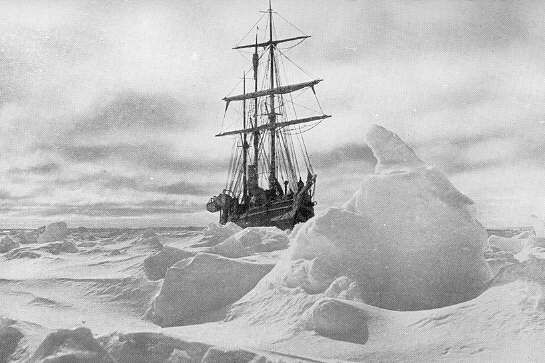
This passage, now knows as the Strait of Magellan, would not only make the journey shorter, it would avoid one of the most violent and hazardous seas on the planet, running between Cape Horn and the Antarctic Peninsula.
How bad was it? I’m not sure, but here’s what they knew to expect crossing the Atlantic.
I know, right? Who would be crazy enough even to think of spending months crossing water like this in a ship 20 meters long?
With everyone’s life constantly in jeopardy, it’s not surprising the story of this voyage is full of conflict, mutinies, heads being cut off, people left to die on desert islands, cannibalism, starvation, desertion, and Magellan’s death in a ridiculous show of bravado to impress a Filipino chief. There was plenty of macho idiocy to go around, but there was also a steely core of courage that I couldn’t help but admire.
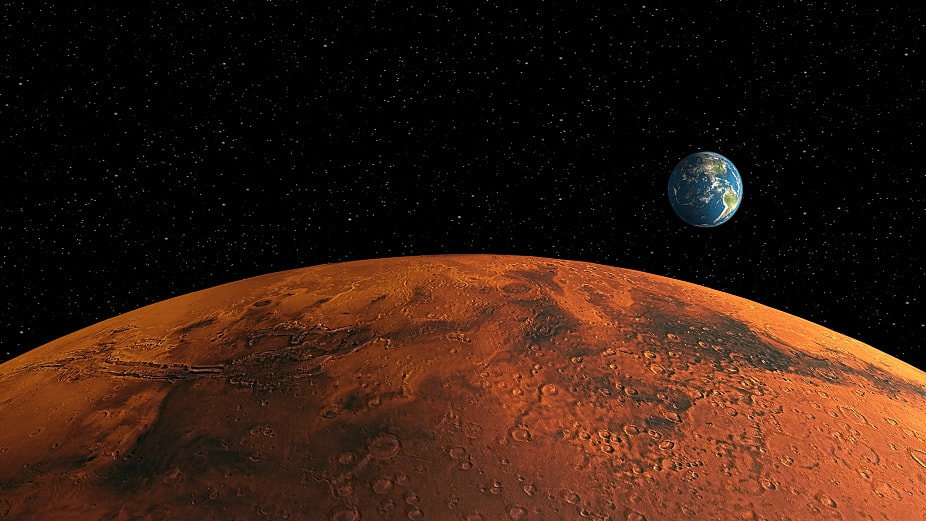
History books refer to those days as the Age of Exploration, but never doubt that humans are still boldly going where no one has gone before. Two years ago I heard NASA scientist Amaya Davis talk about the Mars expedition planned for the 2030s. Young men and women are already in training and vying for seats on the first voyage to the Red Planet — even knowing that it is a one-way ticket. The amount of hardware and fuel they will use up to reach Mars is enormous, and they simply can’t carry enough extra to make the return journey feasible.
“Why would anyone do that?” I asked Amaya.
“They want a place in history.”
As with Magellan and his crew, I’m in awe of the courage of these future astronauts, even while thinking they have to be more than halfway nuts. Rich and I have definitely decided not to sign up for that trip. But I’m glad so many brave people have chosen to go into space, if only to be able to properly debunk the flat-earthers.
While the NASA crews are all volunteers, many of Magellan’s sailors were shanghaied, kidnapped on the streets of various ports and thrown aboard to replace crew members lost to scurvy, suicide, accidents, execution, or worse.
The kidnapped sailors had to find unexpected depths of valor to face a life-or-death struggle they never signed on for, in the most daunting circumstances imaginable.
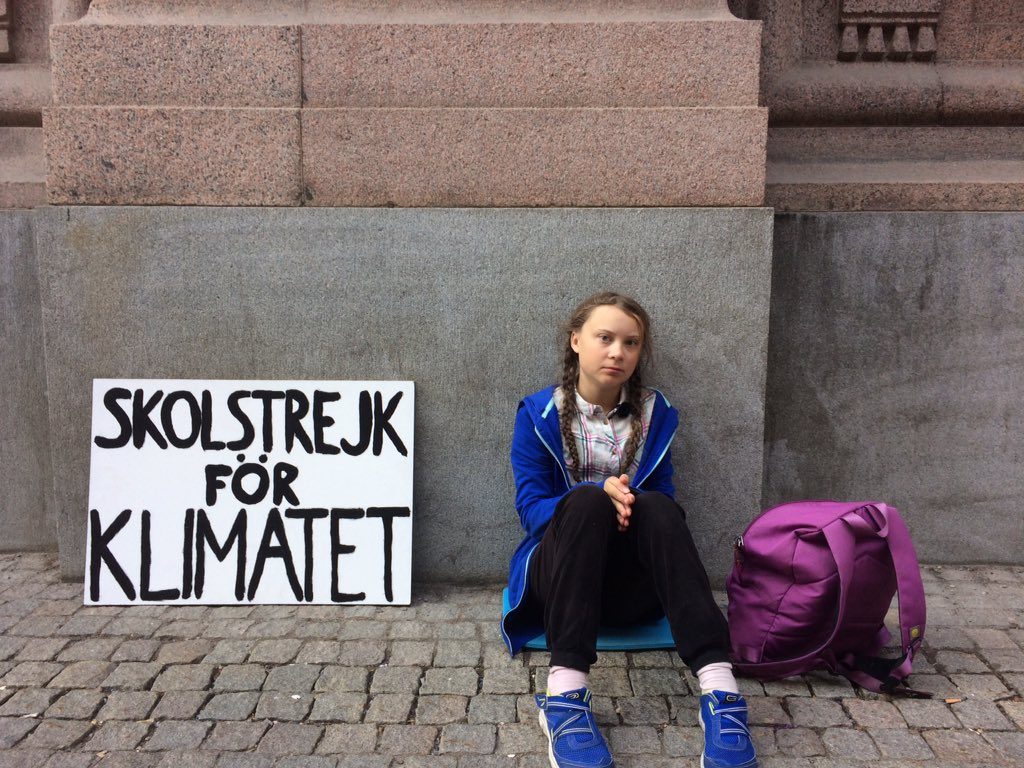
I suspect Greta Thunberg feels much the same way. She had no hand in creating the climate crisis, everyone’s existence is at stake, and we’re dealing with a deck stacked in favor of failure. I can only imagine the bravery it took for her to begin her first, solitary protest vigil outside the Swedish parliament. “It is still not too late to act [to combat climate change],” she said in April. “It will take a far-reaching vision, it will take courage, it will take fierce, fierce determination.”
We know Greta has that kind of courage and determination, but do we? I guess we’ll find out. Nobody wants to cope with climate change, but it turns out that we are the generation that, like the shanghaied sailors, woke up to find ourselves on a ship floundering in uncharted waters, headed for a future over which we have slim control and no guarantees of survival.
So where does a die-hard optimist like myself find room for hope? I’m heartened by the knowledge that humans have a pretty good track record of finding inner strength when they need it most. During one of Britain’s darkest hours Winston Churchill said, “It is not enough that we do our best. Sometimes we must do what is required.” A lot of people had the courage to step up then and do what was required. I believe the majority of us have the fortitude to stand up and do our bit now.
One thing inspiring Londoners in the Blitz, sailors of yore, and astronauts of the future is the clear certainty that our survival depends on working together. Our ancestors survived on the African savannas — surrounded by creatures that were bigger, fiercer, and better equipped with teeth and claws — because humans learned to cooperate with one another. And they refused to give up. Like the early explorers, like the Mars mission team, like Greta Thunberg, we know that when there is no going back, we must find a way to move forward together. And I believe we will.
*
Scientific American
took a hard look at the original data compiled by YouGov and found statistical discrepancies that cast doubt on the claim that only “66% of millennials believe the earth is round.” In addition to inflating the percentage, the term “millennial,” normally defined as those born 1981 to 1996, here refers to 18- to 24-year-olds. So there are plenty of questions about the YouGov statistic suggests. Whatever the true numbers, the fact that anybody believes the earth is flat remains deeply worrying.
YOU MIGHT ALSO ENJOY
HOW OPTIMISM HELPS US SURVIVE
HOW BOOKS KEEP US SANE DURING THE HOLIDAYS
THE BED BUG APOCALYPSE

Leave a Reply