Show of hands: how many of you actually like going to the dentist? Anyone? I certainly don’t. In fact, I pretty much need a shot of novocaine just to call and make the appointment, especially if I’m trying out a new dental practice. And that goes double in a foreign country. I’m such a coward that until now, I’ve always managed to be in America when it was time for dental maintenance. But last week, seriously overdue a cleaning, I gritted my teeth and booked an appointment with a Seville dentist. He came highly recommended by a friend, who mentioned — in some detail — his vivid good looks and luxurious hair. No, sorry, I don’t have any photos to share. You’ll just have to use your imagination.
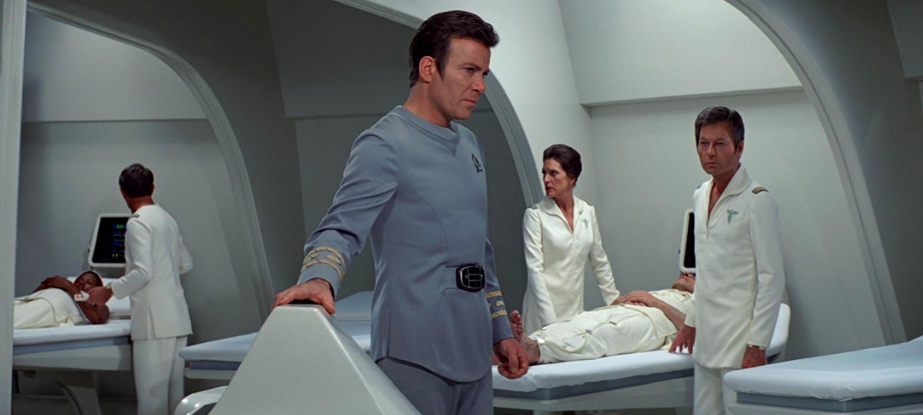
But the really striking thing about my visit to his dental practice was how efficient and painless everything was. If you’ve ever suffered through x-rays taken via a series of uncomfortable vinyl-clad carboard inserts jammed into your cheeks, you’ll appreciate that I simply rested my chin on a support and the machine rotated around me like something out of Star Trek. The cleaning was all done via water pressure, without a single jab to the gums with a sharp metal implement. Before I knew it I was back out on the street with a brighter smile and a couple of complimentary bamboo toothbrushes.
It’s natural to be nervous about health care in a foreign country, and you’re wise to be cautious, do your research, and seek the best available care. With a bit of luck, you just might find yourself pleasantly surprised by the whole experience.
For instance, last April, just before starting our five-month
Mediterranean Comfort Food Tour
, Rich underwent a very minor medical procedure and was told to have the dressings changed, by health professionals, every other day for the next month. Our first stop was a clinic in
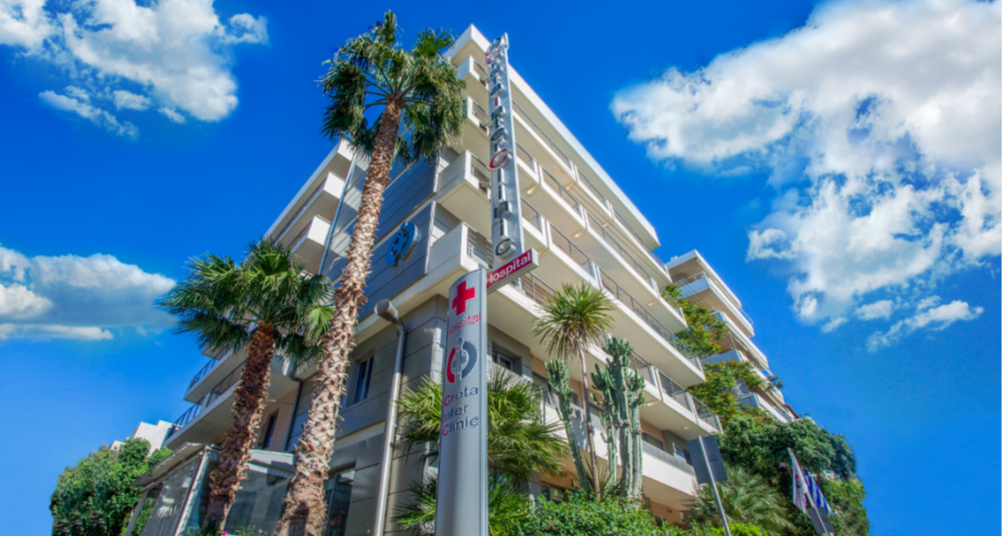
Heraklion, Crete
. Having emailed ahead to discuss his case — and his willingness to pay full price in cash — Rich was greeted with considerable enthusiasm. He was whisked to the head of the line and a neurosurgeon was summoned to change the bandage. It was all very gratifying, and the care could not have been better. Eventually Rich decided to try the free public health facilities, which turned out to be equally as clean, professional, and competent. And did I mention they were free?
Two weeks ago here in Seville, I dropped in to see an 87-year-old friend and found her fretting about an earache. I walked five blocks to the nearest public health center and made an appointment for later that same day. The doctor — thanks to the universal medical records system — had my friend’s full history at his fingertips. Unlike the US, they don’t make you undress and get into a paper gown every time you visit, nor do they send in a nurse to take all your vitals. The doctor determines what body parts need to be examined and focuses on those. In this case, he peered into my friend’s ear and checked her blood pressure, which has been problematic in the past, but was OK now.
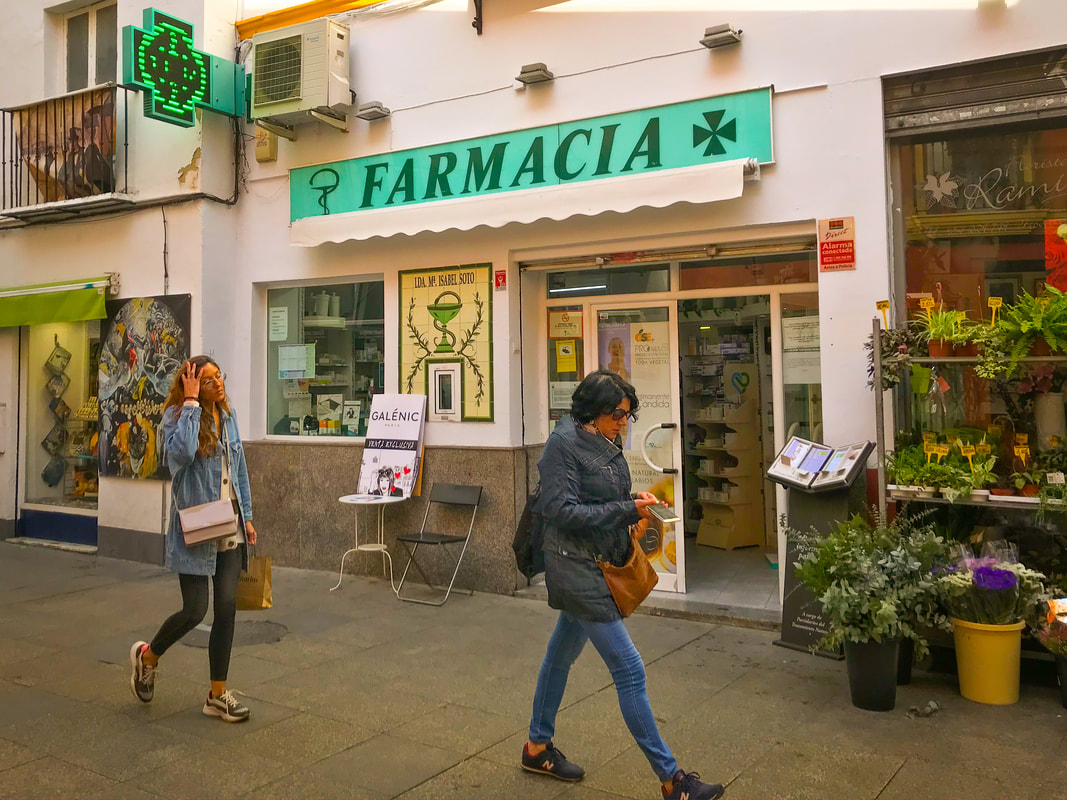
He tapped a few keys on his computer and told me he’d prescribed a mild pain killer. When I asked what pharmacy he’d sent the prescription to, he looked at me strangely. “All of them,” he said. You’ve got to love the efficiency!
Not being a Spanish citizen, I don’t qualify for the public medical system and I’m required to have private health insurance. Rich and I pay 2,600€ ($2845) a year for outpatient coverage for both of us with
Sanitas
, a private carrier geared to expats. We get unlimited office visits and (brace yourself) house calls. And they reimburse us for 80% of any costs we incur — for instance, those fees from the private clinics in Crete.
My Sanitas insurance doesn’t cover prescriptions, but that’s OK because the meds I take are affordable here. For example, in the US a 90-day supply of thyroid tablets retails for $132; my drug benefits reduce it to $9.93. In Spain I pay just 3.85€ ($4.21) for the same Merck pharmaceuticals. This insurance doesn’t cover dental either, but like the meds, these services are reasonably priced. I paid 50€ ($55) for x-rays and teeth cleaning; in the US those services typically run $200 to $300. I’ve read that in Los Angeles, these services can cost up to $3,800; I can only assume that to justify those prices, the cleanings are done by actor Ed Helms, reprising his role as Stu the Dentist in the movie
Hangover
.
via GIPHY
Sometimes our concerns about foreign medical care make us do extraordinarily foolish things. When an American nurse I know got food poisoning in England, she insisted on immediately flying back to the US rather than getting treatment from local providers. I don’t even want to imagine what that flight was like for her, her husband, or anyone else in the vicinity.
Why would she put herself through that kind of suffering? Because she believed the American health care industry, which has spent billions of dollars trying to convince us that they provide the only decent medical care on the planet. And that any health services outside our borders will be so medieval we’ll wind up with something worse than whatever we walked in with. None of that is true. The
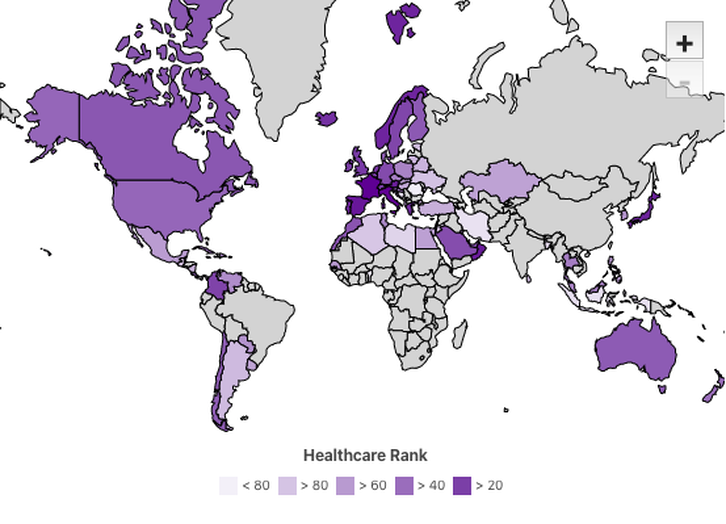
World Health Organization’s 2020 rankings
place the quality of healthcare in the US at number 37 — well below, for instance, France (1), Spain (7), Greece (14), Columbia (22), and Morocco (29). Yes, below Morocco, folks! The UK is ranked a healthy 18, suggesting my friend could have received better care there than in her own country.
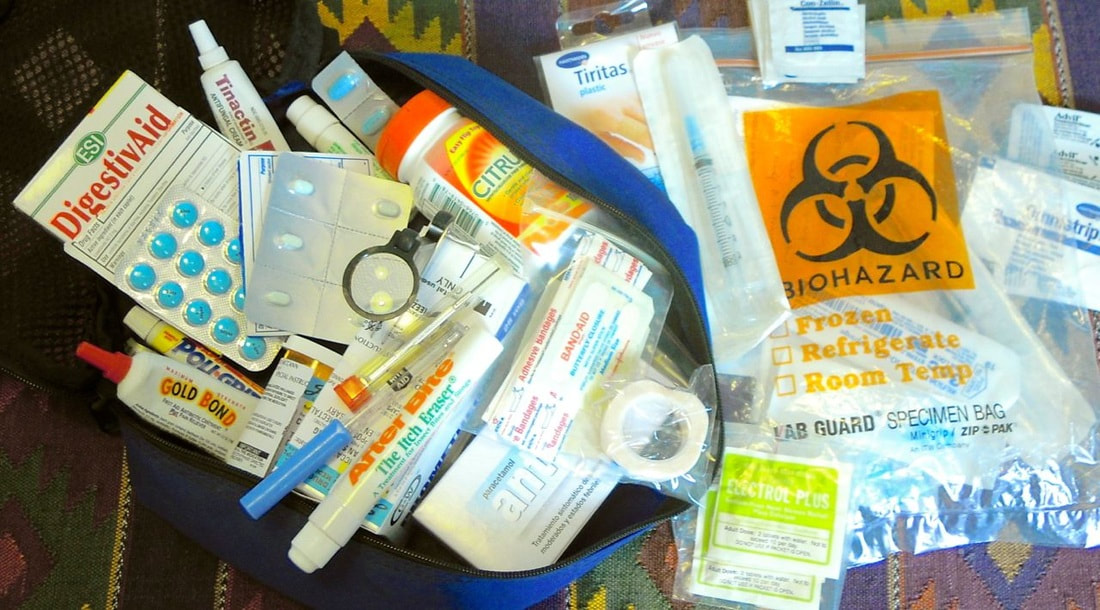
Of course, for major issues, flying home may prove sensible. It’s easier to navigate a known medical system, with familiar doctors who speak your language and specialize in precisely what ails you. And if you’re traveling in a poor, rural region known for substandard medical care, you’ll want to head to the nearest city. But most of the time, our health issues can be dealt with locally. Rich’s
legendary first aid kit
is our first line of defense, a visit to the pharmacy comes next, and, if necessary, we research local clinics online. You can also check with the nearest
US embassy or consulate
; they often have lists of English-speaking doctors. Sadly, not all providers have been as handsome as my dentist — indeed, many look more like Elmer Fudd or Margaret Thatcher — but they’ve all proved to be competent professionals who took good care of us in our hour of need.
Journalist Bill Moyars once said, “When I learn something new — and it happens every day — I feel a little more at home in this universe, a little more comfortable in the nest.” The more I learn about healthcare in other countries, the less anxious I feel about what would happen if I got sick on the road, and the more comfortable I am about moving freely around the world.
YOU MIGHT ALSO ENJOY
SIX WAYS TO SAFEGUARD YOUR HEALTH ON THE ROAD
MY TRAVEL BOOKS
RICH’S WORLD FAMOUS FIRST AID KIT
Leave a Reply