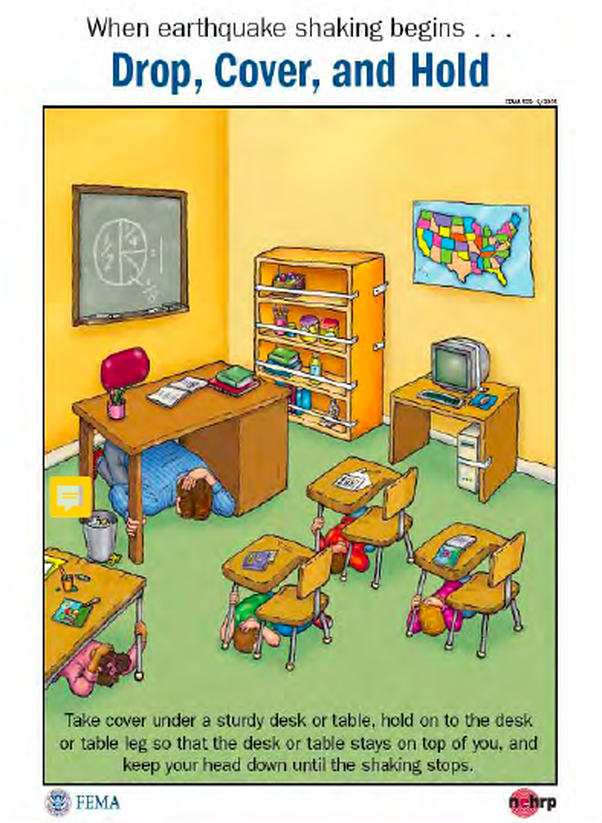





After the earthquake last Saturday night, as soon as the couch stopped shaking, I turned to Rich and said, “So it’s true. Mother Earth really is trying to kill us.”
It wasn’t Her best effort; a mere 4.2 on the Richter scale, just enough to startle. By the time I realized it might be wise to dive under the furniture, it was all over. The previous quake, which struck on December 31st — a little parting gift from our old pal, 2020 — was even weaker, but with the epicenter just a few miles away, that one bounced me like a trampoline. Ah, the joys of living in California.
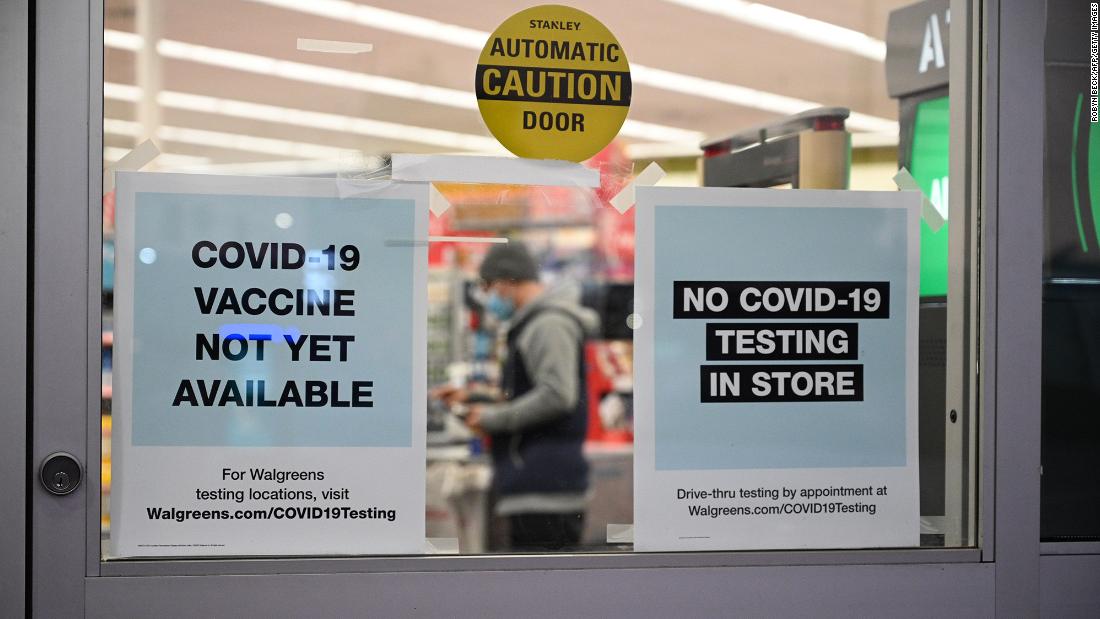
It’s been pretty wild around here lately, but with the state’s Covid numbers (finally!) dropping a bit and vaccines on the way (yes, they are!), there’s room for optimism. For months, those vaccines were like Bigfoot — the stuff of legend without any reliable sightings. Now a few people I know have received their shots, including someone who joined a high-priced concierge medical service to get one, and a veteran who’s flying to a military base that’s doing inoculations.
“Do we have to up our game?” I say to Rich whenever we hear such stories. “Bribe or hustle our way into line?” I don’t mind waiting behind nursing home residents and essential workers but hate to be outdone by the rich and crafty.
“I think things are about to get better,” Rich said yesterday, and sent me the
NY Times
story, “
Biden’s Covid-19 Plan Is Maddeningly Obvious
.”
The real shocker, says the article, is that these no-brainer solutions weren’t in place months ago: “Loosen the restrictions on who can get vaccinated (and when). Set up many more sites where vaccinations can take place. Mobilize more medical personnel to deliver the vaccinations. And use the might of the federal government to increase the vaccine supply by manufacturing whatever is needed, whenever it is needed, to accelerate the effort.” Amen to all that! The plan calls for FEMA to set up vaccination sites in gyms, sports stadiums, community centers, and mobile units. “They’re evaluating how to eke out more doses from the existing supply — there is, for instance, a particular syringe that will get you six doses out of a given quantity of Pfizer’s vaccine rather than five, and they are looking at whether the Defense Production Act could accelerate production of that particular syringe and other, similarly useful goods.”
Reading those plans gave me a first flicker of hope that we might actually be on the verge of moving past this phase of our lives into a — dare I say it? — post-pandemic world.
Naturally everyone’s speculating madly about what the future will look like, and the only thing they all agree on is that we won’t return to pre-Covid normal. For a start, many of the 100 million Americans now working from home will keep doing so in 2021, possibly forever.
And that, my friends, is the sound of opportunity knocking.
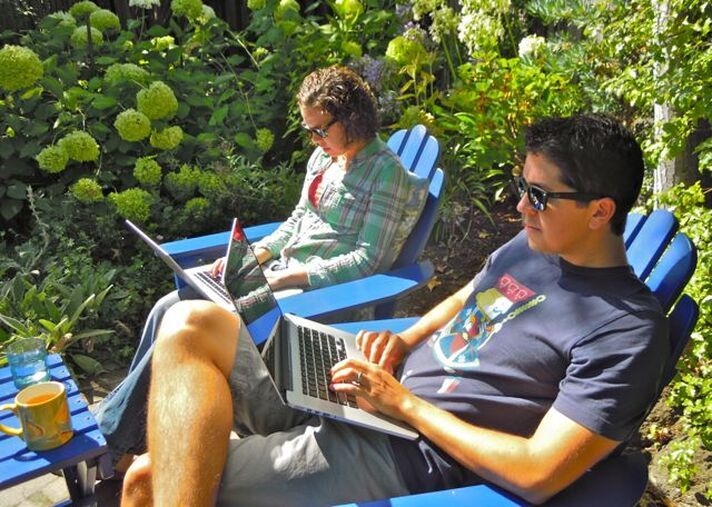
As many of my expat pals have learned, working remotely means you can live anywhere, moving on whenever you’re ready for a change of scenery. For those fed up with staring at the same four walls and the same old view out the window, that’s a heady idea. Just think about becoming a digital nomad,
working remotely in another part of the US
. Or even more excitingly, doing your job from abroad, which just got a lot easier thanks to
new digital nomad visas
designed to attract working visitors as soon as travel restrictions are lifted.
“Portugal, as of February 1st, 2021 will take the most significant leap yet, with the
islands of Madeira embracing nomads with their very own village
,” observes travel writer Gilbert Ott. “Ponta Do Sol will become the first pilot project village aiming to create a symbiotic relationship between locals and digital nomads, who are actively being encouraged to visit.”
Before you start downloading Portuguese language tapes, take a moment to consider some of the other places waiting with open arms. I’ve compiled a list (you’ll find it below), but before we get to that, let me fill you in on how it works.
The digital nomad idea became practical around 2008, when advances in internet and cell phone services made it possible to interact seamlessly with clients and employers thousands of miles away. That’s when my friends Lindsay and Ross, Americans working in Seville, found online jobs through Craigslist and decided to make their home in the larger world.
“
We threw all the chips in and bet everything on this decision
,” Ross told me.
They reduced their entire worldly goods to two suitcases, a small roll-aboard, a backpack, Ross’s guitar, and their dog, Rocky. Strict travel protocols were developed; if one of them bought a t-shirt, they had to get rid of t-shirt; no extras allowed. Like most young couples, they lived in modest rented apartments and worked hard five days a week. But when they walked outside after hours, they were always someplace new and exciting.
“It’s really not a question of why we do it,” said Lindsay. “It’s more a question of why doesn’t everyone do it?”
This year we’re seeing another giant leap forward in the digital nomad lifestyle. Until now, most traveled under tourist visas, which usually limit the stay to 90 days and prohibit working. But now (drumroll, please!) more than a dozen countries are offering some version of digital nomad visas, which allow you to stay a year or more while you continue doing your job from, say, an apartment in Greece or beach house Costa Rica.
The amount of paperwork varies considerably, as does the application fee, which can be a modest $100 or run as high as $2000 for an individual, $3000 for a family. In some cases, you may be asked to demonstrate you’re actually employed or a business owner, not just a vacationer looking for excellent wifi and other perks— such as the access to healthcare, telecom, utilities, and all the other benefits offered by Dubai.
So what countries offer some version of the digital nomad visa?
Barbados
Bermuda
Cayman Islands
Costa Rica
Czech Republic
Dubai
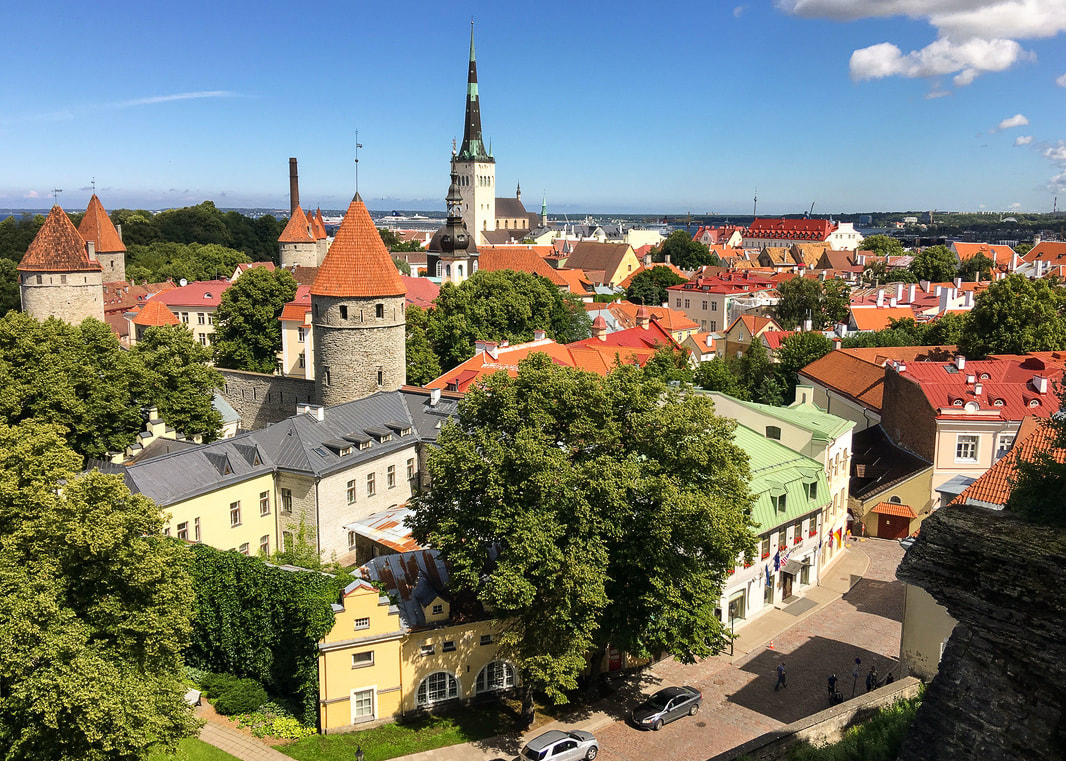
Estonia
Germany
Greece
Mexico
Norway
Portugal
Republic of Georgia
Rich and I have visited most of these countries, and there’s no question they can be a lot of fun.
Sensibly, most countries won’t allow Americans to enter until we get our pandemic numbers under control. But hey, that just means you have sufficient time to consider whether the digital nomad lifestyle is for you. Not up for living abroad? If you’re working remotely, retired, or otherwise untethered to a specific geographic area, this may be the year to explore new horizons nearer home.
A recent study showed that when you’re on the fence about a major life decision,
choosing to make a change is overwhelming more satisfying
than clinging to the status quo. Actress Goldie Hawn said, “We have to embrace obstacles to reach the next stage of joy.” I think we’ve all embraced more than our fair share of obstacles lately. Is it finally time to think about getting out there — whenever it’s safe — and embracing a little joy?
YOU MIGHT ALSO ENJOY
ESTONIA’S BRIGHT FUTURE
THE GREEK ISLAND OF LONGEVITY
THE LOONINESS OF THE CZECH REPUBLIC
MY BEST TIPS FOR MOVING ABROAD
WE’LL ALWAYS HAVE LISBON
EASTERN EUROPE BY RAIL
This post is part of my ongoing series of articles on surviving the pandemic and (if we’re lucky) beginning the transition to a post-Covid world. Each week I provide tips, strategies, comfort food recipes, and reasons for hope.
Sign up HERE to get free stories in your inbox each week.
Feel free to share this
Digital Nomad Visas
post with family and friends.
https://www.enjoylivingabroad.com/my-blog/working-remotely-why-not-do-it-overseas-with-one-of-the-new-digital-nomad-visas
Leave a Reply