

If I was wrongfully burned as a witch, and then 500 years later someone named a street after me in a fit of remorse, would I feel the scales of justice had finally been balanced?
Not even close.
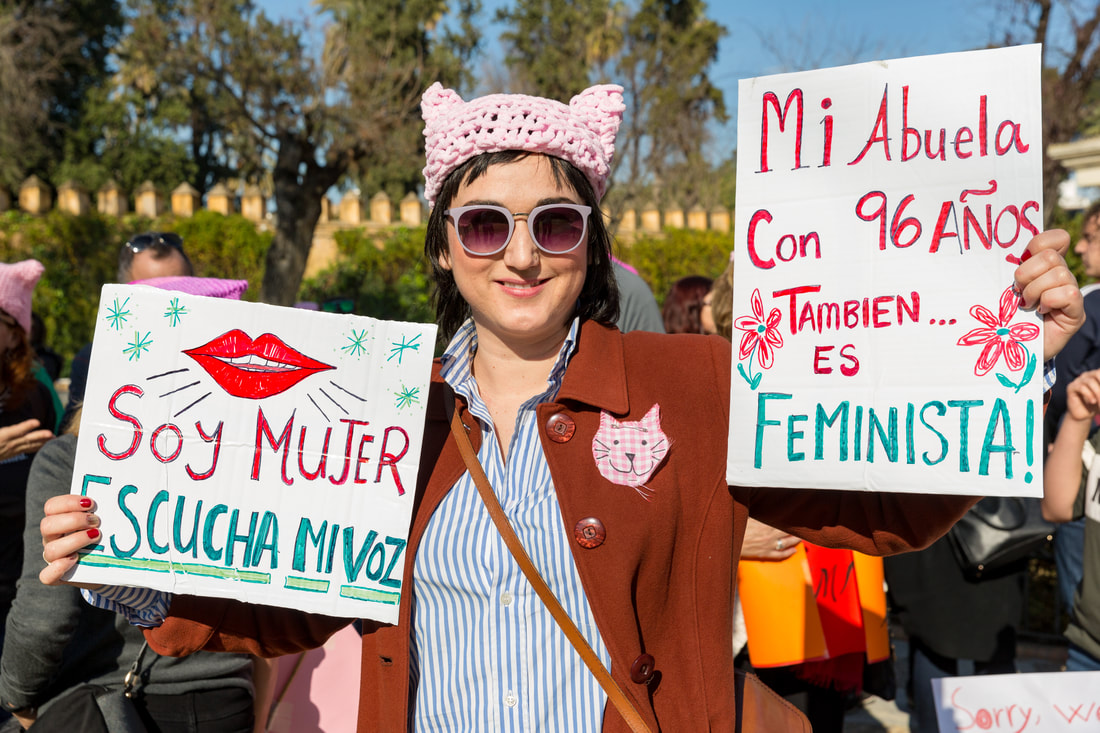
As paltry as the apology may be, I give Seville credit for joining other Spanish cities in re-naming public thoroughfares in honor of victims of the Inquisition. Sevillanos will soon be strolling on Isabel de Baena Street, María de Virues Street, and Francisca de Chaves Square, all named for women denounced, tortured, and executed for beliefs defined as unorthodox by Isabella I of Castile. (You may remember her as the queen who, on one of her better days, sent Columbus to the New World). Will the souls of the slain women rest a little easier now? That’s for future theologians to decide. Today, all we know for sure is that the decision is A) an effort to grapple with the abuse of women during one of the darkest chapters of the past and B) an opportunity to jump on a hot marketing trend in the hospitality sector: women’s history.
There are half a dozen new tours in town with titles such as “
Seville: City of Queens, Nuns, Sex Work & Witches
.” They’ll introduce you to landmarks of “herstory” and tell tales of famous females who called this city home. My regular readers are familiar with many of them, including
Doña Maria Coronel
, who tangled so disastrously with Pedro the Cruel in the 14th century; the 19th century nun
Saint Angela of the Cross
, whose overly life-like remains are on permanent display; and the
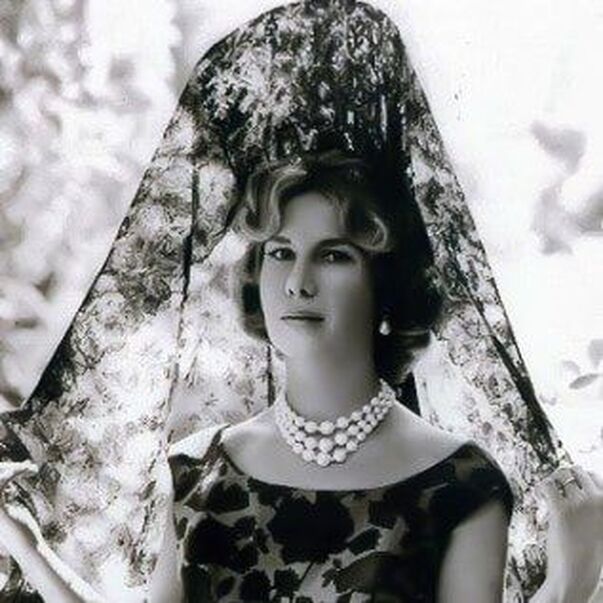
billionaire Duchess of Alba
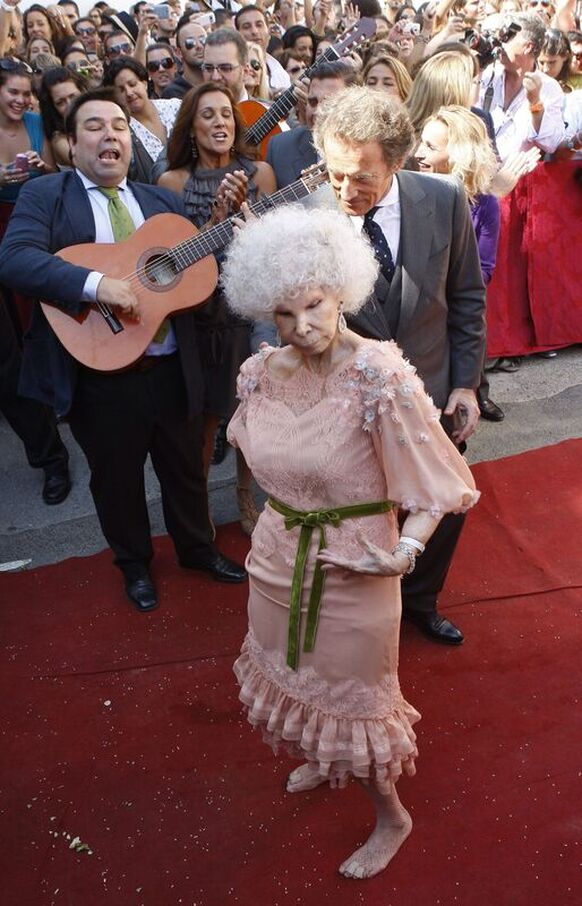
, whose flamboyant life kept us all agog until her passing in 2014. As the most titled aristocrat in the world, the Duchess had, among her countless other honors, hereditary right to ride a horse into the cathedral. Wisely, she never put this to the test (that I know of). But at the age of 85 she danced barefoot at her third wedding, surrounded by cheering Sevillanos.
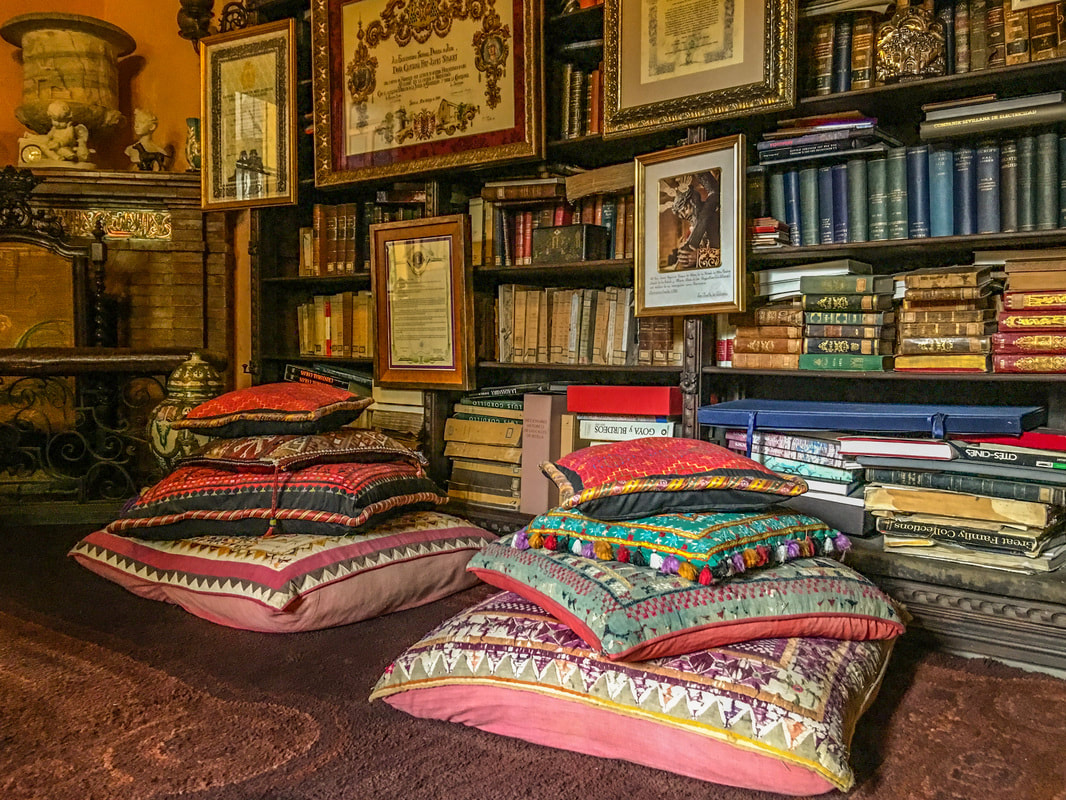
The Duchess’s home,
Palacio de las Dueñas
, is now a museum and one of my favorite places to send visitors. It’s magnificent yet so cozy I guarantee you’ll think, “Hey, I could live here!” The house was the brainchild of Catalina de Ribera, a very modern 15th century noblewoman who also built the Casa de Pilatos and the Hospital of the Five Wounds. No, you don’t need to have five wounds to go there, that’s a reference to Christ’s crucifixion, the sort of branding that made marketing sense back in Catalina’s day. The hospital was built to serve low-income residents and later sailors returning from the New World with exotic diseases. It closed in 1972 and the building now houses the Andalucían parliament.
Ok, I know what you’re thinking. We’ve had queens, nuns, and witches; what about the sex workers mentioned in the title of that tour? Gosh, where to begin? There’s the 11th century slave girl Itimad, who married Moorish King Al-Mutamid the Poet. And let’s not forget Doña María de Padilla, favorite mistress of Pedro the Cruel. He installed her in the Alcázar palace and built an underground pool where, according to legend, she bathed in milk. Although he was married to a noblewoman, Pedro and his mistress are buried together in the cathedral’s Royal Chapel, something only a king could finagle .
Throughout the city you’ll see images of two women holding the cathedral’s Giralda tower, often with pottery and a lion at their feet. These are sisters Justa and Rufina, 3rd century potters who converted to Christianity and ran afoul of the Romans. After Justa was tortured to death, Rufina was thrown to the lions, but they refused to attack, allegedly becoming docile as house cats. She was eventually executed, and both women were canonized. When an earthquake hit in 1755, the sisters were credited with preventing the Giralda from falling; now they’re always shown holding up the tower.
I’ll admit some of the details in these stories may be sketchy. But I think we can all agree the city’s history is filled with extraordinary women. Actually, I believe that’s true of all cities, but here they tend to get more recognition. Why? One reason is that in Mediterranean culture, personal relationships are valued above professional success. This makes home the center point of life, enabling women to function as matriarchs. Where some cultures only really value women when they’re young, here middle aged and older women wield the real power in the extended family. These matriarchs are treated with respect at an age when, in many communities, they’d be ignored and marginalized. You can see why I love living here!
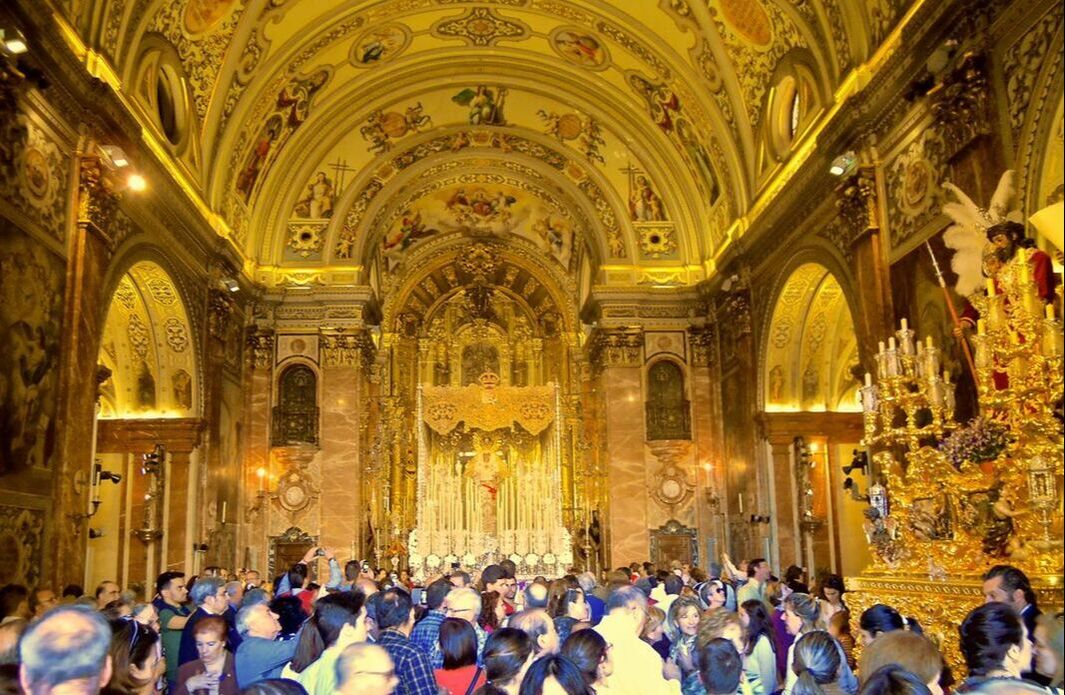
The role of women in Seville got an additional boost in the 16th century, when some Protestant Reformers hinted that veneration of the Blessed Virgin had become excessive, possibly bordering on idolatry. Spain instantly doubled down, using devotion to Mary as a rallying cry to unify the country that had just come together again after Moorish occupation. Mary’s image appears everywhere — from mosaics in plazas to paintings in bars to the life-sized statues of
Semana Santa
(Holy Week).
One of the most famous of those statues is the Virgin of the Macarena, which has real human hair, wears real undergarments, and supposedly cries real tears. When I asked an agnostic Spanish friend about this, she snorted in derision. “What happened was this. Some drunk went in one night and pitched a bottle of wine at her. The wine ran down her cheeks, creating tracks that looked like tears. And everyone thought it was a miracle.” Be that as it may, the Virgin of the Macarena is one of the most famous among the dozens of
Semana Santa
Virgins, and you’ll see plenty of real tears on the cheeks of devotees watching her being carried through the streets.
And yes, before you ask, it’s true Seville gave the world the 1993 dance song “Macarena,” written by local duo Los del Río about a namesake of the Virgin of the Macarena. It instantly became a staple at weddings everywhere — you’ve probably danced to it yourself. In 2002 it was considered the
#1 Greatest One-Hit Wonder of All Time
. By 2017 it was such a cliché it was #2 on the
Most Banned Wedding Songs
list (second only to “The Chicken Dance”). Some say the song “Macarena” is just one more piece of its checkered past that the city needs to atone for.
One of the true pleasures of spending time in an ancient city is finding the layers of history that infuse every part of the landscape with meaning. If one day you find yourself on Isabel de Baena Street, María de Virues Street, or Francisca de Chaves Square, be sure to pause and feel grateful that the Inquisition is over. It hung on for centuries and was only officially abolished in 1834. Today you are free to believe whatever you wish, including the tall tales told about queens, concubines, aristocrats, witches, saints, and the countless other women who continue to shape the colorful history of Seville.
If you aren’t already subscribed, sign up to receive weekly updates & travel tips.
SIGN UP HERE
FOR MORE LOONY STORIES ABOUT SEVILLE, CHECK OUT MY AMAZON BEST SELLERS

Leave a Reply