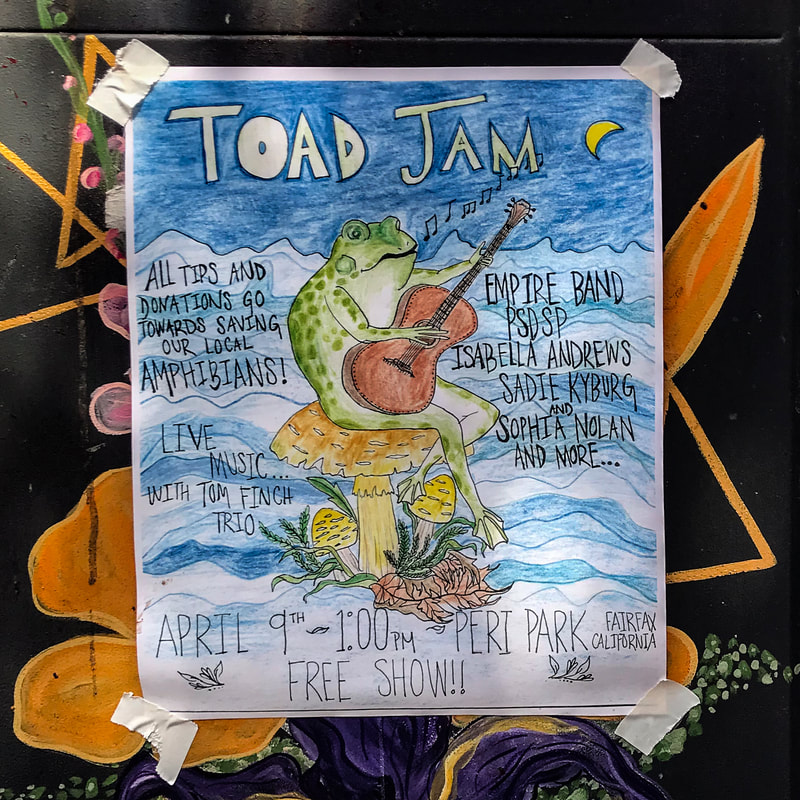

“Have you seen the ads for Toad Jam?” Rich asked excitedly. “It looks great!”
For one hideous moment I thought he was talking about some sort of marmalade made with mashed-up amphibious creatures, and I felt I had to draw the line. Oh sure, I’d eaten frogs legs a few times, and once fried flies in Thailand, but this seemed more worrying. More … slimy.
“Look,” he added. “There’s the poster.”
Oh thank God, I thought. It’s a jam
boree
. “Do you think there will be actual toads playing music?” I asked hopefully. “Or singing?”
“No, but apparently the amphibians get to keep the money being raised.”
“Fair enough,” I said. “They are going to need it.”
Countless toads, frogs, and newts are singing the blues these days, as the coastal marshes they once called home are disappearing under the rising sea. This is bad news for California’s human habitats, too. Wetlands protect us against storm surges; without them draining the overflow, hurricanes and rainstorms can — as New Orleans learned to its cost — become catastrophic floods. Marshes also absorb carbon, and heaven knows we don’t need any more of that roaming free to pollute the atmosphere. Local high school senior Aidan O’Reilly decided to do something to help protect the wetlands, our amphibian-American neighbors, and incidentally all of us.
In an exclusive interview, Aidan told me the concert was the result of an assignment by his environmental science teacher. “He basically tasked all of us in the class to go out and find an environmental issue that we could plausibly solve or help. And I thought to myself, I really like music and I really like frogs so I should do something with that.” He took the idea to a town hall meeting, got other high school musicians involved, and last Saturday, Toad Jam had its day.
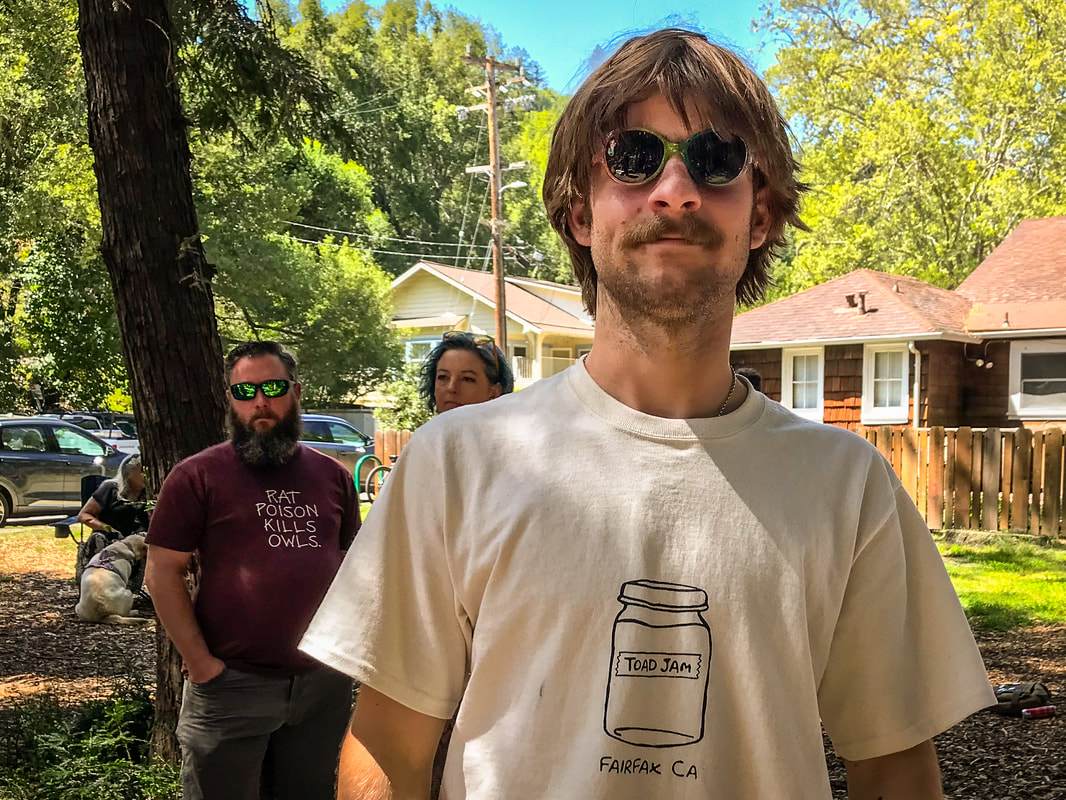
I liked the backstory, but to be honest, wasn’t expecting to enjoy the event itself. I find I’m not always in tune with the musical tastes of high school bands these days. But as it turned out, the music was heavenly: rich in harmony, spiced with sass, and at one point featuring Aiden on stage with a band that included his 70-year-old dad. The rapt crowd included high school students, gray-haired oldsters in tie-dyed shirts, families, little kids racing around, and dogs somehow snoozing through the uproar. It was my kind of party.
Best of all, listening to that music under those redwoods gave me a powerful upsurge in something that’s been in short supply lately: hope. In my frustration at the way world leaders are squandering the dwindling opportunities to keep our planet habitable, I sometimes forget just how many people and communities are dedicated to the idea that since humans are changing the planet, it might as well be for the better.
Environmental protection projects — some brilliant, some risky, some on the far side of fringe — are springing up worldwide. My home town of
Menlo Park was the first city in America to commit itself to becoming carbon neutral by 2030
. (Way to go, Menlo!) The Dutch city of Rotterdam has constructed the
world’s largest floating office building
, with 48,500 square feet of workspace riding on pontoons that will rise with sea levels. In other news, whale feces are being eyed as a resource for
boosting the population of CO2-eating phytoplankton.
Whatever it takes!
And then, of course, there’s Katy Ayers and her
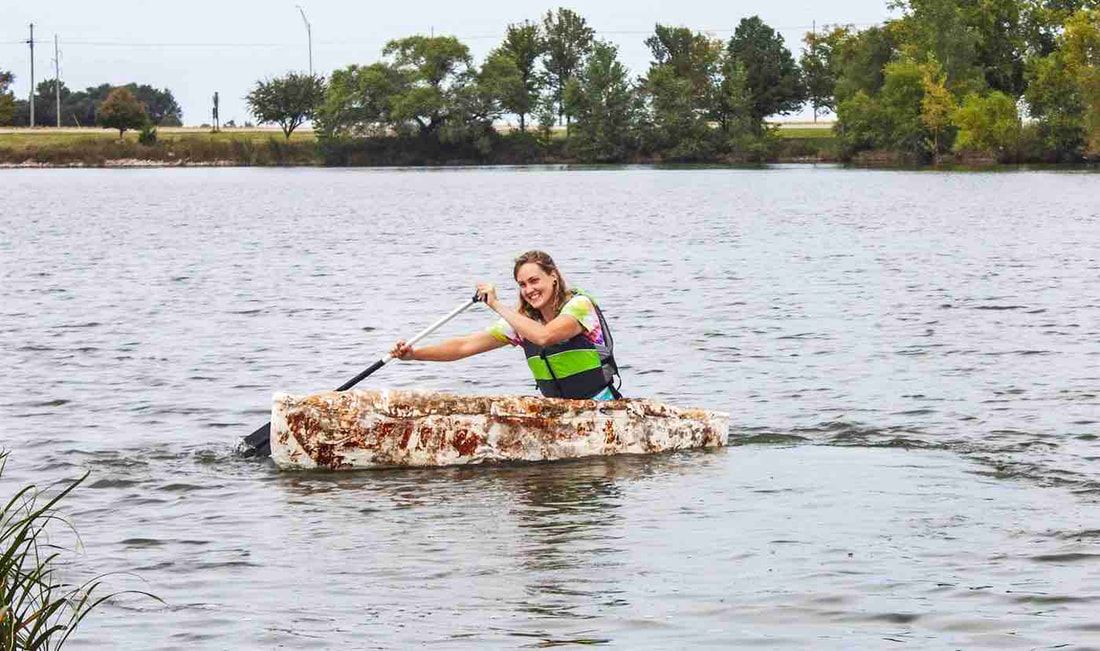
canoe made of mushrooms
.
“Mushrooms are here to help us — they’re a gift,” says the Nebraska college student. “They’re our biggest ally for helping the environment.” If you think mushrooms’ greatest contribution to human happiness occurs on top of pizza, think again. Fungi are now biofuels, building materials, furniture, textiles, and more. Ford is using them to make
compostable car parts
.
Ikea has devised mushroom-based packaging
that will decompose in weeks, replacing polystyrene that lingers in landfills for centuries. But don’t worry, despite their newfound popularity, good old-fashioned edible mushrooms are still plentiful and still one of America’s favorite pizza toppings, second only to pepperoni.
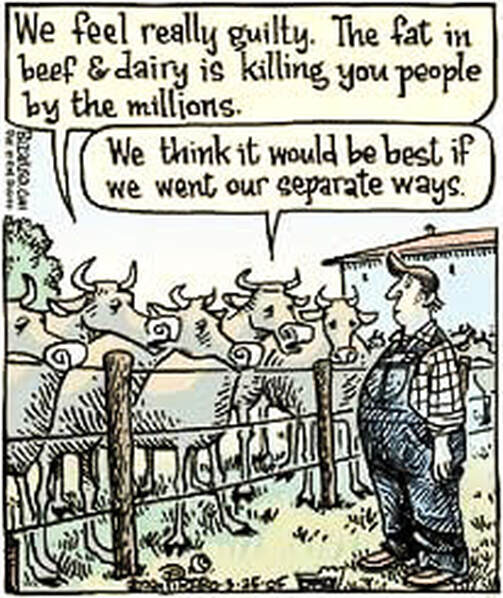
Which brings us to the subject of meat. As you may have heard, eating less red meat is better for you, for the planet, and of course, for all those animals who are at home right now praying for an upswing in vegetarianism.
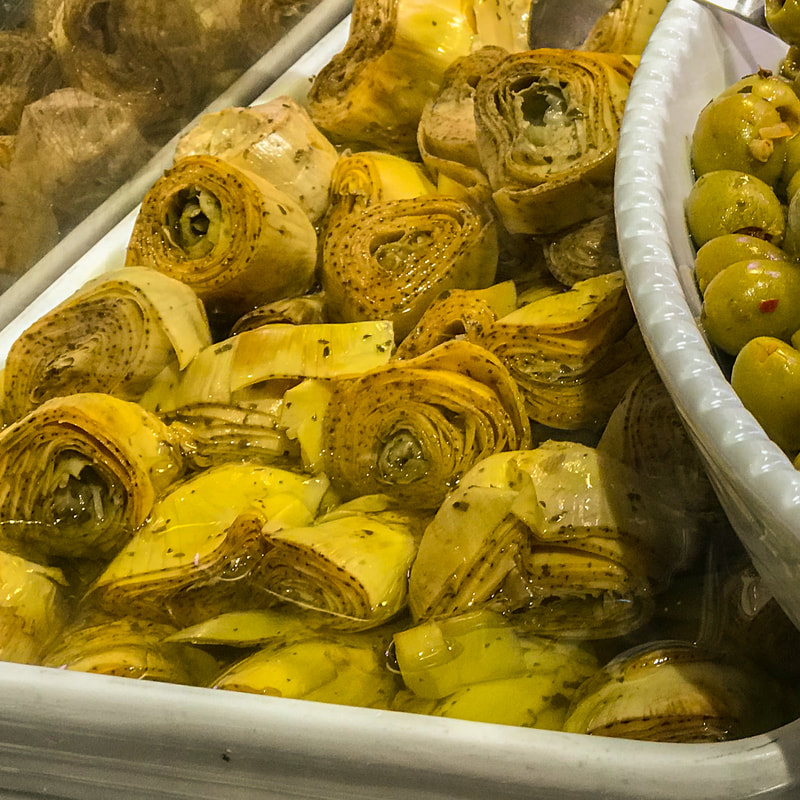
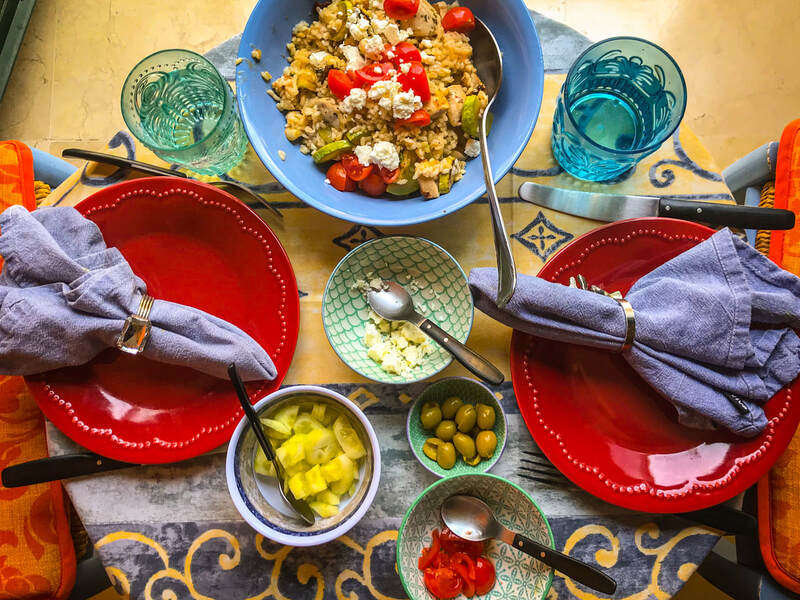
I was a vegetarian for years but gave it up as impractical when I moved to ham-loving Seville. Although it’s easier when I’m here in California, a 100% plant-based diet is no longer for me. When I’m researching a diner, dive bar, or road house, I don’t really feel I’m getting the full experience if I restrict myself to French fries or a cardboard veggie burger that’s been languishing in the depths of their freezer since the 1980s. But I am reducing my meat intake — and that of my carnivore husband. Rich, who has patiently adapted to my various food crazes, is willing to be seduced into meatless Mondays if the food is yummy enough. Here are three of his very favorites, to tempt you and yours.
Afghan Vegetables with Apples and Honey
Mediterranean Vegetables with Dried Apricots
Avocado Pesto with Broccoli and Pasta
I realize that my eating more broccoli isn’t going to pull the environment back from the brink of bio-disaster. But I think it’s time for an all-hands-on-deck approach, with all of us doing what we can individually and locally, as well as agitating for large-scale solutions.
We often talk about winning the battle against climate change, as if it were this generation’s D-Day. But according to scientists such as UC Berkeley climate professor Kristina Hill, a quick, decisive victory is not on the horizon. “Sea level rise, for example,” she told NPR, “is now projected to happen even if we stopped every molecule of CO2 from leaving human activities and livestock today.” Most likely the West Coast will see the Pacific rise four to six feet by the end of this century. According to Hill, when it comes to war metaphors,
we’re not at D-Day, we’re at Dunkirk
. Our beleaguered planet is going to need a flotilla of volunteers to adapt, rescue those in danger, and buy us time to come up with long-term strategies that can turn the tide.
I do believe that in the end we will prevail. Humans are very, very clever creatures. We harnessed fire, domesticated plants and animals, walked on the moon, and invented the chocolate martini. We’ll get this done eventually, too.
Toad Jam wasn’t a major leap forward in saving the planet. But it was tremendous fun and left me feeling a tad more cheerful about the environment. These teens know they’re in danger, and — like the young people who fought at Dunkirk and helped with the rescue mission — they are prepared to do something about it. Thanks to Toad Jam, our endangered wetlands are a tiny bit safer today, and so are the toads, frogs, and newts who live there. And that’s one reason I have hope for the future.
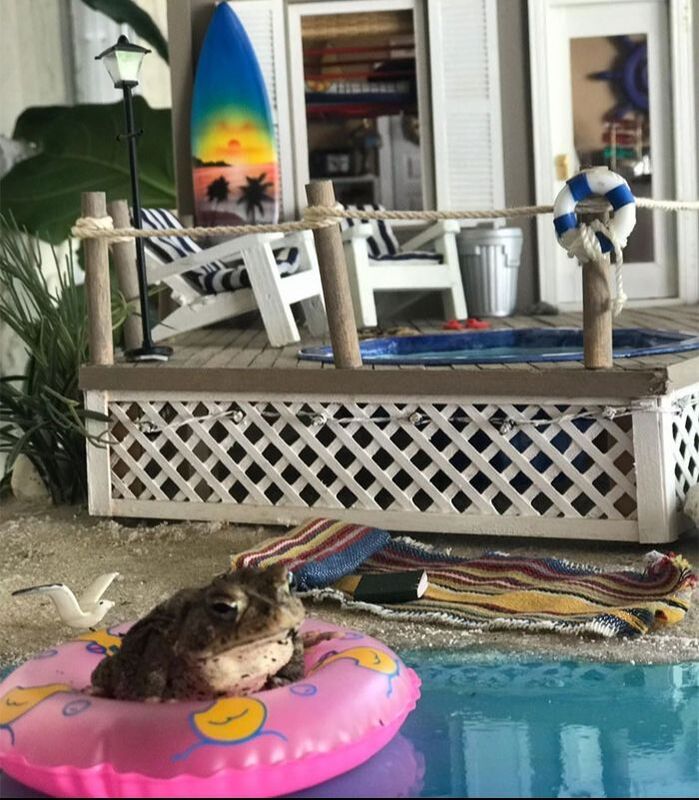
“As a toad, water is my life!” Photo by Savannah Mikell, who noticed this amphibian visitor kept coming around. She brought out an old doll house and posed him for a few photos, which went viral. Toby now has his own Instagram page with 80,000 followers.
Sign up to receive free weekly updates & travel tips.
LEARN MORE HERE
MOUTHWATERING MEATLESS MEALS
FAVORITE FOODS FROM THE QUARANTINE ERA
MEDITERRANEAN COMFORT FOOD RECIPES
Leave a Reply