“I love to see a young girl go out and grab the world by the lapels,” wrote
Maya Angelou
. “Life’s a bitch. You’ve got to go out and kick ass.” Last Saturday, I had a rip-roaring time watching young girls, mature women, guys of all ages, and various broncos and bovines — all kicking some serious ass. Rodeo riders flew through the air and crashed to the ground with alarming frequency and bone-jolting thuds. Incredibly, every one of them leapt back onto his feet, grinned, bowed to the crowd, and ran off to chase down his escaping horse, with sympathetic applause ringing in his ears.
I was at the
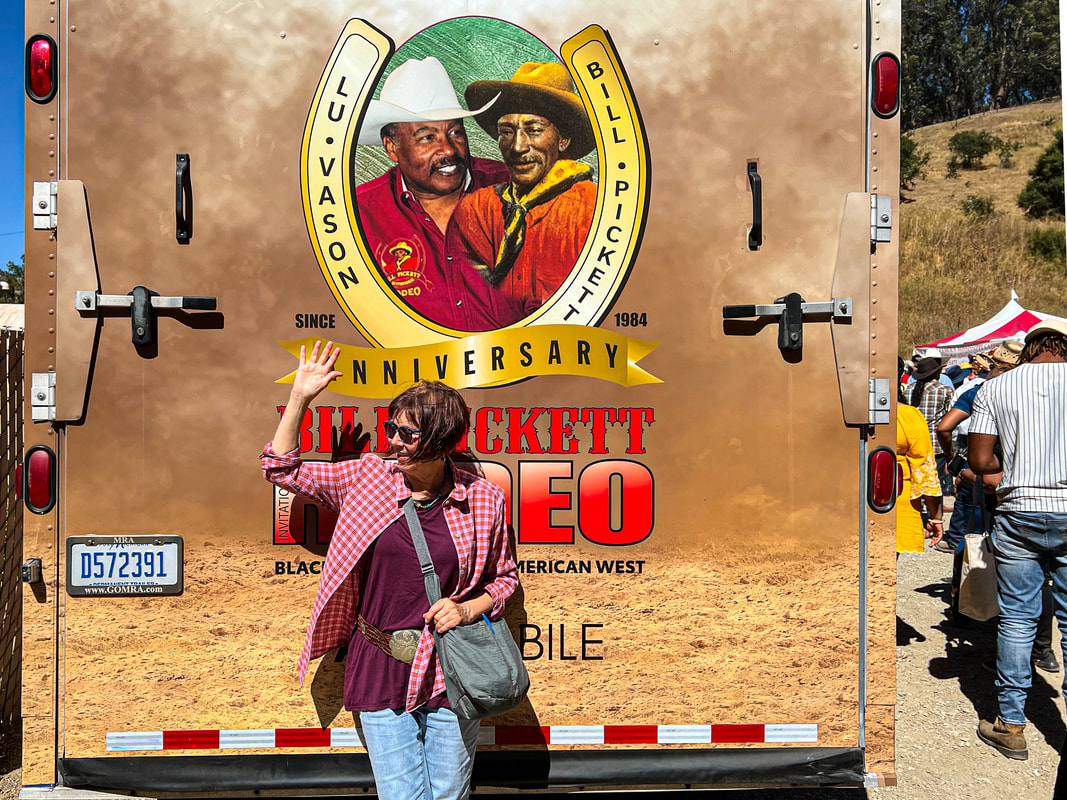
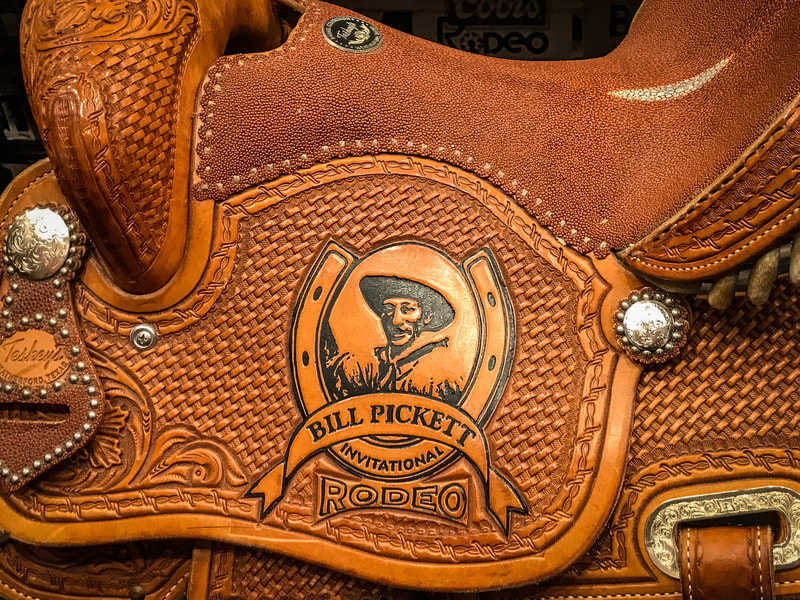
Bill Pickett Invitational Rodeo
, dubbed “One of the Greatest Shows on Dirt.” America’s only touring African-American rodeo is a rollicking good time, two days of riding, roping, barrel races, and bucking broncos. Growing up in the West, I’ve attended plenty of rodeos; as a youngster I even rode in a few kids’ events. I remember just enough to appreciate how skilled the performers were — and to recall what it’s like to go flying off a horse just when you least expect it.
Why an African-American rodeo? I’m so glad you asked. It turns out
25% of cowboys in the Old West were Black
— I know; the movies never tell you that, do they? — and now their descendants are reclaiming their heritage.
Thousands were brought west as slaves to drive cattle over long distances to northern markets. After Emancipation, many hired on to do the same work as free men. The pay was lousy, conditions were rough, and prejudice abounded. But lots preferred the cowboy life to the jobs they’d likely find in cities, such as making deliveries or operating elevators.
“The word cowboy was first used in the West to describe slaves,” says Larry Callies, founder of the
Black Cowboy Museum
in Texas. “There were house boys, field boys, and cow boys.” White men doing the same work were called cow punchers, cattle men, or cow drivers. But when Hollywood — never a stickler for accuracy — started making Westerns in 1903, writers decided cowboy was catchier, and it stuck.
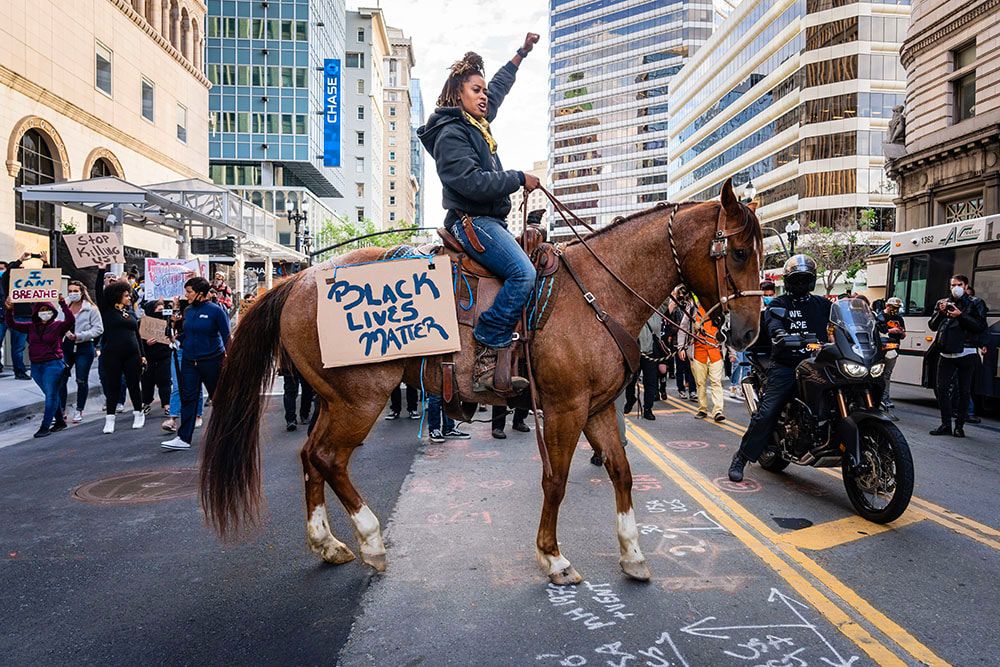
“The Black cowboy wasn’t misunderstood. He was left out and unspoken about,” says Callies. And that goes double for Black cowgirls. “My entire life I’ve been ignored,” says Brianna Noble. “The only time I have not been ignored is when I am sitting on the back of a horse. It seems like nobody can ignore a Black woman on a horse.” When Noble rode at the head of a Black Lives Matter protest in Oakland in 2020,
she made headlines around the world.
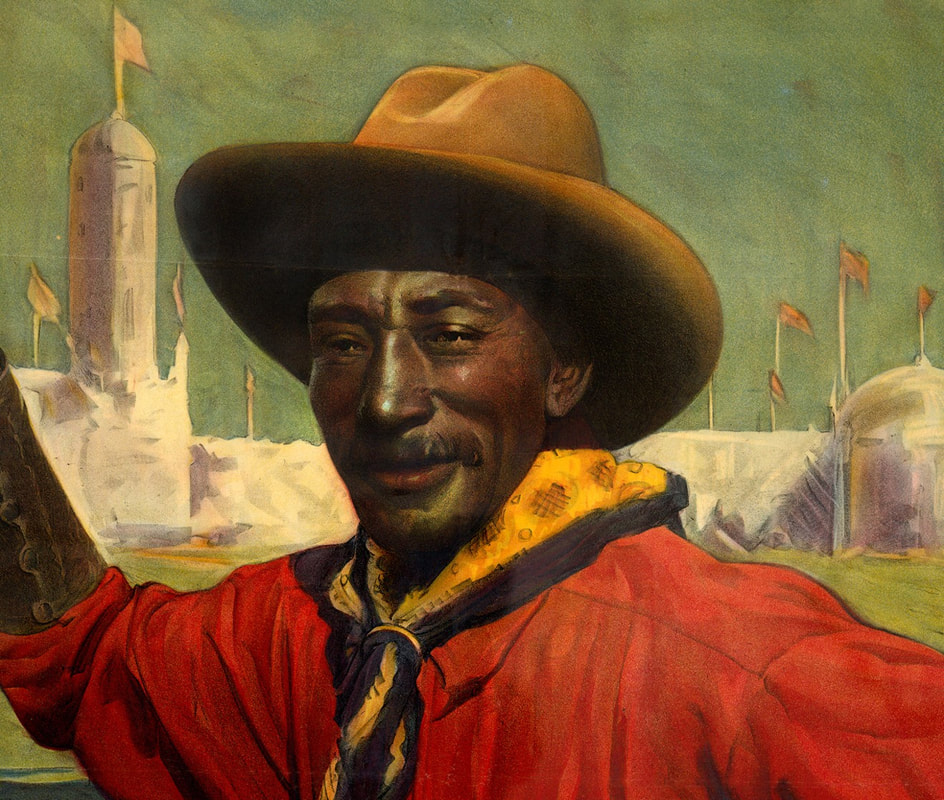
When railroads made long cattle drives obsolete, many Black cowboys joined the rodeo circuit. One of the most successful was Bill Pickett, who invented a type of steer wrestling known as bulldogging. Inspired by the way cattle dogs subdued unruly animals, Pickett would spring from his horse, bite the bull on the lip, and fall over backward, taking the startled animal down with him.
It was a real crowd pleaser, as you can imagine. Inexplicably, the lip-biting technique has been dropped from modern bulldogging; apparently today’s cowboys aren’t keen. Go figure. And tenderhearted readers concerned about animal safety will be happy to learn a recent study showed
the chances of the bull being injured
during steer wrestling (with or without biting) are just four one-hundredths of one percent
— 0.0004.
Pickett became a celebrity, starring in rodeos, making movies, and performing for the British royal family. In 1989 he became the first Black cowboy inducted into the
ProRodeo Hall of Fame
. When Colorado promoter Lu Vason decided to launch an all-Black touring rodeo in the 1980s, choosing the name was a no-brainer. Vason passed in 2015; his widow, Valeria Howard-Cunningham, is now CEO.
To open Saturday’s rodeo, the announcer’s voice boomed out, “Please stand for the
Black National Anthem
.” Didn’t realize there was one? You’re not alone. But every one of the 5,000 people at the rodeo that day knew it; all stood respectfully, and lots sang. We continued standing, heads bared and bowed, for the
Cowboy’s Prayer
. And then the fun began.
Horses and riders poured into the ring. One cowboy held the
African-American flag
, another the Stars and Stripes.
Buffalo Soldiers
sported uniforms honoring nineteenth century Black regiments.
Within minutes somebody took a tumble off his horse, and everyone leaned forward to watch, enthralled, as the frisky beast raced around eluding capture for quite some time.
That rider wasn’t the last to go flying off into the dust, especially during the
bronc riding
. Originally testing the skills needed to break a wild horse to saddle, this involves jumping on the back of a semi-feral horse that’s trapped in a chute then released. It’s goal is to fling you off as soon as possible; yours is to cling on, one handed, for eight seconds. Lots of horses came out the winner in this event.
Calf-ropers
, who ranged from 72 to 12 years old, each lassoed a calf, leapt to the ground, and tied its legs. The youngest rode like greased lightning — or as the announcer put it, “He’s so fast he could play ping pong with himself.”
The
barrel races
were equally thrilling, with competitors tearing around metal drums in a cloverleaf patten. One contestant was a grandmother who’d suffered a stroke. “What got her through,” said the announcer, “was her determination to be well enough to compete in this event.” She rode into the ring looking stiff and uncertain; the horse, picking up her hesitation, sidled a little.
“That’s all right,” said the announcer affably. “You just take your time. No rush.”
The crowd seemed to hold its breath. And then the rider collected herself, touched her heels to the horses flank, and they were off. She didn’t set any land speed records, but it was a respectable showing, and she earned a rousing cheer.
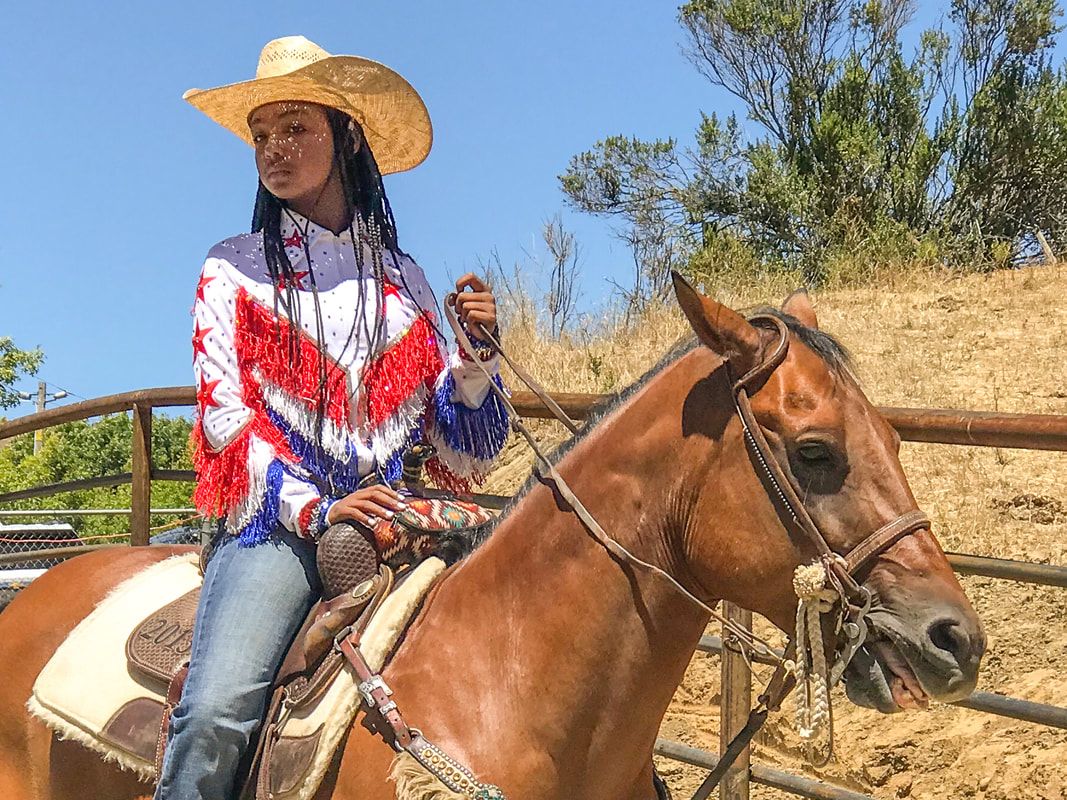
Everyone seemed to be enjoying themselves hugely. This was very much a family event, with little kids underfoot, girls and women dressed up in their flashiest Western wear, guys showing off cowboy boots and Stetsons, and lots of steely-eyed grandmothers making sure even the most obstreperous toddlers and teens behaved themselves. In an era when every Little League game seems to degenerate into fistfights, lawsuits, and death threats, it was tremendously heartening to be in such a peaceful, easygoing crowd. An atmosphere of kindness, respect, and good humor prevailed throughout the day, and I was treated with friendliness at every turn.
My only disappointment was that the stalls selling barbecue, catfish, and fried chicken had such long lines that I never did get lunch; Rich and I had to survive on
kettle corn
and beer. As I left, people waved and said they hoped I’d come back next year. You bet. I marveled again at life’s serendipity. I’d happened on a story about this rodeo, gone on impulse, and gotten back some of my faith in humankind, just when I needed it most. Once again
Ralph Ellison’s
words rang true for me: “The world is a possibility if only you’ll discover it.”
RODEO SCHEDULE: LA, ATLANTA, FORT WORTH & DC
THE NEW BLACK WEST
MEET THE MAN WHO MET BIGFOOT
Well, that was fun! Want more?
Sign up to receive updates when I publish new stuff.
LEARN MORE ABOUT FREE UPDATES HERE
Or just send me an email and I’ll put your name on the list.
[email protected]
Leave a Reply