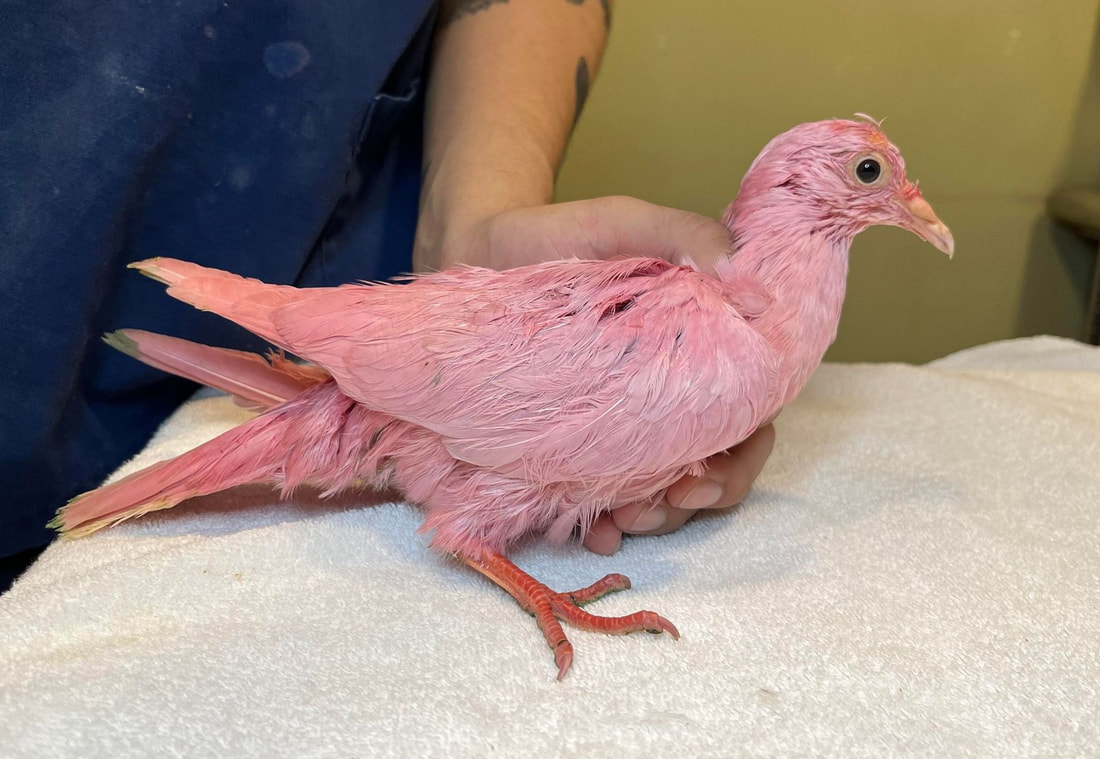



Somewhere in Manhattan an expectant couple is keeping very, very quiet about being the ones who dyed this young domestic pigeon pink, most likely for a gender reveal party, then abandoned him downtown. He did not fare well, being unable to fly, unfamiliar with foraging for food, and an obvious target for every street-savvy bird and beast in New York City. A kind human found the dazed, confused, malnourished creature wandering about and took him to an animal shelter, where he was named Flamingo.
Photos of Flamingo’s hot pink makeover went viral, and everyone is rushing to condemn this “birdbrained” act of “fowl play.” I can only assume the perpetrators are in the process of moving to another city and changing their names, muttering to one another, “It seemed like such a good idea at the time…” and vowing never, ever to tell their daughter about it.
Human history is filled with stories of far more bonehead moves — just ask the manufacturers of the
Titanic
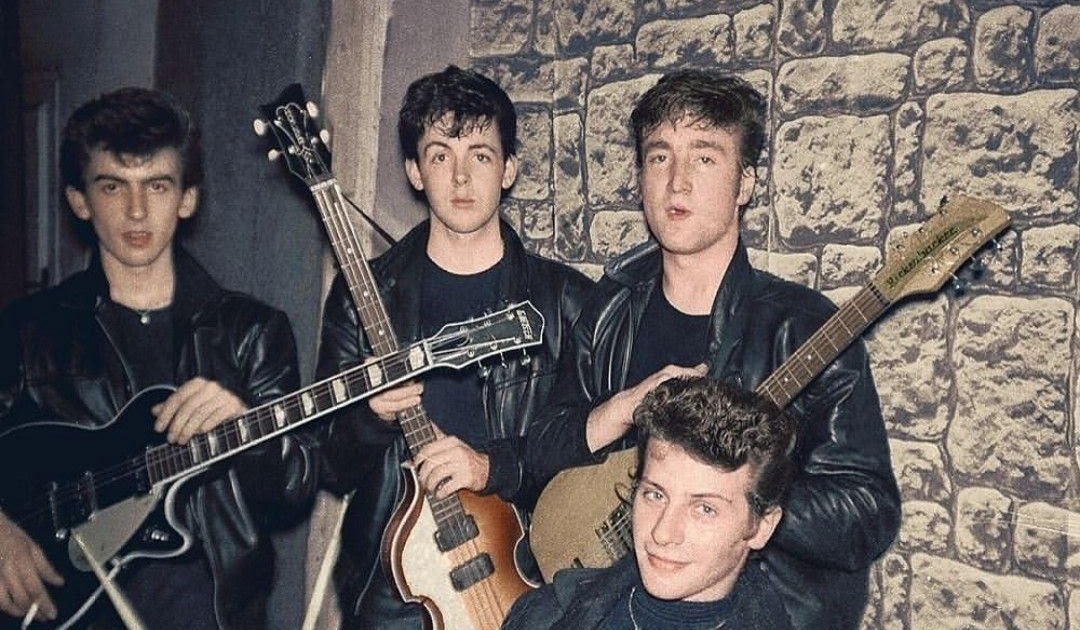
, the Russians who sold Alaska to the US at 2 cents an acre, the Incas who thought Europeans didn’t pose much of a threat, and Decca Records, who turned down the Beatles in 1961 saying “guitar groups are on their way out.”
Yes, we humans have a remarkably high error rate, but there is an upside. Scientists say mistakes are “
a major driving force in evolution
.” It’s how nature tries out new ideas, and our survival has often depended upon recognizing the opportunities offered by these unexpected detours into unknown terrain. As Alexander Fleming learned, today’s contaminated petri dish is tomorrow’s penicillin.
Which is why I was charmed this week to learn about
The Museum of Failure
created by
a psychologist named Samuel West.
Worries about screwing up, he says, are a major obstacle to innovation. “We have to accept failure because it usually takes several iterations before we get things right; most experiments fail,” he says. “You fail but you gain insight, build on it, try a different version, tinker, and come back again with something better. That’s the sweet spot right there.”
No one knows this better than Thomas Edison, who was
famous for his early flops
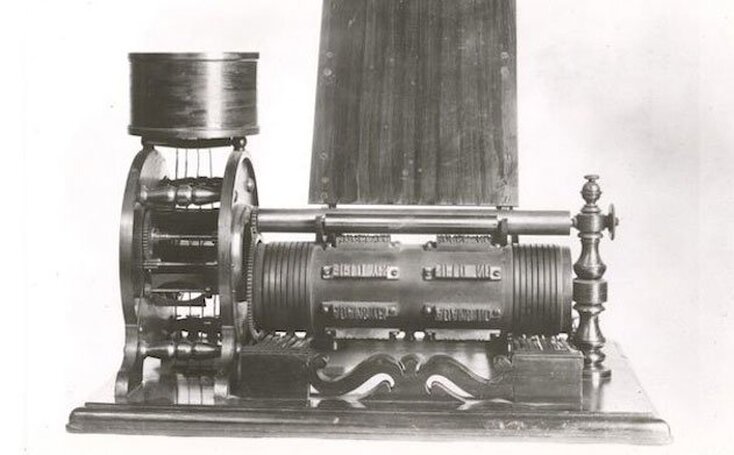
including the noisy and bulky electric pen, the fragile tin-foil phonograph, and the talking doll whose voice was “just ghastly” according to consumers. Asked if he was disappointed about these and other inventions that backfired, Edison said, “I have not failed 10,000 times — I’ve successfully found 10,000 ways that will not work.”
“Edison’s not a guy that looks back,” says Leonard DeGraaf, archivist at the Thomas Edison National Historical Park. “Even for his biggest failures he didn’t spend a lot of time wringing his hands and saying ‘Oh my God, we spent a fortune on that.’ He said, ‘We had fun spending it.’”
Learning from each miscalculation, Edison went on to become one of the most successful innovators in American history. Meanwhile others successfully piggybacked on his debacles. The ill-fated electric pen worked by poking holes in the paper, essentially creating a stencil for making duplicates. Albert Dick saw the possibilities, bought the patent, and used it as a springboard to create the mimeograph duplicator — cutting edge technology in 1887.
Not all the misguided inventions in the Museum of Failure have that kind of happy ending. Let’s face it, no matter how you tweak them, nobody’s going to buy purple ketchup, Google glasses, or any DeLorean that doesn’t come equipped with a flux capacitor for time travel.
We may not want these failed products, but we have to admire the courage and imagination that went into creating them. They’re the eccentric brainchildren of free spirits who weren’t afraid to think big and way, way outside the box. In a word, nutters.
The subject of nutters has been on my mind a lot lately, as the
Nutters Tour
(my pilgrimage to oddball places) is slated to start next month. For a while I wasn’t sure I’d be well enough to go, but luckily my respiratory infection is finally on the wane. Friends who have had this variant assure me that the lingering cough will almost certainly disappear by July, September at the latest.
Initially our primary objective was Italy, but as we began to lay out a rough itinerary, Rich and I kept hearing about places in Spain that we wanted include along the way. How could we pass up the legendary man-eating lizard of Jaén? Or Oviedo’s cathedral that houses the Holy Arc containing a sliver of the True Cross, pieces of the Crown of Thorns, bread from the Last Supper, drops of the Virgin’s milk, and one of the jars from the wedding feast of Cana? On the other end of the spiritual spectrum, there’s Zugarramurdi’s
Witchcraft Museum
and the nearby cave used for orgies. Worth a look, no?
But what about Spanish inventors, you ask? Oh yes, there have been plenty, and they’ve given the world such memorable products as the first alcoholic beverages, modern surgery, the Gregorian calendar, remote controls, eyeglasses, the fully pressurized space suit, and hot chocolate, to name but a few. Sadly I have not yet discovered museums honoring all of these accomplishments, but I have discovered the
Corncrib Museum
, where, their website assures me, “the visitor will be able to immerse themselves in the magical world of granaries.” Who could resist?
It dawned on me that the cornucopia of human nuttiness merits a more broad-based approach. So Rich and I have decided to begin the Nutters Tour with a month’s journey through Spain. After that we’ll head to the US for the summer, where we feel confident that California’s nutter community won’t disappoint; I’ve already earmarked the school that teaches dogs to surf. We’ll return in September for our Nutter’s Tour of Italy and make our way back to Seville in October. Watch this space for details.
But for now, I want to extend my apologies to Flamingo. On behalf of all humans whose creative urges outpaced their common sense and sensitivity to consequences, I want to say I’m sorry. You didn’t deserve to be dyed pink, left homeless on the streets of New York, and named for another bird family. On a happier note, we can all be grateful to the good Samaritan who rescued you, demonstrating once again that occasionally, on a good day, the kindness of strangers is still a thing. And if it helps, you can be grateful it wasn’t worse. At least they didn’t make you do this.
I don’t know why Edison decided to film cats boxing, but you won’t be surprised to hear it was among his least successful projects.
THAT WAS FUN. WANT MORE?
Subscribe to receive notices when I publish my weekly posts.
Just send me an email and I’ll take it from there.
[email protected]
And be sure to
check out my best selling travel books here
.
WHAT IS YOUR CAR SAYING ABOUT YOU?
JUST HOW SMART ARE PIGEONS?
WHAT’S THE NUTTERS TOUR ALL ABOUT?

Leave a Reply