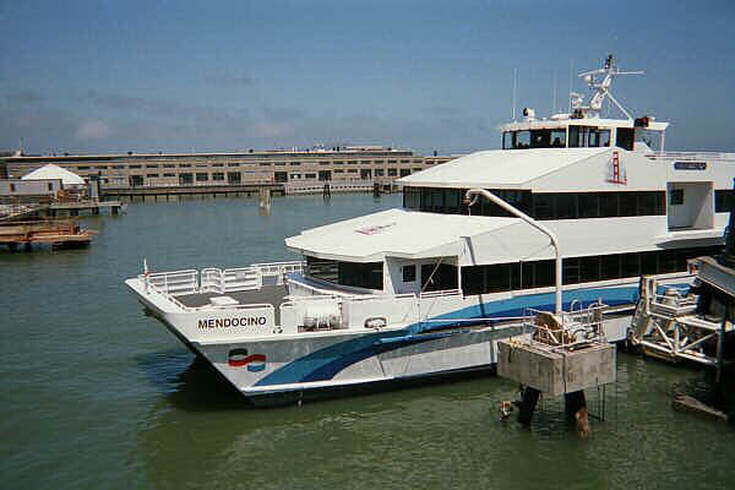


So Rich and I are racing back to the San Francisco Ferry Building in hopes of catching the early boat home when we are stopped by an old, shaggy curmudgeon who wants to pick a fight with our Waymo driverless taxi.
First he stands in its path, glaring furiously at the empty driver’s seat. Strict programming protocols make it impossible for the vehicle to move. I pass the time picturing the ferry pulling away without us. Then the curmudgeon reaches over and dislocates the driver’s side mirror, bangs on the front passenger window, and punches the trunk a few times. So there! I feel lucky he’s not urinating on the tires.
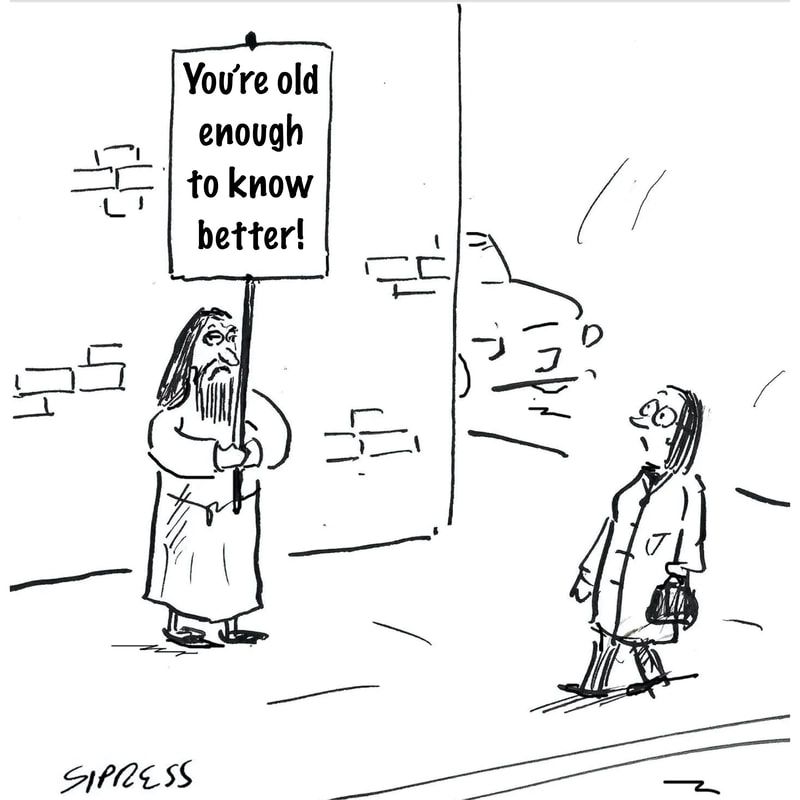
When he moves off, our Waymo rolls forward another few yards to the curb, and Rich and I spring out. The curmudgeon yells at us, “You’re old enough to know better!”
As if we’d rehearsed it, Rich and I reply in unison, “So are you, sir!”
“You’re a disgrace to the human race!” the curmudgeon hollers.
Rich tosses out another “So are you, sir!” but I’m too breathless to engage in any more amusing banter as I trot toward the dock. Luckily, the boat is running late, and we make it with minutes to spare.
As we drop into our seats Rich says, “A disgrace to the human race?”
“That nutter is clinging to the past when he’s already living in the future. He feels his world is sliding out of his control.”
And don’t we all feel that way sometimes? Shortly before he sold America’s very first gas-powered car in 1898, Alexander Winton was told by his banker, “You’re crazy if you think this fool contraption you’ve been wasting your time on will ever displace the horse.”
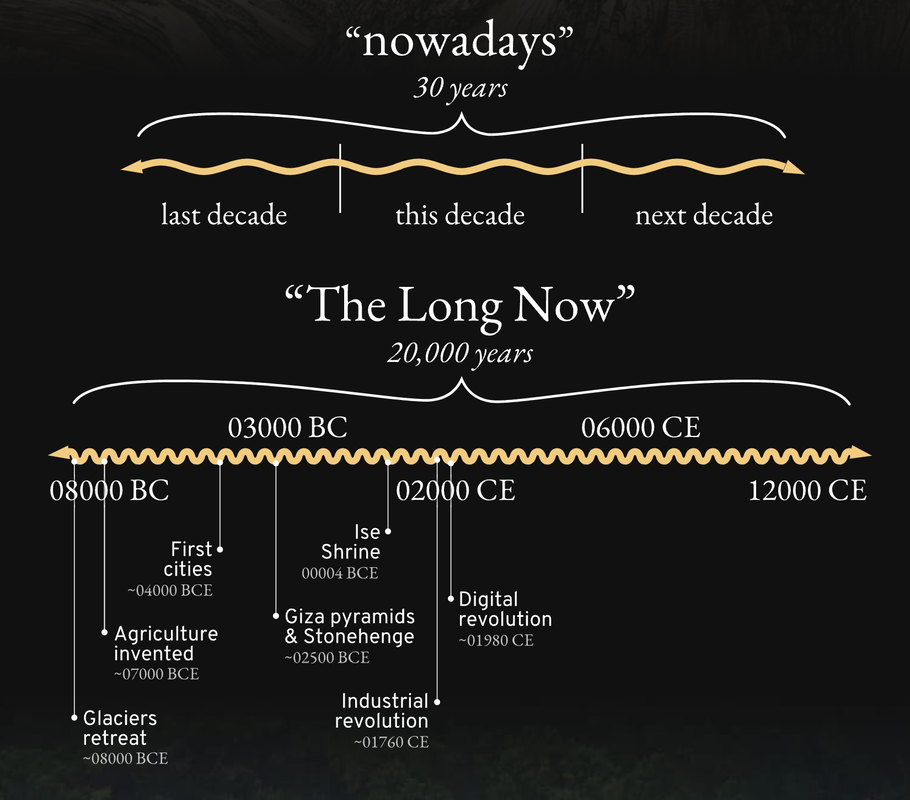
We’re all struggling to accept a future that’s dizzyingly different than expected. Which is why Rich and I had spent the morning in the headquarters of a group of futurists devoted to thinking about the next 10,000 years. We thought it might lend some perspective.
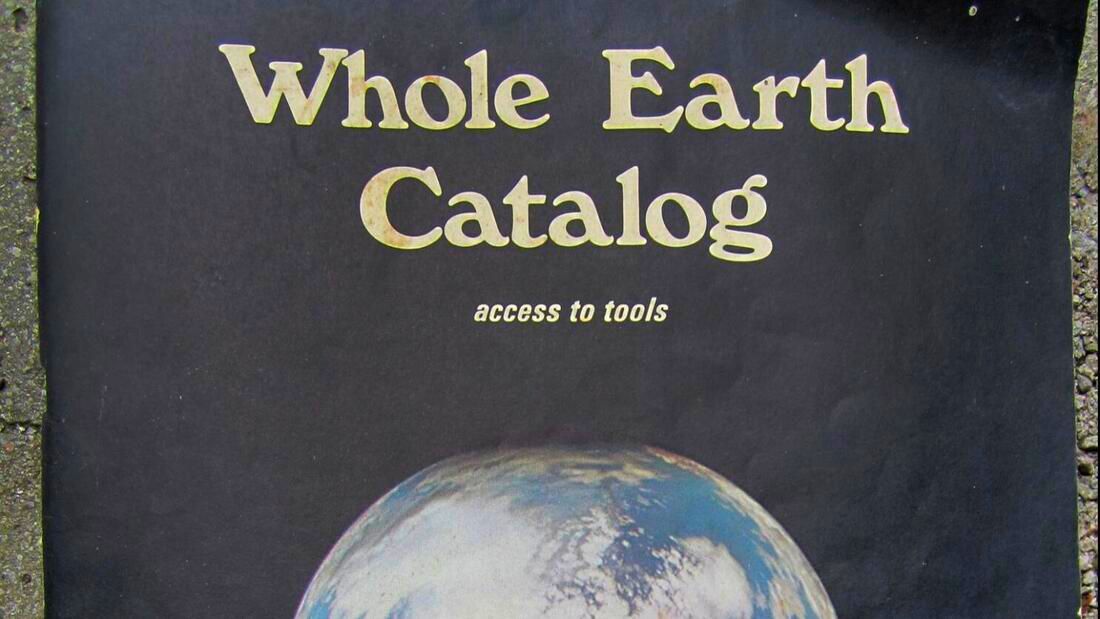
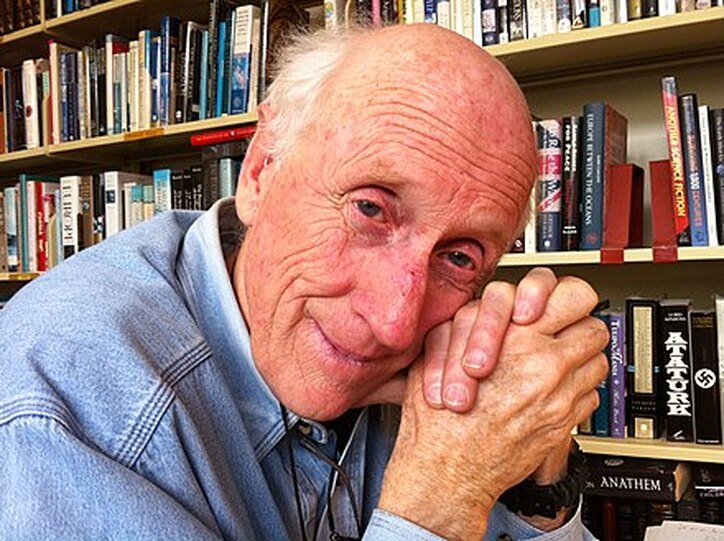
The leader of this merry band of imaginators is Stewart Brand, creator of the 1960’s iconic
Whole Earth Catalog
. “It was one of the bibles of my generation,” Steve Jobs said in his 2006 Stanford commencement address. “It was sort of like Google in paperback form, thirty-five years before Google came along. It was idealistic, overflowing with neat tools and great notions.” He told the graduates his wish for them was encapsulated in the final sign-off on
Whole Earth’s
last issue: “Stay hungry. Stay foolish.”
I imagine those Stanford grads rolling their eyes and wondering how that would help them repay $100,000 in college loans. But I was glad he said it anyway.
In the year he likes to call 01996, Brand gathered like-minded visionaries to create The Long Now Foundation, which aims to provide a counterpoint to today’s “faster/cheaper” mindset by promoting “slower/better” thinking.
They launched all sorts of quirky projects: the 10,000 year clock hidden in a remote West Texas cave; the Rosetta Disk, etched with 13,000 teeny tiny pages of information in 1500 human languages; and a library attempting to address the question, “What books would you want if you had to restart civilization from scratch?” Along with, “Where do you house the collective wisdom of our species?”
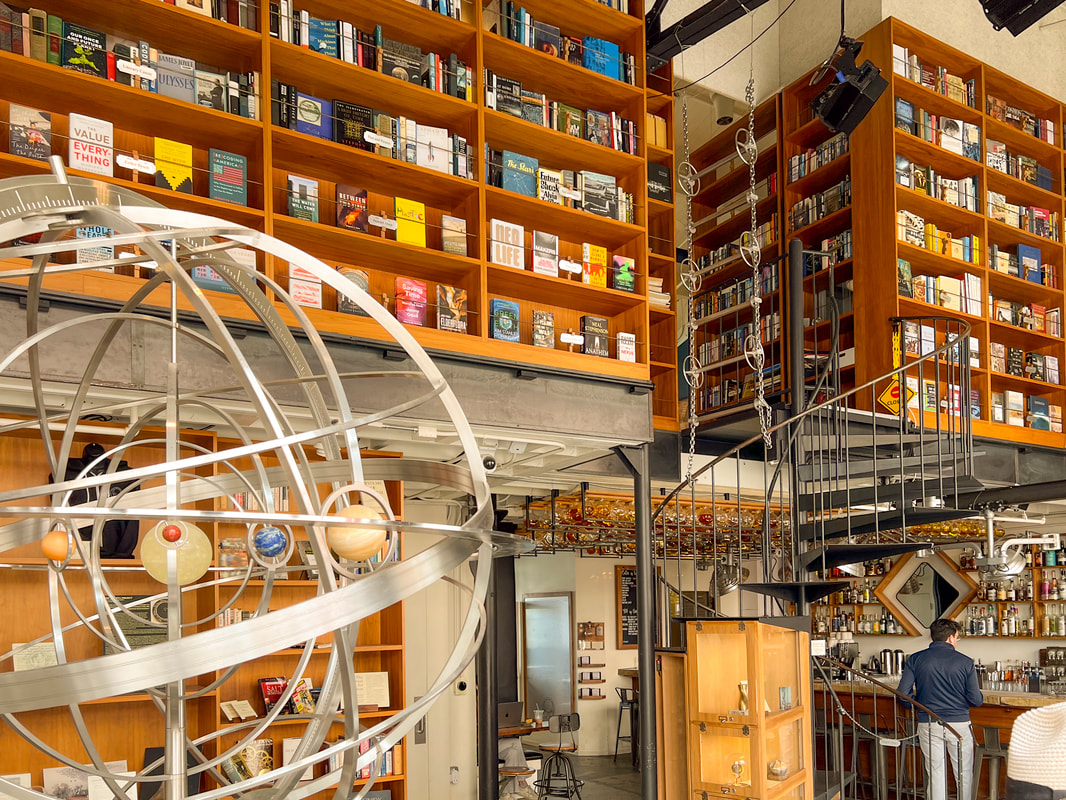
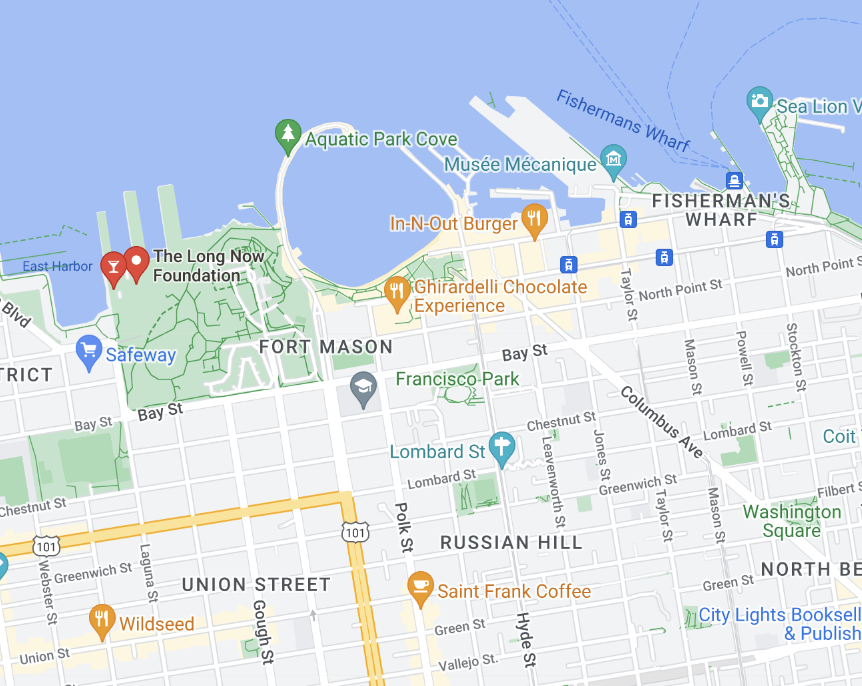
The answer to this last question is: in a café-bar on an old decommissioned military base on San Francisco’s north coast. The Interval is part of the Fort Mason Center for Arts and Culture and serves as a library, gathering space, and mothership for the Long Now Foundation.
“Just as Stonehenge and the Pyramids help us imagine our long past, The Clock invites us to image our long future,” says Danny Hillis, who helped design the clock and, in his day job, developed the concept of parallel computers that is now the basis for most supercomputers (and please don’t ask me what any of that actually means).
Overhead are books about science, technology, art, and the future, including — I was delighted to learn — such
banned books
as
Dune, Brave New World
, the Hugh Howley novels that inspired the TV series
Silo
, and of course,
The Time Machine
by HG Wells. On lower shelves are a hundred well-thumbed books that we were invited to browse through while enjoying our cappuccinos.
“Do you know Stewart Brand?” I asked the young barista.
Her whole face lit up. “Yes, he’s like a ball of sunshine. He is so full of life and energy.”
How do some people manage to scamper into old age bright-eyed and bushy-tailed? I’ve given the question considerable thought, and I’m not the only one; social scientists are studying clusters of such oldsters, known as the Blue Zones. You may have read
Dan Buettner’s books
about them or seen the Netflix documentary
Live to 100
.
Long-time readers will remember
Rich and I visited the Blue Zone island of Ikaria
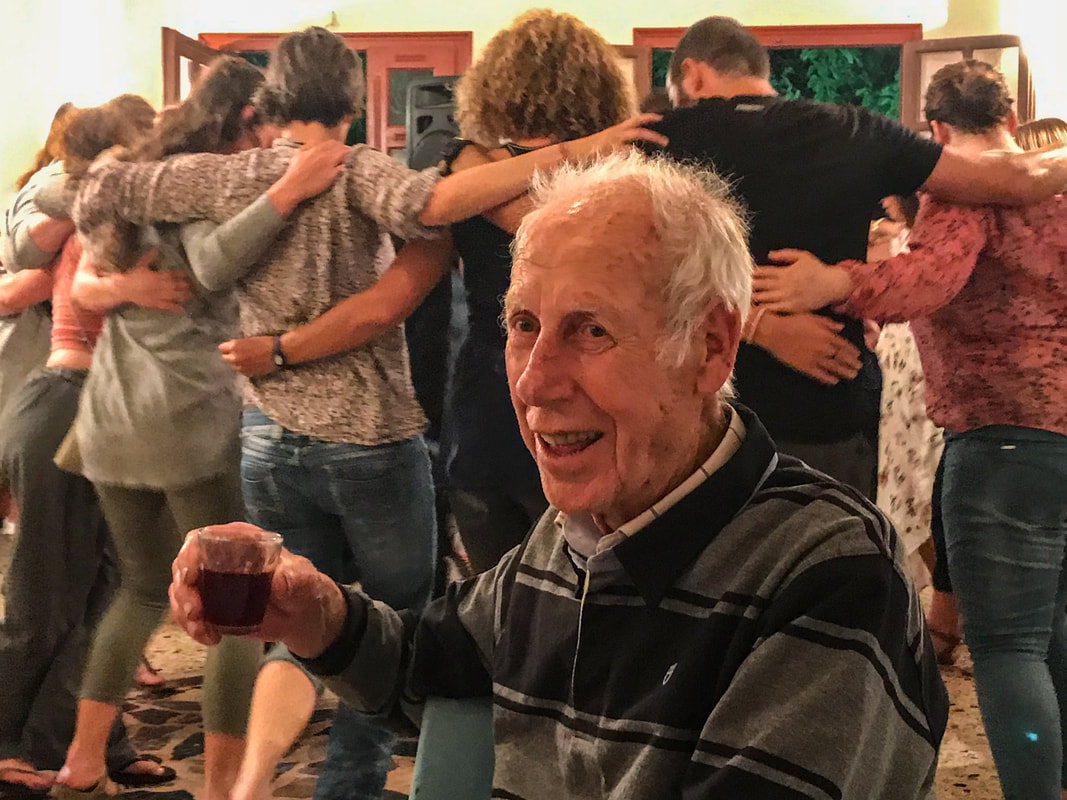
in 2019, where we attended an all-night party with people in their nineties and hundreds. As we stumbled out the door around two in the morning, a ninety-three-year-old acquaintance — the one who had opened the dancing many hours earlier — was leading yet another laughing young woman out onto the dance floor. Inspiring indeed!
So you can imagine how excited I was to discover this week that the nearby town of
Petaluma has engaged a Blue Zones Project team
to help them reconfigure public spaces and social patterns to encourage longer, healthier lives. Projects like this are happening across America. “The results are stunning,” according to Dr. Walter Willet of Harvard’s school of public health.
How stunning? According to the Blue Zones website, Beach Cities, California reduced obesity by 25% and smoking by 36%. Albert Lea, Minnesota saw healthcare claims drop 49% and life expectancy rise by three years.
(See more results here.)
I’ll keep an eye on Petaluma’s effort and let you know how it goes.
One of the cornerstones of the Blue Zone lifestyle is a plant-based diet, and right next door to The Interval is Greens, “the restaurant that brought vegetarian cuisine out from sprout-infested health food stores and established it as a cuisine in America,” according to the
NY Times
.
Little has changed in Greens since it opened 1979; its redwood sculptures, view of the bay, and cuisine all remain spectacular. At $20, my portobello burger with roasted poblano aioli wasn’t exactly cheap eats, but boy, was it worth it.
Afterwards, Rich summoned a driverless taxi, and we headed to the ferry building and our encounter with the curmudgeon. And while he’s clearly a nutter, the curmudgeon does have a point. Anyone with any sense worries about the profound changes AI will bring in the next decade, let alone the next 10,000 years.
So how can we up our chances of survival? Folks in the Blue Zones rely on community, and Stewart Brand says, “It’s become clear what is the prime survival tool for hard times: friends. Good friends. Lots of them.” Words to live by.
Subscribers
If you don’t get a post announcement every week, check your spam folder. Internet security is in a frenzy these days.
This post is part of my ongoing series
OUT TO LUNCH IN
CHEAP & CHEERFUL SAN FRANCISCO
My goal is to discover some of San Francisco’s most colorful neighborhoods so I can check out what’s really going on in this zany town. Are we in a doom loop? Already on the rebound? Still fabulous? And where should we eat afterwards? These and other questions will be explored in upcoming posts.
BROWSE PREVIOUS POSTS HERE
DON’T MISS OUT!
If you haven’t already, take a moment to subscribe so I can let you know when I publish my weekly posts.
Just send me an email and I’ll take it from there.
[email protected]
And check out my
best selling travel memoirs & guide books
here
.
PLANNING A TRIP
?
Enter any destination or topic, such as packing light or road food, in
the search box
below
. If I’ve written about it, you’ll find it.

Leave a Reply