I don’t know if you’ve firmed up your plans for entering the afterlife, but until recently I favored the viewpoint popularized by that old reprobate Woody Allen: “I’m not afraid of death, I just don’t want to be there when it happens.”
Now I’ve learned this is an old-fashioned attitude that has failed to keep pace with modern trends. Baby Boomers are giving up the ghost at a rate of 2.6 million year, and a hot new industry is helping us exit with dignity, grace, and that 1960s I-gotta-be-me spirit.
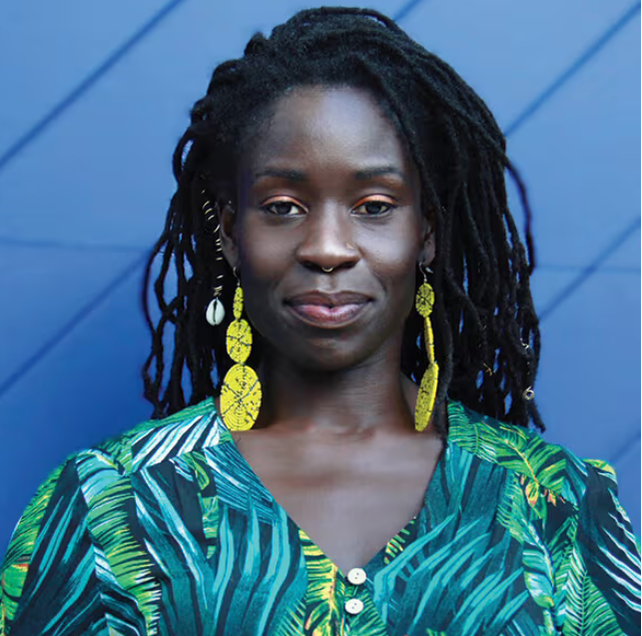
“I want to die at sunset. I want to watch the sky change and turn orange and pink and purple,” says
Alua Arthur
in her TED Talk. “I want to hear the wind fluttering through the trees, and smell very faintly nag champa amber incense … I want to die with my socks on my feet, because I get cold. And if I die with a bra on, I’m coming to haunt everybody.”
Yikes! I’m obviously way behind the curve, because it never occurred to me to think about what undergarments I’d like to wear as I cross the Rainbow Bridge, nor have I considered optimal lighting or fragrances. Luckily it’s not too late to get my final act together, says Arthur, America’s most famous death doula.
What’s a death doula, you ask? You may have heard of birth doulas, who provide physical, emotional, and informational support to women during childbirth. A death doula does much the same thing for those getting ready to depart this world. Because despite what Woodie says, you will be there when it happens. And chances are you’ll find yourself considerably easier in mind, body, and soul if you do a little prep work to get ready for your swan song.
It sounds sensible, but I have to admit, when people I knew organized a death doula talk, I wasn’t madly keen. “Do we have to go?” I asked Rich. “Sounds a little depressing.” With typical husbandly sensitivity, he told me not to be a wimp; we might learn something useful.
And we did. For a start, I learned that many attendees felt a similar eye-rolling reluctance, and yet within ten minutes we were all jumping in to talk about our own mortality. We discussed getting our affairs in order, assessing medical interventions, and maintaining the kind of autonomy that makes life worth living.
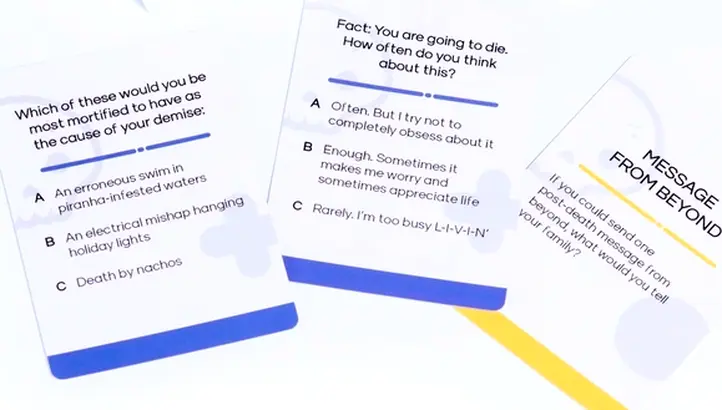
To keep the conversation rolling, our death doula, Rebecca Jones, produced a
death deck
of cards with thought-provoking questions.
And she introduced us to the idea of
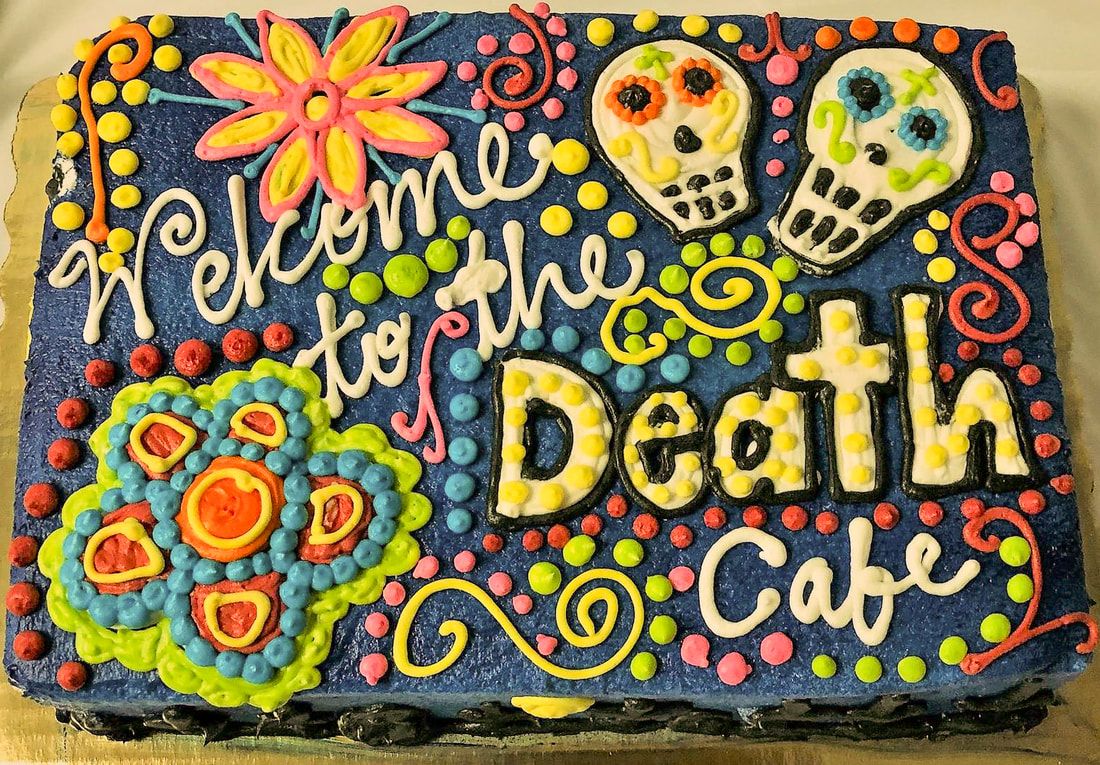
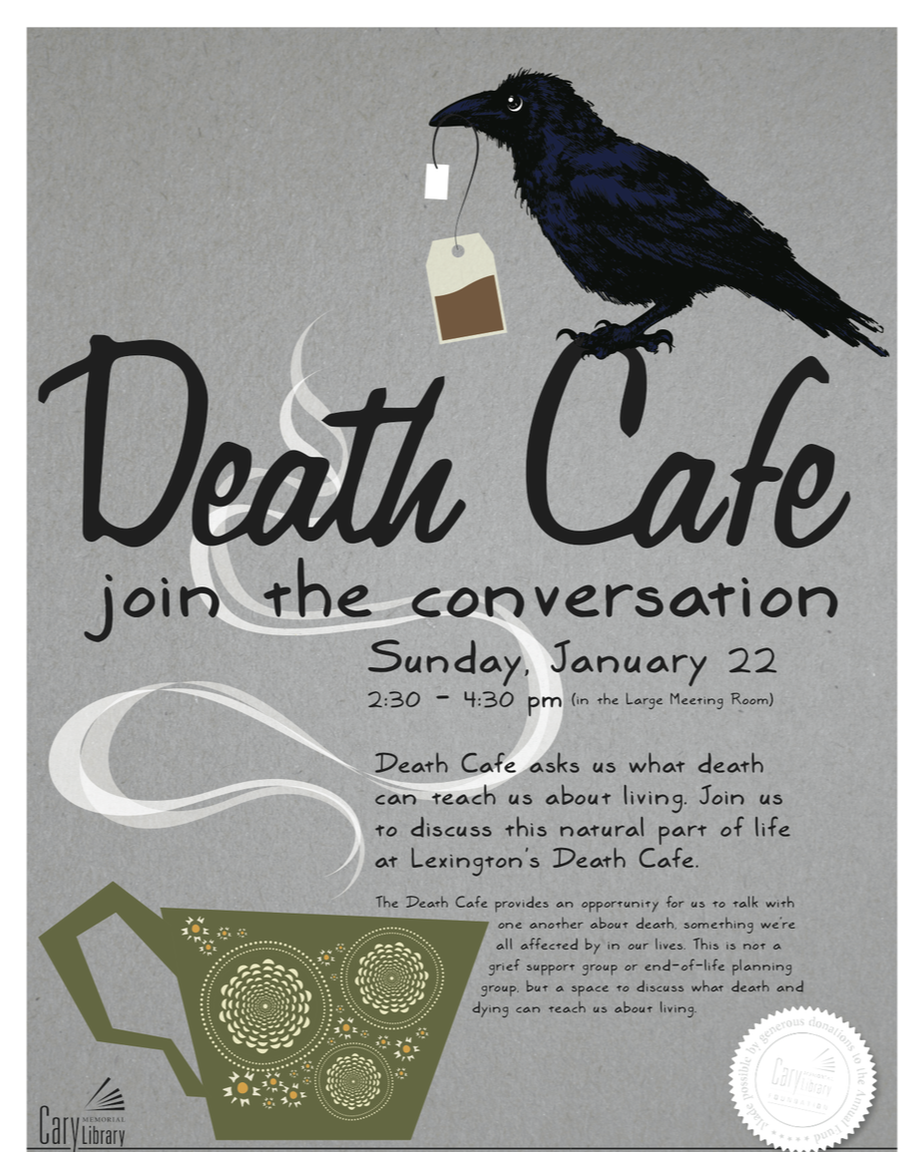
death cafés
, where strangers meet to eat cake, drink tea, and discuss death in a safe, confidential, supportive environment.
“We could organize a death café,” Rebecca said. “But there’s a national organization that owns the name. We would have to call it something else.”
“From a marketing standpoint, a change of wording might not be bad,” I commented.
“We could call it a ‘death group,’” she mused aloud.
“Actually, the word ‘café’ wasn’t the one I thought might be off-putting,” I said.
I’m not the only one who feels reluctant to use the d-word. “In my family, we don’t really talk about death,” says health journalist Sara Kliff. “Because
I am as terrified of having serious end-of-life conversations
as the next person… ‘Death’ is the word that confuses the conversation, that makes people too afraid, and too angry, and too frantic to keep talking.”
Rich likes to think of death as a journey, the ultimate
luggage-free trip
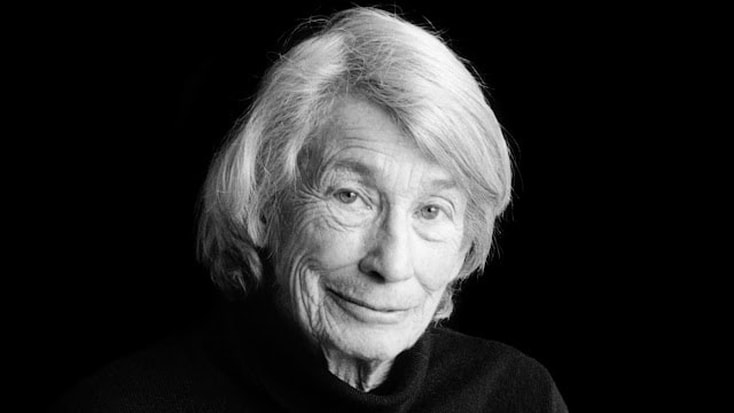
for which you don’t even need a toothbrush. Similarly, the poet Mary Oliver invites us to approach the transition with bright-eyed anticipation: “I want to step through the door full of curiosity, wondering: what is it going to be like, that cottage of darkness?”
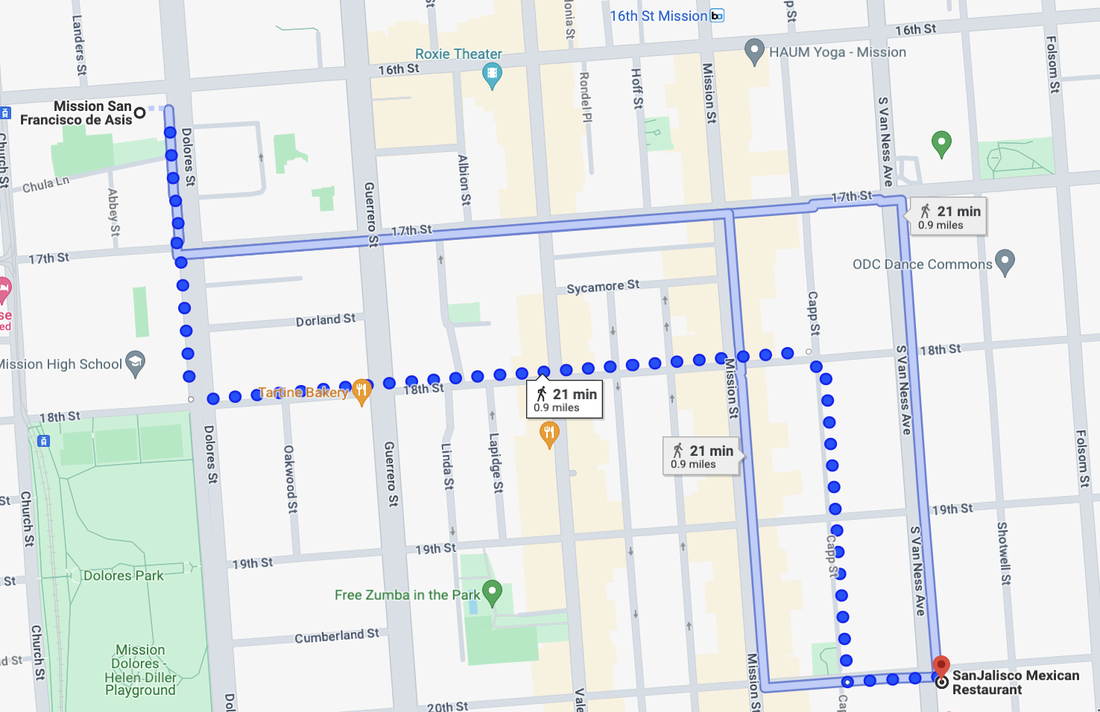
“So how do we cultivate that kind of curiosity?” I asked Rich. As usual, our solution was to organize a fact-finding day trip to San Francisco — in this case, to explore attitudes toward eternal rest.
We began in the cemetery tucked behind the city’s oldest building, the original 1781 adobe chapel known as Mission Dolores. Officially it’s named after St. Francis of Assisi, but everyone uses the old name taken from the nearby
Arroyo de Nuestra Señora de los Dolores
(Our Lady of Sorrows Creek).
In the lovely, creepy cemetery, among the old roses, tilting tombstones, and meandering stone paths, there stands a somber image of the man who built the first missions: Father Junipero Serra. When I was a kid he was hailed as the hero who “civilized” California. Nowadays his work is viewed as cultural imperialism, converting (not always voluntarily) thousands of native Californians to Catholicism, European ways, and a lifetime of labor.
Although many Miwok and Ohlone converts were said to be buried there, Rich and I couldn’t find any marked graves, just a statue inscribed “In prayerful memory of our faithful Indians” and a reproduction of an Ohlone hut. We did locate the final resting places of California’s first Mexican governor, wealthy landowners, and Irish and English fortune hunters.
One of these was Yankee Sullivan, a champion boxer turned “shoulder striker,” hired to prevent people from voting for candidates other than his employer. He was arrested by the infamous, self-appointed Vigilance Committee and died in jail of suicide or possibly murder. His tombstone says, “Thou shalt bring forth my soul out of tribulation and in thy mercy thou shalt destroy mine enemies.” I didn’t get the impression Mr. Sullivan is resting all that easily.
Stepping out of the cemetery into the largely Hispanic Mission District, I found a far more convivial attitude toward the afterlife.
According to Mexican tradition, you never really die until your name is spoken for the last time. So people make a point of telling stories — often funny, outrageous ones — about the departed. Officially this happens November 1 and 2,
Los
Dias de los Muertos
(the Days of the Dead), but memories are kept fresh year-round. I love this tradition and am doing my best to give my family and friends plenty to talk about after I’m gone.
Eventually we made our way to the restaurant San Jalisco, named for the Mexican state that gave the world mariachi music, tequila, and Saint Toribio Romo, a martyred priest famous for miraculous assistance to immigrants seeking to cross the US-Mexico border.
The restaurant was jammed with laughing people and grinning skeletons. We ordered a seafood cocktail called
Levanta Muertos
(Raise the Dead), which I expected to be blow-the-top-of-your-skull-off spicy but found surprisingly mild.
“That’s never going to reanimate a corpse,” I said.
Rich happily slurped up more shrimp. “True, but it’s giving
me
a new lease on life.”
As I sat sipping beer among the eyepopping images of our common mortality, I realized that far from being gloomy, they were comforting reminders of the joy that comes from doing our best to live each day to the fullest.
“When it’s over,” said Mary Oliver, “I want to say all my life I was a bride married to amazement. I was the bridegroom, taking the world into my arms… I don’t want to end up simply having visited this world.”
INTRIGUED?
Find a Death Café Near You
Learn More About Death Doulas
Watch Alua Arthur’s TED Talk
Discover the Death Deck Game
Enjoy Mary Oliver’s poem
When Death Comes
SUBSCRIBERS
If you miss a post announcement, please check your spam folder. Internet security is in a frenzy these days.
This post is part of my ongoing series
OUT TO LUNCH IN
CHEAP & CHEERFUL SAN FRANCISCO
My goal is to discover some of San Francisco’s most colorful neighborhoods so I can check out what’s really going on in this zany town. Are we in a doom loop? Already on the rebound? Still fabulous? And where should we eat afterwards? These and other questions will be explored in upcoming posts.
BROWSE PREVIOUS POSTS HERE
DON’T MISS OUT!
If you haven’t already, take a moment to subscribe so I can let you know when I publish my weekly posts.
Just send me an email and I’ll take it from there.
[email protected]
And check out my
best selling travel memoirs & guide books
here
.
PLANNING A TRIP
?
Enter any destination or topic, such as packing light or road food, in
the search box
below
. If I’ve written about it, you’ll find it.
Leave a Reply