Pop quiz: What creature do you see below?
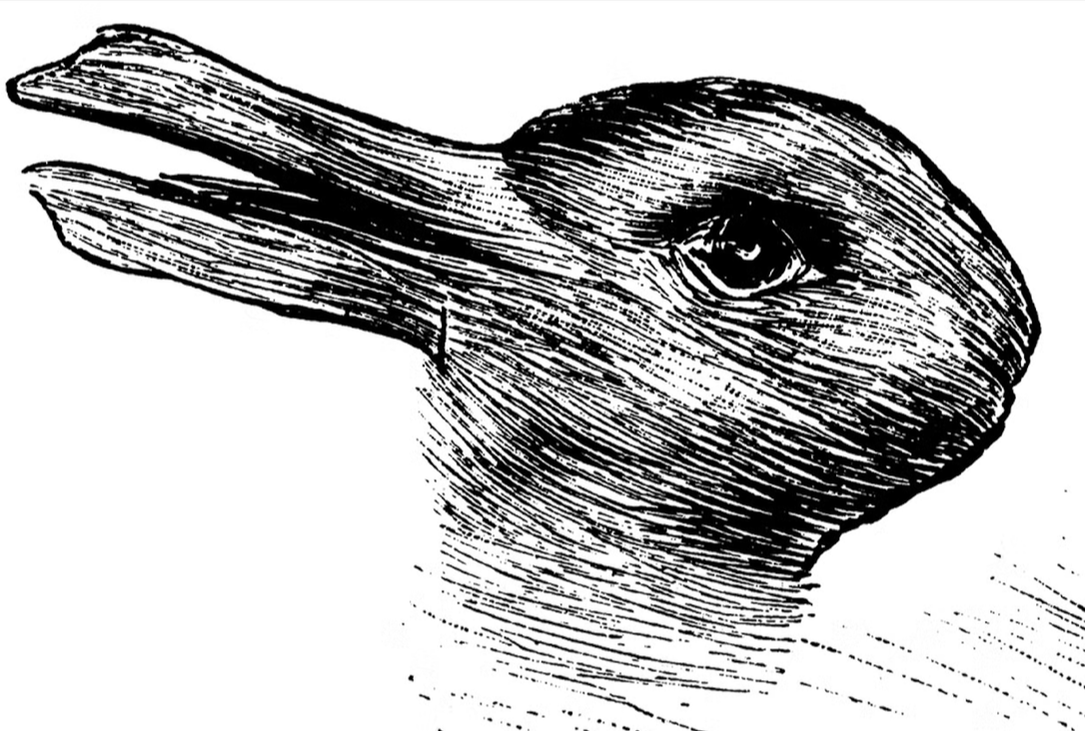
OK, now what other creature can you see?
Originally printed in a German humor magazine in 1892, this sketch has become a litmus test of mental flexibility. By now you’ve probably noticed it can be viewed as either a rabbit or a duck. (If you’ve identified any other creature, such as a flesh-eating zombie, we need to talk.) A Swiss study showed that around Easter most people see a rabbit and in October they spot the duck first, reminding us that what we see is deeply influenced by context.
And that’s one of the reasons so many of us choose to live in another country. We get to view the land of our birth from another perspective, in a wholly different context — which can be incredibly refreshing.
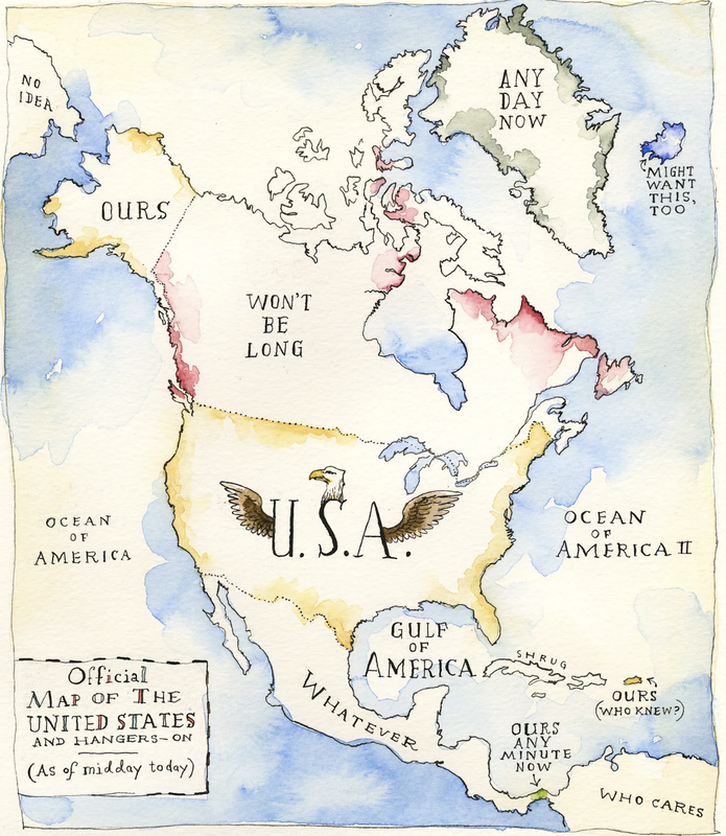
You probably won’t be surprised to hear that these days millions of Americans are talking about packing up and going overseas. Last fall — starting Wednesday, November 6, to be precise — the number of Americans Googling information about moving abroad surged by 1514%.
Not all of those queries landed in my email inbox (¡Gracias a Díos!), but these days I am fielding lots of questions from my friends, relatives, readers, and random strangers, all of whom seem anxious for a change of scene.
“I’m gonna do it — sell the house, pack a bag, and jump on a plane,” they say, usually after the second martini. “Who’s with me?”
I rarely consider myself the voice of reason, but in these cases I do caution people to cool their jets a little, taking time to consider their exit strategy and find a congenial place to land. For me it was Spain, but for two of my fellow bloggers — Lynn McBride, author of Southern Fried French, and Lori Cronwell, author of Bringing Europe Home — the allure of France was irrésistible.

I caught up with Lynn and Lori this week and asked each of them how they navigated their move to France. In both cases, their successful transitions started with 90-day tourist visas and living as part-time expats in rental apartments. Both women still own property in the US and consider real estate a key factor.
Lori Cronwell, a travel writer and digital nomad in her sixties, found herself traveling back and forth to Brittany on a regular basis. She decided to rent out her 1800-square-foot home in Portland, Oregon, so she built a 700-square-foot accessory dwelling unit (ADU) on the property. She lives there while she’s in the US, and the rest of the time it’s an Airbnb managed by her renters.
“To create this lifestyle of having a beautiful and comfortable homebase — in two countries — coupled with the freedom to travel, didn’t require a ton of money,” she said. “It did require a shift in my priorities, a drastic downsizing, and a few innovative ideas. Renting out the main house gave me the freedom to travel. Living in a smaller home is liberating. There’s less to maintain, less to clean, and more time for travel and fun.”
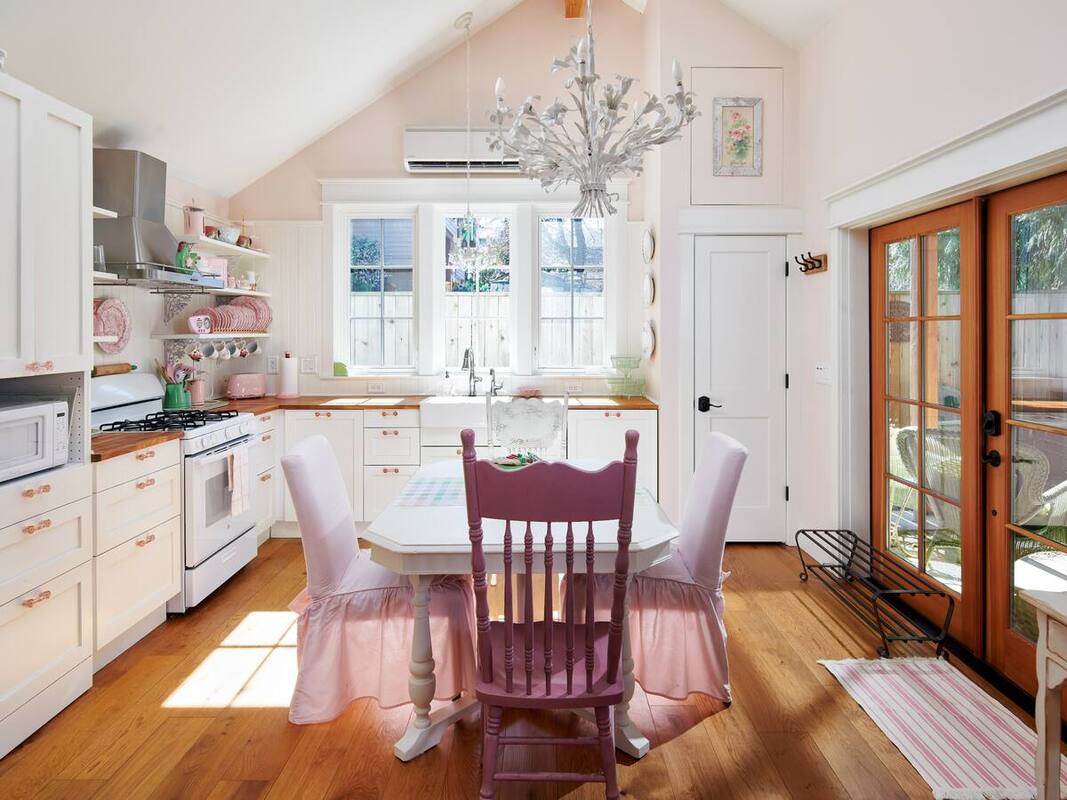
Two months ago, Lori decided to become a full-time resident of France. “Living in another country part-time or full-time means taking a big leap out of your comfort zone,” she says. “You may have to learn a new language and a whole new bureaucratic system. But that’s part of the grand adventure: experiencing a new culture, stepping up to new challenges and meeting new people. All of which will keep your mind sharp and your spirit young. And you won’t be alone. You’ll make new friends; you’ll find your support group; and you’ll be living your dream.”
For more, read Lori’s posts:
The Perks of Being a Part-Time Expat
The Pitfalls of Being a Part-Time Expat
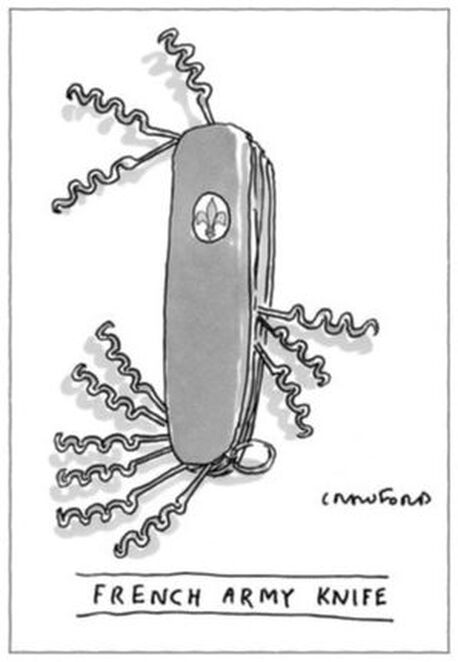
It’s easy to fall in love with France, as magazine editor Lynn McBride, now 75, discovered over many vacations there with her husband, Ron. When they wrapped up their careers 22 years ago, they realized they were ready to leave Charleston, South Carolina.
“We decided to have a retirement adventure. We sold everything we owned — our house, our car — and went to France. We just serendipitously found this apartment in a chateau.”
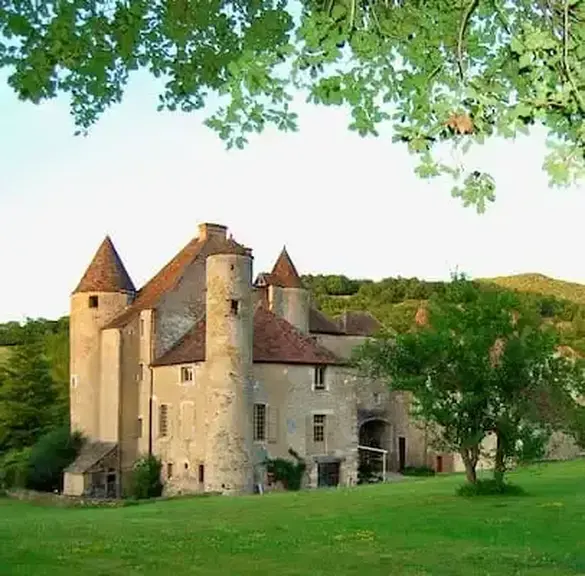
Owners Nicole and Pierre Balvay spent 30 years renovating the crumbling 14th century Château de Balleure, which had been in Pierre’s family since the end of the French Revolution. Lynn and Ron lived there while rehabilitating a nearby farmhouse, where they lived for 13 years before moving to an apartment in the town of Beaune.
The cost of living is generally cheaper in France, Lynn says, especially when it comes to real estate. “If you are set on living in central Paris or on the Côte d’Azur, or in one of the uber-trendy perched Provençal villages popularized by Peter Mayle, then be prepared to spend big. But once you get out of these areas, real estate is quite reasonable and can be amazingly cheap, especially if you are interested in living in the countryside or in a village.”
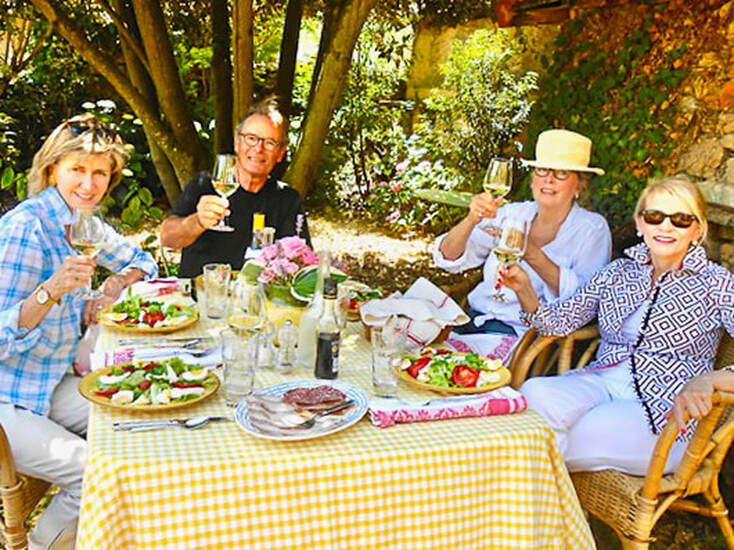
Lynn learned to cook the rich stews the region is famous for, such as Beef Bourguignonne and Coq au Vin. She continues to study French (“A lifelong occupation,” she admits ruefully) and to write about her expat lifestyle. In her most recent post she introduced me to my new favorite word: epoustouflant, which means flabbergasting.
For more, see Lynn’s post:
Moving to France: A Cheaper Retirement Option?
And her book:
How to Learn a New Language with a Used Brain
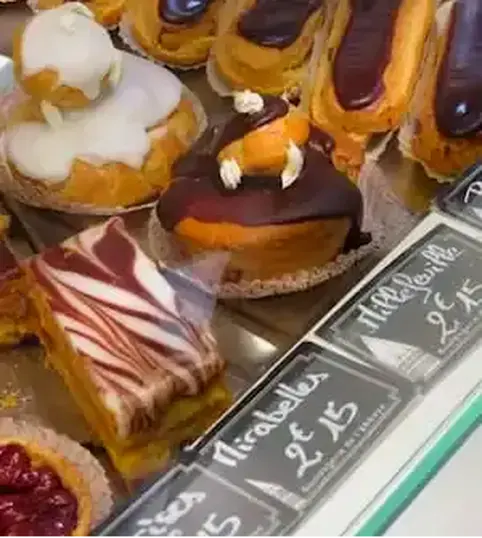
For most people, expat life sensibly starts with 90-day tourist visas. Longer stays usually require getting a residency visa (bonjour paperwork!). In Spain and elsewhere, staying more than 183 days a year or buying property can define you as a tax resident, which can get expensive. Do your research at the outset!
Like the duck-rabbit illusion, my life has two different faces: the six months I spend in Spain and the six months I spend in California. And while I mostly write about the joys of my Seville life, there are plenty of downsides, too. Don’t get me started on Spanish bureaucracy or the appalling lack of decent chocolate chip cookies. And there are days when just trying to discuss a modest purchase at a hardware store tests my vocabulary and nerves to the limit.
But living abroad isn’t all residency visas and replacement door handles. It’s about those wonderful mornings when we open our eyes and realize we are actually living in a place we once barely had the courage to dream about. That’s when we feel the rapture of living in a world that is so vast, so precious, so exhilarating — so, as the French would say, epoustouflant — that it takes our breath away. Knowing that we are invited to take our place in that larger world is worth every bit of expense and fuss it took to get there. And then some.
Leave a Reply