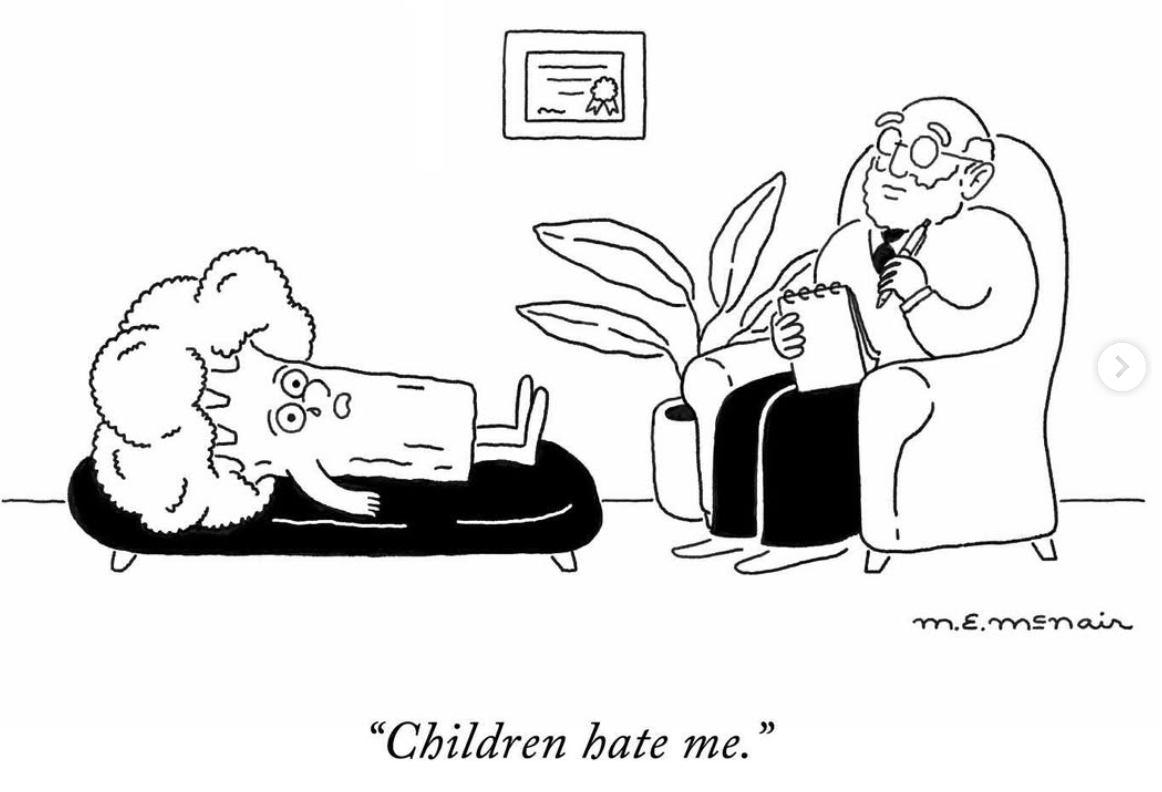
Remember when you were little and would do anything to avoid eating vegetables? I vividly recall being eight years old and watching in awe as a toddler of my acquaintance had the bright idea of getting rid of unwanted mashed potatoes by spooning them into their diaper. (Not surprisingly, this ploy did not escape adult notice for long.)
Kids haven’t lost any of that rebel spirit, as you can see from the excuses I recently found on Reddit.
“This tastes … unlucky to me.”
“Can we donate this meal to charity?”
“These blueberries tickle my brain.”
“This tastes like Delaware.” To which another reader commented, “At least it didn’t taste like New Jersey.”
“This sends my mouth into outer space. (That’s bad.)” Huh? I looked that one up, and discovered that contrary to all probability, astronomers actually have figured out what outer space tastes like: raspberries.
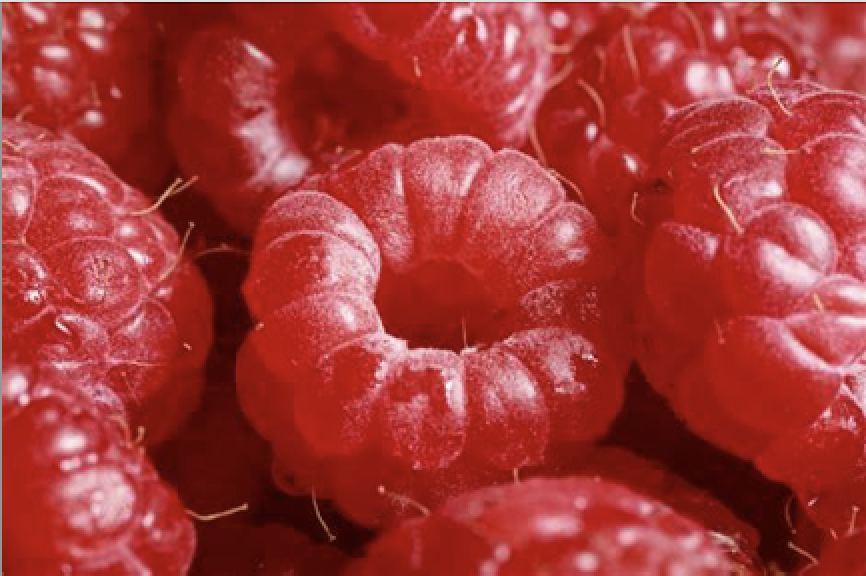
That’s right, I said space tastes like raspberries.
Raspberries get their flavor from a chemical called ethyl formate, which has been found in large quantities in a giant dust ball at the center of the Milky Way. The truly astonishing thing is that back here on Earth, the manufacturers of Milky Way bars haven’t capitalized on that fun fact by making raspberry-flavored candy. Maybe they think it sounds too healthy to attract consumers.
Getting anyone to eat wholesome food is an uphill battle these days. Studies show that only 12% of Americans eat the recommended amounts of fruits and vegetables. Shockingly, 25% say they’ve never eaten a vegetable in their lives. This may explain why, in a survey, only about a third of US adults could correctly identify everyday fruits and veggies.
Wondering how you’d do in the survey? Here’s the first question. Take your time.
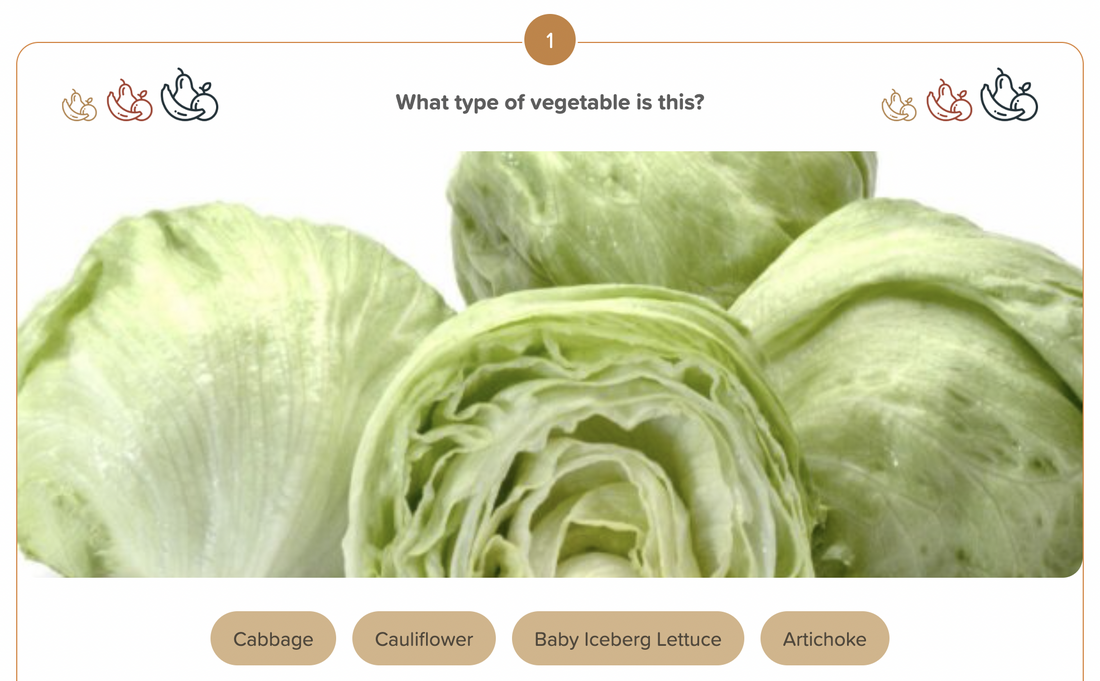
If you rushed to judgement with cabbage, you’re not alone, but I’m sorry to inform you the answer is: baby iceberg lettuce. If you thought it was cauliflower or artichoke, we need to talk.
Is society ready to throw fresh produce on the compost heap of history? That question is causing concern among physicians, nutritionists, and anyone who cares about the future of the human race. If you are what you eat, it’s worrying that more folks are familiar with the menu at McDonald’s than with the vegetable aisle at the supermarket.
To give kids a heads-up that nature does not shrink-wrap broccoli or deliver carrots trimmed to uniform size in a plastic bag, roughly 20% of US grammar and high schools maintain a food garden. Does watching lunch grow change kids’ perspectives? To find out, this week I visited the Mill Valley Children’s Garden, a 22,000 square-foot garden that’s been part of the curriculum at Edna Maguire Elementary School for 35 years.
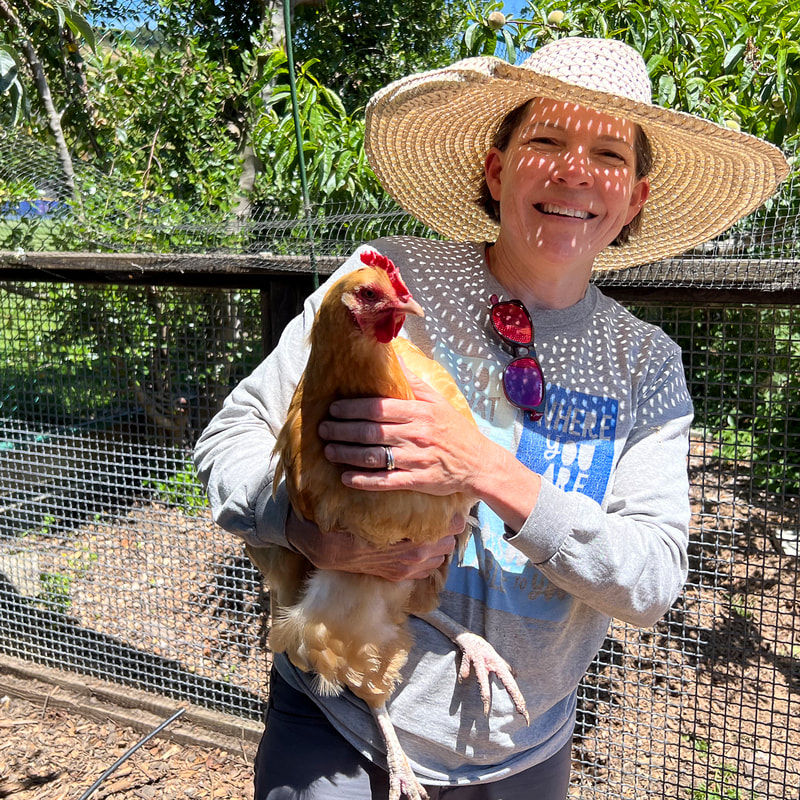
David, the garden manager, took me around and introduced me to his favorites: splendid artichokes, robust cabbages, leafy greens rejoicing in the unusual name of speckled trout lettuce, the kid-sized dwarf fruit trees in the food forest, the greenhouse seedlings just getting their start.
“It’s all organic,” he said, automatically picking up a hose and dousing his darlings with a fine mist. “We use no pesticides at all. If insects take a bite, we just trim the leaf off.”
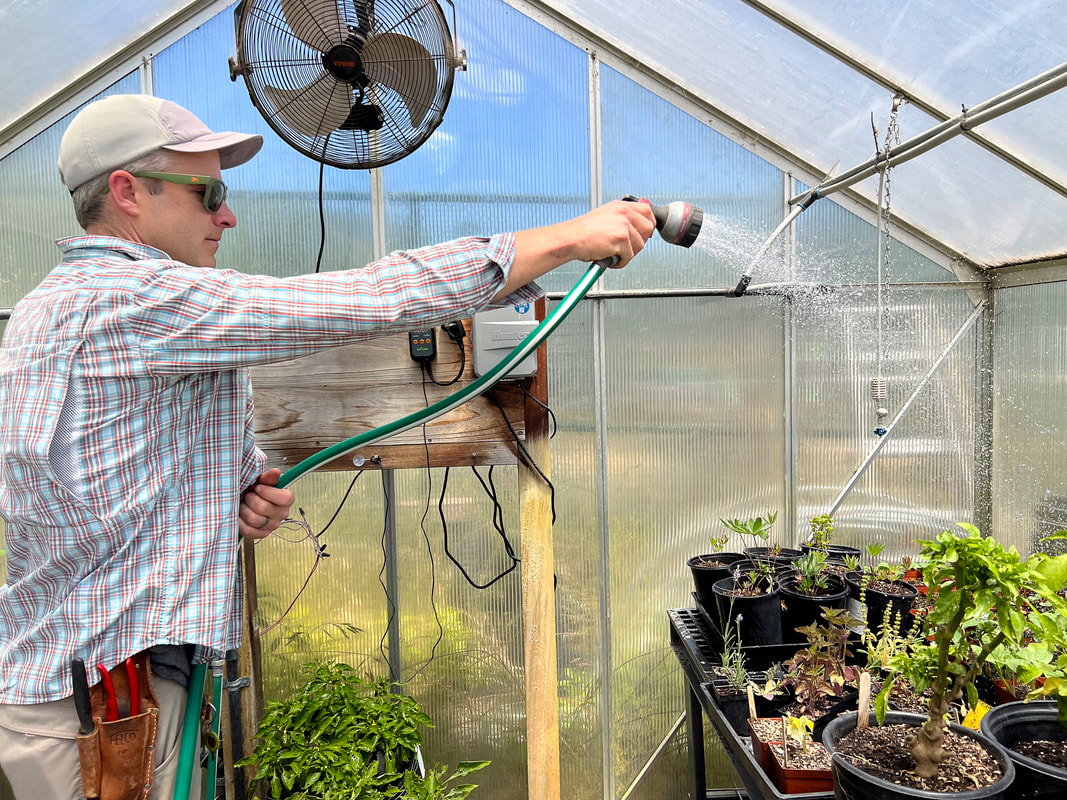
He explained that each of the grammar school’s nearly 400 children spends time in the garden on a regular basis, learning about planting and patience and the joy of seeing your seedlings grow up and produce mouthwatering tomatoes. Intertwined with those experiences are lessons in science, art, math, writing, and history.
“For example, in the third grade we talk a lot about local indigenous cultures in the county,” explained volunteer Anita, president of the Friends of Mill Valley Children’s Garden. “So our Garden Educator will bring in subjects like what would the Miwoks have eaten here. Talking about climate change, it’s about how much water you need to get yourself a beet versus a pound of beef.”
The most lasting lessons these young gardeners learn are about themselves. “There are kids who find this is where they shine, this is where they come alive,” said Anita. “They can engage and be calm, be present. They learn independence and confidence. There’s a lot of pride when they show their parents what they’ve grown.”
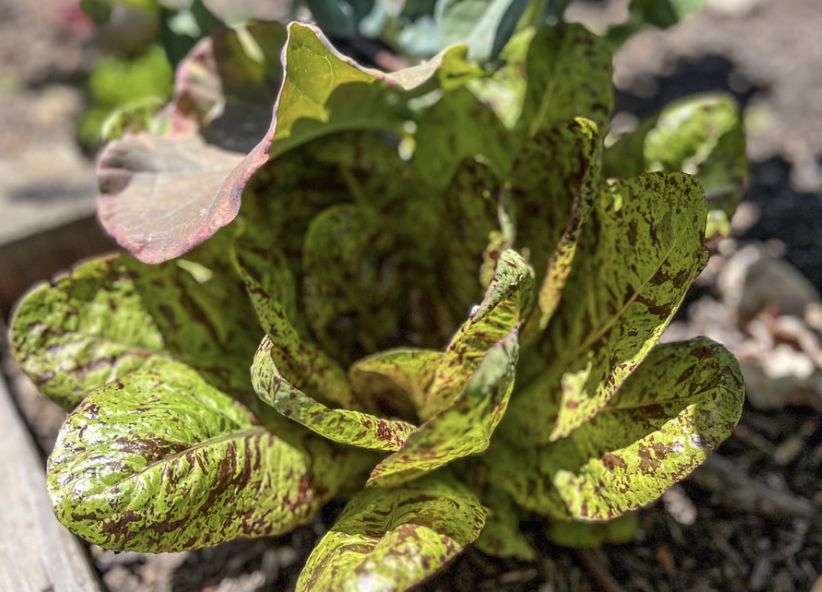
The kids eat plenty of the produce, either on the spot or from harvest boxes sold to their parents as a fundraiser to support the garden. After that, David explained, “We either give it to the teachers or donate to a community kitchen, usually Community Action Marin, where they cook meals for low-income school children.”
For me, that was the most feel-good moment of the whole conversation. Because if anyone should be receiving a share of the garden’s bounty, it’s neighbors in need.
Marin is a prosperous county, yet one in five residents — 48,000 people, including 11,753 kids — are worrying right now about where their next meal is coming from. In America, 50 million people experience hunger; worldwide, 733 million suffer from malnutrition. And I don’t have to explain how funding cutbacks are now making the situation much, much worse.
Thirty years ago, worries about food insecurity inspired Alaskan garden columnist Jeff Lowenfels to propose an ingenious solution.
His Plant a Row for the Hungry campaign invited home gardeners to expand their production just a bit, creating extras that could go to those who were struggling. The Garden Writers of America picked up on the idea, inspiring folks across the country to pitch in and help out.
“Since then, more than 20 million pounds of produce, providing more than 80 million meals, have been donated through the campaign by home gardeners,” wrote the AP’s Jessica Damaino.“‘All of this has been achieved without government subsidy or bureaucratic red tape — just people helping people,’ according to organizers on the campaign’s website. And there’s no big advertising campaign, either — just garden columnists and their readers spreading the word.”
And now I’m spreading the word to you. If you have a backyard garden, consider planting an extra row of whatever crops you’ve got going, then find a local food bank, a community fridge, or another collection point that will distribute the fruits of your labors to neighbors who are going without.
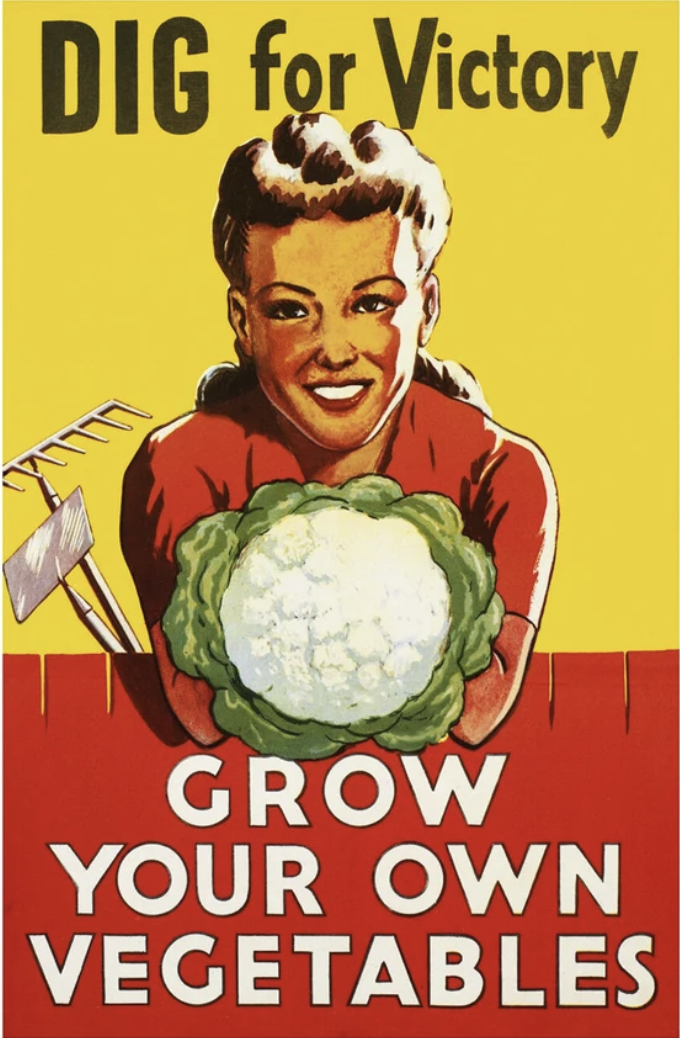
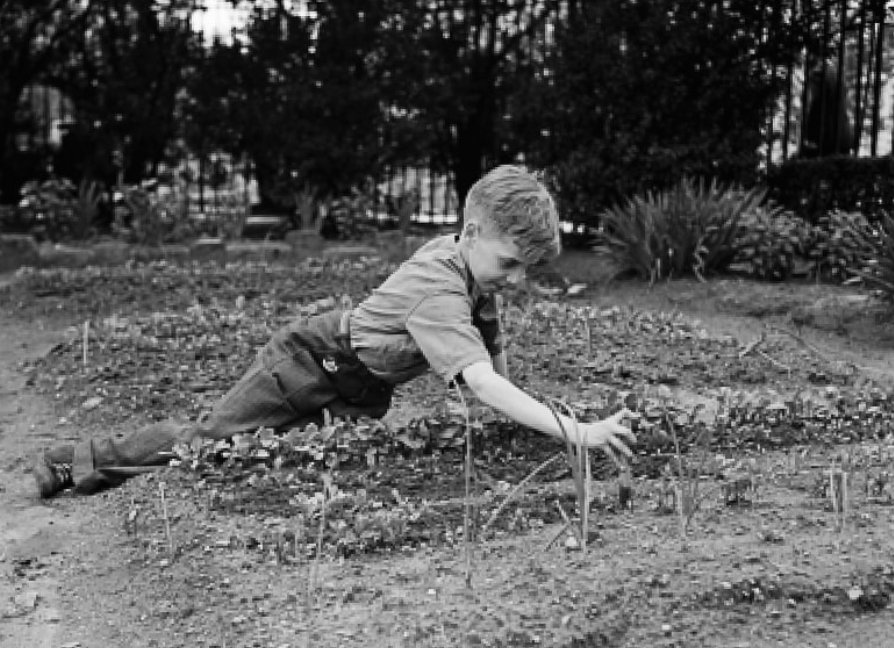
We’ve done this successfully in the past. Victory Gardens were introduced in WW I, and by 1944 there were 20 million of them in backyards, community plots, and pots on balconies and windowsills. That year we, the people produced 10 billion pounds of food — 40% of our nation’s vegetable supply.
Back in the day, Rich’s parents were part of that effort. They had a Victory Garden when Rich was born (on June 6, 1944 — yes, D-Day was his B-Day!), and they kept it up for five years after the war. As a toddler, Rich learned to loathe the beets and rhubarb growing in abundance behind his house. But he developed a lifelong love of digging in dirt; he agrees with the Chinese saying, “Those who plant a garden plant happiness.” And when we have the good fortune to share that happiness with our neighbors, we are twice blessed.

Leave a Reply