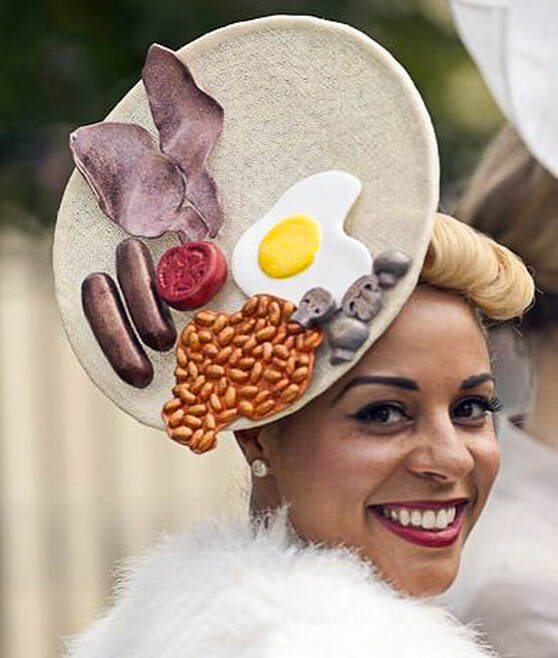
Who thinks up hats like this? Who wears them — and where? How does anyone put together an outfit that pairs well with a reproduction of a full English breakfast? And seriously, what are those purple things at the top? To me, they look alarmingly like the pig’s ears I once impulsively ordered in a Portuguese café, only to discover they are every bit as rubbery and tasteless as you’d imagine.
I found this outrageous confection online, listed as a wedding hat and offered at a deep discount (go figure!). Tempting, but no thanks. I did admire the sassiness, though.
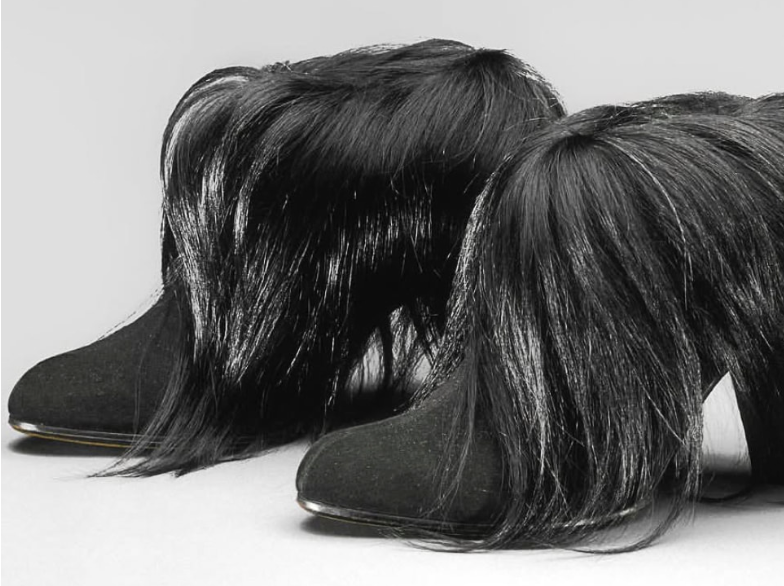
“In difficult times, fashion is always outrageous,” said Elsa Schiaparelli, a mid-twentieth century Avant Garde fashion designer. She created jewelry with Salvador Dali and came up with monkey fur ankle boots that were the talk of her generation.
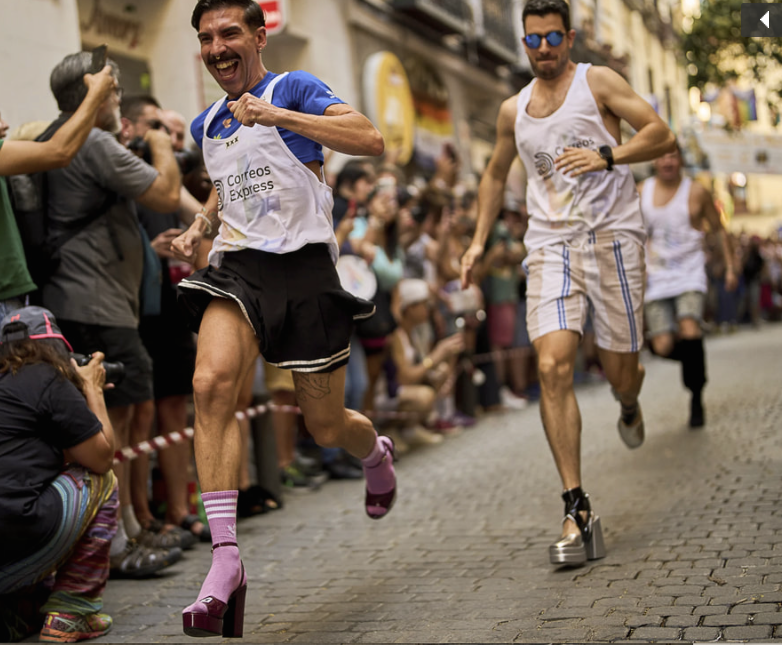
Footwear is still making headlines, and never more so than during this month’s high heel race held as part of Madrid’s Pride Week. To qualify, heels had to measure at least 15 centimeters (5.9 inches), and frankly, just eyeballing those stilettos made my tootsies wince in sympathy. Who could walk in them, let alone run? My hat is off to these intrepid joggers!
“The only thing that separates us from the animals,” drawls Olympia Dukakis’s character in Steel Magnolias, “is our ability to accessorize.”
Obviously we have a few more things going for us, like language, math, science, and the capacity to produce endless Star Wars spinoffs. But Olympia has a point. We spend an extraordinary amount of time trying to put our best foot forward. According to Evolution and Human Behavior, when you add exercise, diet, and hygiene to dressing and grooming, spiffing ourselves up occupies one sixth of our time, a lifetime total of well over 100,000 hours.
Often we’re putting in those hours for very practical reasons; how we feel about ourselves and present ourselves to the world can help us find a job, pursue an education, and enjoy a more vibrant social life. When we’re going through lean financial times and can’t afford to spruce up, it can be tougher to achieve our goals. In 1999, a woman in her seventies named Barbara Lee decided to do something about that.
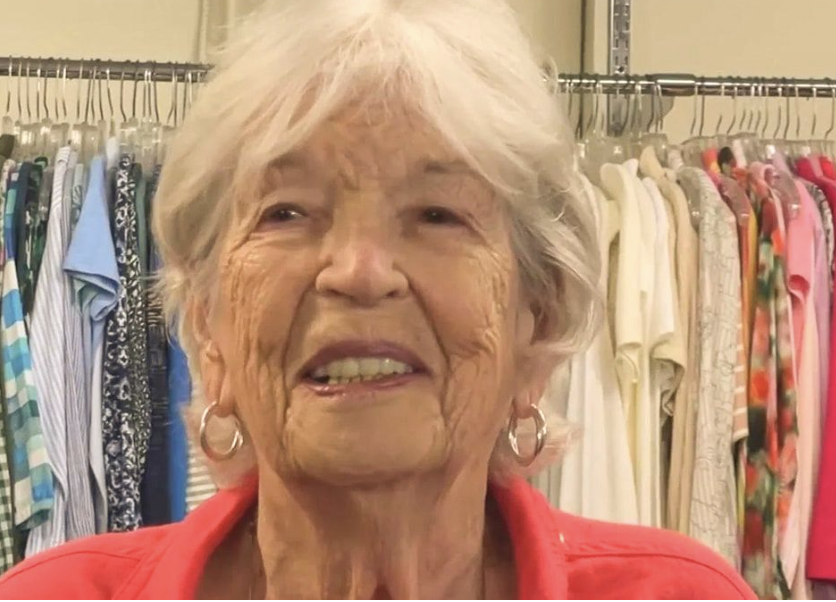
It all started with a remark by Mary K. Sweeny from Homeward Bound of Marin, which helps the unhoused find shelter, jobs, and stability. “I have a few women here who have set up job interviews,” she told Barbara, “and they’re ready to go but they have nothing to wear.”
Barbara got a few friends together, assembled some gently worn second-hand clothing, and helped the applicants put together wardrobes that would let them walk into the interview with confidence, secure in the knowledge they looked appropriate and had enough good clothes for two weeks on the job if they got it.
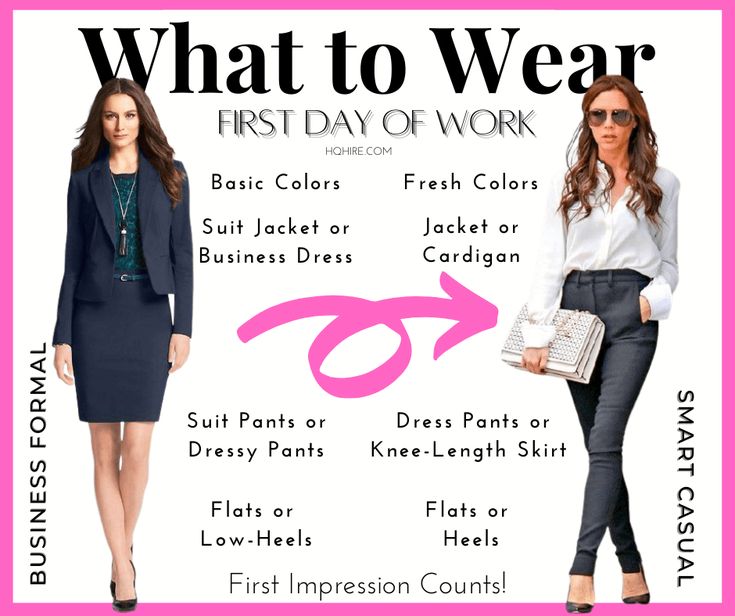
By providing clothes and workplace fashion advice, Barbara became one of the unsung heroes that I’ve been writing about all summer.
In these troubling times, I find it comforting to remember that every day, all over the world, ordinary people are coming down to breakfast and saying excitedly to their husband, wife, roommates, and/or cats, “I’ve just had a brilliant idea. What do you think of this?”
Often the ideas aren’t particularly glamorous or newsworthy, and probably won’t be talked about over cocktails among the glitterati, but in their own quiet way, they are making a big difference.
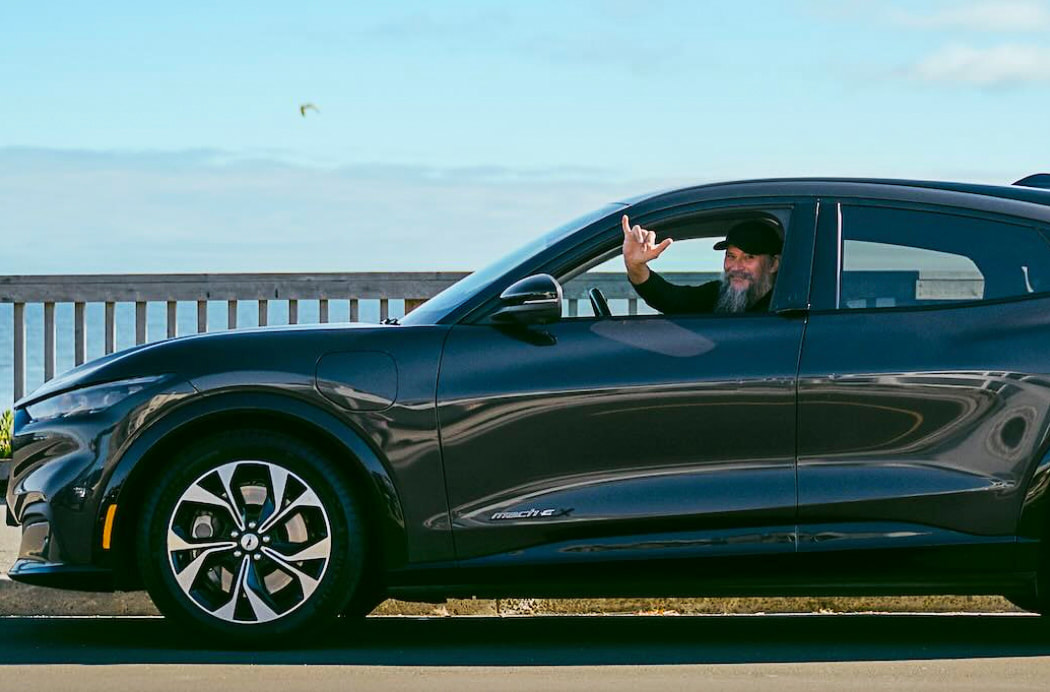
Take David Blenkle, who runs a car service in California’s Santa Cruz mountains. He began providing free rides to veterans heading to the VA and job seekers on their way to interviews. “Blenkle has become a lifeline for hundreds of people in his community who would otherwise not have had access to reliable transportation,” wrote journalist Andy Corbley.
Engineer Patrick Schlott spotted a different service gap: a dead zone without cell towers in his area of rural Vermont.
“I realized, wow, there’s no cell service for 10 miles in either direction,” he told reporters.
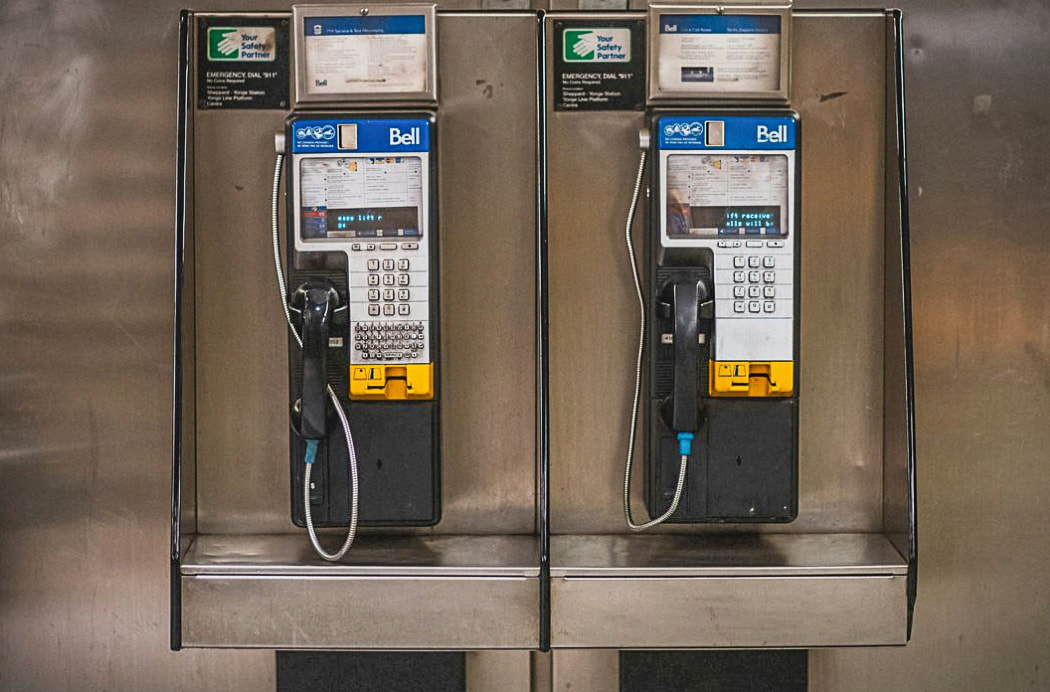
That’s when he decided to retrofit a pair of old-fashioned pay phones and install them at the North Tunbridge General Store. He removed the coin slot so neighbors can phone for free; Patrick even picks up the service charges and helps transfer calls.
Similarly, Barbara Lee spotted a community need and envisioned a way to help. She established a second-hand clothing store, originally Image for Success and now called Bloom, which has long been my favorite resource for vintage dresses and jewelry.
My luckiest find happened there last summer. Rich and I had just accepted an invitation to a fancy party, and it struck me that I had nothing remotely suitable to wear. As it happened, at that very moment we were walking past Bloom, so I popped in on the off chance. Ten minutes later I’d purchased a gorgeous silk dress that has become my go-to fave. That doesn’t happen every time, but still…
Of course, Bloom’s most important role plays out in the vast back room full of clothes racks and volunteer stylists working their magic.
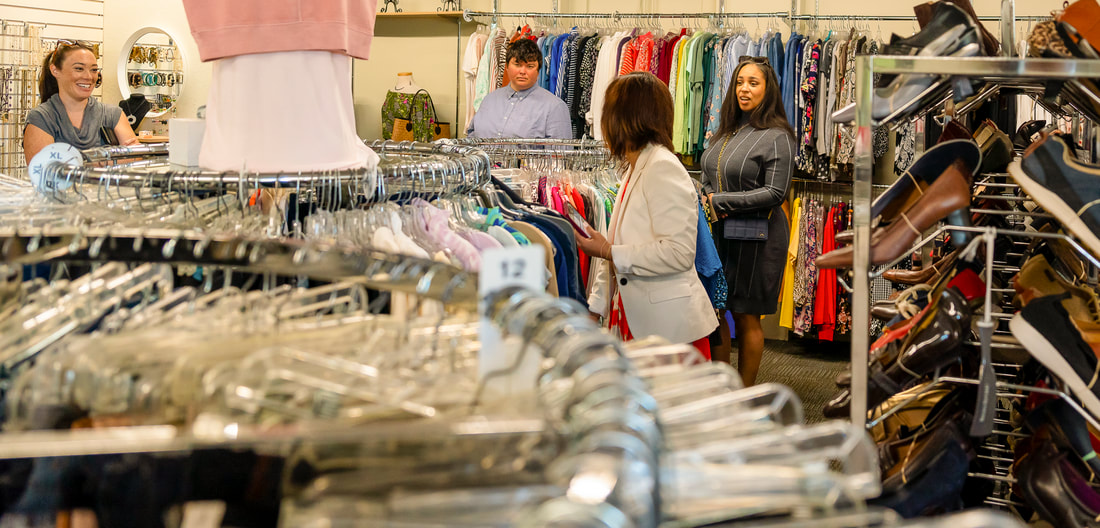
“Clients get an hour and a half with a personal stylist to help them curate a wardrobe,” explains Tuyen (it’s pronounced “Twin”) Fiack, who oversees the program. She’s the chief program officer of economic opportunity and social justice for our YWCA, which worked closely with Bloom for decades and then acquired it in 2022 to keep it on a more sound financial footing.
Tuyen explained, “We always ask, ‘What is the purpose of the clothes? Is it for school? Is it for work? What kind of work do you do? What’s your style? Classic? Chic? Bohemian?’ And then the stylist will pick and choose, provide options, and provide some training in terms of how you mix and match, and other styling tips.”
Boy, could I have used that kind of help when I started my first office job!
Bloom now has between fifty and sixty volunteers who outfit a thousand people every year, including women and men seeking work and lots of kids who don’t have sufficient clothing for school.
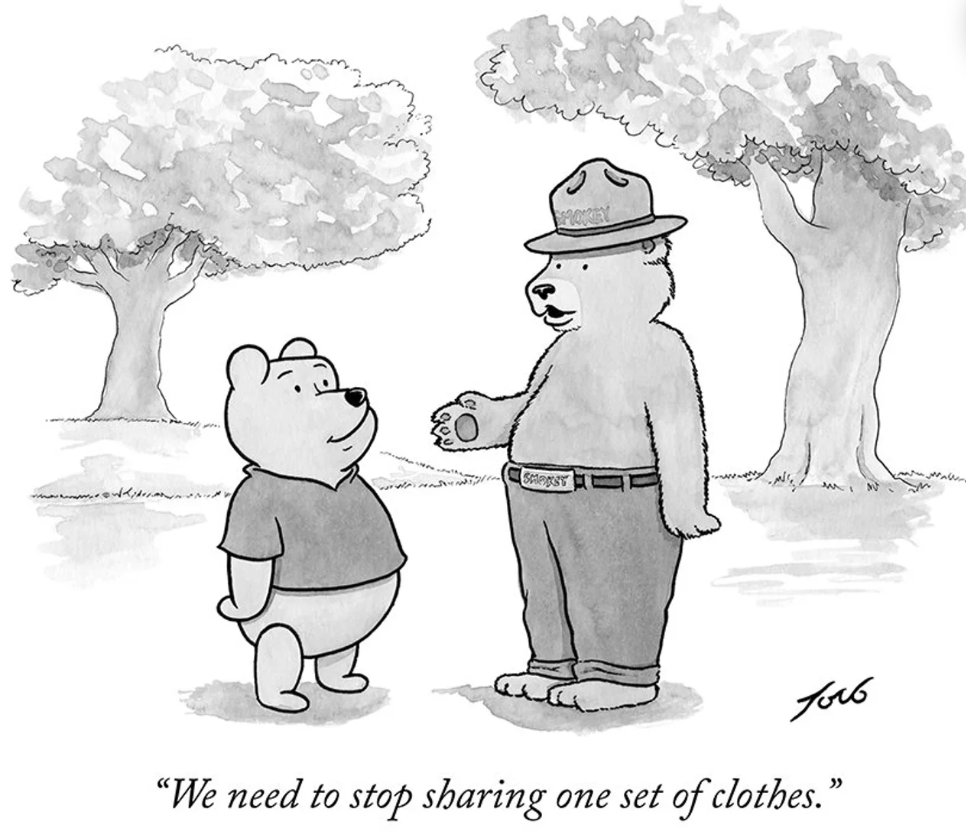
Tuyen added, “This one young woman came in, and one of our amazing stylists helped her, as always offering choices: ‘Do you like this? And this?’ And because she was coming from a domestic violence situation, for her it was the first time she actually got to choose what she would be wearing.”
My heart went out to that young woman. And I felt a rush of gratitude to Barbara Lee and all volunteers everywhere, working quietly behind the scenes to provide fresh resources and opportunities when they’re needed most.
Active compassion builds resilient communities, the kind that are strong enough to sustain us through good times and bad. It reminds us how connected we really are. “Volunteering is the ultimate exercise in democracy,” says consultant Dr. Syed Almashhadi. “You vote in elections once a year, but when you volunteer, you vote every day about the kind of community you want to live in.”
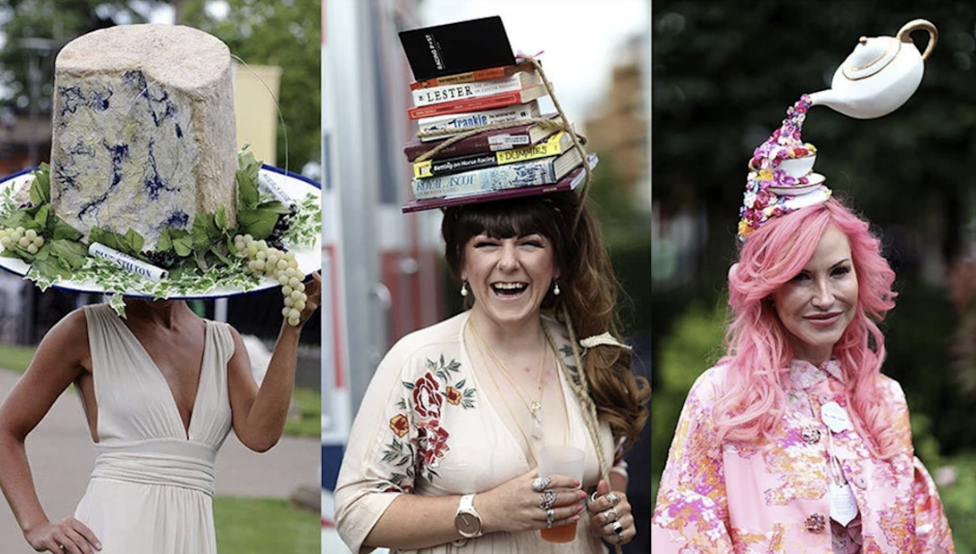
Do I want to live in the kind of community where people wear huge, flamboyant hats? Luckily for me, this craze hasn’t caught on in California or Seville. Yet. If it ever does, I’m counting on Bloom as my resource.
Leave a Reply