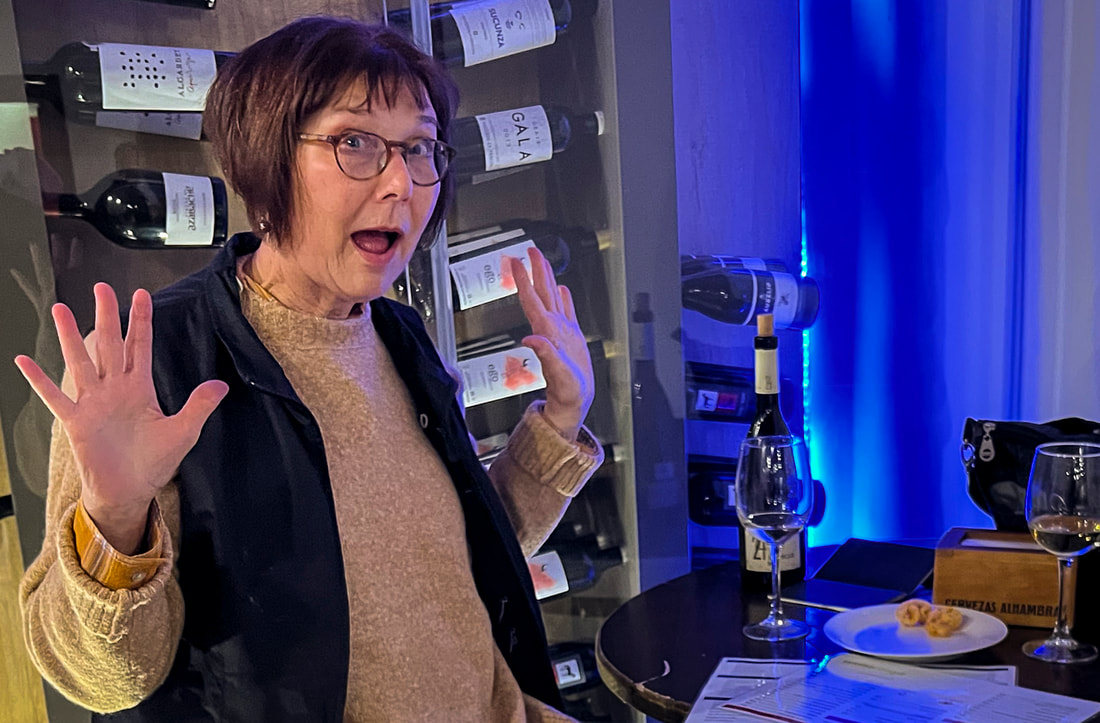
So I arrived at my Spanish dentist’s office, sat down in the waiting room, pulled out my phone, and discovered the screen was now entirely in Sanskrit. (Sigh.) Clearly this was going to be One of Those Days. Or as my phone would put it, तेषाम् दिनेषु एकः.
Apparently the newly installed operating system had left my iPhone feeling wild and free and ready to embrace all sorts of thrilling new possibilities. Over the next few hours it greeted me in Japanese, French, Russian, and Spanish before it gave up and settled down to boring old English. Whew! I felt navigating the world in English and Spanish was complicated enough without throwing Japanese or Sanskrit into the mix.
Living in a foreign language, even one you speak reasonably well, lends mystery and excitement to the most mundane activities. Is the hygienist chatting about the weather to put me at ease or suggesting I might like orthodonture or a root canal in addition to today’s teeth cleaning? I have learned to be very careful about nodding.
However, when she asked me about my sensitive gums and whether I’d like anestesia for the worst parts, I was sure she meant the mild numbing cream her colleague had used in the past, so I said sí.
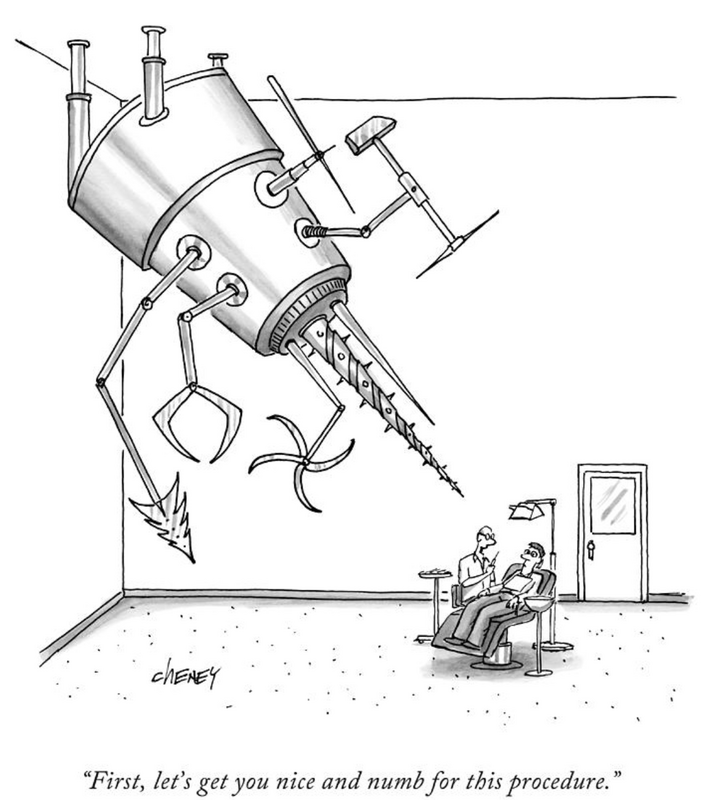
Moments later a dentist appeared and shot me up with two whopping doses of Novocain, one on each side of my jaw. I was thrilled at the painlessness of the next twenty minutes. And then it was over and I was horrified to discover that my mouth was no longer under my control. In fact, parts of my lips seemed to be missing altogether, and I could no longer form words, let alone sentences, in any language.
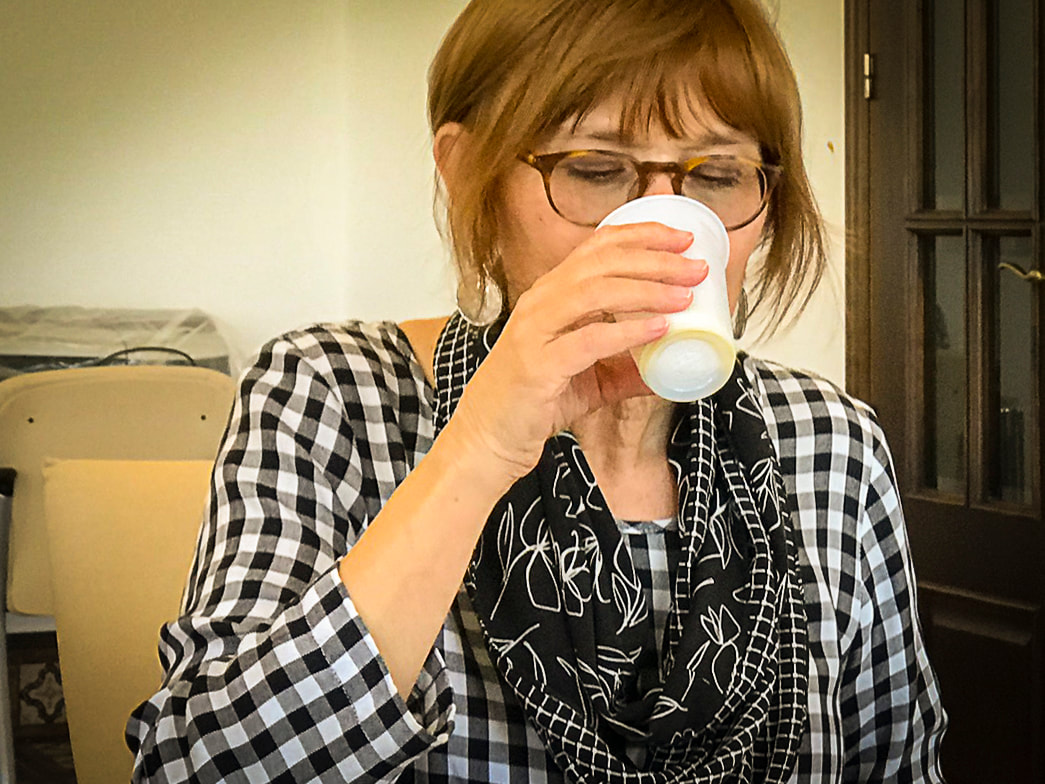
“Drink water, it will make the anesthesia wear off more quickly,” the hygienist kindly advised (in Spanish, of course), handing me a cup of agua.
Drink? Was she insane? I made an effort, but it was hard going, as I had to support my lower lip with three fingers and a wad of tissue. I congratulated myself for not drooling on the floor. And any time you find yourself thinking that …
I will spare you a description of the indignities I suffered an hour later when I attempted an espresso at a café; everyone kindly turned away and pretended nothing untoward was happening. And you don’t want the gruesome details about the restorative piece of chocolate I slipped between my slack lips, only to have it turn to sludge and start leaking out of both corners of my mouth. Later I managed to consume a small amount of lunch without biting off my tongue, so obviously I was pretty proud of myself.
Yes, that’s how low the bar was that day.
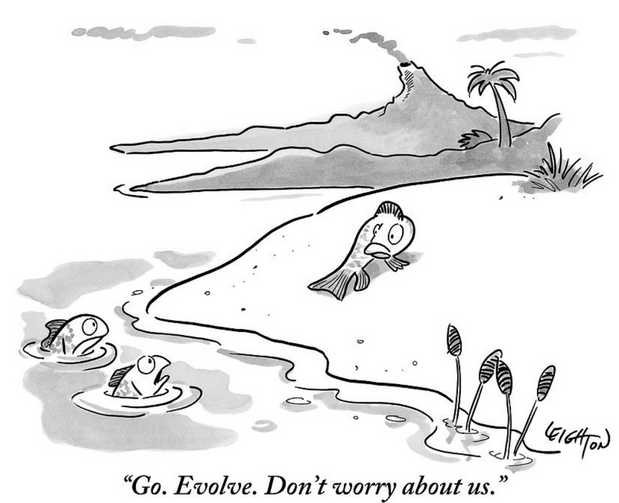
My point is that for many hours there was nothing I could do but embrace the chaos. And if there’s one thing I’ve learned from living abroad in my Home 2.0, it’s how to accept the Buddhist belief that chaos is the default state of the universe and there is precious little we can do about it. And yet, like fish insisting they can control the ocean, we keep making plans and giving God a good chuckle.
We humans cling with equal determination to another persistent illusion: isolation. “Nothing exists separately from anything else,” wrote the Buddhist master Thich Nhat Hahn. “We are all interconnected. By taking care of another person, you take care of yourself. By taking care of yourself, you take care of the other person. Happiness and safety are not individual matters.”
Interconnection is the cornerstone of many communities, including mine in Seville. Sure, you can be a hermit here if you want; I’ve met a few. But building a new life for yourself as a stranger in a strange land, you quickly learn the value of knowing people who can pull you back from the brink before you stumble into the endless small pitfalls and pratfalls lying in wait for you.
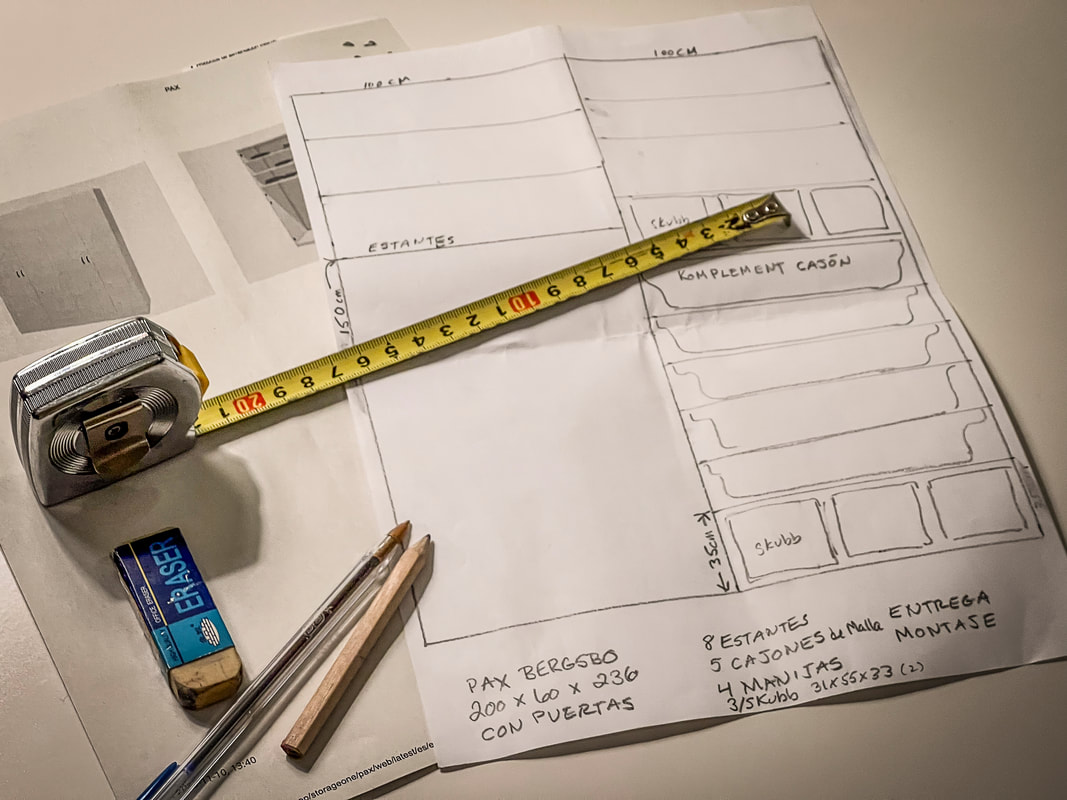
For instance, I just got back from buying a design-it-yourself armoire at Seville’s Ikea. Fellow expats warned me years ago that the Spanish word for drawers — cajónes — is perilously close to cojones, slang for testicles. I knew Ikea staffers would be too professional to fall on the floor shrieking with laughter if I flubbed the pronunciation. All the same, I memorized some phrases, such as ¿Cómo suele configurarse este armario? (How do people usually configure this armoire?) to help me tiptoe around the faux pas.
Expats know a lot about feeling clueless and helpless, and tend to be generous with information, advice, and the names of people who are enchufada — literally plugged in, that is, they have useful contacts. Such connections have saved my life, my sanity, and what’s left of my dignity on too many occasions to count.
Without friends, where are we? Lately we’ve been hearing so much about the epidemic of isolation that I suppose it’s no wonder that some folks are finding unorthodox ways to forge bonds, including cozying up to non-human entities.
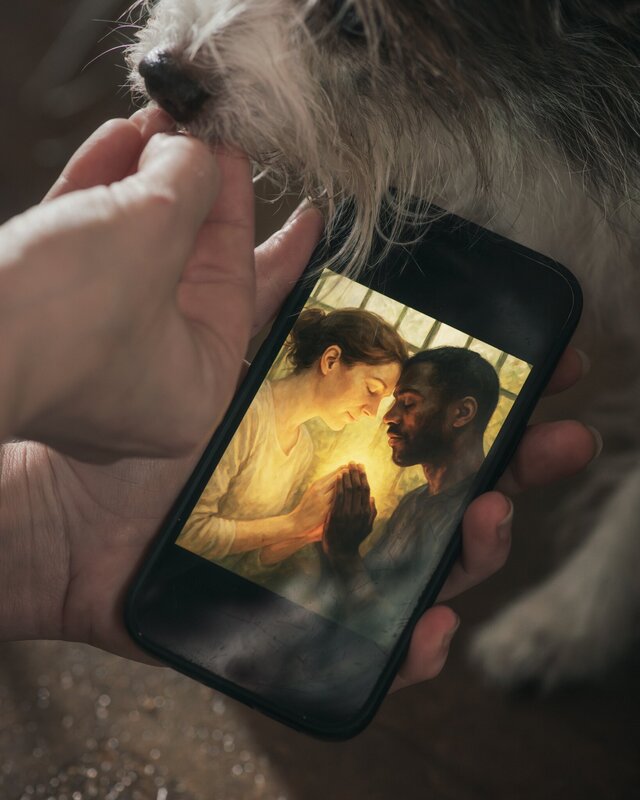
“Falling in love with A.I. is no longer science fiction,” wrote Coralie Kraft in this week’s NY Times.“
A recent study found that one in five American adults has had an intimate encounter with a chatbot; on Reddit, r/MyBoyfriendisAI has more than 85,000 members championing human-A.I. connections, with many sharing giddy recollections of the day their chatbot proposed marriage.”
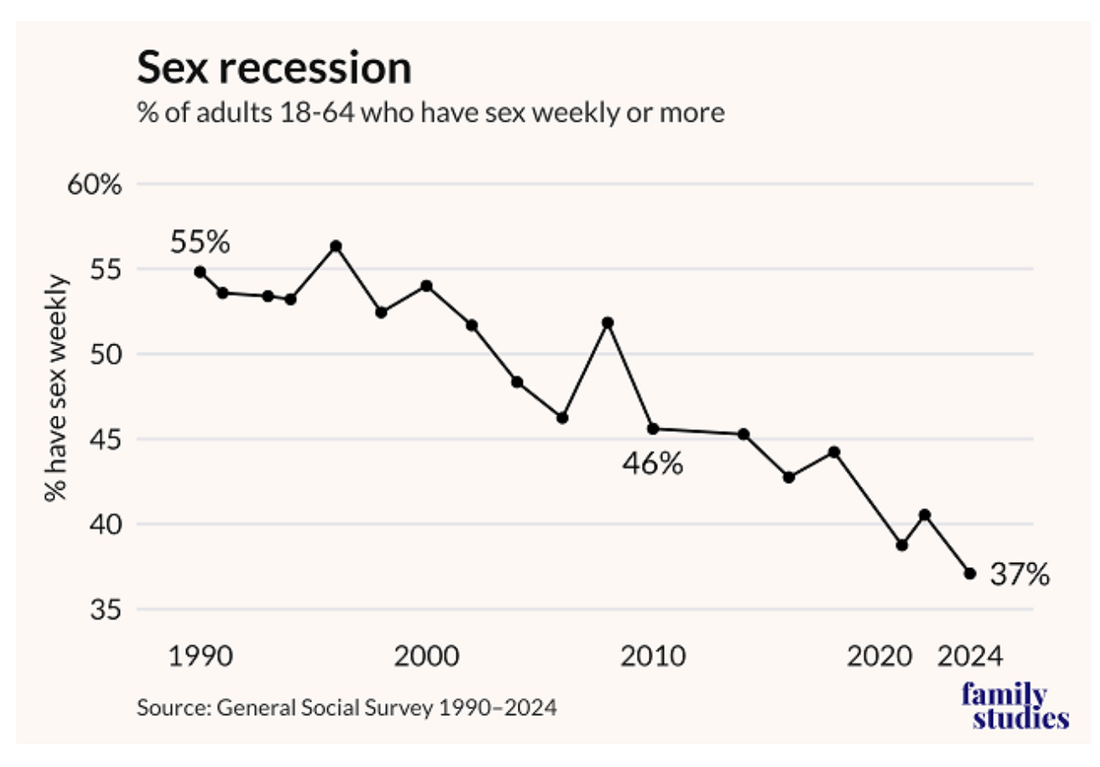
Worryingly, this comes on the heels of reports that we are in a sex recession. It started around the turn of the millennium: Americans, especially young people — even teens! — are less likely to engage in serious hanky-panky these days.
Why? Theories abound. Technology is distracting their attention. Some object on religious grounds. Many still live with helicopter parents. Youngsters are raised to be risk adverse so they are avoiding driving, dating, and drinking alcohol.
I know, right? Kids today — what a bunch of slackers!
In Japan, a million young people known as hikikomori have chosen total isolation. Unable to cope with the world’s challenges, they’ve retreated into their rooms for six months to a lifetime. No doubt many turn to chatbots for comfort. And who are we to judge? Living in the modern world isn’t easy for any of us, and like the heroes of the old tales, we often find unexpected companions to help us along the way. But without genuine human relationships, what is the point of the journey?
“The greatest hazard of life,” said Dr. Leo Buscaglia, “is to risk nothing. The person who risks nothing does nothing, has nothing, is nothing. He may avoid suffering and sorrow, but he simply cannot learn, feel, change, grow, live, and love.”
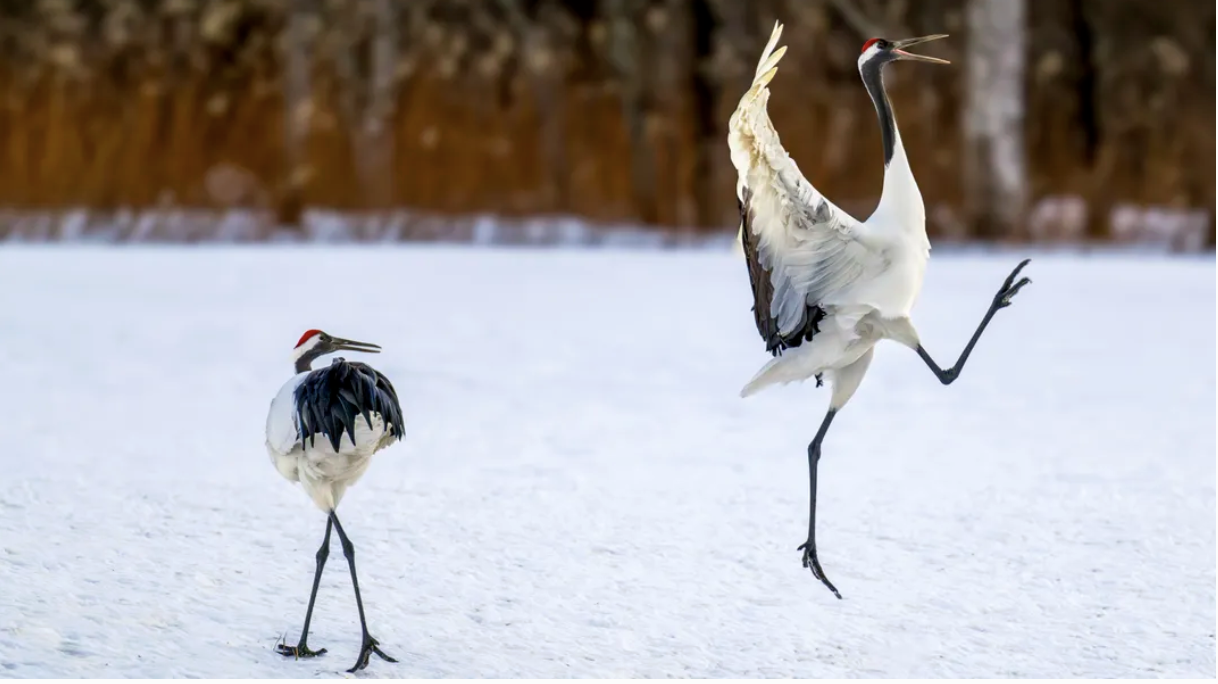
And I will add this: there are few joys sweeter than emerging from a horrible day. When the anesthetic wore off, and I stopped drooling and began forming whole sentences again, I felt like dancing down the street. I didn’t, because I figured I’d already given the neighbors enough to talk about. But inside I was turning cartwheels, doing the mambo, and singing the Hallelujah chorus. And aren’t those the very moments that make life worth living?
Leave a Reply