



How many times have you walked into the kitchen and wondered why you were there? Can’t remember? Can’t count that high? Can’t even recall what the question was?
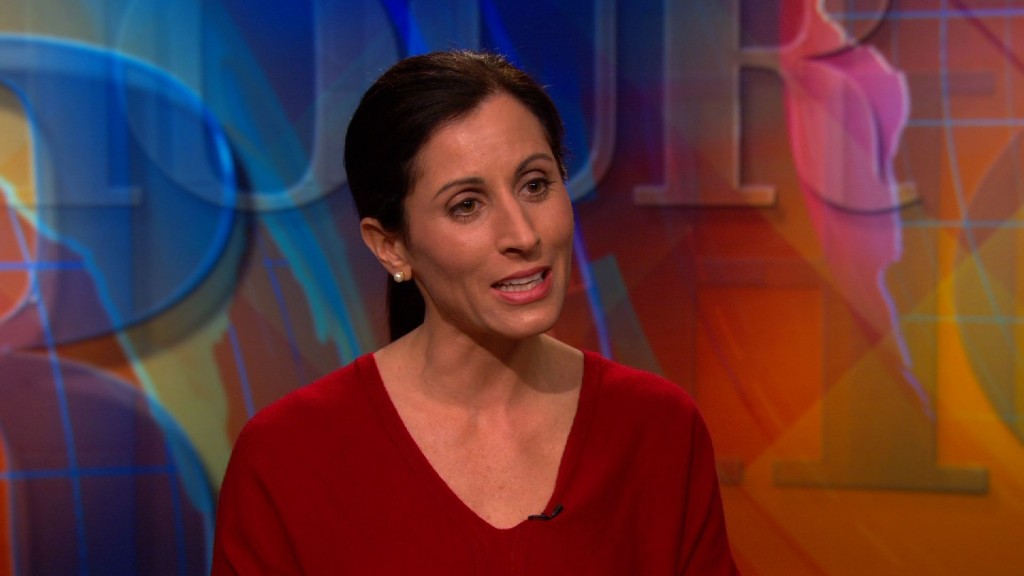
Don’t worry, this kind of forgetfulness is perfectly normal at any age, says neuroscientist Lisa Genova.
The culprit isn’t memory loss, it’s distraction
. We’re simply not paying enough attention to make those moments stick in our minds.
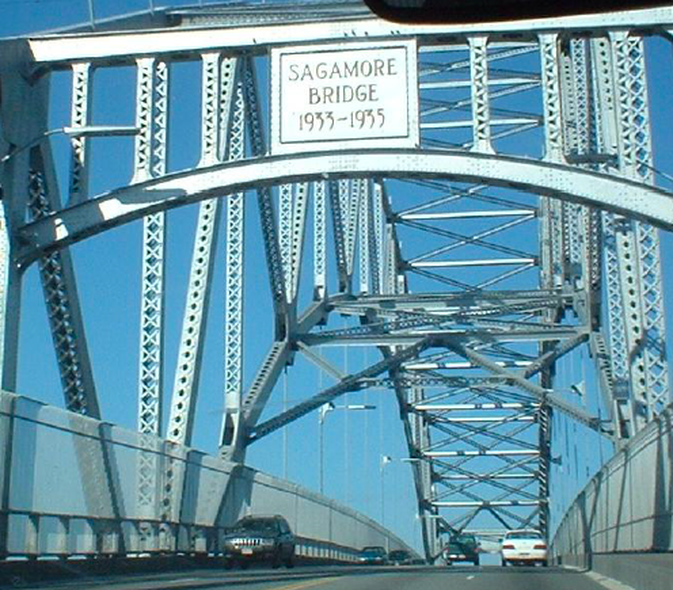
“I often drive from Boston to Cape Cod,” Genova says. “About an hour into this trip I cross the Sagamore Bridge, a really big, four-lane, cannot-miss-it structure. And then about 10 miles and a mere 10 minutes later, I’ll suddenly wonder, wait, did I already go over the bridge? I can’t recall going over the bridge because that memory was never created in the first place. It’s not enough for my senses to perceive information. My brain can’t consolidate any sensory information into a lasting memory without the neural input of attention. So because I’ve driven over that bridge countless times, and because I was probably lost in thought or listening to an audio book so my attention pulled elsewhere, the experience of driving over it slipped out of my brain within seconds, gone without a trace.”
I often cross bridges over San Francisco Bay — including the iconic Golden Gate — and minutes later I’m trying to figure out where I am and if the bridge is already behind me. I’m usually with Rich at such moments, so I tell him it’s because he’s such a scintillating conversationalist, but I’m not sure he’s buying it.
Thankfully, we can all stop worrying about such lapses. “Your memory is not a video camera recording a constant stream of every sight and sound you’re exposed to,” Genova says. “You can only remember what you pay attention to.”
Paying attention is a lot more difficult than it used to be, and I’ll give you three guesses why. Yep, you got it in one: the pandemic. The BBC reports
80% of us are experiencing some memory loss
these days, as tested by such questions as “Did you forget to tell people something important?” and “Did you start reading something only to realize you’d read it before?” Of course, going by that, I’ve been experiencing memory loss since … I can’t remember when I didn’t do it. But yes, it happens more often now.
I’m not the only one. “I had a great idea for something to put in your memory post,” Rich said at breakfast. “Only I can’t remember what it is.”
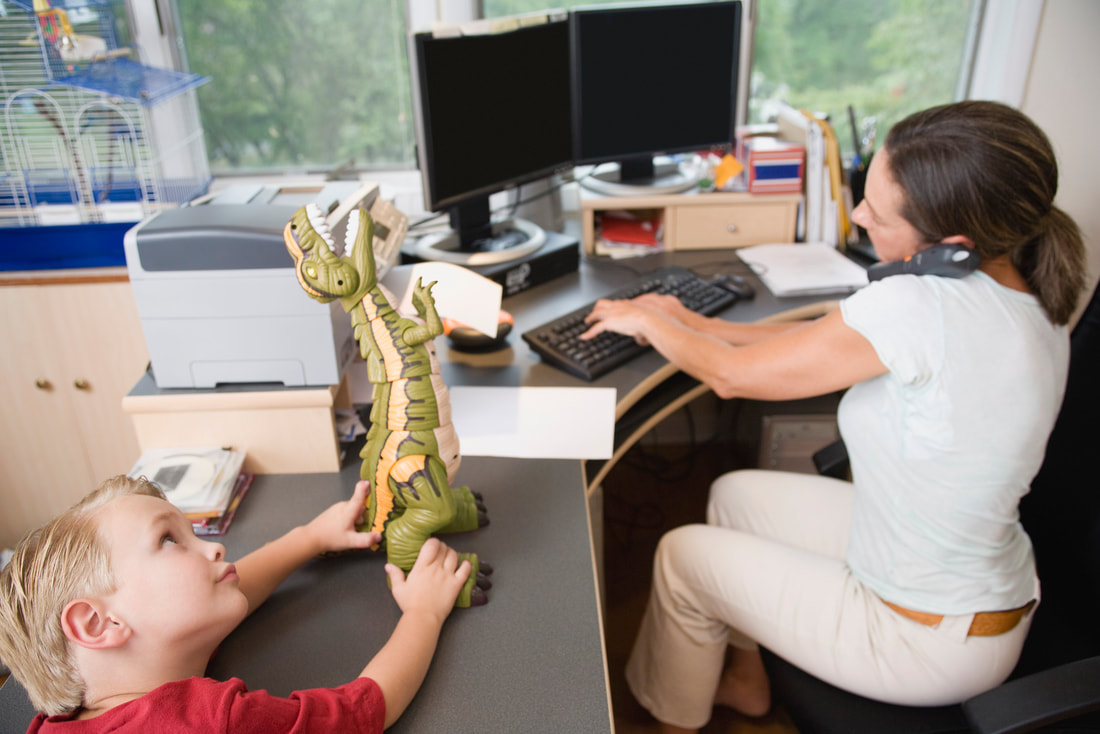
This may sound like memory loss, but it’s fragmented attention. While we’re doing other things, our minds are busy processing the latest terrifying headlines about the Delta variant and stressing about whether to cancel plans to attend that wedding in Florida. It’s like our brains have become the guy at the meeting who’s constantly texting under the table and can’t keep track of anything we’re discussing.
To “
tame the monkey brain
” as the Buddhists put it, a
Harvard Health
article suggests, “Establish some control over your situation.” Gosh, why didn’t I think of that? Just stop this pesky virus from spreading. That shouldn’t be too hard. What else? “Get a good night’s sleep.” If only! Who can sleep easy knowing that
the Doomsday Clock
, which Einstein created to measure how close we are to global catastrophe (represented by midnight), currently reads 23:58:20?
My point is, there’s plenty to worry about without fretting about memory loss as well. Most people can remember, at best, five to eight days out of the previous year (and considering our previous year, that’s a good thing). The recollections we have are constantly being edited, altered, and recombined. Ever sat around telling family stories and heard versions so wildly different from what you remember that you wonder if your siblings actually grew up in the same household?
Why would nature give us such faulty programming? Because memory’s most important job isn’t holding on to the past but letting us
construct models of possible futures
.
Prepping for a first date, a job interview, or a wedding, we collect bits and pieces of memory to create something new: a simulation of the upcoming event. Going back to the office for the first time since March of 2020, we draw on memories of the workplace, Zoom meetings, company mask policies, movies, and memes to create a narrative about what’s likely to happen and how we’ll navigate it.
This goes a long way toward explaining why people are responding so differently to the current health crisis. For instance, I know people who refuse to get vaccinated because the most persistent horror movie in their head is about the dangers of medications without full FDA approval — overlooking the fact that we all take older medications, such as thyroid tablets and acetaminophen (the active ingredient in Tylenol), that have been
sold for many years without the kind of FDA approval
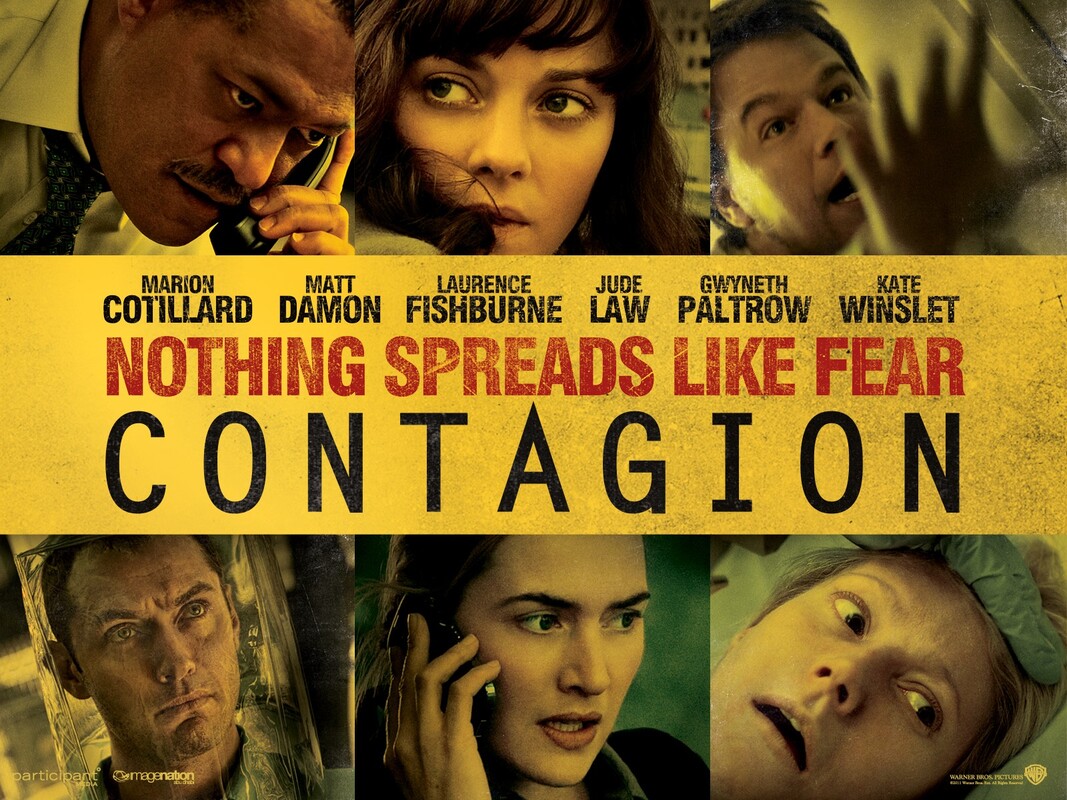
required for new drugs today. I didn’t hesitate to get vaccinated because the scenario in my head — a mix of the movie
Contagion
plus the latest Covid statistics (4,382,155 deaths and rising) — feels far more compelling.
Others I know cling to a narrative that says once they’re inoculated, the pandemic is no longer about them. They should be able to skip masks and socialize at will. Unfortunately for that viewpoint, Delta makes us all potential carriers. Nobody gets to sit on the sidelines; we are all back on the playing field.
I know what you’re thinking: why couldn’t we get total amnesia about all this grisly stuff and devote our minds to finding the car keys? Because our brains are doing exactly what they’re designed for: working with the data we have to make decisions that will up our chances of survival.
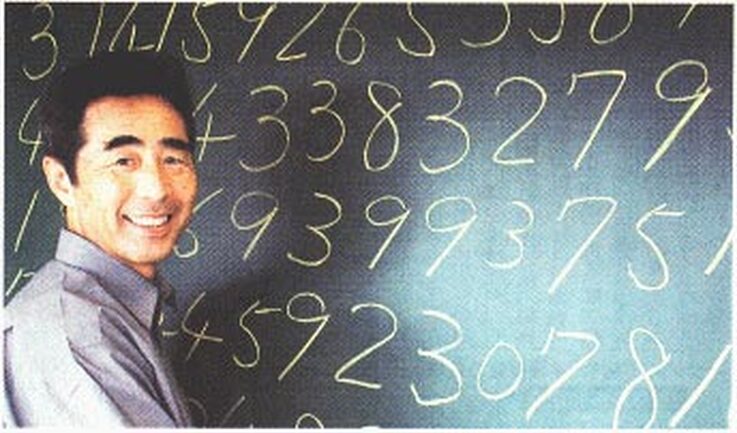
Here’s some good news: age is no barrier to mental acuity, according to Genova. She writes about
Akira Haraguchi
, who at the age of 69 memorized the infinite, non-repeating numbers of pi to 111,700 digits. “He’s a regular guy with a healthy, aging brain, which means something even more mind-blowing —
your
brain is also capable of memorizing 111,700 digits of pi.” Sorry, Genova, not on my best day at any age. But she has a point: the
science of neuroplasticity
has demonstrated that the synapses in our brains are not hardwired but change throughout our lives. We can upgrade our brain power at any age.
“I’ve got it!” Rich exclaimed at lunch. “The thing I forgot. You should write about all the stuff we can do to boost our mental capacity.” Hmmm, I thought. Like travel. And learning which “memory boosters” are urban myths. “If you don’t have room,” he added, “write about it next week.”
So that’s the plan. In the meantime, if you have any anecdotes to share on the subject of memory and how to nurture it, I’d love to read them. With luck, I might even remember to include them in next week’s post.
YOU MIGHT ALSO ENJOY
RICH’S MEMORY COURSE AND … WAIT, WHAT WAS I SAYING?
LISA GENOVA’S TED TALK ON MEMORY & FORGETFULNESS
HOW SIESTAS POWER UP OUR BRAINS
CLICK HERE TO GET
my weekly commentary on the pandemic life, road trips, and holding on to what’s left of our sanity these days.
FEEL FREE TO SHARE
this article with family, friends, and anyone who has ever lost their glasses, only to find them on top of their head.
https://www.enjoylivingabroad.com/my-blog/fretting-about-forgetting-its-normal-not-memory-loss

Leave a Reply