
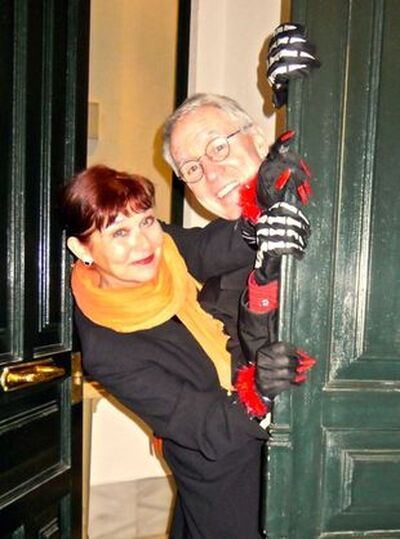
When I first moved to Seville, Halloween was not on Spain’s social calendar. Oh sure, everyone had heard of it and seen it in the movies, but celebrating it themselves? That would have felt as alien to them as we’d feel about holding the running of the bulls in New York City.
But that was nearly two decades ago, and since then, little by little, Halloween has crept into Seville’s culture. In a way, it’s a natural fit. This city can never resist the chance to party, especially in fancy dress. And everyone here loves a good, blood-curdling ghost story. Tall tales and legends have been passed down for generations — and I suspect get more dramatic with every re-telling.
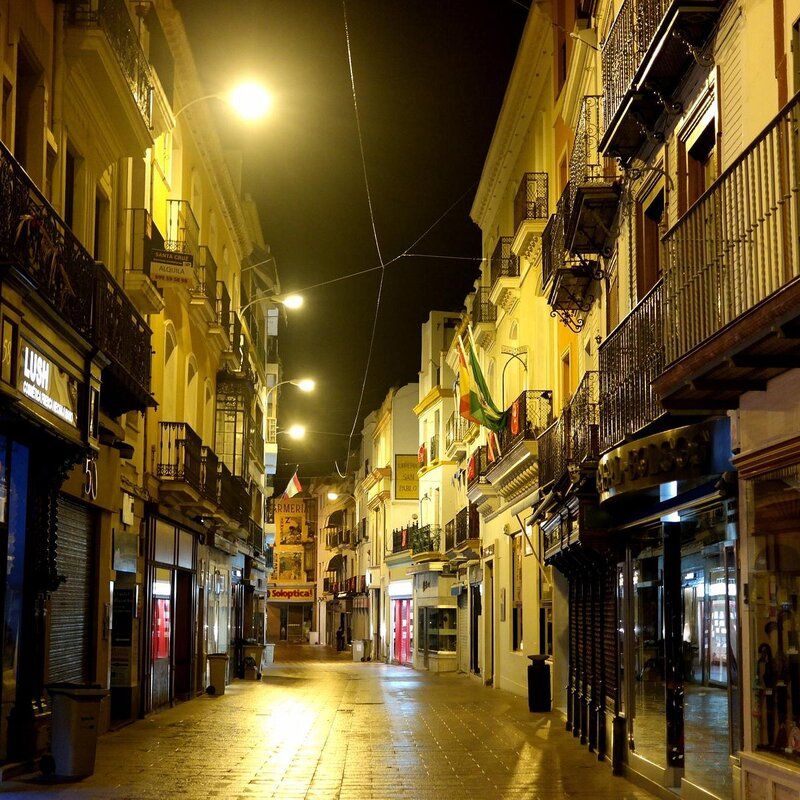
A Spanish friend told me why a long, straight street in Seville’s maze-like shopping district is called Calle Sierpes, meaning “Snake Steet.” The backstory begins during a terrible time the late 15th century when little kids began mysteriously disappearing without a trace. Families were inconsolable, civic leaders baffled.
Then Quintana, a young political prisoner in a nearby jail, offered to solve the mystery and reveal the culprit in exchange for his freedom. The authorities agreed.
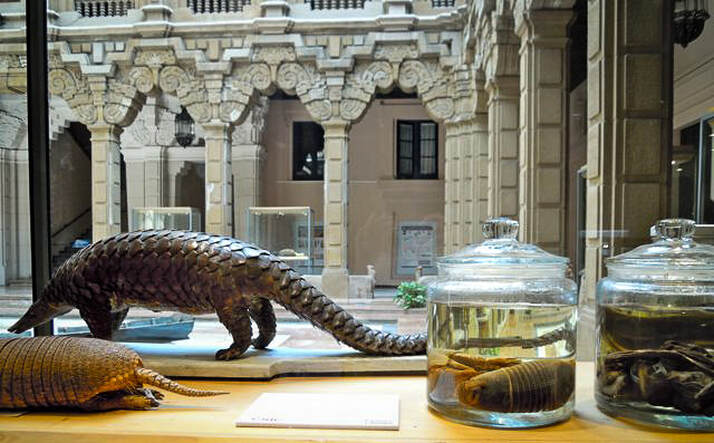
Quintana explained he’d dug a tunnel out of the jail and was making his escape along ancient Roman subterranean passageways when he came upon the villain, surrounded by the bones of many children. Being armed with a dagger, Quintana slew him and fled back to his cell, having decided against a life on the run. When he took authorities to the spot, they found the murderer wasn’t human but a giant snake. They put the serpent’s corpse on display in the street that soon became known as Calle Sierpes.
Another famous legend from that era involves Susona, the beautiful young daughter of a wealthy Jewish merchant. She was in love with a young Christian aristocrat, which didn’t sit well with either family; the Spanish Inquisition had just started, and the Christians were carrying out persecutions and pogroms against the Jews. One night, Susona overheard her father and his friends discussing the likelihood of being attacked by the Christians and debating whether they should arm themselves for a preemptive strike on the aristocracy.
Fearing for her boyfriend’s life, Susona told him what she’d overheard. That night, a group of Christian knights went into the Jewish quarter, seized the conspirators, and turned them over to the authorities; by dawn, everyone who’d attended the meeting was dead. Horrified, and knowing the community would rightly suspect her of being the informant, Susona ran to her beloved and pleaded with him to marry her right away.
“Me? Marry you!? You, who have betrayed your family, your community,” he said. “Do you think I can trust you? No, leave, you will never be my wife.”
At this point in the story, I always expect Susona to say, “And that’s when I shot him, Your Honor.” Instead she entered a convent.
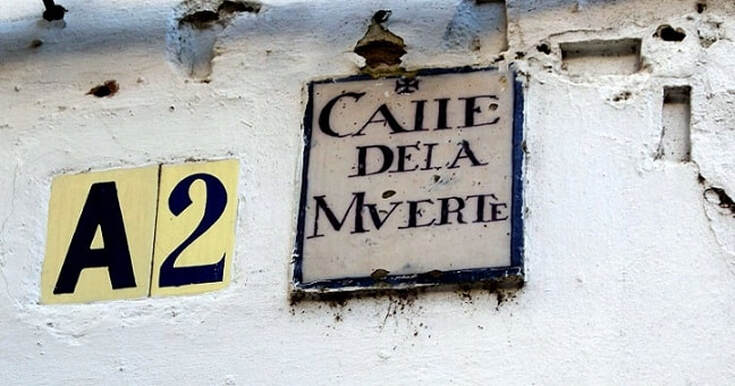
After she died, her head was hung on the wall outside her family’s house, where it stayed for 300 years; a picture of a skull still marks the spot. Everyone started calling that street Calle de La Muerte (Street of Death). Not surprisingly, this had an adverse effect on real estate values, so eventually the street was renamed Calle Susona.
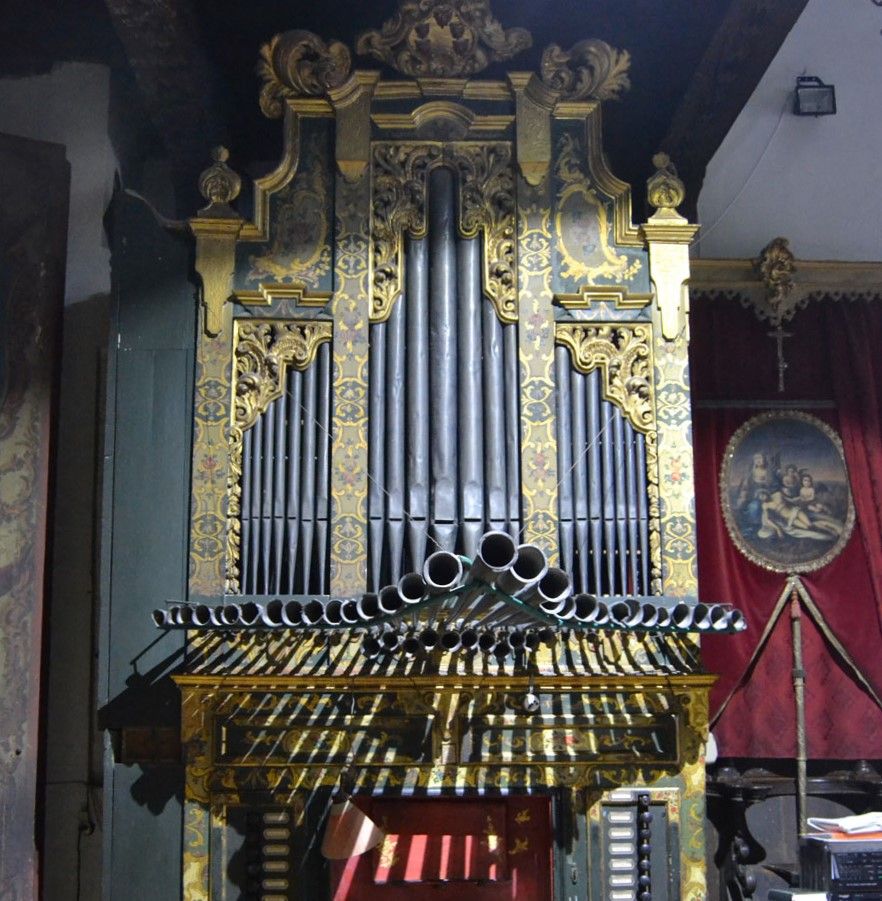
I don’t know for sure which convent Susona took refuge in, but it was quite possibly nearby Santa Inés, which has its own ghostly tale. This humble convent was blessed with a magnificent organist, the blind Maestro Peréz. His playing was so spectacular the Archbishop (and crowds of lesser folk) used to come every Christmas Eve to listen. Nearing the end of his life, Peréz still insisted on performing, even when he had to be carried in on a litter. At the age of 76 he expired just as he finished the Christmas Eve service; they found him dead at his keyboard, as he would have wanted.
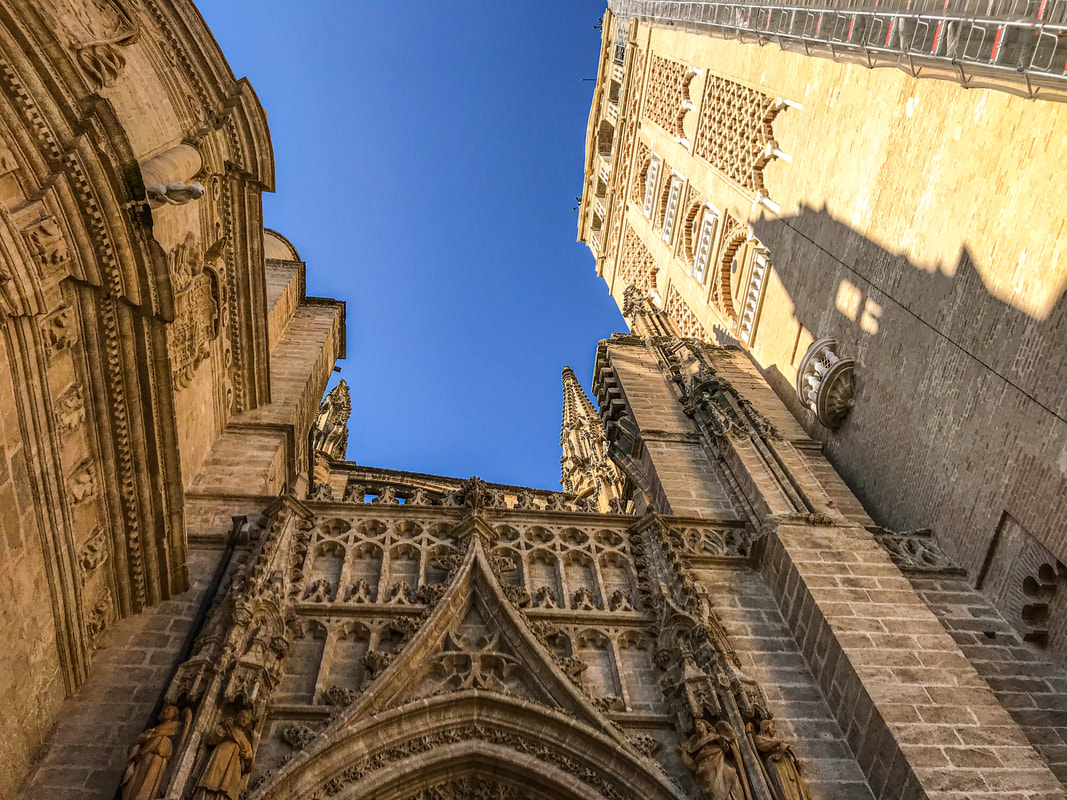
The following year another organist was hired, but of course, he could not compare. The Archbishop went to Christmas Eve mass at the cathedral instead of Santa In
é
s, and the much-reduced congregation grew restive at the poor performance. And then suddenly, the glorious music they remembered filled the church. Everyone was mystified. Then a woman screamed. People rushed up to the organ loft and saw that the bench was empty, but the organ continued playing. It was a miracle. The Archbishop was furious at having missed it.
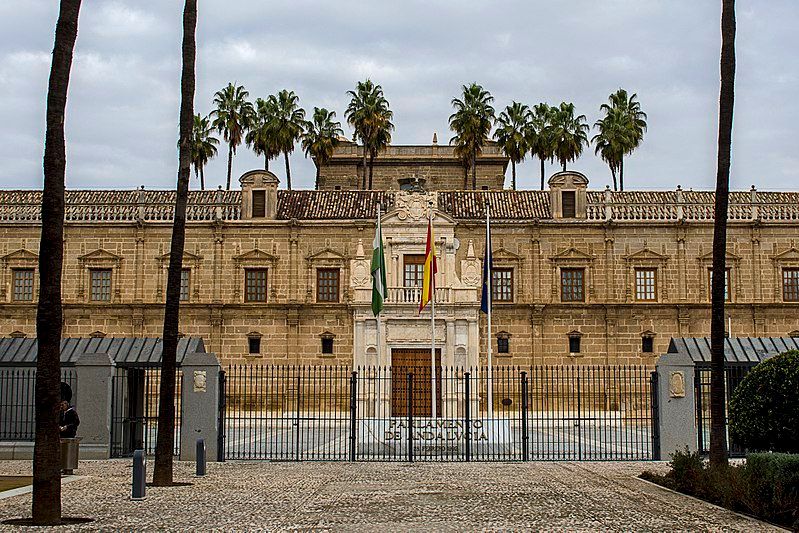
Half the buildings in Seville have some sort of ghost stories, and that includes the old Hospital of the Five Wounds. No, you didn’t need to have five wounds to go there, the name refers to the wounds of Christ on the cross: hands, feet, side. It was originally built in 1546 to care for sailors returning from the New World with exotic diseases. A century later came the Great Plague of Seville, which claimed a quarter of the city’s population. The hospital admitted 26,700 patients; medicine being what it was in those days (no vaccines, no Paxlovid, etc.) 22,900 of them perished. The hospital closed in 1972, and twenty years later became the seat of the Andalucían Parliament.
To this day, people report sightings of the malevolent nun, Sister Ursula, who stalks the corridors looking for her patients. Politicians working in the building say they’ve heard fiendish laughter, hysterical screaming, and agonized wailing, but that could just be parliament in session.
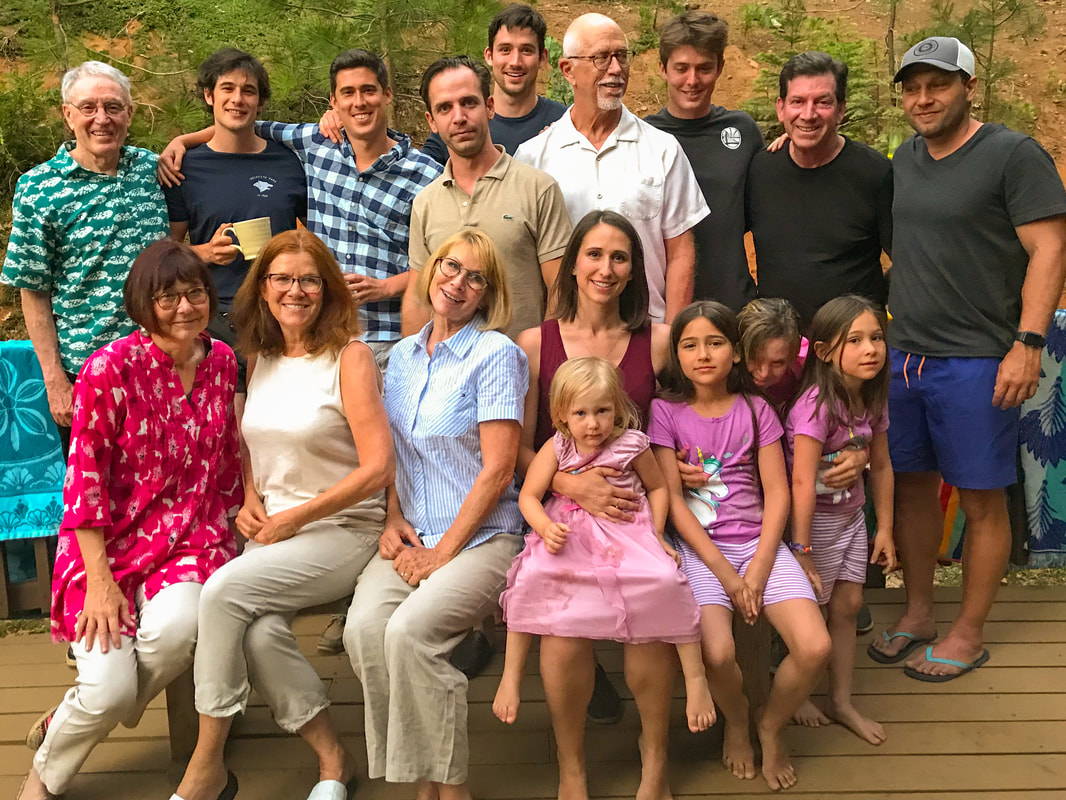
Every culture and every generation has its own ghost stories. When my nieces and nephews were younger, I’d spend family vacations at the lake telling them such classics as
the man with the hook
, the
babysitter
, and
the vanishing hitchhiker
. “It was a night just like this one…” I’d begin, watching them lean forward, shivering in delight and apprehension.
“Thanks a lot,” my sisters always said afterwards, as they loaded sandy
, overexcited
kids and damp towels back into the car. “Nobody’s going to sleep tonight.”
Sometimes I worried that scaring the living daylights out of these youngsters was wrong, even a form of child abuse. But learning to confront fear is one of the basic building blocks of life. It’s why, in spite of all the worries about sugar overload, unwholesome themes, and fears of fentanyl in the candy, we still celebrate Halloween every October 31st. It’s why Seville will continue to relish the fun of passing on its old legends until the end of time.
“All across the world,
ghost stories are designed to evoke the same thrill of unease
,” wrote journalist Dylan Brethour. “Being afraid isn’t the price we pay for ghost stories, it’s part of the package… We’re animals that are made to be afraid, our survival premised on the awareness of danger. The compensation for that fear is how it also makes us feel alive… In the end, ghost stories are a good way of holding on to something slippery. They give form to our nightmares, both petty and complex, and offer catharsis in return. And that, whether you believe in ghosts or not, makes their stories worth telling.”
WELL, THAT WAS FUN. WANT MORE?
If you would like to subscribe to my blog and get notices when I publish,
just send me an email. I’ll take it from there.
[email protected]
Yes, my so-called automatic signup form is still on the fritz.
Thanks for understanding.
YOU MIGHT ALSO ENJOY
BILLIONAIRE’S PALACE IS NOW A MUSEUM
QUIRKY, ODDBALL PLACES TO VISIT IN SEVILLE
MY MYTHS AND LEGENDS TOUR OF SEVILLE

Leave a Reply