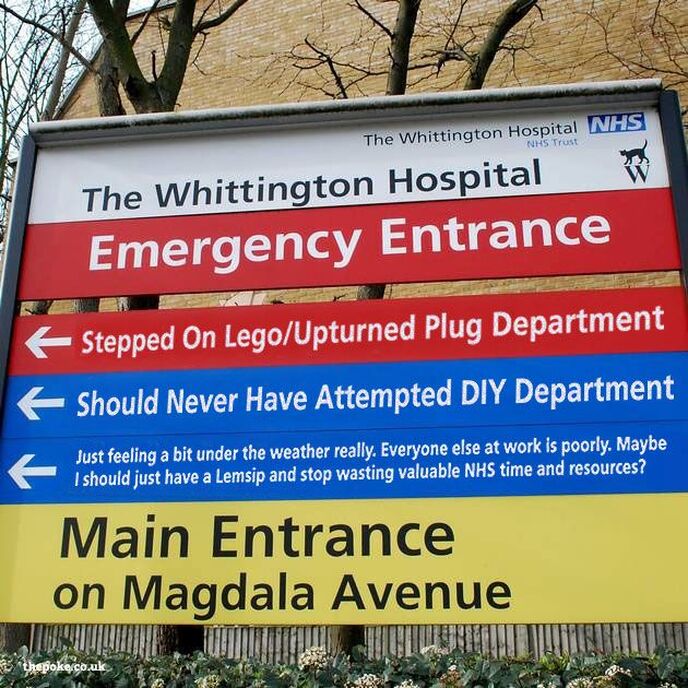
How is 2025 treating you so far? I ask because my year’s off to an extremely dubious start.
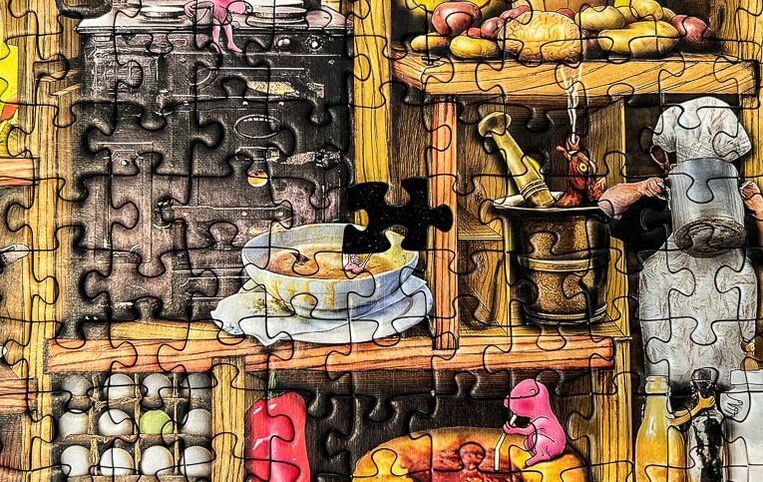
Minutes before midnight on New Year’s Eve, I opened a can of the traditional 12 lucky grapes that MUST be eaten as the clock chimes … and found 11 grapes. Hard not to read that as an ominous message from the Universe! Days later I finished the toughest 1000-piece jigsaw puzzle I’ve ever attempted … and discovered it was missing the final piece. Oh the horror! And did I mention Rich and I both got Covid? (We’re fine now, thanks for asking.)
Obviously there’s no point in lulling myself with false hope that this year’s going to be a cakewalk. The gloves are off, and 2025 and I are going toe to toe.

So I’m in survival mode, taking stock of my resources. As I roll with the punches, I’m comforted to know that if the going gets tough, Seville’s first class medical system is standing by to patch me up for the next round.
The fact Spain has an extremely modern, efficient healthcare system seems to stun my American visitors. That’s because we’re raised on the myth that any medical services outside US borders must be hideously, dangerously substandard.
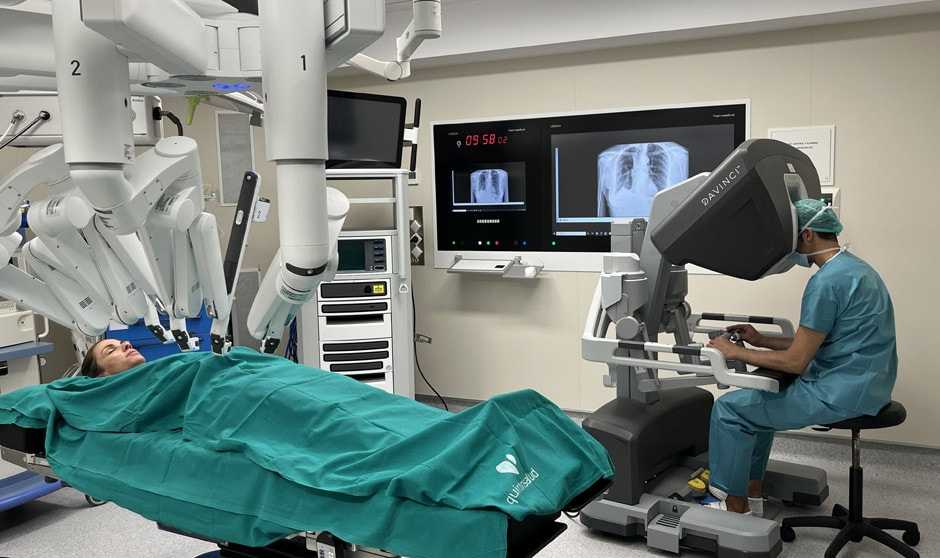
Well, hold onto your hats, folks. In the most recent rankings, Spain’s health index score was 43 places higher than that of the USA (#26 vs. #69). Moreover, Spain is becoming a world leader in medical research; it just surpassed Germany for the top spot in clinical trials. “From face transplants to robot surgeons,” reported Olive Press, “Spain has achieved many medical discoveries and innovations in the last year.”
I fervently hope I won’t need a face transplant or robotic surgery in 2025. But still, it’s great to know Spanish doctors are on the cutting edge of modern science.
“OK, fine,” I can hear certain friends muttering to themselves about now. “The care may be great but how do I access it? Where do I go? How do I manage when I don’t speak a word of Spanish?”
I’m so glad you asked. To dig deep into this question, I sat down this week with María Moreno Verd of the International Department at Seville’s premier private facility, the Hospital Quirónsalud Sagrado Corazón, now part of the German company Fresenius-Helios, Europe’s largest healthcare system. The facility was honored for emergency care and surgery in the 2024 Best Spanish Hospital Awards.
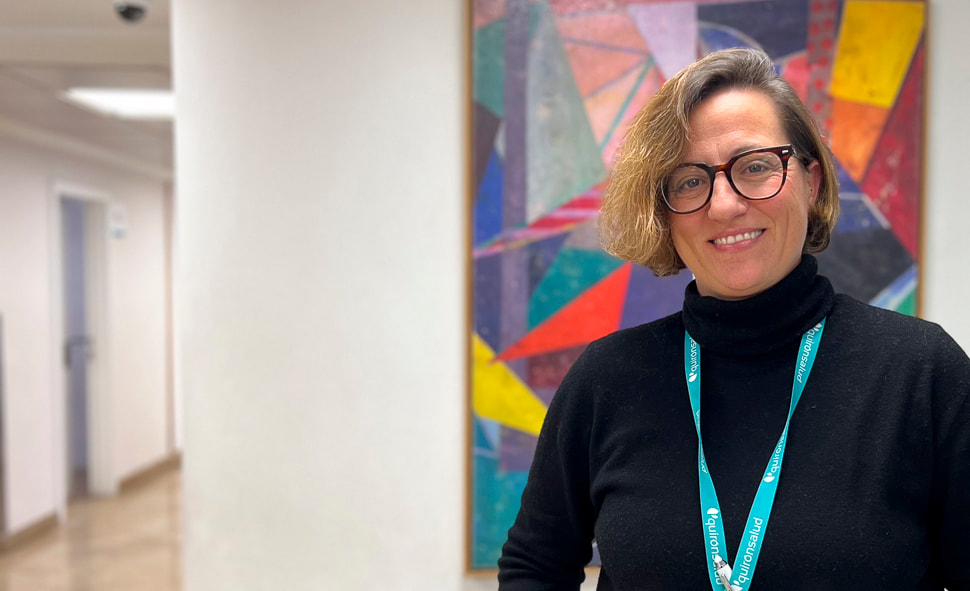
María is a professional medical translator who is thoroughly familiar with every aspect of the health system. Her first job, she says, is to calm the fears of patients. “You get anxious when the situation is new, when you are outside your comfort zone. People feel better when I approach them in their language, and I tell them that I am going to be with them all the time. I am there to listen, translate, and explain everything.”
The first thing she explained to me was the best way to access the hospital system, which is via G24, their 24/7 call center in Madrid. The number is 901123456; I’ll wait a moment while you jot that down for future reference.
G24 translators, fluent in 11 languages, will send your information to María, who makes the appointment or organizes the ER visit and arranges to be present when you arrive. G24 works with you on a Guarantee of Payment letter, based on your insurance; without it, you have to pay up front, and by European standards, care at Sagrado Corazón is not inexpensive.
Last February one of my visitors required medical assistance to remove half a hearing aid that got stuck in his ear. (And yes, the poor guy will never hear the end of that little misadventure!) He was so flustered that he walked out of his rental apartment without grabbing his wallet, arriving at Sagrado Corazón with no ID, no cash, no credit card, no insurance card, nothing.
Luckily he did think to bring me along. I didn’t know about G24 back then, so we were ER walk-ins. While I paid the 400€ ($413) deposit, a relative back at the rental apartment found my friend’s ID and texted us a photo of it. Paperwork done, we waited nearly an hour. The actual procedure took ten seconds, and the doctor, nurse, my friend, and I all cheered mightily when the deed was done. The staff refunded 70€ ($72); they’d rounded up, just in case. My friend was reimbursed by his insurer when he got home.
You can never prepare for every medical emergency, but when traveling abroad — or staying home, for that matter — it’s a savvy move to keep everything on this checklist easily accessible on your phone.
Prescriptions, which in Spain may be available over the counter.
Medical records of major health issues, such as recent surgeries and chronic conditions. Pictures help, in case of a language barrier. If your records are on a health portal, make sure you know the password.
Verification of your travel and regular health insurance. Travel insurance is a very good idea, and remember, Medicare doesn’t cover you outside the US.
The local emergency phone number. In Europe it’s 112 for everything, like our 911. For more far-flung trips, we have the Emergency Call app.
The name/location of top hospital(s). A public ambulance will take you to the closest facility; G24 can dispatch a private ambulance that will take you to Sagrado Corazón.
The name/location of a reliable clinic. I have insurance with Sanitas and often take visitors to their clinic for minor stuff. Even without membership, it’s much less expensive, around 60€ ($62) for a walk-in exam or prescription renewal. If something’s beyond them, they’ll send you to Sagrado Corazón.
Bonus tip: Get receipts! Usually these will be in Spanish, but that doesn’t matter. You’ll need them for reimbursement later.

“Be sure to tell your readers how nice everyone is at the hospitals in Seville,” my sister-in-law said, when I mentioned I was writing this post. Deb should know; in 2020 my brother tumbled headlong off his bicycle and wound up in the public Hospital Universitario Virgen Macarena. Mike had a CT scan, X-rays, and extensive first aid. Total cost: 199€ ($205).
Although Virgen Macarena doesn’t normally provide translators, they found someone to assist. “I cannot express how ginormous this place was,” Deb said. “And yet everyone was incredibly helpful. They seemed to really care about us. We were real to them.” When the last test results confirmed Mike was OK, everyone around them burst into applause.
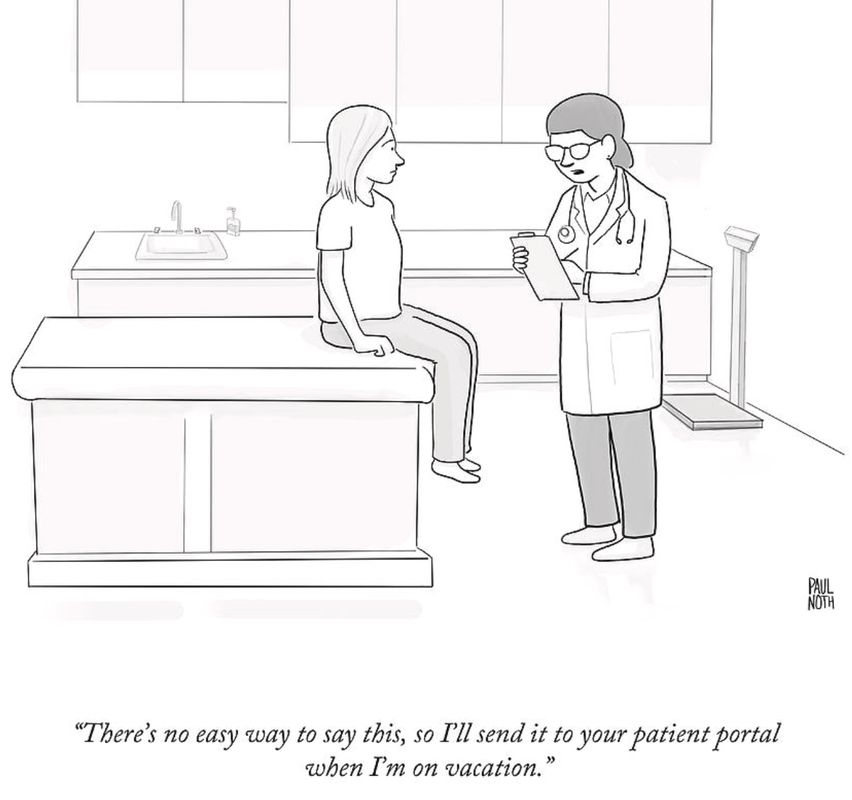
Being surrrounded by people who care makes all the difference. I suspect it boosted Mike’s ability to bounce back from his scrapes and bumps — no small consideration for a man of 70. A meta-analysis conducted by the National Institutes of Health showed that “Higher levels of psychological stress experienced by hospital inpatients are associated with poorer patient outcomes.” To feel good is to heal better.
It pays to be prepared — especially in 2025, which is bound to include plenty of shocks and wallops. But we don’t have to take them lying down. When my New Year’s grapes numbered 11, Rich sprinted to the kitchen, found another can, tore off the top, and returned with the extra grape just in time for midnight. Whatever good luck I have this year, I owe to him. Now, if he could just find that missing puzzle piece…
Leave a Reply