
“Travel is no longer just about ‘going somewhere.’ Coming out of such a long period of constraints and limitations, 2022 will be the year we wring every bit of richness and meaning out of our experiences.”
Christie Hudson, Expedia
I’ve been getting lots of emails from readers with questions about making the most of 2022’s wider travel opportunities. In an effort to keep up, this morning I was skimming a
NY Times
article. Hmmm, yes, as expected, “fewer restrictions … hotels with robots …
sexual healing
.” Wait, what? That’s a travel trend right now?
Yes indeed, says the wonderfully named Schlomo Slatkin, a rabbi and relationship therapist who runs retreats in exotic locales offering
“no blame, no shame” couples therapy
. “Going away is really powerful, because changing the relationship requires a paradigm shift. The lockdowns brought out a lot of maintenance issues in relationships that need to be addressed.”
Helping people rescue relationships that have run aground on the rocks of the pandemic — that’s a bit outside of my wheelhouse. I can, however, speak to the question of finding richness and meaning in our journeys. For instance, several readers have asked, “How can I keep my husband interested? All through Europe he keeps saying, ‘If you’ve seen one cathedral, you’ve seen them all.’”
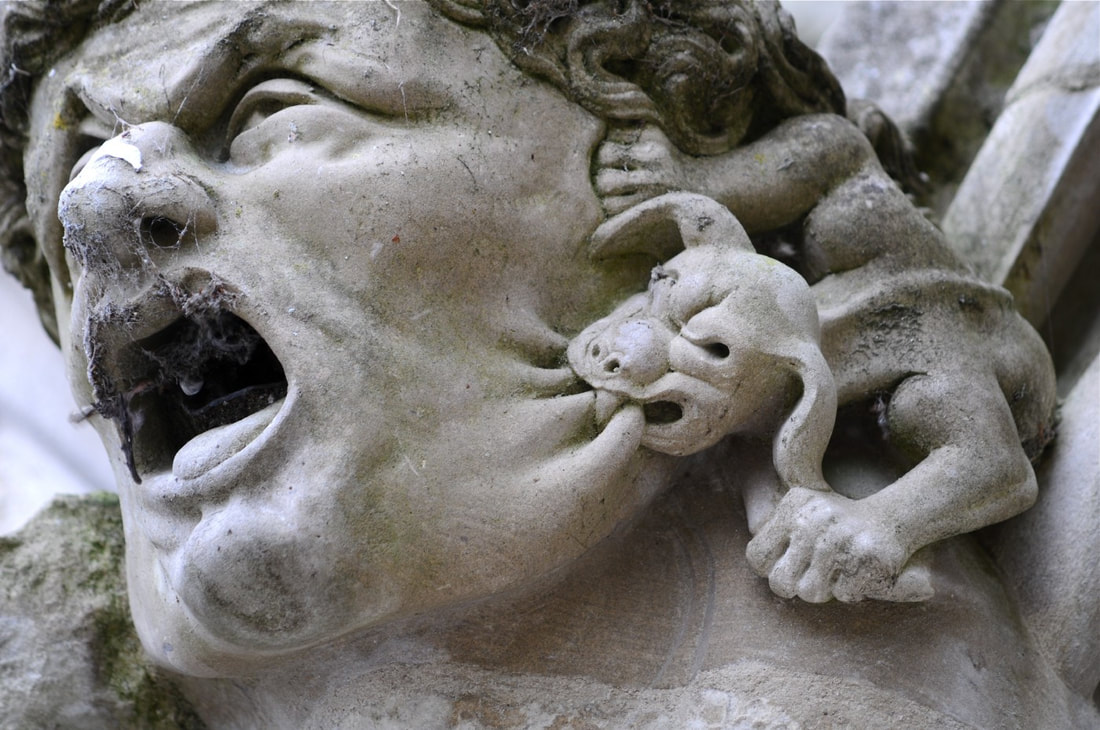
Perhaps the husband in question doesn’t fully appreciate just how quirky these old cathedrals really are. While theoretically built to praise the glory of God, they’re often monuments to human ego, one-upping the neighbors, finding a place to put all the weird stuff your ancestors brought back from the Crusades, making sure some miracles get attributed to the saint underneath the altar, and housing objects of local pride. In short, if you know how to read them, cathedral walls can be as sensationalist as today’s tabloid headlines.
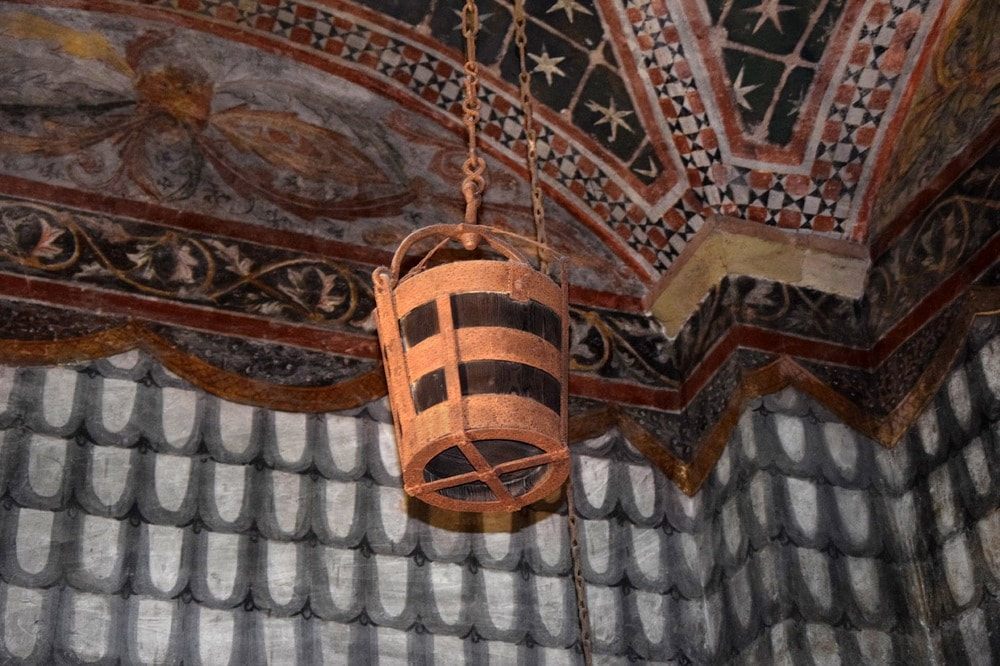
Say, for instance, you’re touring Modena, the lovely Italian town that gave the world Pavarotti, cars such as Ferrari, Lamborghini, and Maserati, and fancy balsamic vinegar. You might breeze through the cathedral without ever noticing the object that kicked off the War of the Bucket in 1325.
At the time, the Holy Roman Empire and the Roman Catholic Church were locked in a power struggle for control of Europe. Modena backed the Empire; neighboring Bologna supported the Vatican. The two city-states engaged in many scuffles and skirmishes, with a few buildings torched here, an unlucky soldier ambushed there, and plenty of bravado and braggadocio all around.
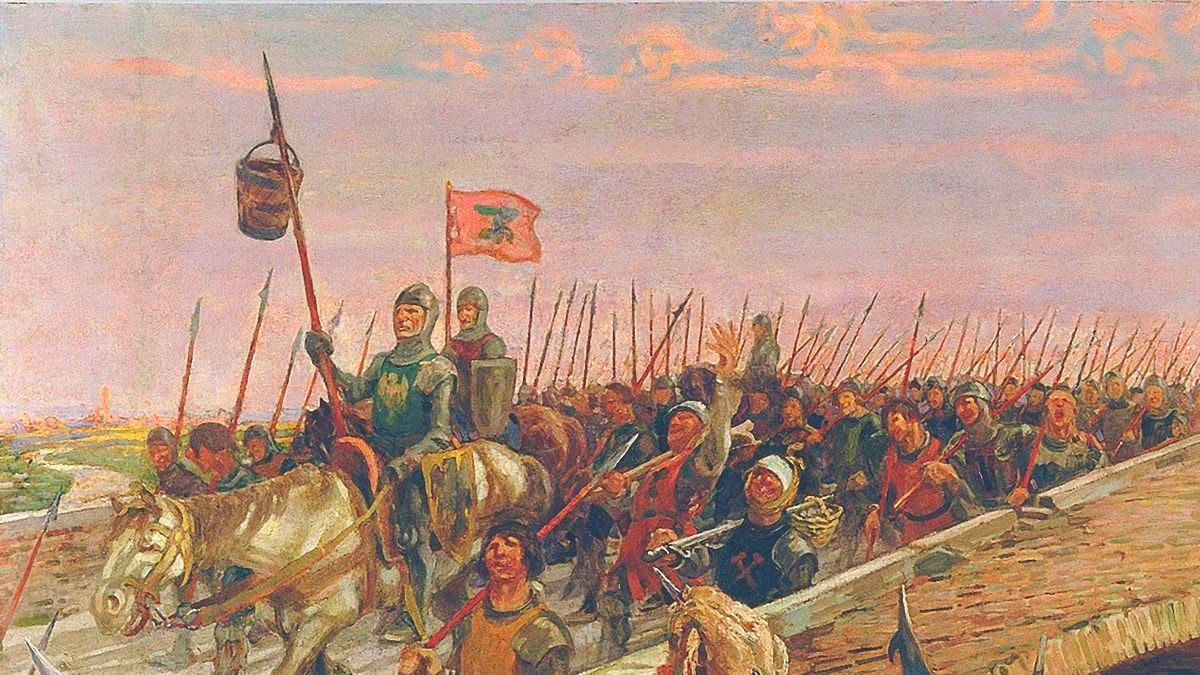
Then a few merry pranksters from Modena’s army had the bright idea of sneaking into downtown Bologna and stealing the wooden bucket from the city’s main well. As soon as they were back outside the gate, they brandished their trophy with appropriate expressions of derision and took off home.
Bologna demanded the return of their property. Modena jeered. Bologna said to give it back or else! Modena scoffed. Goaded beyond endurance, the Bolognese declared war on Modena.
Bologna assembled 30,000 foot soldiers and 2000 mounted cavaliers and marched to the advantageous high ground near what’s now the town Zappalino. Modena gathered just 5000 foot soldiers and 2000 horsemen on the plane below — but these were battle-hardened veterans who knew a thing or two about tactics. And by now, they were pretty fed up with the Bolognese attitude. It was just a bucket, for heaven’s sake! Where was their sense of humor? Time to get this over with.
A few frenzied hours later, the surviving Bolognese were running for their lives, making a mad dash back toward their city’s main gate with Modena’s army whooping, hollering, and nipping at their heels. Modena’s troops then held a mock horserace in front of the enemy’s gate and tossed snarky remarks over the battlements at the seething Bolognese.
After wallowing long and hard in their victory, Modena packed up to head home. Some versions of the tale claim that at this point they stole another bucket from a nearby well and waved it at Bologna in a mocking manner. I wouldn’t put it past them. The original bucket is locked away inside the cathedral, but the replica is on permanent display, a reminder that you mess with Modena at your peril.
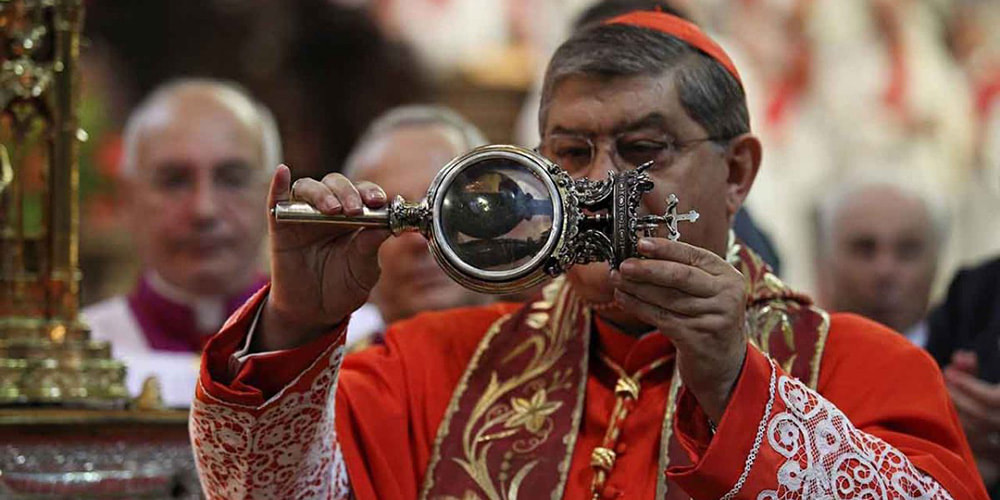
Of course, much of the real drama revolves around religious relics, which are bits of a saint’s body or possessions that are believed to have miraculous powers. For instance, the dried blood of St. Januarious, patron of Naples, is said to liquify in emergencies and is credited with saving the city from the eruption of Mt. Vesuvius in 1631. Nice work, Januarious!
Paris claims possession of the actual
crown of thorns
placed on Jesus’ head during his last hours; it was in Notre Dame until the fire, when it was taken to the Louvre. More dubious sources suggest his beating heart lies beneath the Basilica of the Sacred Heart. Naysayers question the validity of many relics, including the three different foreskins said to have survived from Jesus’ circumcision (all were debunked). And what a miracle it would be if
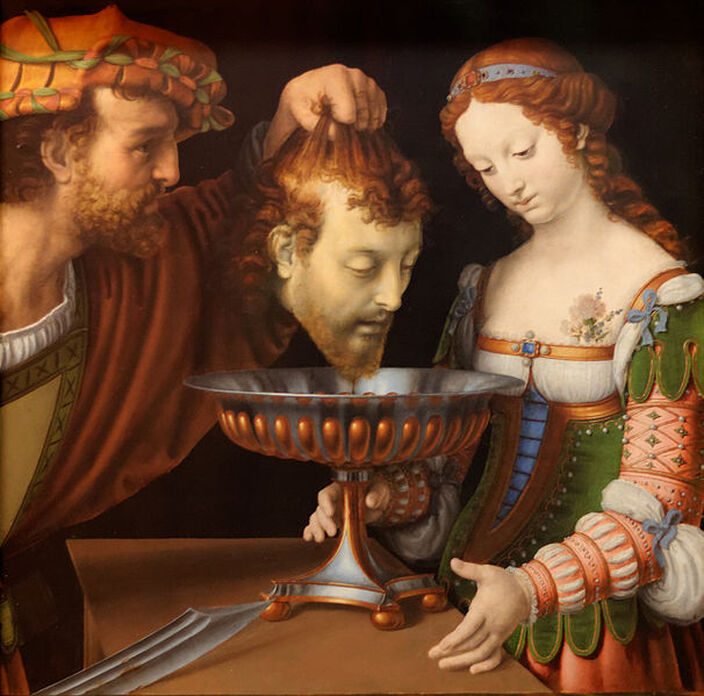
all six of St. John the Baptist’s heads
(held in the Umayyad Mosque in Damascus, Rome’s San Silvestro in Capite, Munich’s Residenz Museum, Amiens Cathedral in France, a chapel in Antioch, Turkey, and a parish church in Tenterden, Kent) proved to be real.
And then there are the impossibly anachronistic sculptures on Salamanca’s cathedral. Hidden among the
sixteenth century carvings around the main door there’s an astronaut
in a spacesuit. Naturally this has given rise to endless speculation about time travel, alien visitations, and ancient prophecies. Incredibly, not one of those theories is true; the figure was added during repairs in 1992. As is the custom with cathedrals, sculptor Jeronimo Garcia was given permission to add a few touches of his own and decided to have some fun.
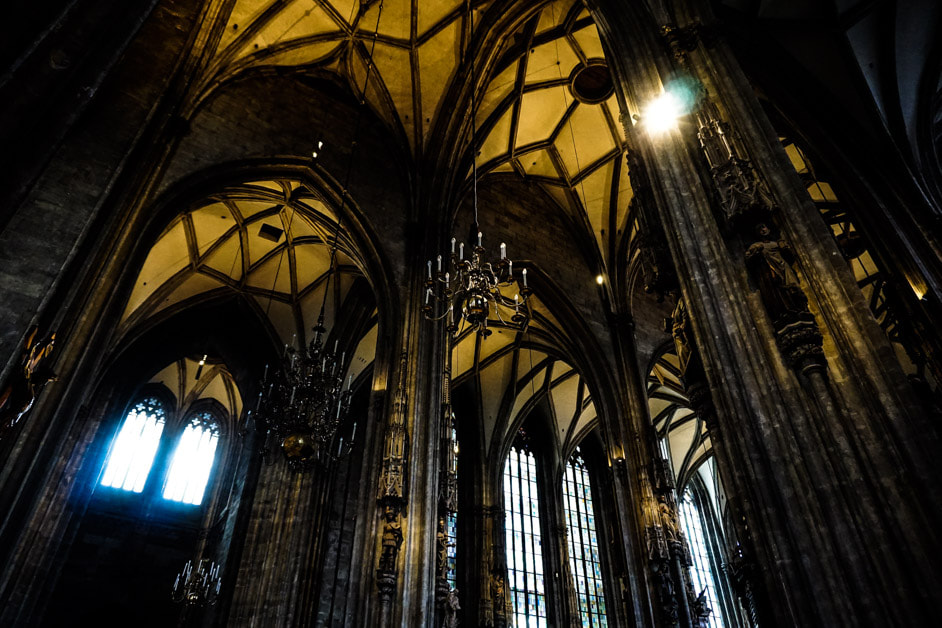
Just about every cathedral houses a spooky crypt, and few are creepier than the one below Vienna’s
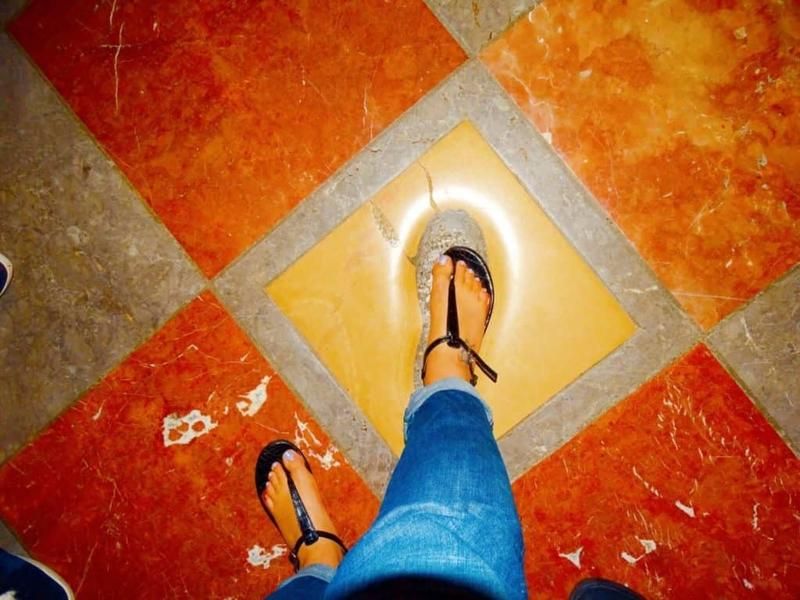
St. Stephen’s cathedral
. During the Black Death (bubonic plague) of 1735, the eight cemeteries abutting the cathedral were emptied, and 11,000 bodies, old and new, were dumped into catacombs beneath the cathedral. Not surprisingly, the stench became so unbearable nobody was showing up for mass. What to do?
A few unlucky prisoners were dispatched to go down and rearrange the remains, removing flesh and stacking bones neatly, skulls over here, femurs over there, etc. They never completed the task, so deeper sections remain in horrific disarray. In a more upmarket section, you’ll find the Ducal Crypt, which for some unfathomable reason contains 60 jars of imperial intestines, including the stomach of Empress Maria Theresa. (Suggestion: visit at Halloween.)
My point is that cathedrals aren’t all about boring tributes to pious saints; they chronicle bizarre and blood-curdling chapters of our collective past. It’s easy to scoff today, but many of these traditions have given countless generations a thrilling sense of connection with mystical forces beyond human comprehension. And they can add some excitement to your visit, too. Do a little research ahead of time, and you may find enough lurid tales to fascinate even the most reluctant travel companion, turning “just another cathedral” into a rich and meaningful adventure you’ll talk about for years.
Speaking of warding off evil spirits, I am happy to report that Rich and I have recovered from Covid. We are testing negative and back among the living. Yay! Many thanks to all of you who wrote to wish us well.
YOU MIGHT ALSO ENJOY
THE DEVIL’S FOOTPRINT IN MUNICH
THE SIX HEADS OF JOHN THE BAPTIST
YES, THE HOLY GRAIL IS IN VALENCIA

Leave a Reply