

Just watching
the videos
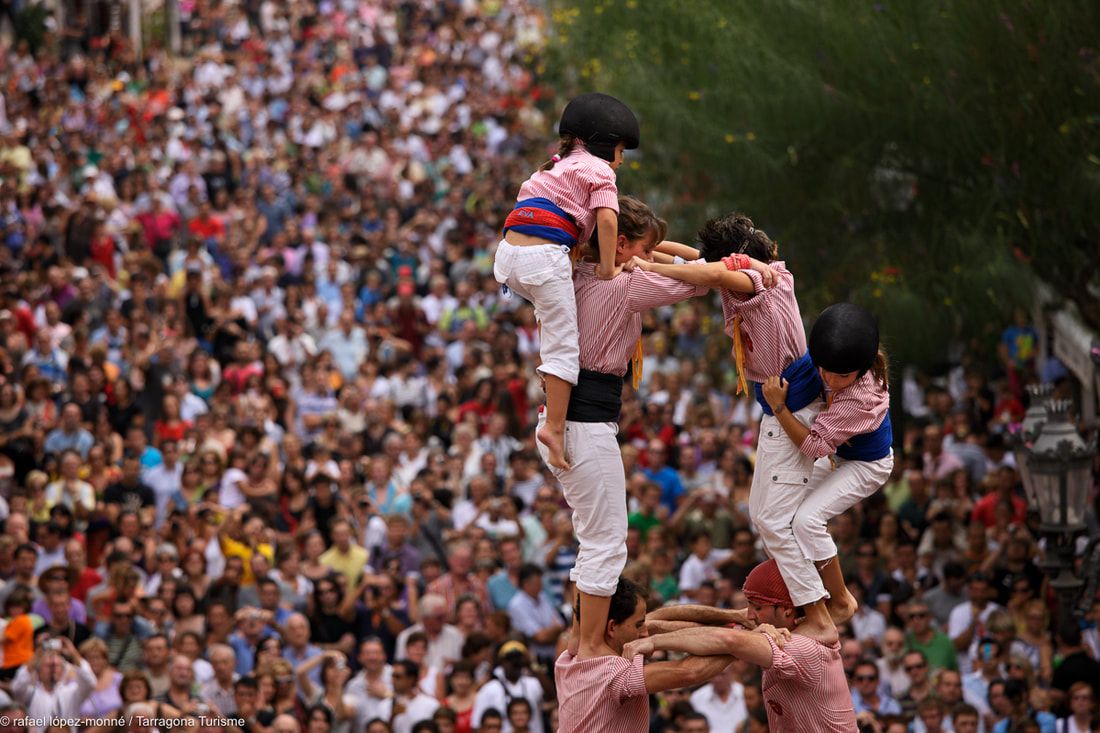
makes me weak in the knees. First the strongest men form a base and begin constructing the human tower. Then lithe, sinewy women clamber over them to build the higher levels. And finally, when everyone is in place and you can see their muscles trembling with effort, a little girl begins to ascend. She is the
enxaneta,
the crowning glory of the human tower, a child of seven to ten years who climbs over the adults to reach the top some forty feet in the air. Her only safety net: the bodies of her teammates below.
“OK,” I said to Rich, “mark that down as another activity I am never taking up, right along with bungee jumping, bull fighting, and investing in cryptocurrency.”
“You’d have to be nuts,” he agreed.
I nodded happily and added Tarragona, home of the human tower since 1712, to my ever-expanding list of possibilities for our forthcoming Nutters Tour.
What is a nutter? The term started out as a surname for someone who worked as a scribe (
notare,
in Latin), a profession not generally known for its screwball antics. Yet somehow, as it evolved into Middle English, the word became associated with eccentrics, risk-takers, and odd ducks. It embraces a broad spectrum of unconventional behavior, from the ancestor who first said, “Hey, maybe the animals we catch would taste better cooked” to folks who think forming a human tower sounds like fun. The history of the human race is rich with colorful, outside-the-box characters. Some — such as Leonardo da Vinci, Madam Curie, Steve Jobs, and Greta Thunberg — are household names, while others have gone unsung, their works long ago forgotten or continuing in quiet, Instagram-free obscurity today.
The Nutters Tour is my chance to bring some of those zany nonconformists and their hometowns into the limelight. Spain is particularly blessed with eccentrics of all stripes, and I have been researching them for months — knowing that Rich and I will probably veer off frequently from our already loose itinerary. Possibly right out of the starting gate. We are beginning in the city of Jaén (pronounced Hi-YEN), and a Spanish friend, hearing about this Saturday at lunch, recommended a side trip from Jaén to the nearby historic town of Úbeda. Apparently there’s a common Spanish phrase “
andar por los cerros de Úbeda”
(literally ‘to walk around the hills of Úbeda’), meaning “to go off at a tangent.” Could this be a sign from the Universe?
Right now, all I really know for sure is that the Nutters Tour of Spain officially launches on Wednesday, and I’d be counting down the hours if only I had a few spare seconds or brain cells to devote to the task. Time is passing in a blur of laundry, last-minute purchases (why do I never have enough decent socks?), and farewell lunches, dinners, drinks, tapas, and coffees with friends.
My apartment’s back room is festooned with drying clothes, stacks of stuff I’m planning to bring on the trip, and scattered birdseed. The local songbirds, having ignored Rich’s birdfeeder for five and a half months, chose this week to realize those lumpy objects inside it were actually yummy avian comfort food. They are expressing their joy by flying in through the open window and holding parties all over the room. I’ll be shaking birdseed out of the creases of my clothes from here to Madrid.
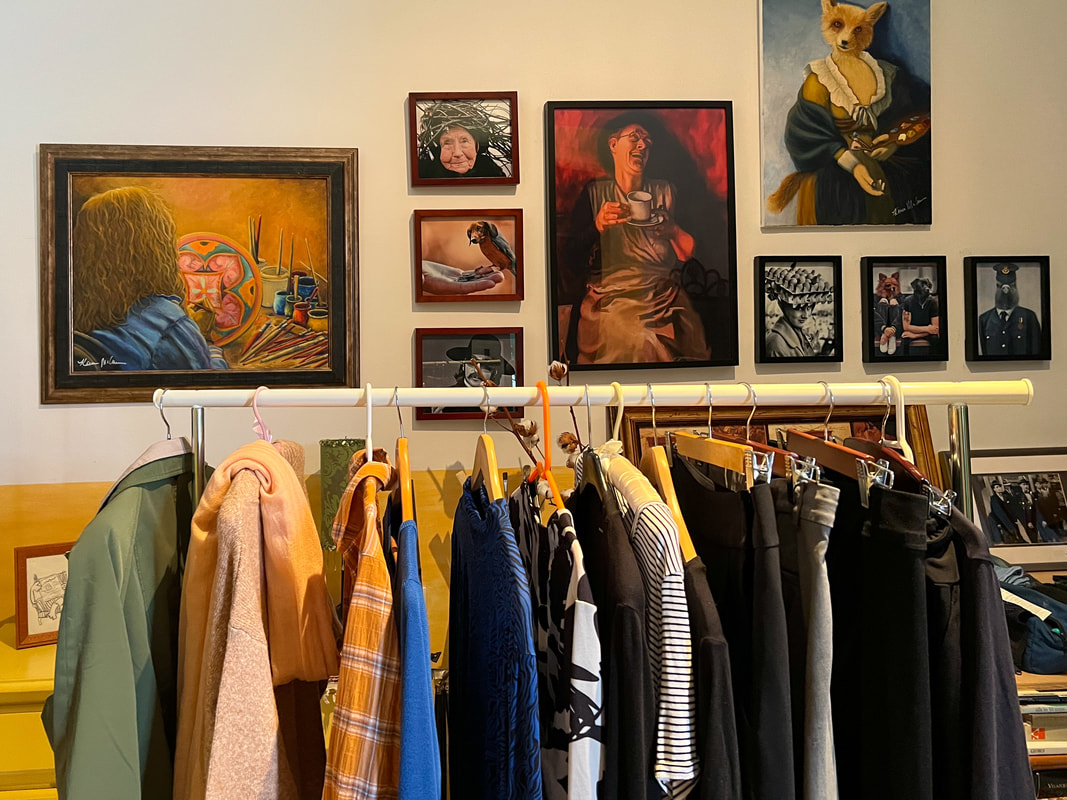
And speaking of my clothes, I know some of you are curious about what I’m packing, so here’s my list. Experience suggests that I can jam this much into my carry-on suitcase, and I’m pretty sure the layers will keep me comfortable during the variable spring weather and our eventual flight to California for the summer.
Rain jacket
17-pocket vest
Sweater
Scarf
Three pairs of trousers
One pair of yoga pants for workouts & sleepwear
Four shirts
Two long-sleeved t-shirts
Two short-sleeved t-shirts
Lightweight cardigan
Undergarments & socks
Two pairs of sturdy shoes
One pair of slippers
Laptop
Kindle
iPhone
Toiletries and meds
Sleep mask
Notebook, pen
Collapsible umbrella
Railway map of Europe
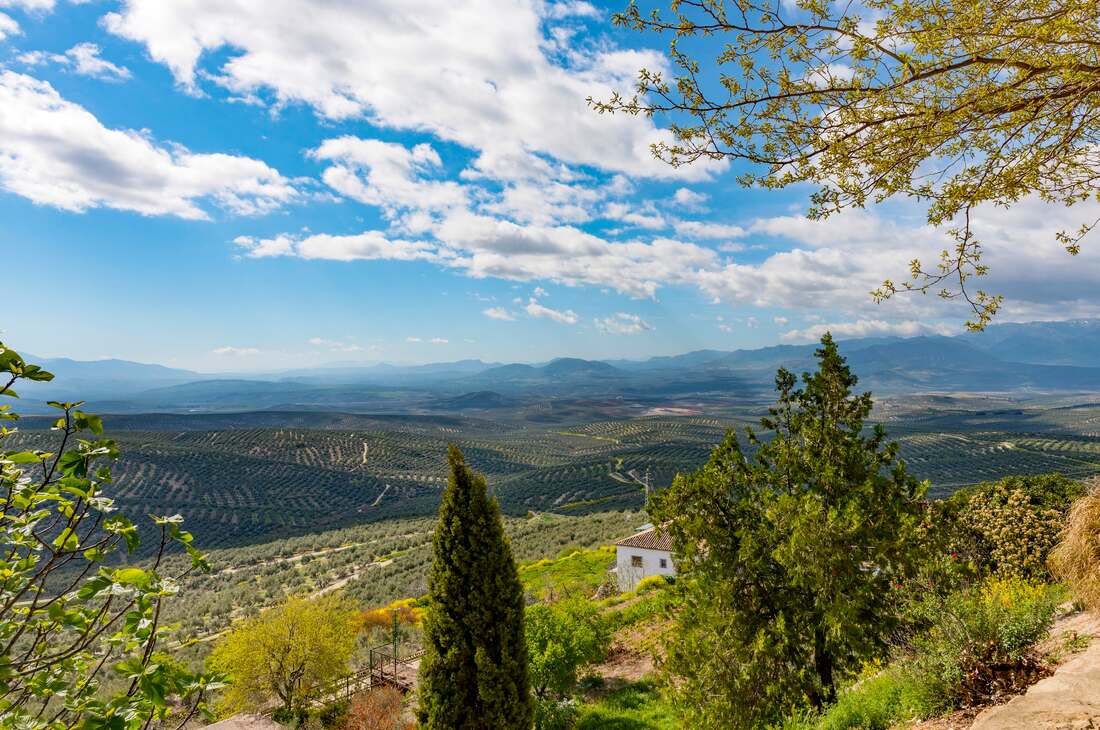
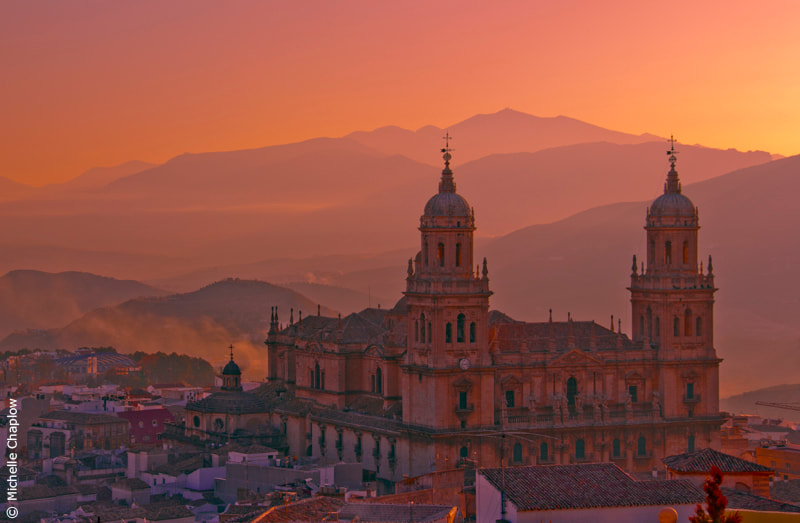
On Wednesday Rich and I will make the short rail journey to Jaén, world capital of olive oil, home to the (late unlamented) man-eating lizard and to the cathedral that houses the holy relic of
Veronica’s Veil
(likely a copy). As is so often the case with official Spanish websites, Jaén’s is a bit scanty, but the town’s tourist office is no doubt standing by to help. I checked their website to see when they were open; this is what I found, word for word.
– From 9:00 AM to 7:30 PM
– From 10:00 AM to 3:00 PM From 5:00 PM to 7:00 PM
– From 10:00 AM to 3:00 PM
Sundays before public holidays: 10:00-15:00 and 17:00-19:00
Clear as mud. But of course, that’s the whole fun of exploring Spain. I’m from California, where every roadside attraction offers the fullest possible information online, bending over backward to avoid bad Yelp reviews. Spain doesn’t pay much attention to Yelp, or the needs of tourists. In fact, they make you work for every small nugget of information, adding a sense of triumph to each discovery.
After Jaén and/or Úbeda, we’ll likely head north by train to Valdepeñas, famous for its oddball wine combining white and red grapes, and for its strong women, including Juana Galán who rallied the town and held off Napoleon’s troops, allegedly smiting them with her cast-iron skillet. After that we’ll keep heading north by easy stages, stopping wherever we discover offbeat points of interest.
One thing that may affect our route is the crowds. As you may have heard, post-pandemic pent-up demand has the tourist industry booming, and cash-strapped nations throughout Europe are going all out with creative ways to entice visitors. Seville is mobbed right now. And Rich and I won’t have an easy time securing lodging in many of the cities on our tentative route. We’re prepared to “
andar por los cerros de Úbeda”
and take whatever detours make sense and seem likely keep us — and our readers — entertained. I intend to post every week, but of course, that’s subject to the whims of wifi, Spanish train schedules, and the Universe’s quirky sense of humor.
In the meantime, I’ll leave you with this delightfully goofy ad in which the Mona Lisa — and other familiar masterpieces — suddenly gain the capacity for speech. It’s all created by Artificial Intellgence (robots) in service to Denmark’s visitor’s bureau. Enjoy!
I thought you should know:
No AI or ChatBots were used in creating this post.
So what are your spring & summer travel plans?
Here are tips and ideas you may find useful.
NOW FREE WITH KINDLE UNLIMITED
HOW TO FIND THE RIGHT TRAVEL DESTINATION
EASTERN EUROPE BY TRAIN
WHY TRAVEL WITH A PURPOSE?
BUYING SERIOUSLY PRACTICAL TRAVEL CLOTHES
MY BESTSELLER, UPDATED FOR 2023
Have specific travel questions?
Type any destination or topic in the search box below. If I’ve written about it, you’ll find info instantly.
Don’t miss out on a single loony story from the Nutters Tour!
If you haven’t already subscribed, send me an email now.
[email protected]
Leave a Reply