



To me, some of the most terrifying words in the English language are, “And now, Karen will sing for us.”
The moment that’s said, I always glance down to see if I’m naked; if so, I’m overwhelmed with relief that it’s only a nightmare and with luck I’ll wake any second. Unfortunately, it doesn’t always work out that way, and I realize to my horror that I am A) fully clothed, and B) actually expected to raise my voice in song while others are in the room. The variant “And now, Karen and Rich will sing for us” does little to improve matters; I’m may be one of the least musical people on the planet, but Rich (and I say this lovingly) is even worse.
In Seville, we’ve been thrust into the musical spotlight so often Rich and I have worked out a routine. I teach everyone the fa-la-la-la-la chorus and launch into Deck the Halls; Rich makes sure his voice gets drowned out in the general cacophony. No one ever demands an encore, for obvious reasons.
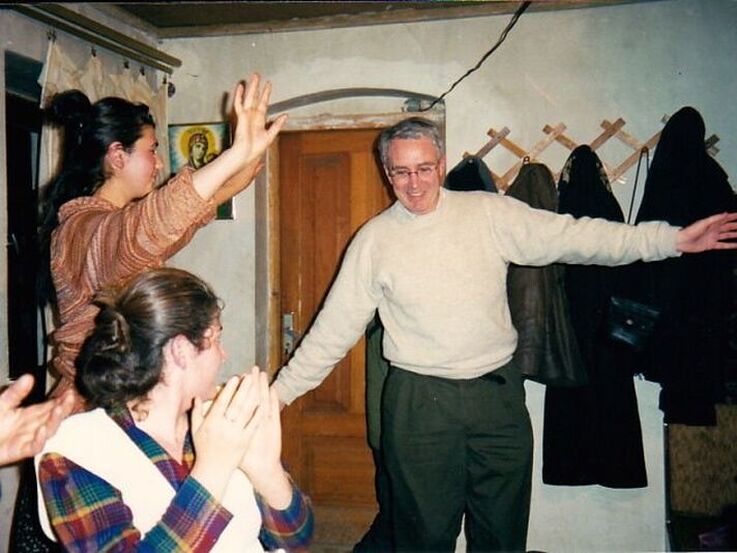
Performing to entertain friends was commonplace before the digital age, and I’ve done it in many countries but never in America — until a recent weekend with friends in San Diego. When one of my fellow guests suggested we should each provide some entertainment, I flinched and glanced down to see if I was fully dressed. Yep. Damn.
Luckily it turned out our performance options weren’t limited to singing. In fact, another guest had that covered. Pete is working on the lyrics for a musical comedy about aging, and entertained us with such highlights as “I Feel Droopy” (to the tune of “I Feel Pretty”), the Colonoscopy Blues, and the rousing finish, “I’m Getting Buried in the Morning.”
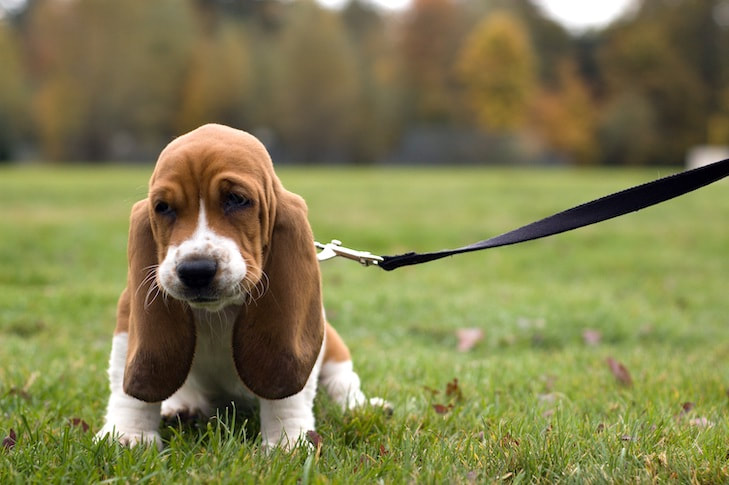
My contribution was poetry, including this canine point of view from the delightful collection
Unleashed: Poems by Writers’ Dogs
:
Are you gonna eat that?
Are you gonna eat that?
Are you gonna eat that?
I’ll eat that.
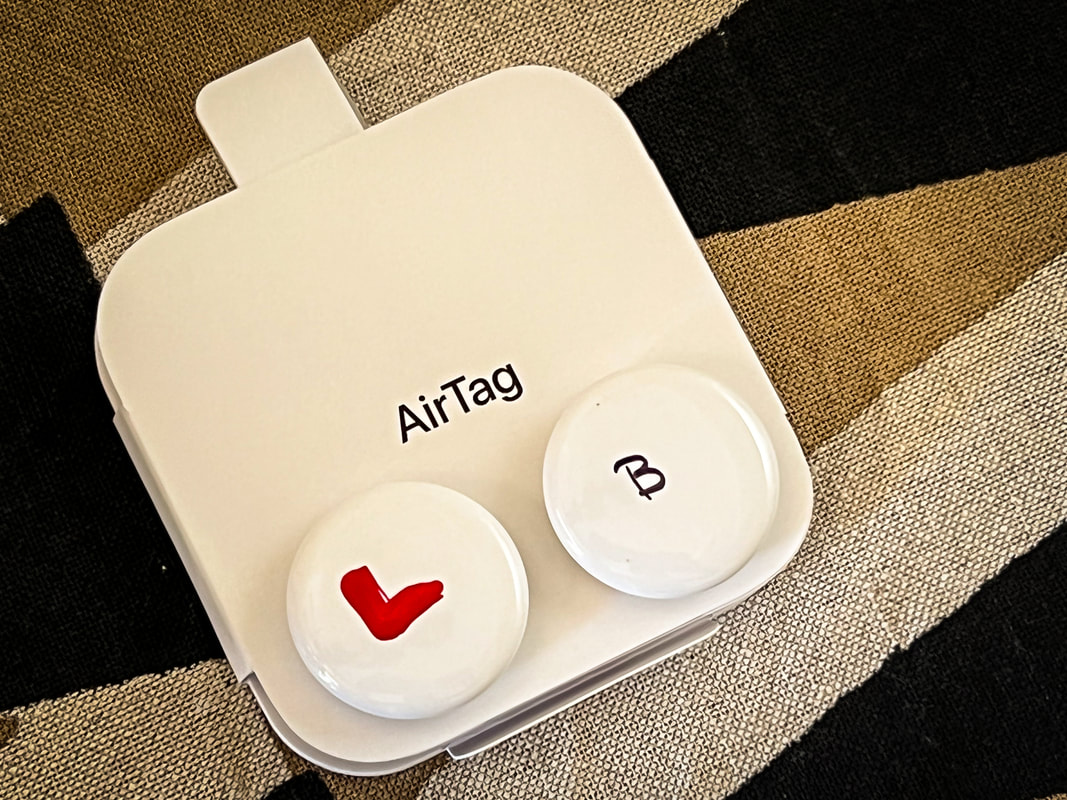
Kathryn, being of a more practical turn of mine, gave us a demonstration of her latest tech toy: Apple’s AirTag.
About the size of a quarter, an AirTag tucks into your suitcase and lets you know where it is at any given moment. As you can imagine, it’s popularity has soared during the chaotic 2022 travel season, when US airlines have “mislaid” an epic amount of luggage —
220,000 bags
in April alone. An AirTag tells you exactly where your bag is — still sitting on the tarmac, in the hold of the plane, or inexplicably on its way to Cleveland via Istanbul.
Here in disaster-prone California, I can think of emergency uses as well. For instance, if Rich and I were apart during an earthquake, flood, or wildfire, it could show me whether he was stranded, racing home, or heading to one of our rendezvous points. No phone service during the catastrophe? At least we have better shot of finding each other in whatever remained of the Golden State afterwards.
“What about a stalker slipping one into your pocket in a bar?” somebody asked.
Apparently the device works by bouncing off other iPhones, and Apple will automatically alert you if there’s an AirTag nearby. If so, check your pockets and bags. Should you discover a stranger’s AirTag, have some fun deciding where to put it; you might give it to a cop, toss it in the back of a pickup truck with a gun rack and a Rottweiler, or drop it down a sewer grating.
Apple insists that no data is collected and you have nothing to worry about from connecting with random iPhones all over the world to activate your AirTag and track your bag. And I’m not saying I doubt their sincerity. But as Ralph Waldo Emerson put it, “The louder he talked of his honor the faster we counted our spoons.”
And with good reason. Have you been on the site
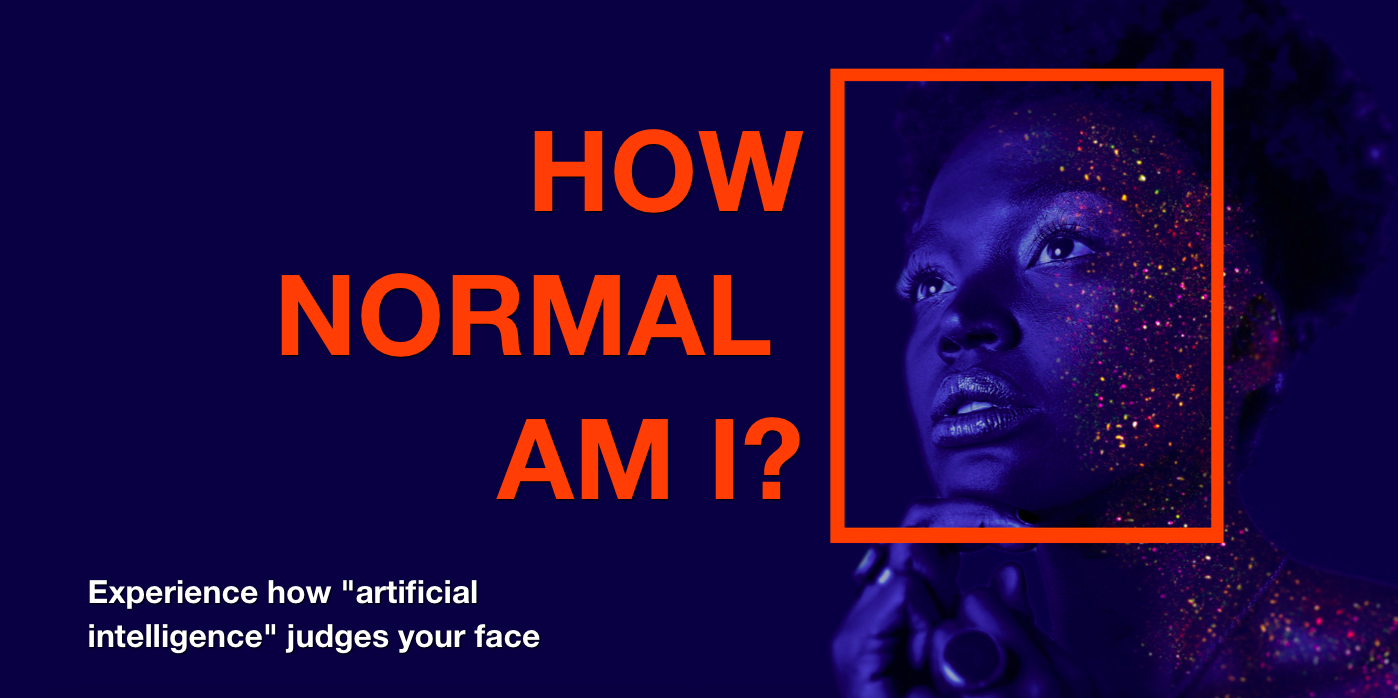
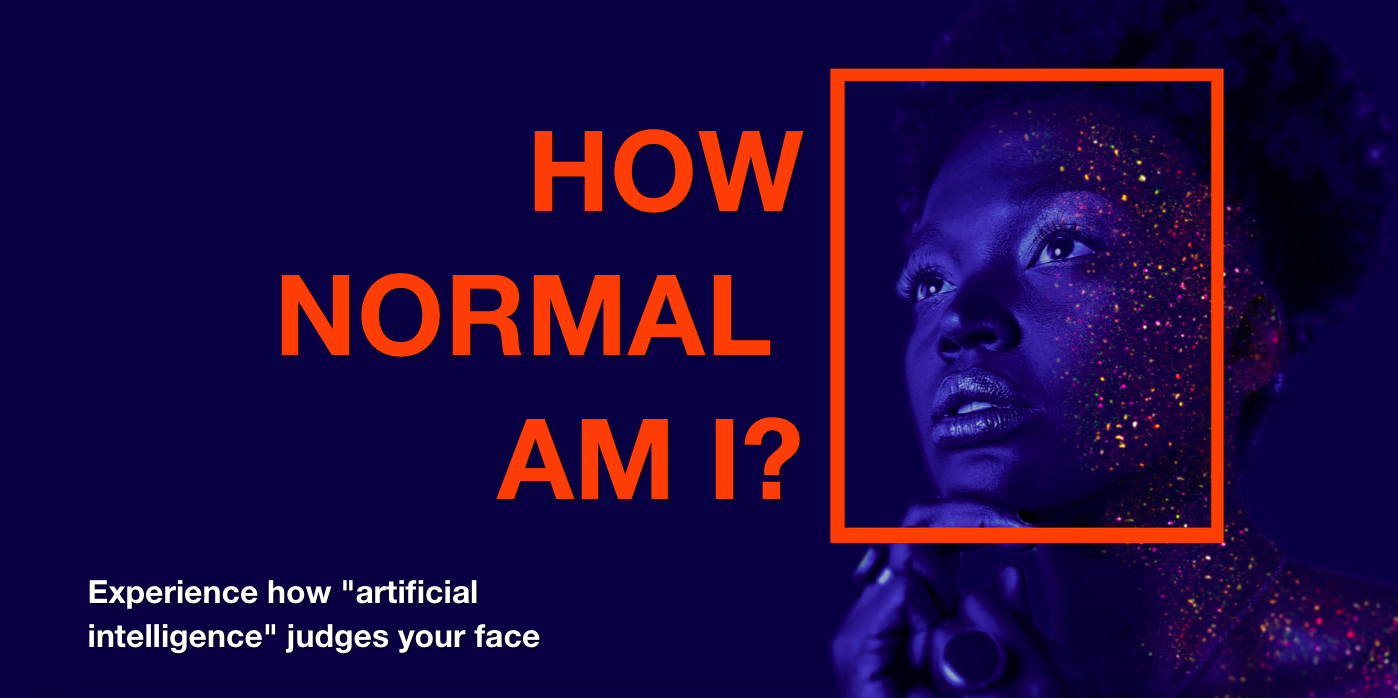
How Normal Am I?
It invites you to “experience how ‘artificial intelligence’ judges your face. Access to your camera is necessary, but no personal data is collected.” Yeah, right. For some reason, my camera refused to cooperate, increasing my unease while letting me off the hook. I felt safer watching
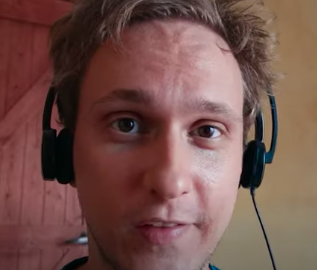
vlogger Voy Zan walk me through
the experience, which soon realized was designed to make me uncomfortable in precisely this way.
We all groan and roll our eyes about the way our every keystroke is being used by corporate marketers and political hucksters to track and influence our behaviors. But it seems that’s just the tip of the disaster.
How Normal Am I?
was created by
Tijmen Schep
, a Dutch consultant who researches artificial intelligence for the EU and works with people attempting to grapple with our technological future. He talks a lot about “
social cooling
,” describing “the large scale chilling effects that arise as our information society slowly changes into a ‘reputation society.’” Want to know what this looks like? China is developing a program that
ranks people’s “social credit” — essentially their “trustworthiness”
as defined by the government.
It began nearly a decade ago, with eight Chinese mega-companies assigning customers social credit scores under state-approved pilot programs; participation was theoretically voluntary but difficult to circumvent. Today, if you live in China your scores are affected by what you buy, how you drive, your profession (journalists, teachers, and medical doctors are automatically suspect), smoking in prohibited areas, acting disruptive on a train … the list is endless.
Authorities can (and do) prevent those with bad scores from buying business-class train tickets, checking into better hotels, and flying; 17.5 million attempts to get airline tickets were blocked in 2018. Dating and matchmaking services ignore you, you won’t be able to get student loans, jobs are scarce, and
your dog can be taken away
.
I know what you’re thinking: Not my dog! They’ll have to pry the leash out of my cold, dead fingers…
Luckily this Orwellian state of affairs only exists in China. Or does it? Data collectors everywhere constantly sift through our online history and, like China’s government, use complex, secret algorithms to rank us. What you post on Facebook can
make loans more costly
or
up your odds of a tax audit
or
affect what jobs you’re offered
. The reputation economy is subtly but consistently pushing us towards conformity, away from creativity and risk-taking, and into a state in which we think less and buy more.
Anybody else find that a bit worrying?
By now, I’m pretty sure Big Data takes a dim view of my digital reputation. As you know, my writing covers all sorts of topics, from Nazis to communist prisons to bed bugs. Uh-oh, did typing that sentence just make my score plummet yet further? Are they going to take away my dog? Oh wait, I don’t have a dog. Whew!
Now that Big Brother is watching, I am more grateful than ever for friends who insist we do things offline. Yes, even if it means occasionally having to sing
Deck the Halls
or recite poems allegedly written by animals. “Privacy,” says Schep, “is the right to be imperfect. When algorithms judge everything we do, we need to protect the right to make mistakes. Privacy is the right to be human.”
Well, that was interesting!
YOU MIGHT ALSO ENJOY
SOCIAL COOLING & THE REPUTATION ECONOMY
READY TO TAKE THE TEST?
READY TO WATCH SOMEONE ELSE TAKE THE TEST?
TECHNOLOGY & ME (HEY, I DO MY BEST)
My automatic sign-up form is on the fritz. Again.
If you would like to subscribe to my blog and get notices when I publish,
just shoot me off an email. I’ll take it from there.
[email protected]
Thanks for understanding.

Leave a Reply