
“So how much rent do you pay?” Spanish friends ask, not realizing that to Americans, providing specifics about our finances is as personal and taboo as giving the details of our most outlandish sex acts. “Who do you think is prettier, me or my daughter?” a Spanish hostess once asked, boxing me into an excruciating dilemma in which I’d have to insult one or the other to her face, something I’d been trained from childhood to avoid. A Seville hairdresser I was trying for the first time inquired, “Why don’t you have children?” Uh, could we go back to the one about how much I pay in rent?
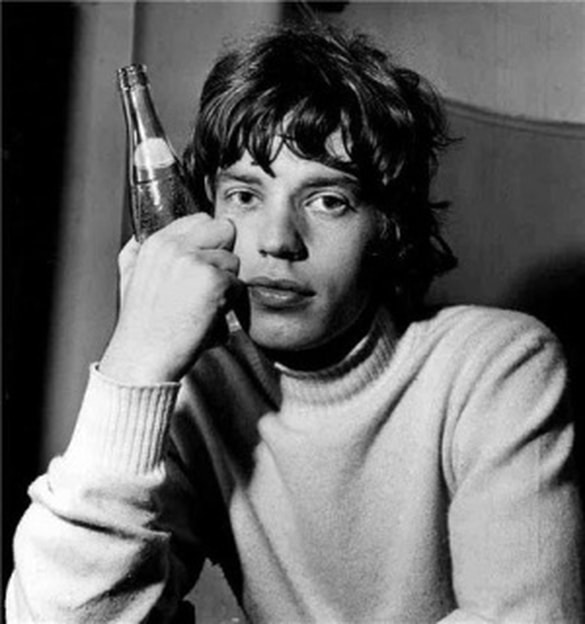
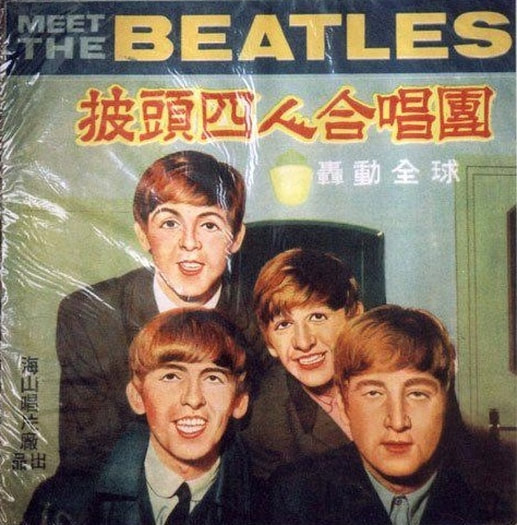
In Seville, such question are viewed as a sign of interest and a way to develop intimacy. Evasion is considered rude; diplomacy doesn’t cut it. It reminds me of when I was a teenager, and the social litmus test was whether you liked the Beatles (mainstream cool) or the Rolling Stones (wild and dangerous cool.) Everyone felt entitled to know where you stood on this vital issue.
Living in an international community, I am always stumbling over cultural divides where I least expect them. An Irish friend once said to me, clearly puzzled, “Karen, I get the impression you don’t
like
to get drunk.” I had to admit that I dislike it a great deal. At best I fall asleep before we get to dessert, at worst — and I’m going back quite a few years here — I find myself in a parking lot, throwing up on my new shoes, and
then
falling asleep. Not my idea of fun. But to my friend, among others, flamboyant drinking is considered a well-earned reward. As the Northern Irish footballer George Best put it, “I spent a lot of money on booze, birds and fast cars. The rest I just squandered.”
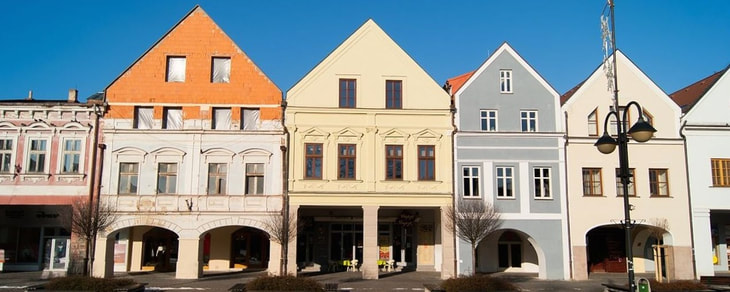
In the small city of Žilina, Slovakia, my B&B host told me, “I was born here, raised here, married here, had my children here. And I will die here.” To me, this was an astonishing statement. American friends who still live in their hometown tend to confess that fact with a little shamefaced grin, as if to say, “I know, I’m
so
dull.” In Europe it’s a mark of success. Kudos to your family if successive generations have been wise, lucky, and stable enough to stay put rather than being forced to decamp by war, financial disaster, or an irate husband. An Egyptian once told me that Americans are restless neurotics because we all originated elsewhere and have no deep roots in the land. Žilina was the place my B&B host truly belonged; his roots there defined his life.
And his afterlife. Another shocker was that he felt comfortable mentioning his own demise. Few Americans would ever touch on the subject in such an offhand yet direct way. We employ euphemisms such as the genteel “passing away,” or slang terms such as “give up the ghost,” and “bite the dust,” or, more colorfully, “take a dirt nap,” or “screw the pooch.” And we
really
dance around any direct reference to our own death. We like to think “departing this world” happens to other people, not us, and we wouldn’t want to jinx ourselves by referring to it in casual conversation. I think Groucho Marx spoke for most Americans when he said, “I intend to live forever, or die trying.”
People all over the world – some
232 million of us
– are no longer living in the country of our birth, and the number is growing by leaps and bounds. In the years ahead, new expat neighbors are quite likely to push conversational hot buttons we don’t yet realize we have. But look on the brighter side. We’re likely to find out lots of things about them that we don’t know about the neighbors we have now: how much they’re paying in rent, their views on death, and most importantly of all, whether they prefer the Beatles or the Rolling Stones.

Leave a Reply