“Does our township have an emergency plan?” I asked officials a few days after 9/11. I was living in semi-rural Ohio, just two hours from the Pennsylvania field where United Flight 93 crashed down. My neighbors and I were all keenly aware that plane had passed through our airspace and could, if events had unfolded on a slightly different timeline, have come down in one of our fields. Or on any one of us.
“Of course we have an emergency plan,” I was told. When somebody finally managed to dig up the one-page document, it basically said, “Call the county.” When I spoke with county officials, I was told that in a major emergency we’d be on our own for at least 72 hours, and after that the plan was “Call FEMA.” What could possibly go wrong?
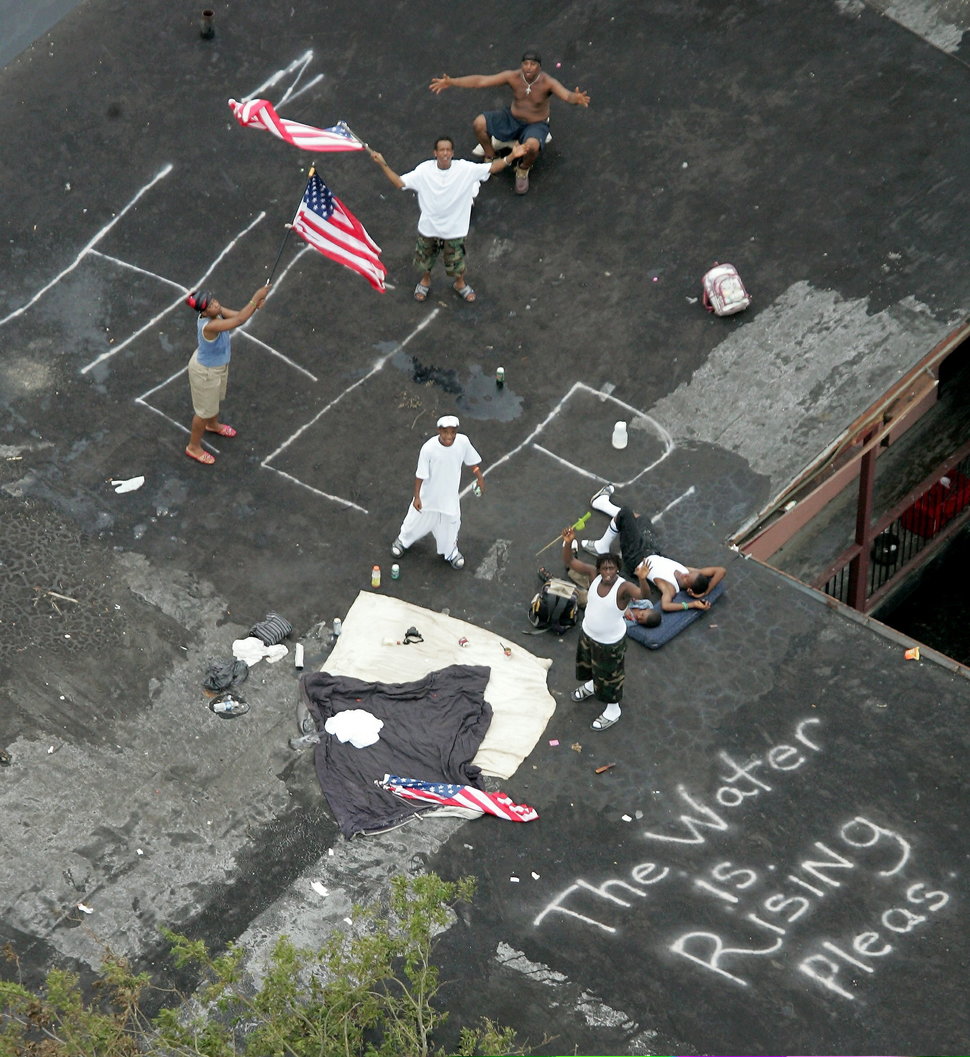
New Orleans, 2005; victims of
Hurricane Katrina
beg FEMA for help.
I stopped by our Ohio township’s volunteer fire department. “We’re just 20 miles from a nuclear power plant,” I said to the chief. “What happens if there’s a disaster there? I’ve read that we’re supposed to shelter in place, but how?”
“Shelter in place? Are you kidding?” he replied. “If there’s a disaster at the nuclear power plant, everybody in this town will get in their car and drive to Florida.” And who could blame them?
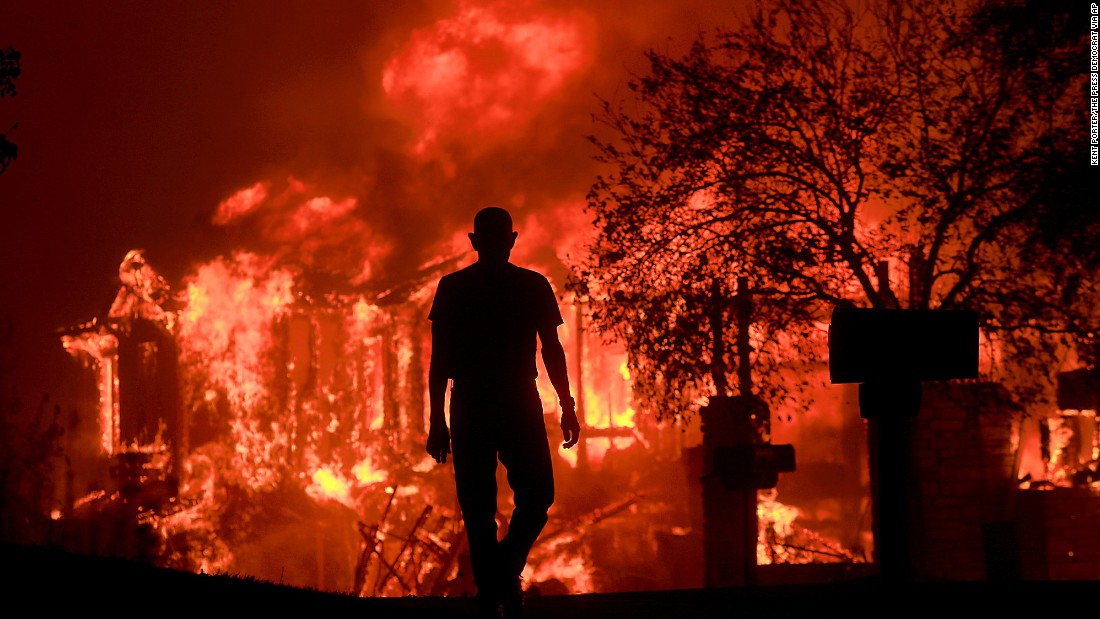
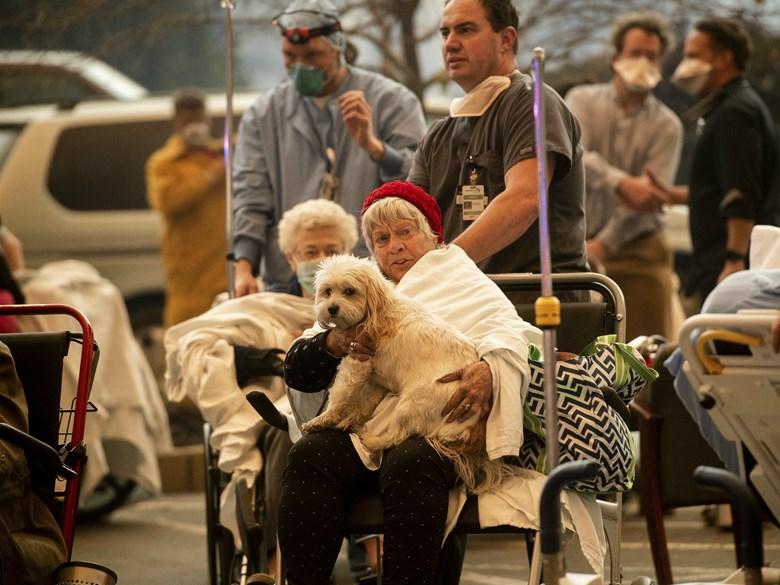
Today, that “hey, what can you do?” attitude has been replaced by a sense of urgency and purpose. Arriving back in the US two weeks ago, I was immediately struck by the bustle of activity surrounding the push for emergency preparedness. Here in California, everyone seems to be assembling a grab-n-go “bug-out” bag, signing up to get emergency alerts on their phone, and taking CPR and CERT (Community Emergency Response Team) training. Last year’s record-breaking wildfires galvanized the residents of the Golden State. Whatever happens, we are determined not to be sitting ducks. When I spoke with county Emergency Services Manager Chris Reilly, he quoted the local mantra about impending disaster: “It’s not a matter of
if
, it’s a matter of
when
.”
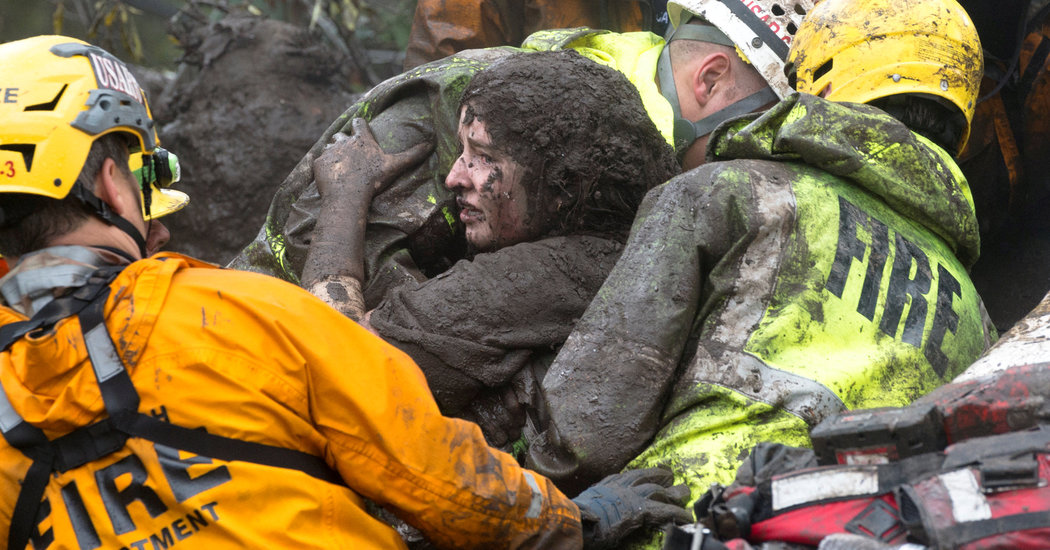
Rescue workers help a woman trapped by mudslides in Carpinteria, California, January 2018. Photo by Kenneth Song / Reuters
As you can imagine, enterprising survivalists are coming out of the woodwork. In their view, civilization is one wildfire away from total collapse, and our survival will soon depend on whether we can chip stones into spearheads and trap small animals using twigs and vines. If that turns out to be the case, I am totally screwed. Obviously I should have paid more attention during the Outdoor Skills class in Girl Scouts.
For serious doomsday enthusiasts, the internet is rife with courses like Hammer Stryke’s
Small Unit Survival Tactics
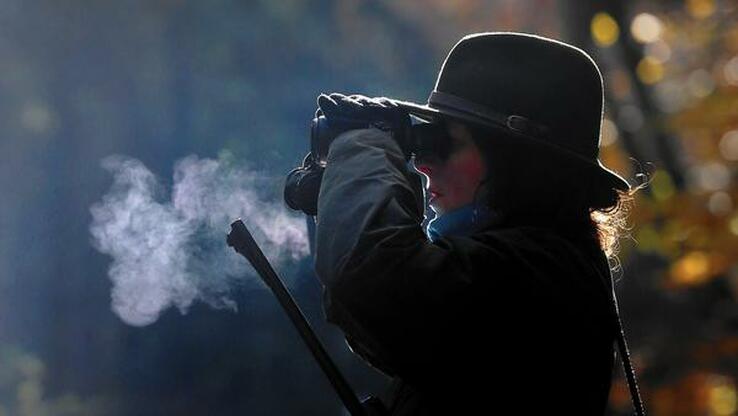
. “We will overnight in the forest. Bring: Ruck, backpack or daypack, canteen, and what you would expect to have on a bugging out the back door because the Zombies are coming in the front door situation. Firearms are optional if you have them and are trained.” Yikes! (Note to self: check course date, avoid the woods that night!)
Amateurs running around in the woods at night with guns. Yes, that doesn’t sound at all worrying… Photo by Wolfgang Kumm / picture-alliance / dpa
When it comes to being prepared I am all in, but I’m opting for a less physically demanding approach that includes talking with government officials, community organizers, friends, neighbors, and savvy bartenders. I’m trying to get a realistic idea of what’s likely to happen (I’ve already eliminated zombies from the short list) and figure out how I might be useful during the run-up.
Here’s what I’ve learned: The science is clear. We are definitely looking at more frequent and severe natural disasters, followed by increasing social turmoil. Things will get messy. But I’m guessing we’re a long way from having to bivouac in the woods with a backpack and optional firearms. In fact, there are plenty of reasons to be optimistic.
For a start, people a lot smarter than I am are pouring enormous amounts of time, money, and creativity into finding solutions.
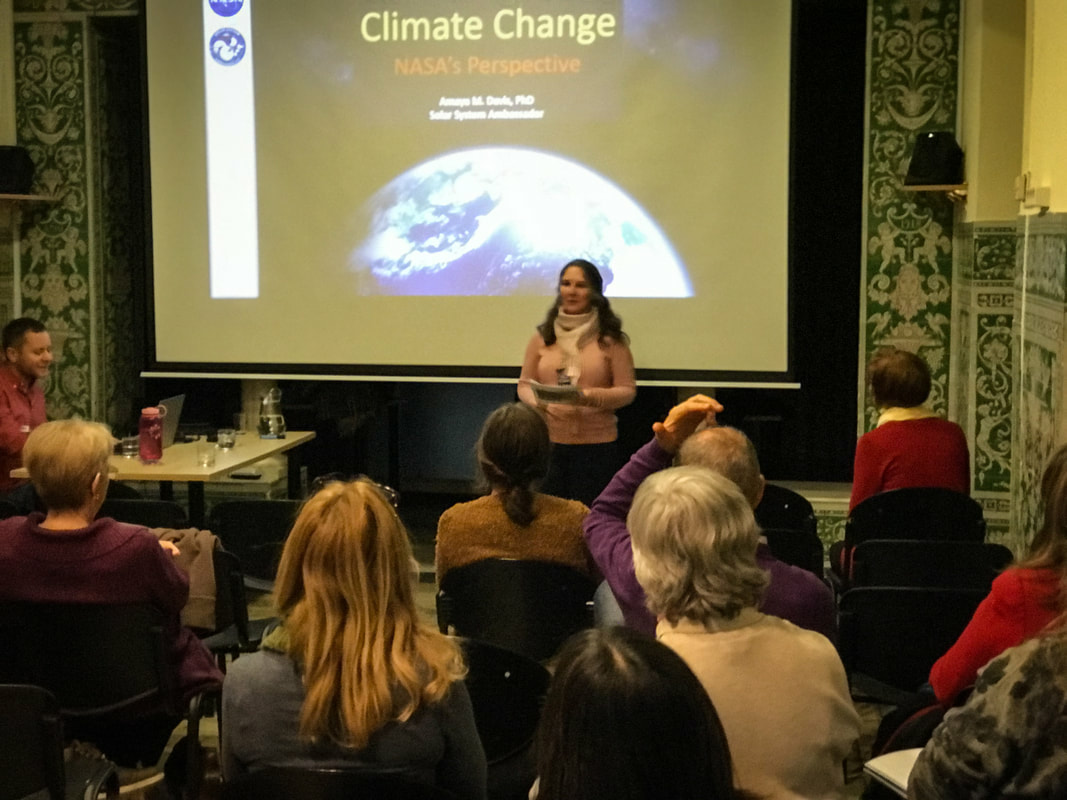
NASA scientist Amaya Davis gives a talk organized by my group,
ClimateRecovery.org
, in Seville, Spain, January 2019.
Just before departing Seville, I organized a public
talk there featuring NASA scientist Amaya Davis
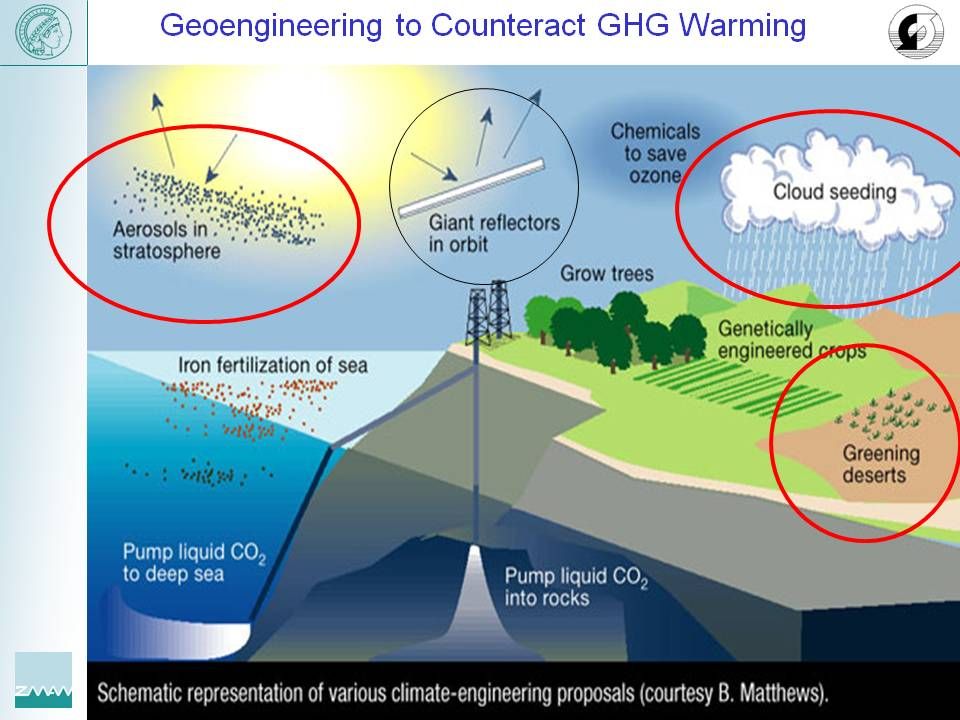
. She mentioned projects currently on the drawing board, including
solar radiation management
, involving giant reflectors in space deflecting the sun’s heat;
aerosol injections in the stratosphere
, which would reduce warming but has the pesky side effect of creating acid rain; and techniques to
remove CO2 from the atmosphere
.
“Giant reflectors in outer space?” I said to Amaya afterwards. “Aerosol injections? Sounds like science fiction!”
“Oh, the ideas get a lot wilder than that,” she said. Unfortunately we were interrupted before we could continue this fascinating conversation, but articles such as
Crazy Ideas for Plan B: Seven Ways to Engineer the Climate
describe proposals such as mass fertilization of the oceans with microscopic plants called phytoplankton that “gobble up CO2 and drag it to the bottom of the ocean when they die.” Sound loony? So did Aristotle’s insistence that the Earth is round, Galileo’s belief the Earth revolves around the sun, and Pasteur’s theory that germs spread disease. Think twice before scoffing at “mad” scientists!
Many of these projects are being funded privately; it seems the smart money isn’t waiting around for the federal government to step up and take charge. Local community groups and officials are working to reduce waste, control carbon emissions, and beef up emergency-response infrastructure. But as I learned in Ohio, during a major disaster, citizens can’t count on the cavalry to ride to the rescue, especially during the first 72 hours. Clearly my neighbors know that, too. They are reaching out to one another, meeting in church basements, community centers, and living rooms, figuring out ways that we can help each other if — when — we need it most.
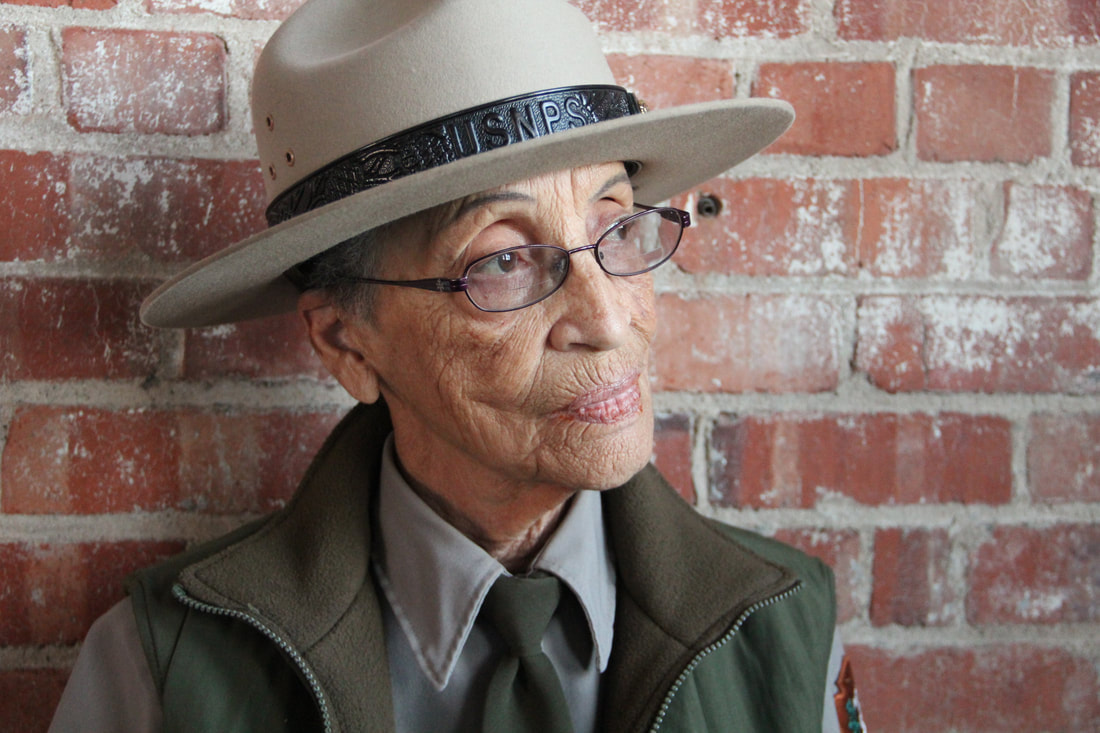
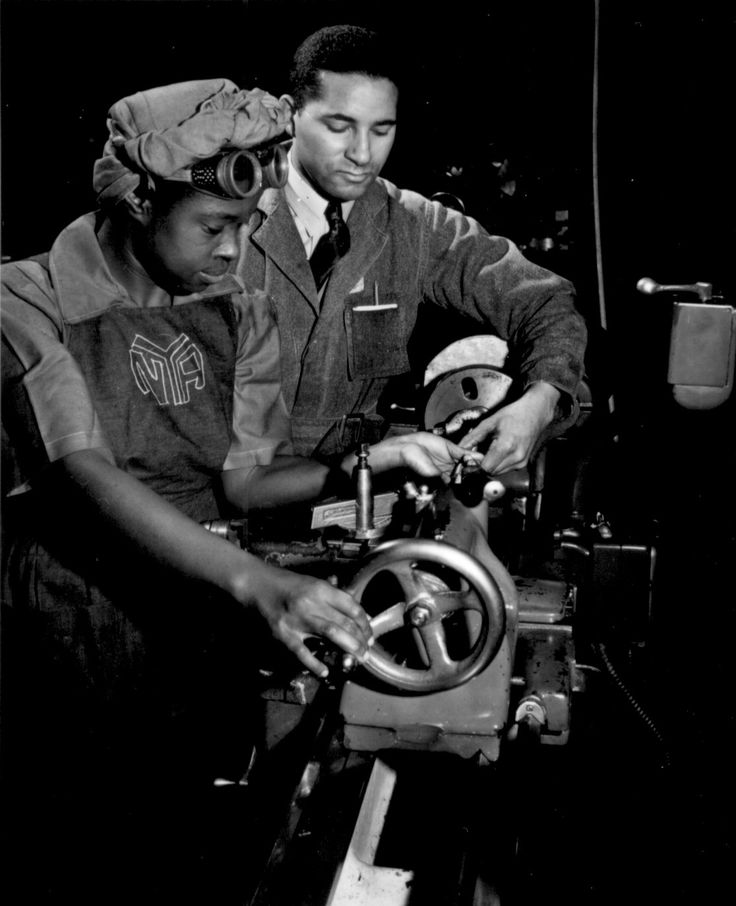
I grew up on stories about World War II and often wondered how it felt to be filled with the sense of common purpose that drove the war effort. One of the original “
Rosie the Riveters,” Betty Soskin
, told me about workers in the Richmond, California shipyards, divided by racial friction. “Because they’re all living under the threat of fascist world domination, there’s no time to take on a broken social system,” she said. “No time to do anything except take on the mission of their leader, which is pure and simple: build ships faster than the enemy can sink ‘em. And together they completed 747 ships in three years and eight months. They helped to turn the course of the war around by out-producing the enemy. And in the process, they accelerated the rate of social change, so that to this day it still radiates out of the Bay Area into the rest of the nation.”
Betty Soskin, California’s oldest park ranger, talks about how global threats can accelerate the pace of social change.
Today, the Bay Area finds itself on the front lines in the struggle to cope with our changing environment. Our vast forests are going up in flames, scientists predict the mother of all earthquakes within 30 years, and rising sea levels are deeply worrying for everyone near the coast, especially my flood-prone little town. Can we, like those shipbuilders, pull off another miracle of unity and strength, one that radiates out to the rest of the nation, maybe the world? As a die-hard optimist, I say we can. And I’m counting on all of you to help prove I’m right.
YOU MIGHT ALSO ENJOY
HOW WE COPED DURING THE FLOOD EVACUATION
HOW I’M PREPARING FOR THE NEXT DISASTER
WHO IS THE REAL ROSIE THE RIVETER?
Leave a Reply