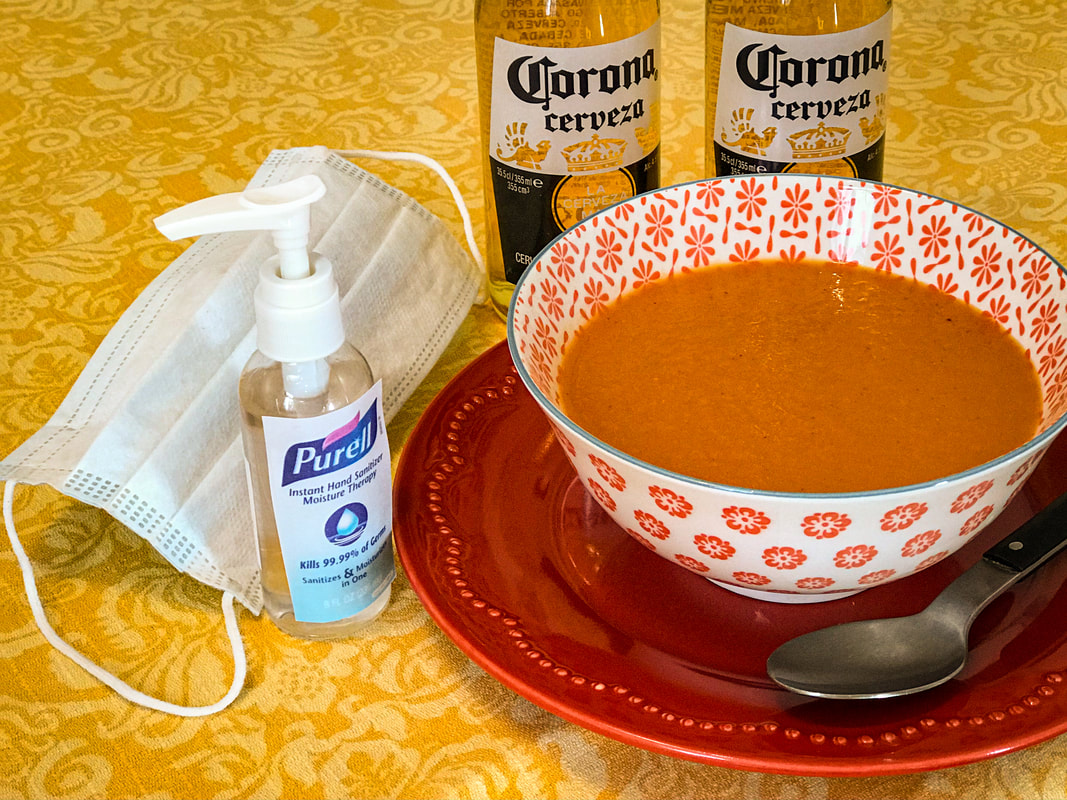
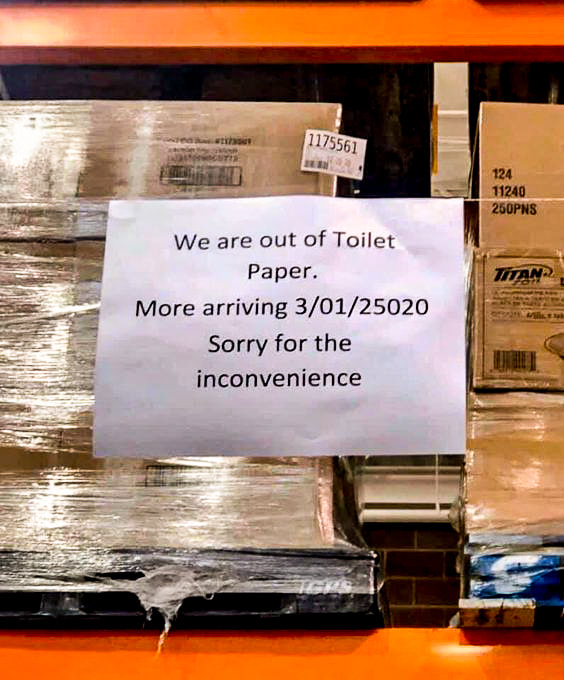


These days we’re all looking over the contents of our cupboards and wondering how we’ll manage if the supply chain becomes seriously disrupted due to the coronavirus. The announcement last week that Costco stores had run out of toilet paper rocked Americans, who count on being able to purchase the basics, in bulk, at a discount, at all times. And really don’t want to have to wait 23,000 years for a resupply.
Here in Seville, we still have plenty of toilet paper (let me know if you want me to send you a care package), food, water, and other essentials. True, you can’t get face masks or brand-name hand sanitizer for love or money, but other than that I’m not seeing any signs of panic buying. Of course, this is a city that has weathered plenty of terrible times, such as the
Great Plague of Seville in 1647 – 1652
and the post-Civil war era called
The Hunger
because nobody had enough to eat. Here in Andalucía, the poorest part of Spain, people are experts at making do with less and long ago developed the knack for turning a bowl of cold soup into satisfying comfort food.
Given Andalucía’s hot climate, it’s no wonder we love our gazpacho and the lesser known but equally delicious cold soups, salmorejo and ajo blanco. They are all rich and cool and soothing, as well as a practical way for thrifty cooks to use up leftover vegetables and day-old bread — things much too valuable to be thrown away. “When I was a kid,” my Sevillano friend Julio told me recently, “we always kissed the bread before we ate it.” Here, food is treated with respect and affection.
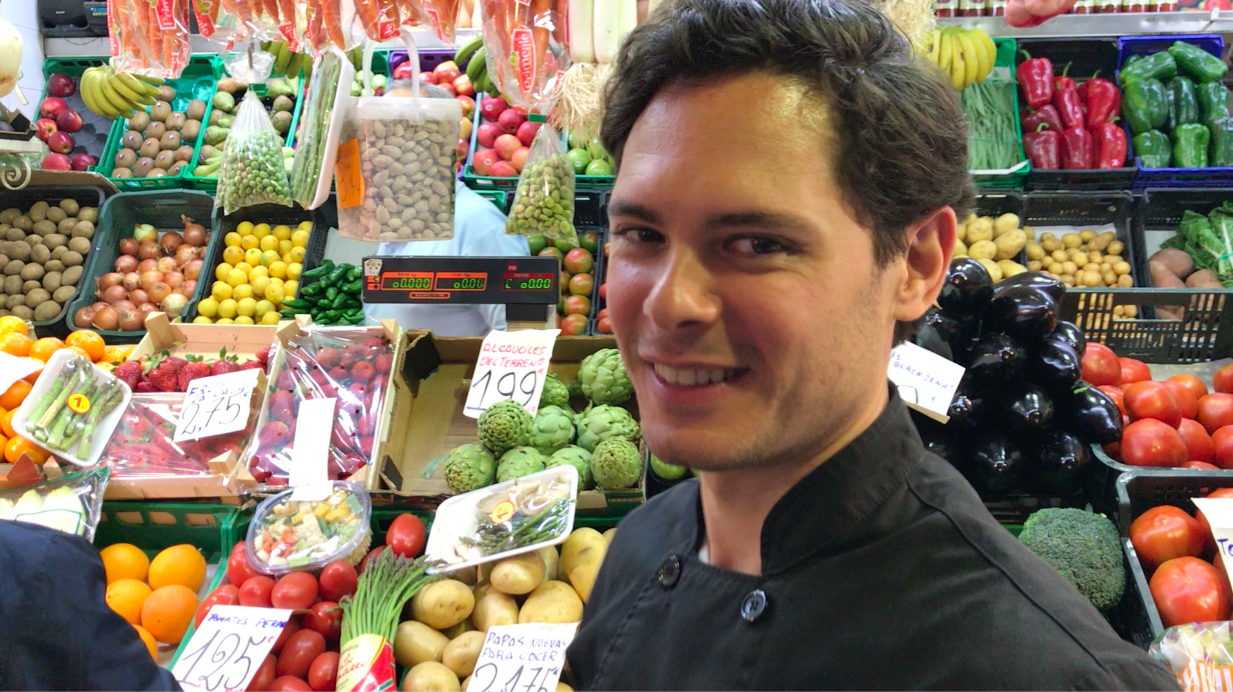
With warmer weather and fears (hopefully unfounded) of shortages ahead, I decided to discuss the subject of cold soups with one of Seville’s most popular young chefs, Victor Silvestre. Five years ago he taught me how to make my favorite, salmorejo, at one of his cooking class at
Taller Andaluz de Cocina
, located in the historic Triana Market. This week, I asked him how Andalucía’s cold soups got their start.
“Gazpacho and salmorjeo, very regional soups, came from the Romans,” he said. “Roman soldiers, in this part of Spain, used to mix olive oil with a little bit of onion, salt, and vinegar, mash it all together. They used to drink that to rehydrate. Imagine a Roman soldier, two thousand years ago, heavy armor, and sweating all the time; they need electrolytes. So they used to drink that. But then, after Columbus, people in Spain started adding tomatoes to those kinds of soups. Not just for the nutritious part of it, but for the taste.” When they added stale bread as well, they created mazamorra, the forerunner of salmorejo, the creamier cousin of gazpacho.
Gazpacho (Seville)
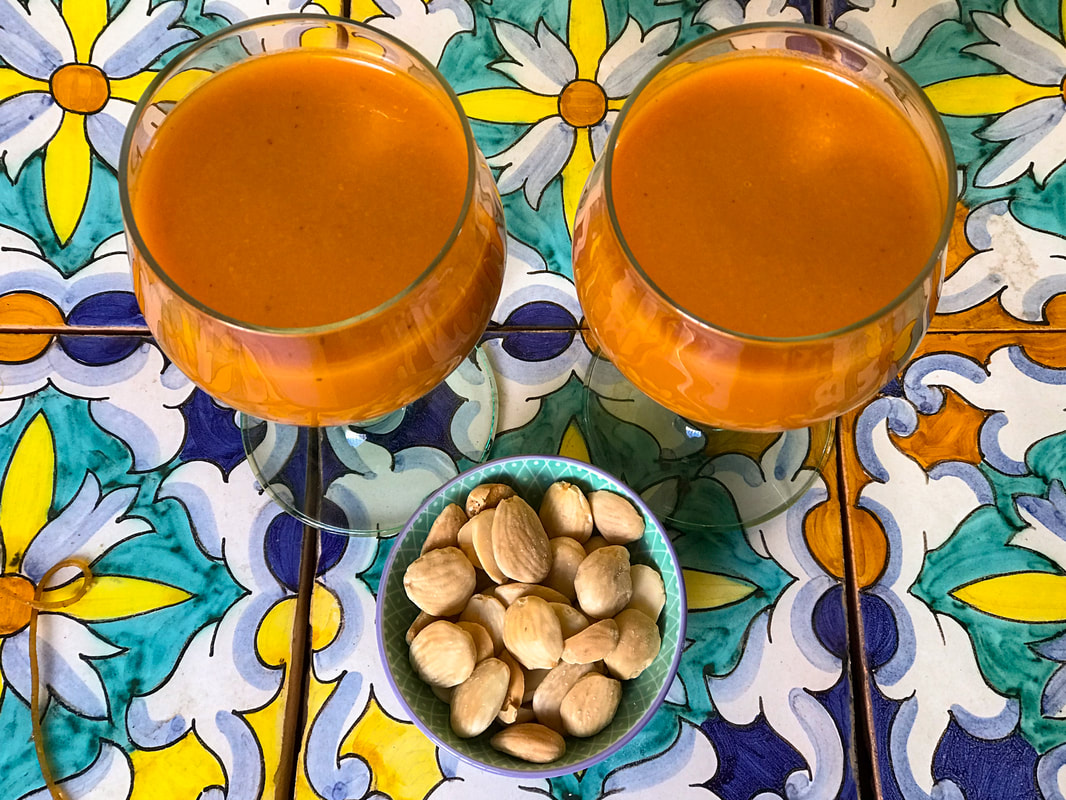
If you haven’t had the good fortune to sip gazpacho in its native land, you may have tasted the international version: a chunky red mix of vegetables that’s akin to an over-chopped salad. Here on its home ground, it’s pureed in a blender (in the old days, of course, it was mashed by hand) until it’s the right consistency to drink from a glass. Ingredients include ripe tomatoes, green pepper, cucumber, garlic, extra virgin olive oil, vinegar, and salt. Be sure to chill it before you guzzle it down.
Salmorejo (Cordoba)
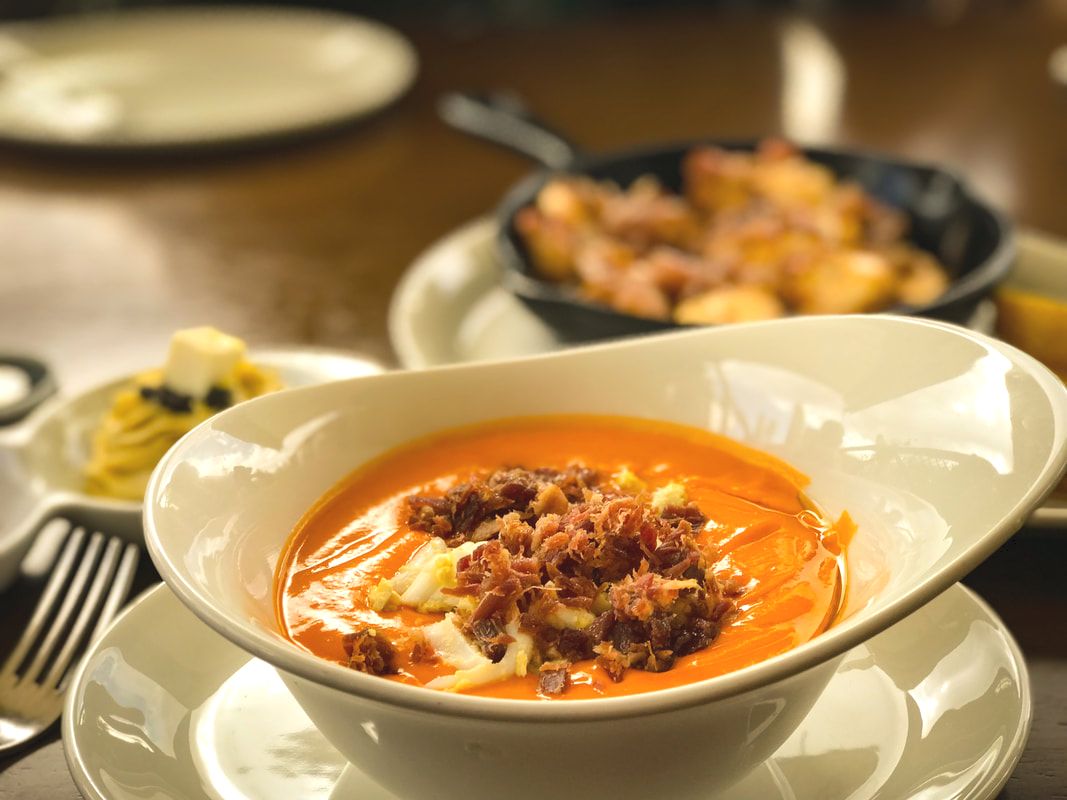
Here’s your chance to use up that day-old bread (be sure to kiss it first!). Toss bread, tomatoes, extra virgin olive oil, garlic, salt, and vinegar into the blender. The bread makes the soup paler and creamier than gazpacho. Often it’s topped with bits of ham, hard-boiled egg and a drizzle of good quality extra virgin olive oil. This is my go-to tapa on hot days in Seville, when the thought of a heavy meal is just too much.
Ajo Blanco (Malaga)
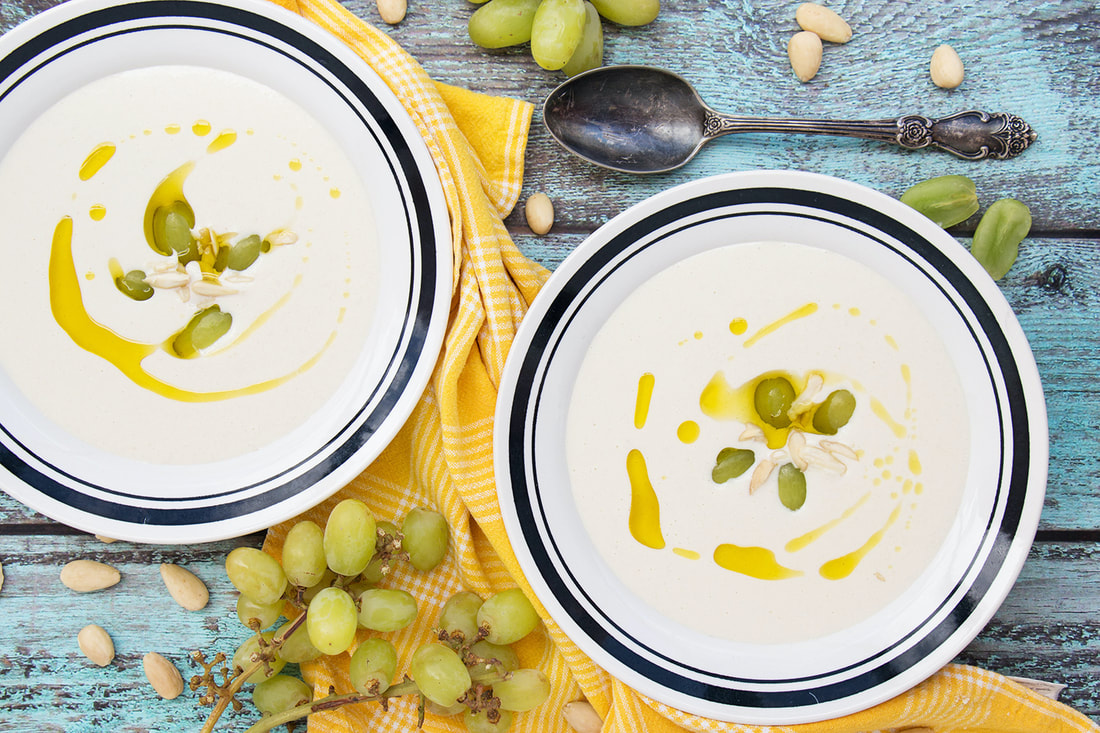
I love persuading visitors to try this soup. While Spanish speakers will be able to translate the name as “white garlic,” nobody ever guesses the ingredients. Spoiler alert: it’s almonds, garlic, stale bread, extra virgin olive oil, vinegar, and salt. It passes through the blender in specific stages, resulting in a creamy yet slight grainy texture. This one’s served in a bowl, often with a few white grapes hidden in the bottom, giving the dish a wow finish. Victor prefers to garnish
ajo blanco
by placing a surprising bit of mackerel on top. I’ll let you decide which you prefer.
[Get all of Victor’s Cold Soup Recipes here.]
Naturally, Victor recommends seeking out the best possible ingredients, which is easy for him to do, as his cooking school is located in Triana’s 200-year-old market, famous for its fresh seasonal produce and cozy neighborhood atmosphere. “Normally you go to the vendors where your grandmother used to go. So they know you, they know how you want your stuff,” Victor told me. “The guys with fruit for example, José and Miguel, they know exactly how I want my tomatoes. I’m very picky about that.”
[See the video of my interview with Victor here.]
Not all of us are blessed with knowing vendors whose grandparents sold produce to our grandparents and remember precisely how ripe we like our tomatoes and bananas. When I’m in the US, I often find myself shopping at chain supermarkets where I don’t even interact with a human when I hand over the money. And I can tell you from personal experience that the automatic checkout machines aren’t really interested in passing the time of day or discussing the difficulty in finding hand sanitizer.
But the most essential ingredient has nothing to do with what we purchase to make the meal.
“Mediterranean food, in Spain, Italy, Greece, is all about eating together,” said Victor. “We couldn’t conceive of going to your room or living room or wherever it is by yourself to eat, rushing it. No, it’s not about that. It’s about sharing the act of cooking and tasting and talking and enjoying it. And eating all together and keep talking. And then talk a little bit more.” He laughs. “We’re very talkative in Spain.”
In these challenging times, many of us are going into self-imposed isolation even if we are perfectly well. And I respect that decision, knowing that soon we may all be on lockdown like millions of Chinese and Italians, and residents of
one small Spanish town
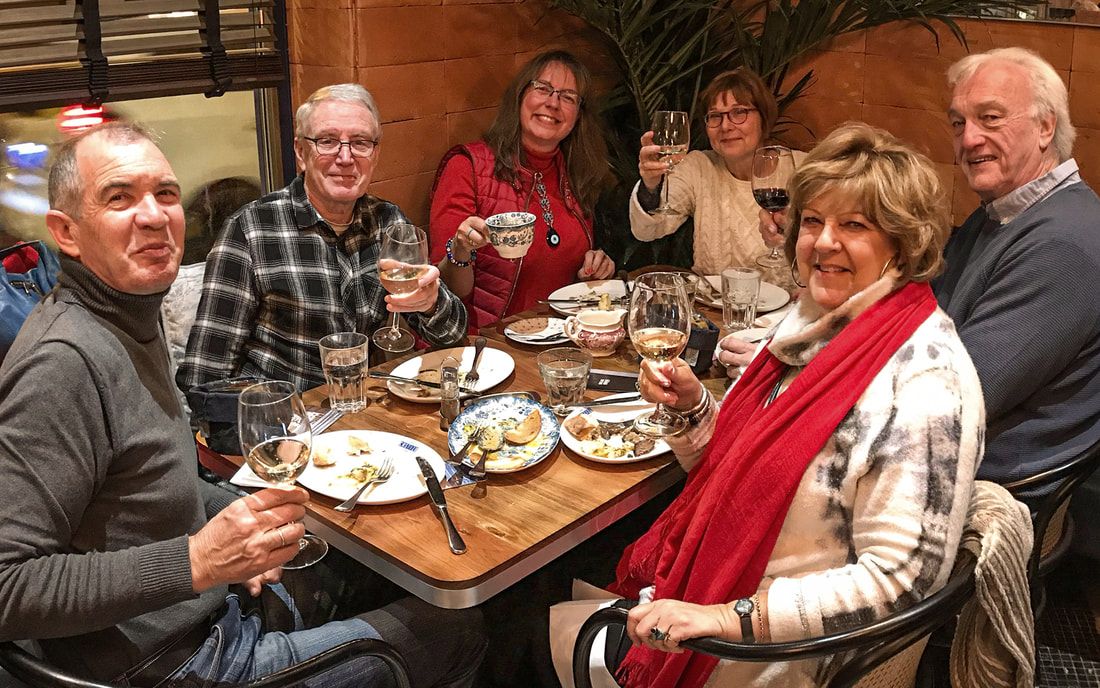
, and an increasing number of America’s lawmakers. But I also respect the need for human interaction. And until health officials tell me otherwise, I am still gathering with friends, drinking cold soup, talking through my fears, and sharing advice about where to get the ingredients to make our own hand sanitizer. And I suppose I should be thankful that at least for now, I’m not trying to figure out how to make my own toilet paper.
YOU MIGHT ALSO ENJOY
BEST SURVIVAL TOOL? OPTIMISM
COMFORT FOOD RECIPES
SPANISH STUDY: BEER HYDRATES BETTER THAN WATER

Leave a Reply