
The great thing about living abroad is that it provides so many fresh new ways to screw up. Any gravitas you might feel you’ve accumulated over the years goes right out the window as you start taking the inevitable social and linguistic pratfalls. Every foreign language is studded with sneaky little trip wires, such as the Spanish word
embarazada
, which sounds like the English “embarrassed,” but in fact means “pregnant,” creating endless opportunities for misunderstandings and
faux pas
. Or there’s the word
huevos
, literally “eggs” but often used as a slang word for testicles. You’ll want to be very careful not to ask the guy at the farmers’ market whether he has eggs; he’ll inevitably reply “Yes, two big ones,” and everyone within earshot will fall about laughing until you flee in confusion and have to find someplace else to buy your breakfast groceries.
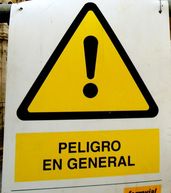
Translation: General Danger
People often say to me, “You’re so brave for living abroad.” But when you think about it, what am I really risking? Most of the time, it’s nothing much: my dignity, some time getting lost in unfamiliar streets, a little money to wily street vendors… Of course, every place has genuine dangers; can you think of an American city where you’d walk the streets late at night without feeling scared? Sensible precautions are always a must (see my post
10 Best Ways to Keep Your Valuables Safe on the Road
). But unless travel plans include an active war zone or the like, fear of going abroad generally springs less from realistic concerns than from our inborn fear of the unknown.
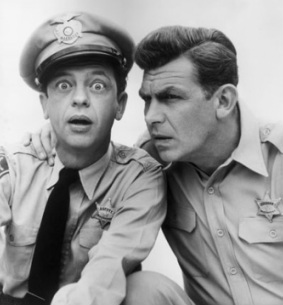
Small town cops or flesh-eating zombies?
When you’re on the road, the thing to remember is that what’s terrifyingly unfamiliar to one person is the most comfortable and homey place on the planet to someone else. For instance, thanks to Hollywood, many of our Spanish friends are convinced that ghastly things inevitably befall innocent travelers in America’s small towns. They consider it highly unlikely that you could drive from one end of Iowa to the other without witnessing a murder and being hunted by the killer; running afoul of local law enforcement officials, drug dealers, or aliens; encountering flesh-eating zombies; or worse. Most Andalucíans wouldn’t drive through rural America for any money.
Perspective is everything. I recently heard a young Spaniard say, “I lived in America for a year, and I really liked it. But it was hard to give up my freedoms. I couldn’t walk down the street with an open beer in my hand. There were rules and regulations for
everything
!”
Foreign travel is full of surprises; so many things aren’t at all what we expected. As the cult classic book
The Hitchhiker’s Guide to the Galaxy
puts it, “The
Guide
is definitive. Reality is frequently inaccurate.” Arriving in an unknown country, you’ll naturally feel that reality has become a bit less precise than usual. You may feel confused and disoriented, even alienated – which isn’t surprising since you are an alien.
Wandering Earl
, who has been on the road since 1999, says whenever he arrives in a new place, he immediately sits down – right in the train station or airport – and has a coffee while he gets his bearings. I love this idea and plan to adopt it from now on. Instead of launching myself headlong into my new environment, I’ll sit and sip and try to look past the differences to ways that we’re all the same. For instance, I’ll bet everyone in the
Подгорица
train station hates flesh-eating zombies as much as I do. Right away, we’re on common ground.
As is so often the case,
the Hitchhiker’s Guide to the Galaxy
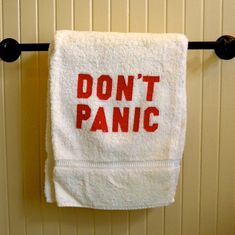
has distilled this profound wisdom to its very essence. Written across the cover of the
Guide
, in large friendly letters, are the words “DON’T PANIC.” Great advice to keep in mind, wherever you go in the galaxy.
Leave a Reply