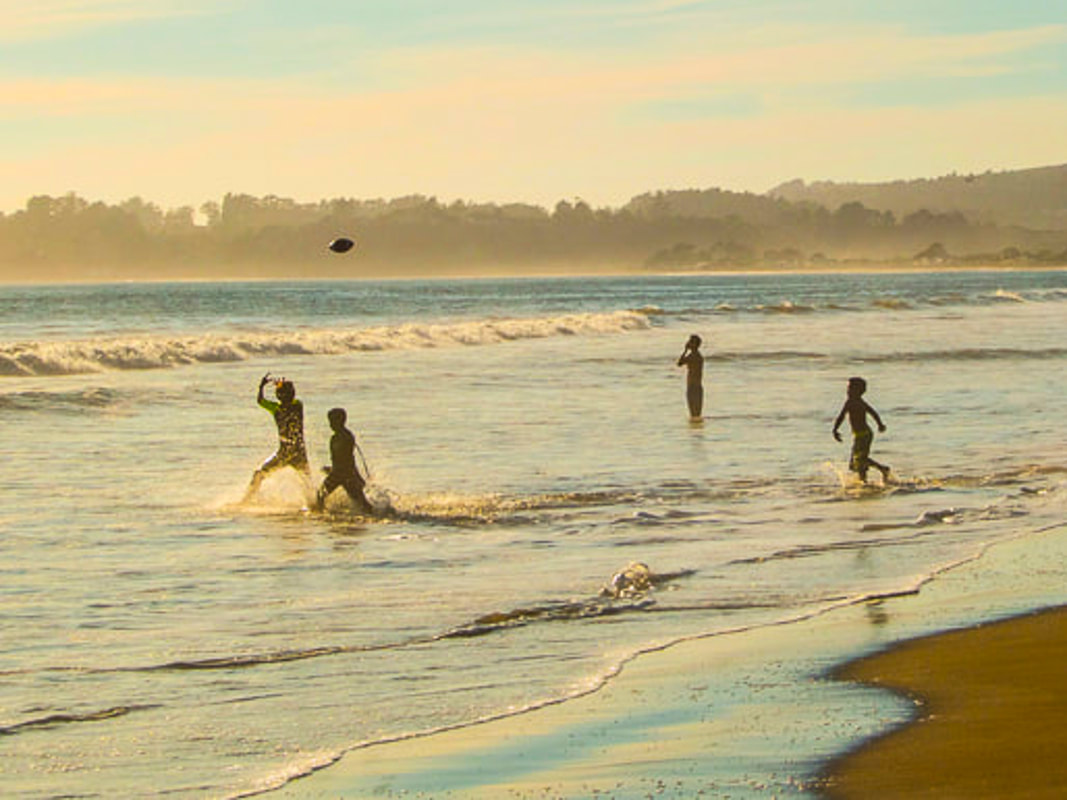
It seemed like such a no-brainer. Two harassed parents, four of us kids under the age of ten, a long drive, a hot day, and a glimpse of an empty white sand beach on the California coast. “Let’s stop for a swim!” my mom said. We pulled over, tugged on our bathing suits, and dashed into the surf.
Everyone was having a grand time splashing about in the waves when we noticed a man running towards us across the sand, waving his arms and shouting. At first we couldn’t make out the words. And then we could.
“Get out of the water! Get out now! Sharks! Sharks! SHARKS!”
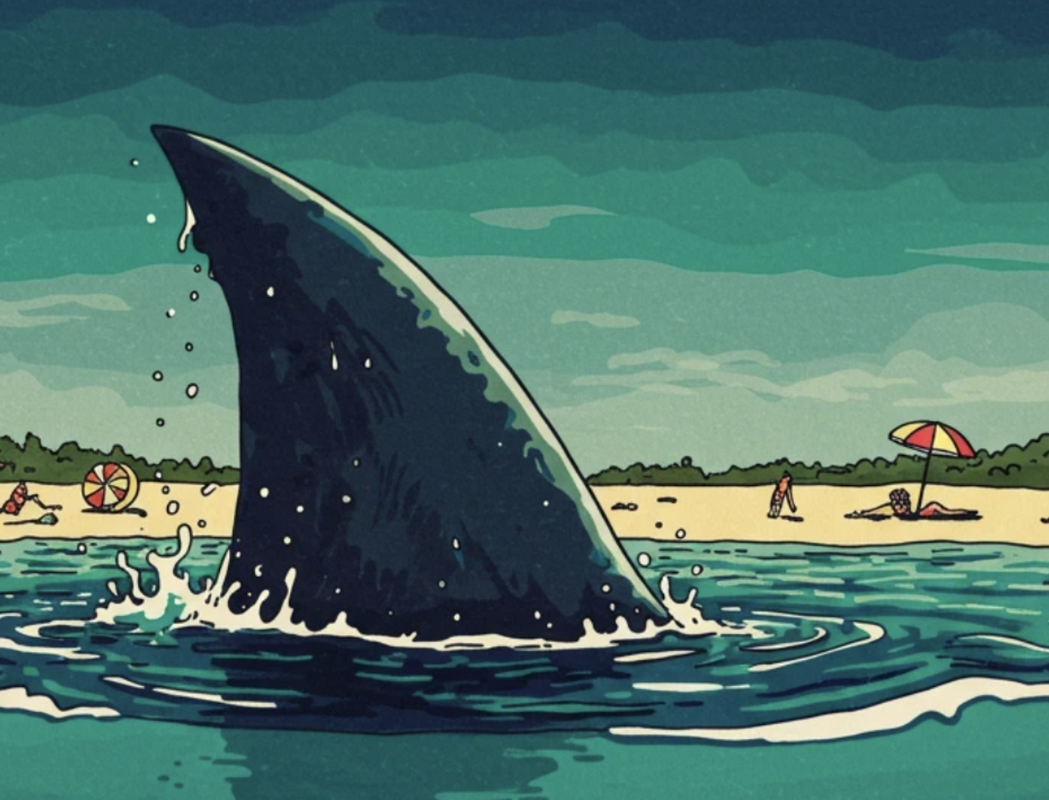
My parents hauled us out of the sea and onto the beach in under a nanosecond.
When he got his breath back, the Good Samaritan explained someone had spotted a shark in the shallows off that very beach a few hours earlier. Nowadays you’d expect warning signs all over the place, but at the time, we just thanked our lucky stars — and the Good Samaritan — that we’d been alerted in time to get out of the water without a disaster.
That day I learned an important lesson about California: you never know when it’s going to turn really exciting.
Back when I was a kid, the danger talk was all about earthquakes, and the adults in my life cultivated an attitude of insouciance. “You call that an earthquake? It barely hit 3.5 on the Richter scale. Didn’t even rattle the dishes. More wine?”
But California has really upped its game with wildfires, floods, droughts, heat waves, tsunamis, rising sea levels, tornadoes, hurricanes, landslides, and torrential downpours known as atmospheric rivers. These days it’s hard to tell the weather channel from a horror movie.
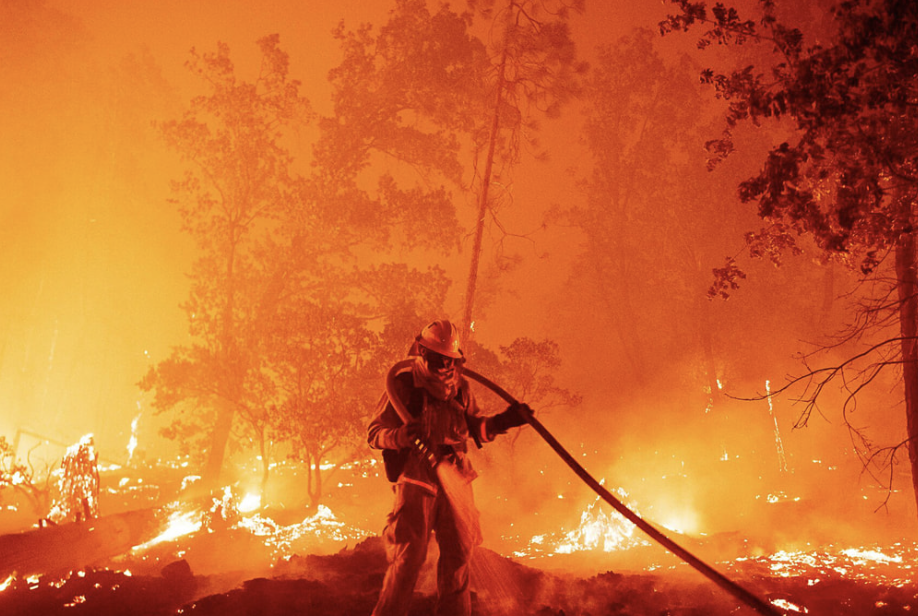
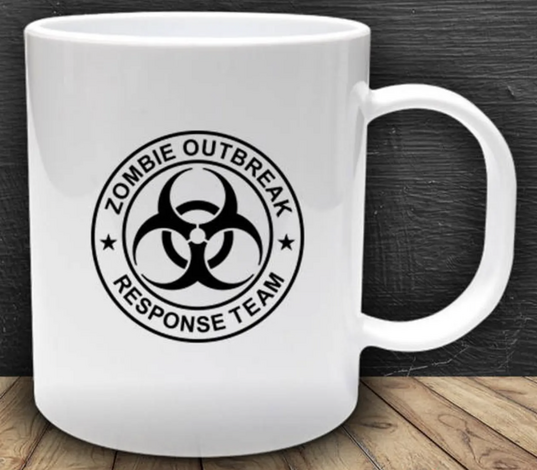
Officials urge us to be prepared with go-kits, evacuation plans, and two weeks’ worth of food on hand at all times. Planning for so many kinds of disasters all at once is dizzying. Rain boots by the door for flooding, heavy clothing to protect us from burning embers, head lamps for digging through rubble. I’ve read crossbows are the best defense against zombies, should it come to that; I’m not shopping yet, just making a note.
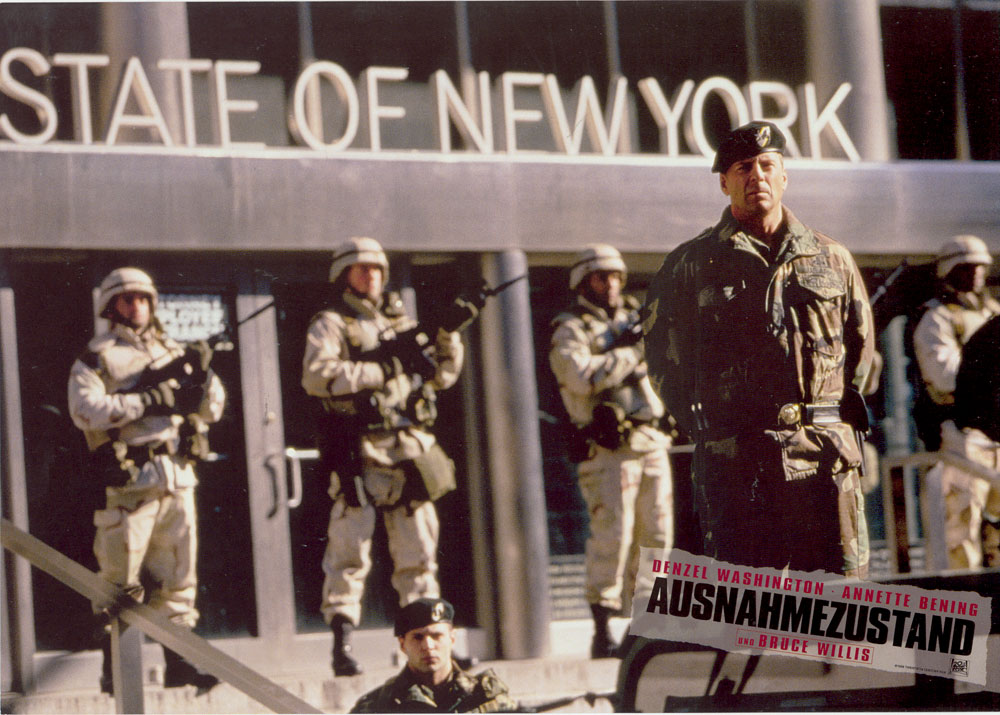
“We need to re-stock the Apocalypse Chow Food Locker,” I told Rich on Thursday. “In case we find ourselves under martial law.” Because on top of everything else, we now have marines deployed in our state, and as countless action movies have demonstrated, this is unlikely to end well. Clearly I’ll need a shedload of emotional-support chocolate to get through this summer.
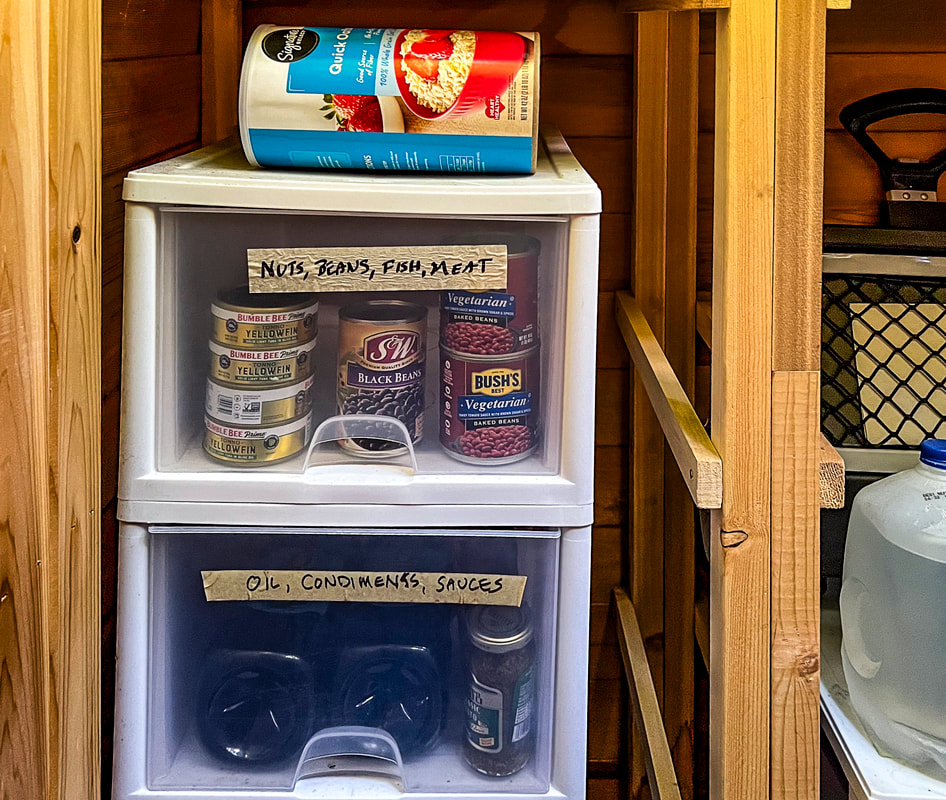
As my regular readers know, the Apocalypse Chow Food Locker is the shed Rich built during the pandemic to store the extra supplies that won’t fit into our cottage’s skimpy cupboards. And no, we are not filling it with those grisly emergency rations that last for 20 or 30 years. Have you seen what’s in that stuff?
The MayDay Emergency Rations that came with our store-bought go-kit are made of enriched flour, vegetable shortening, sugar, corn syrup, soy flour, cornstarch, potassium sorbate, vitamins, and artificial flavor. If I’m going to subsist on a diet of sugar and starch, why not just eat Oreos? Other emergency rations are no better; just look at the chemicals and artificial ingredients Augason Farms calls “corn chowder.”
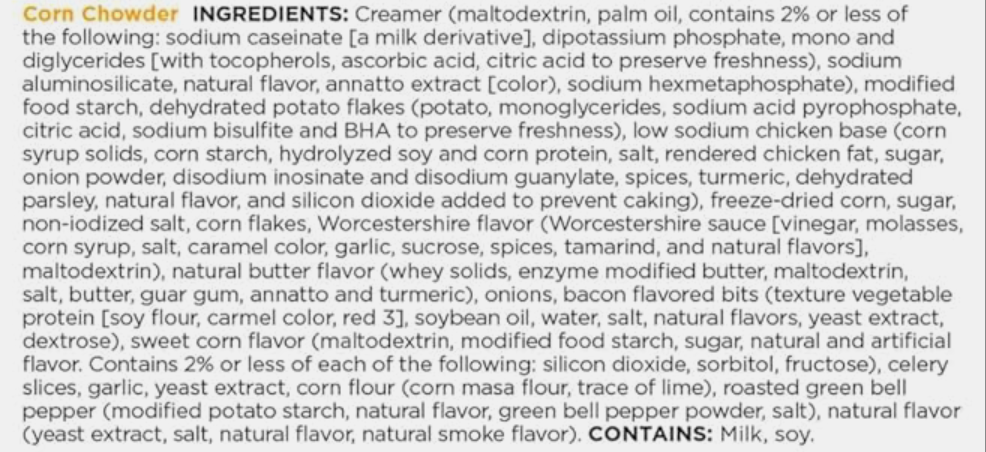
Yes, there are trace amounts of corn halfway down that list, but mostly it’s stuff like dipotassium phosphate, tocopherols, and sodium hexmetaphosphate. Call me crazy, but I prefer food I can pronounce, taste, and know contains actual sustenance. Honestly, if the end were near, would you want your last meal to be spam and non-nutritive food additives?
Rich and I treat our food locker as an outdoor pantry, and this week I brought older jars and cans into the house and restocked the locker with beans, tuna, rice, and other foods we use all the time. More temperature-sensitive ingredients, such as spices, honey, and chocolate, are kept in our kitchen cupboards.
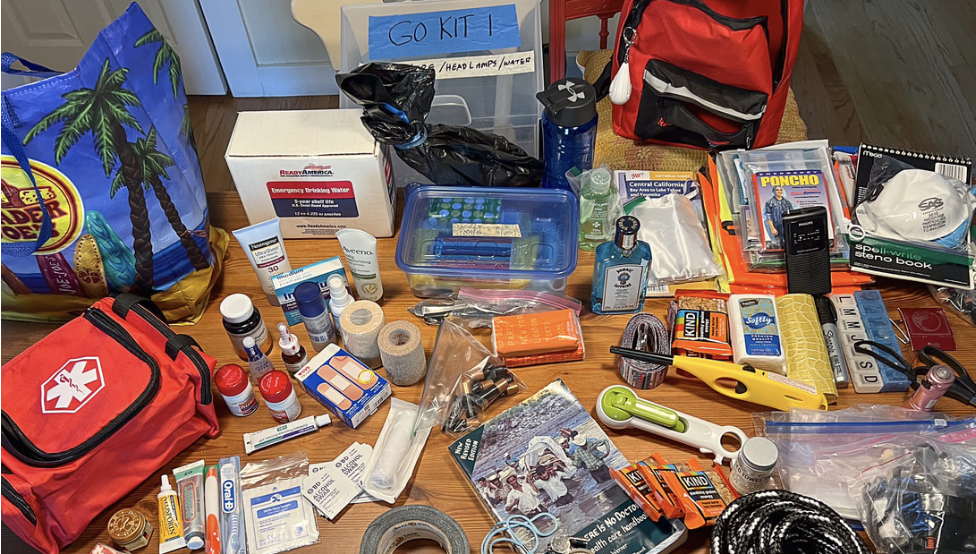
While we were at it, Rich and I hauled out our emergency go-kit for its annual review, tweaking the contents and replacing outdated energy bars and medicines. We keep the contents in three prioritized parts: 1) a back pack with essentials such as high visibility vests, compass, and maps, 2) a tote bag with the first aid kit and a few clothes, and 3) a box of handy gear like headlamps, rope, and duct tape.
It was a busy couple of days, and it was only late on Friday, when I was tossing out the last of the outdated first aid supplies, that I realized the implications of what I was doing: getting my affairs in order before No Kings Day. A lot of wild talk had been going around, and while I knew I had the moral and constitutional right to assemble peacefully and speak freely, I couldn’t help but wonder just how exciting things might get in California.
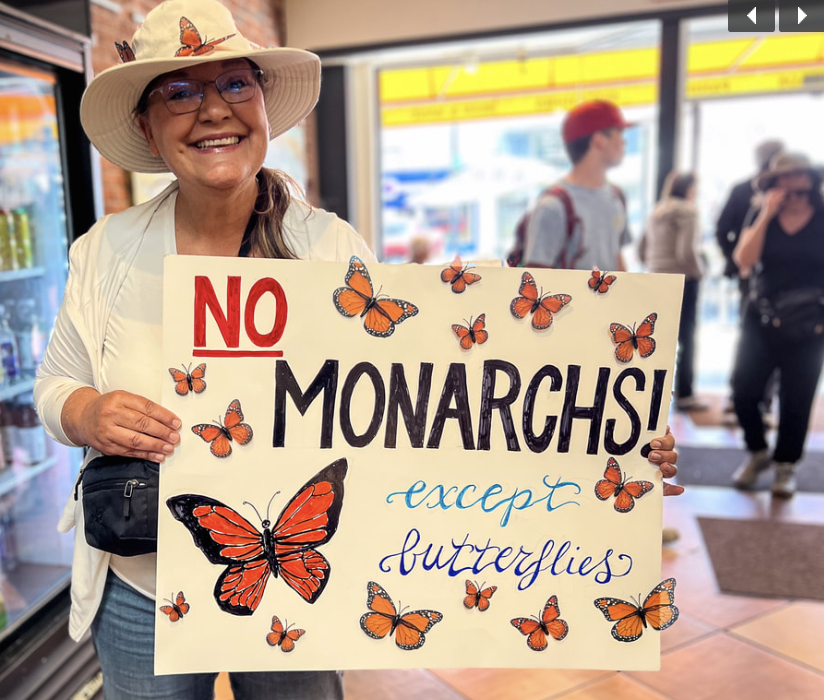
On Saturday I attended the protest in the nearest city, San Rafael (population 60,000). In the tradition learned from Spanish friends, I met up beforehand with a dozen amigos at a café near the action. Fortified by espresso and convivial chat, our little rag-tag band then strolled down the street to join the crowd of (I’m guessing) 1500 protesters. The signs were feisty, the mood festive, the orderly expression of solidarity inspiring. Nothing terribly exciting happened. Whew!
The summer is just getting started, and there’s no telling what surprises California has up its sleeve. Last year we weathered record-setting natural disasters, and this morning I thought I’d check with the National Oceanic and Atmospheric Administration to see how many of them had cost California taxpayers seriously big bucks.
Instead of the promised statistics, I found this notice: “In alignment with evolving priorities, statutory mandates, and staffing changes, NOAA’s National Centers for Environmental Information (NCEI) will no longer be updating the Billion Dollar Weather and Climate Disasters product.”
Good thinking! Who needs those pesky old numbers anyway? Just kidding, I was utterly aghast. Wasn’t that notice akin to saying, “Why should that Good Samaritan race along the beach to warn us about dangers we can’t see?” When did weather become a state secret?
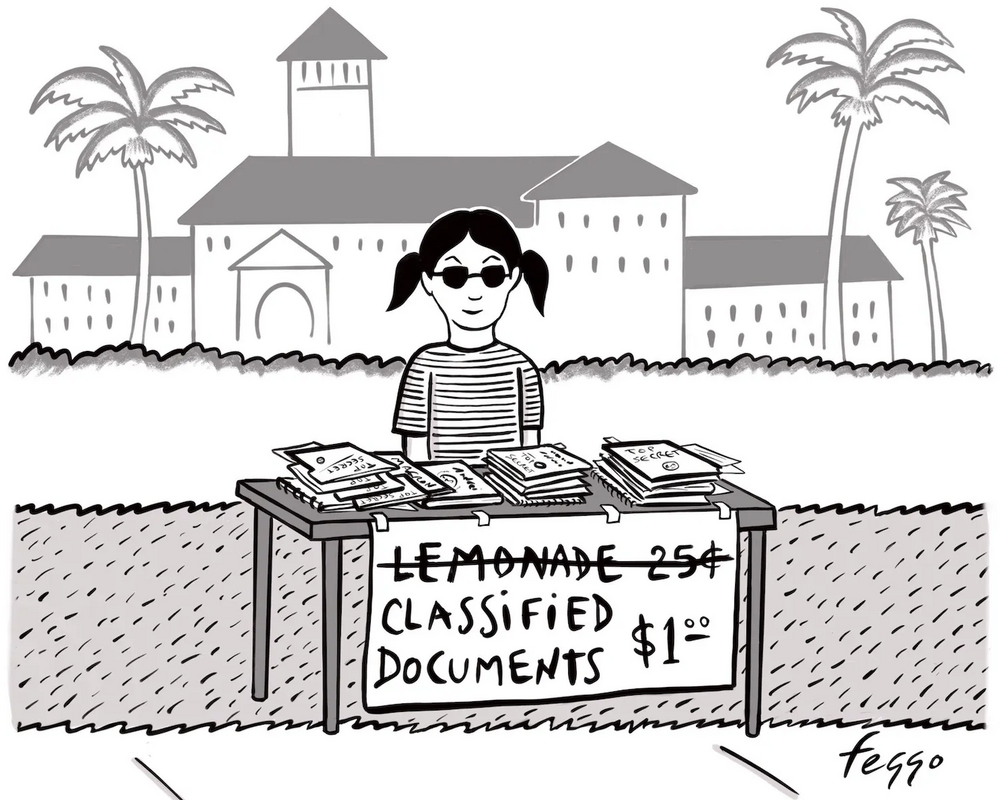
California has more natural disasters than any other state in America; they cost us around $16.3 billion a year. (Those are slightly outdated numbers, and apparently we won’t be seeing any new ones).
So far, Rich and I have been lucky. Oh sure, occasionally we’ve been bounced out of bed by earthquakes, forced to flee through rising floodwaters, and suffered unexplained power outages. But we’re still standing and so are the house and the Apocalypse Chow Food Locker.
Whatever catastrophes this summer brings, I know there will also be friends, family, community, meaningful work, fellowship, laughter, and fun. As a fourth generation Californian, I have learned that, to quote LA author Christopher Paolini, “The trick is to find happiness in the brief gaps between disasters.”
Leave a Reply