
Forget the news, and the radio, and the blurred screen.
This is the time of loaves and fishes.
People are hungry and one good word is bread for a thousand.
David Whyte
Every day I wake up hoping for a miracle — a reliable vaccine, rain dousing the wildfires, a superhero arriving in the nick of time to save our bacon. I’m still waiting on the first two, but I was delighted to learn that
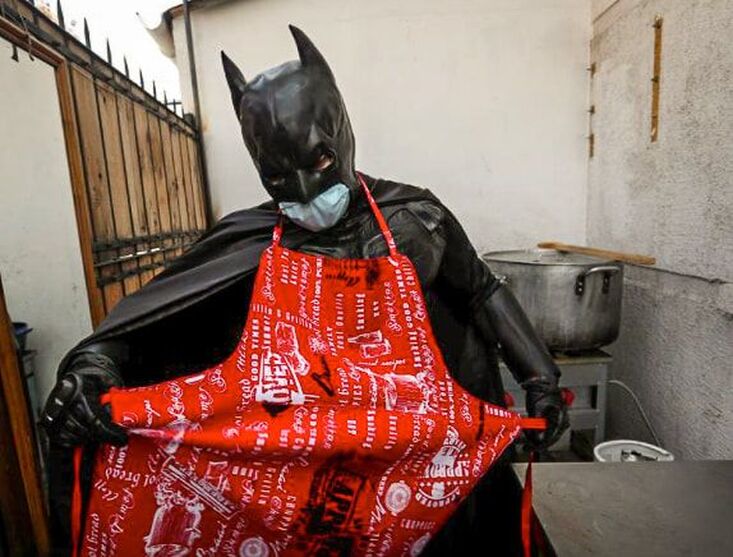
Batman has surfaced
(at last!) and is doing heroic things in Santiago, Chile. Wearing two masks — one shiny black with pointy ears, the other for coronavirus protection — the Caped Crusader prepares and delivers hot meals to the city’s homeless. And along with the
empanadas
and
cazuela
, he brings heartening words and a bit of lighthearted banter.
“Look around you,” said the do-gooder, who asks that his real name not be revealed (as if everybody doesn’t know it’s Bruce Wayne). “See if you can dedicate a little time, a little food, a little shelter, a word sometimes of encouragement to those who need it.”
Times of crisis bring out the best and worst in people. We’ve all watched, aghast, as supposedly sane adults throw
hissy fits over masks
and insist
harebrained conspiracy theories are true because it says so on the Internet.
But others, like Chile’s Batman, find in themselves unexpected wellsprings of kindness and compassion. Did you hear about
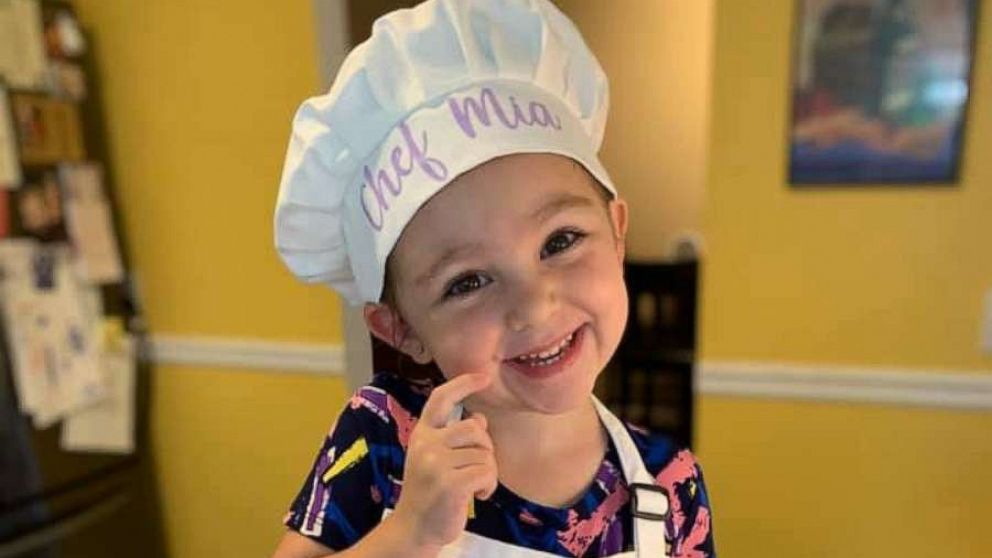
three-year-old Mia Villa who has baked over 1,000 chocolate chip cookies
for front-line and essential workers? Yes, her mom helps but says Mia was the inspiration for the Cookie Kindness project.
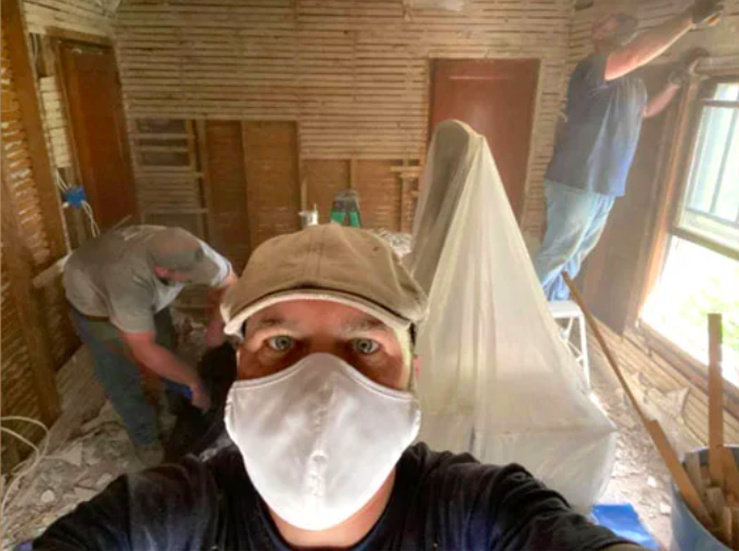
Then there’s electrician John Kinney, who came to fix 72-year-old Gloria Scott’s broken overhead light and realized that the whole house needed help. “No lights, running water… I [saw] her on a Friday and it stuck with me over the weekend…
I said, ‘I got to go back there.’
” Kinney returned to make additional repairs, free of charge, then recruited more volunteers and eventually formed Gloria’s Gladiators to assist elderly neighbors in need.
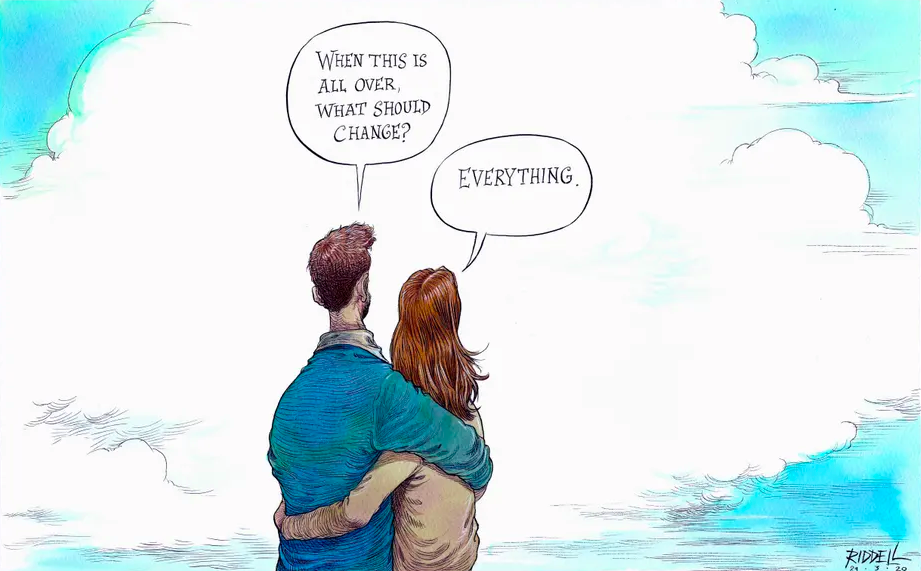
Sometimes the person we most need to help is ourselves. If you’re not feeling existential angst these days, you haven’t been paying attention. Every part of our lives has been turned upside down and inside out, leaving us reeling — and ready to hit the reset button.
“We’re questioning the very fundamentals of the ‘normal’ we’d all come to unthinkingly accept — and realizing
we don’t want to go back, not to that
,” wrote Sigal Samuel in
Vox
. “Living in quarantine for months has offered some — mostly the privileged among us — a rare opportunity to reflect on our lives and, potentially, to reset them. Workers whose jobs defined their lives are now asking
what all that productivity was for
, and whether we really want to measure our self-worth by the yardstick of hypercompetitive capitalism. Many are finding that the things that made them look ‘successful’ actually also made them feel
miserable
, or
precarious
, or
physically unwell
.”
Illustration by Chris Riddell for The Guardian
How can we change for the better? Here are eight quarantine-inspired habits
Vox
readers vow to keep.
Reducing consumerism
Slowing down, putting less pressure on ourselves
Prioritizing friends and family
Ethical action and activism
Daily exercise
Baking, vegetarian cooking
Spending more time in nature
Working from home
Like New Year’s resolutions — 80% of which are abandoned by February — I expect many of these habits will disappear long before we put our masks away in the attic for good. But hey, if even one sticks, it’s a step in the right direction.
Journeys of self-discovery aren’t always comfortable. In one survey 55% of respondents said they
felt embarrassed about some of their pre-pandemic values.
Take science, for instance. I don’t know about you, but I’ve read more about biology, medicine, chemistry, and epidemiology in the past six months than I ever did in high school, college, and my years as a magazine health writer. It’s amazing how having your life in danger sharpens your interest in data that could help you survive. Despite the best efforts of the lunatic fringe to discredit them,
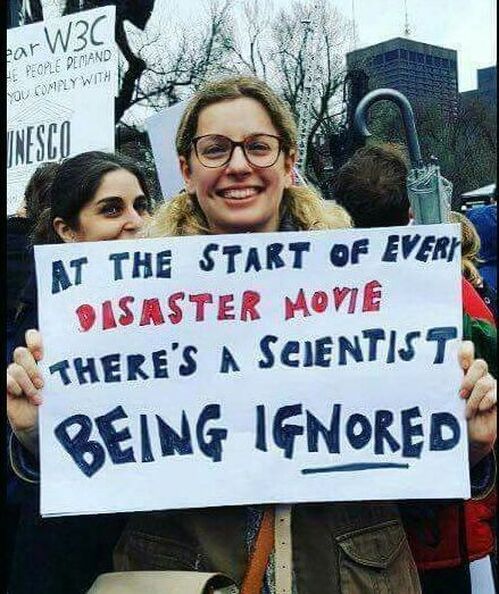
scientific experts are more respected than ever
and viewed as more trustworthy than the media, business leaders, or elected officials (obviously a low, low bar).
“COVID death tolls,” said Katharine Hayhoe, climate researcher at Texas Tech University, “provide
feedback on a daily basis of what happens when you ignore science
.” Maybe that’s why people are now paying more attention to climate change, too. About two thirds of Americans say that during quarantine they experienced transformative “
eco wake-up calls
” realizing they — and the government — must step up and protect the environment.
People are re-configuring all their relationships, starting with their partners. Couples in their twenties report spending
less time having sex and more time communicating
— and they’re OK with that. “I feel like we’ve gone through 30 years of marriage in three months,” says Kate in New York. “But it’s definitely shown me the resilience behind the relationship. It’s like a challenge that I think we both wanted to step up for. So it’s definitely made us stronger.” In Texas, Layne voices a more basic benchmark. “It’s a real good test of a relationship that you can be stuck in the same place as someone for such an extended period of time and not want to rip each other’s heads off.”
Several recent studies have shown that the
age group handling the pandemic most gracefully is older adults
(my cohort). Despite constant reminders that we’ve got a COVID-19 target painted on our backs, those born before 1965 are coping better, in part because we’re juggling fewer work and family responsibilities, but also because we’ve learned how to survive catastrophic times. As columnist Helen Dennis put it, “
We can reassure young people that this too shall pass
.” And having grown up in the pre-digital age, we find it easier to live with less stimulation and more silence.
Poet David Whyte says, “All of our great traditions, religious, contemplative and artistic, say that you must learn how to be alone — and have a relationship with silence. It is difficult, but it can start with just the tiniest quiet moment.” The universe has given us a big time out to consider our lives and figure out how to be the adults we hoped to become when we were kids and wondered how we’d turn out.
What has surprised you most about the way life turned out? Let me know in the comments below.
YOU MIGHT ALSO ENJOY
1 YEAR AGO: DAZED AND CONFUSED IN DIJON, FRANCE
THE JOURNEY ITSELF IS HOME
WHAT WOULD YOU LIKE TO TELL YOUR YOUNGER SELF?
Stay tuned! More good news, survival tips,
comfort food recipes
, and fun stories are on the way.
Make sure you don’t miss them; sign up below.
YES! I WANT TO KNOW WHEN MORE POSTS COME OUT
Leave a Reply