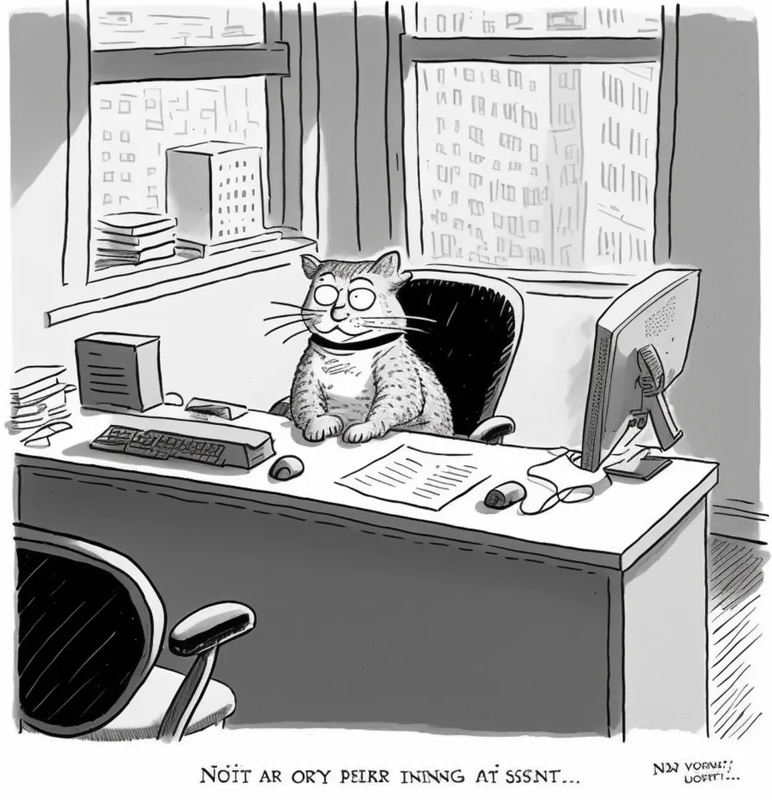
Ya gotta love AI. Its brainpower is (I checked) 6 billion times as large as mine, and yet this morning, when I was searching for a quote about surprising outcomes, this was the best it could come up with: “The unexpected is the only thing that can surprise you.” Well, duh!
My modest human brain was looking for a nifty way to describe the way small stuff can bloom into extraordinary experiences. Like the woman I knew in Ohio who couldn’t resist adopting a stray dog. And a second. Then more. When she found my future puppy, Eskimo Pie, by the side of the road, she was tempted to keep her, too. At nine weeks, Pie had that extra dollop of adorability that made even the most hardened cynic coo, “Awww, look at that little face!”
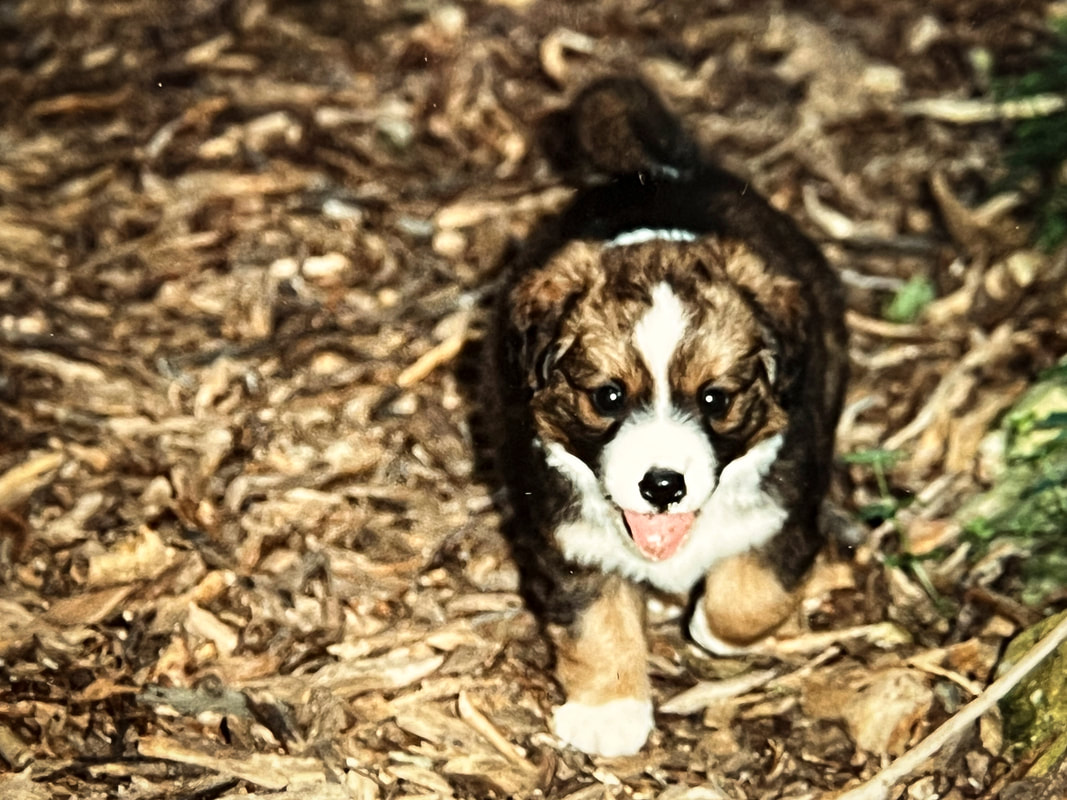
“I love her already,” the woman said. “But I don’t really need another dog.”
“How many do you have now?” I asked.
“Twenty-seven.”
Gadzooks! “Where do you keep them all?” I imagined some rambling country farm with dogs gamboling about the hayfields.
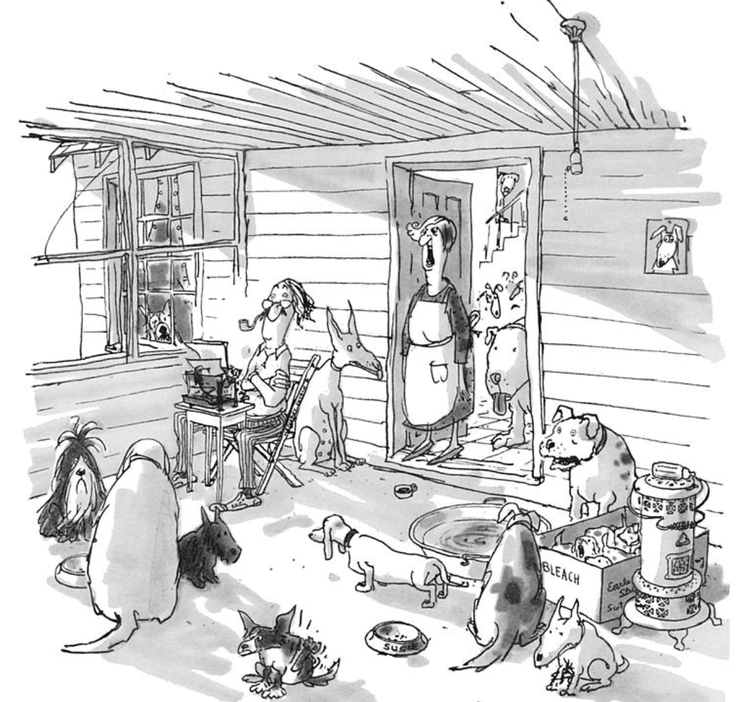
“We live in a little house with a small yard. But my husband built an extra room for the dogs.” I pictured a heaving mass of bored canines draped over shabby furniture, stained rugs, and one another. When I took the puppy home I very nearly named her “Lucky” because she had dodged that bullet.
And speaking of projects taking on a life of their own, there was the time that Rich had his Brilliant Idea about the dead oak in our front yard. “I was going to hire someone to haul it away, but instead I’m going to get that Amish guy to help me cut it into planks we can use in home improvement projects. It’ll pay for itself!”
You see where this is going?
The ancient tree produced ten 15-foot logs, each weighing 2000 pounds. An Amish miller arrived with a complicated system of claws, pulleys, and terrifying blades to saw the logs into rough planks. After shifting the planks to the barn for a year of drying, Rich hired haulers to take them to a kiln, and 90 days later hired another crew to transport them to a craftsman who produced finished tongue-in groove boards.

“How much do you figure that tree cost us?” I asked Rich this morning at breakfast.
He shrugged and changed the subject.
But for simple jobs that grow beyond our wildest expectations, I have to hand it to our friend Joe Kinsella. One day he heard about a Marine fresh from Afghanistan named Adrian Kinsella (no relation, but it caught Joe’s attention) who was trying to help his former field interpreter and family resettle in the US.
The translator was 18 when he began serving with the military. “The troops nicknamed him Yoda, like the Star Wars character, because he didn’t say very much,” Joe told me. “His mother and seven younger siblings did not know what he did when he disappeared during the day. It was kind of ‘loose lips sink ships.’ But he did ask for permission from his father.”
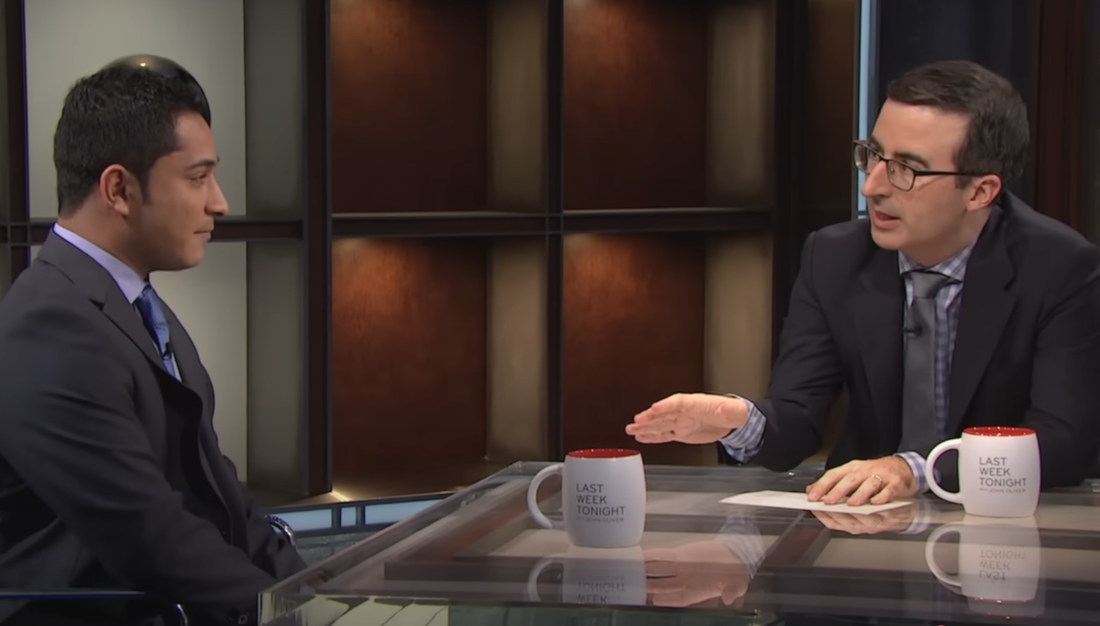
“My dad, he was glad,” Yoda recalled in a 2014 interview with John Oliver on Last Week Tonight. “He was really excited, he was like ‘This is a great opportunity, you’re going to be helping your country and supporting the US troops; they are here for your country, to rebuild your country.’”
The Taliban took a dimmer view; they saw collaboration as a death penalty offense for the whole family. First, they kidnapped and killed Yoda’s father. Next they abducted Yoda’s youngest brother, a toddler. Then they thought, “Hey, why not turn a profit?” They told Yoda, “Your brother will be laid on the grave of your father unless you give us all your money.”
“They got hurt because of me, because of my job,” said Yoda. He paid every penny the family had — almost $35,000 — to get his brother back, then they all fled to Pakistan. As fugitives with dubious legal standing, they spent five years rarely leaving the house, foregoing school and medical care to stay out of sight.
Luckily, the USA takes care of those who have risked their lives for us; a Special Interest Visa was available for the whole family. Unfortunately, the red tape involved was insane. After three and a half years, Yoda got his visa but his family remained stuck in Pakistan.
Then John Oliver did a show called Translators, holding up stacks of paperwork and sharing some of its many absurdities.
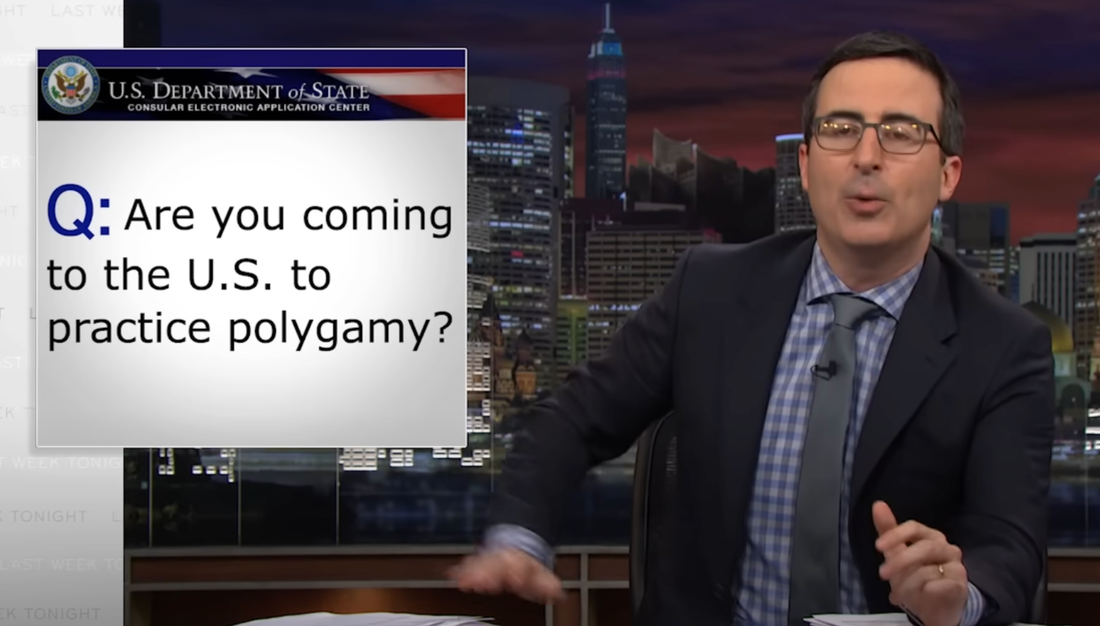
“By now the ghost of Franz Kafka is thinking ‘Don’t you dare call this Kafkaesque, I don’t want my name anywhere near this,’” Oliver said. “‘Compared to this, waking up as a cockroach is normal.’” He showed a stray donkey befriended by American troops that was transported to America in just eight months while Yoda’s family spent half a decade in hiding.
How embarrassed was the State Department? It brought Yoda’s family to America the month after Oliver’s show aired.
And Joe — in one of those small impulses that change your life — offered to help them find housing. He soon found himself in charge of “Team Yoda,” volunteers from the NextDoor community and a nearby Catholic congregation who helped the family get settled.
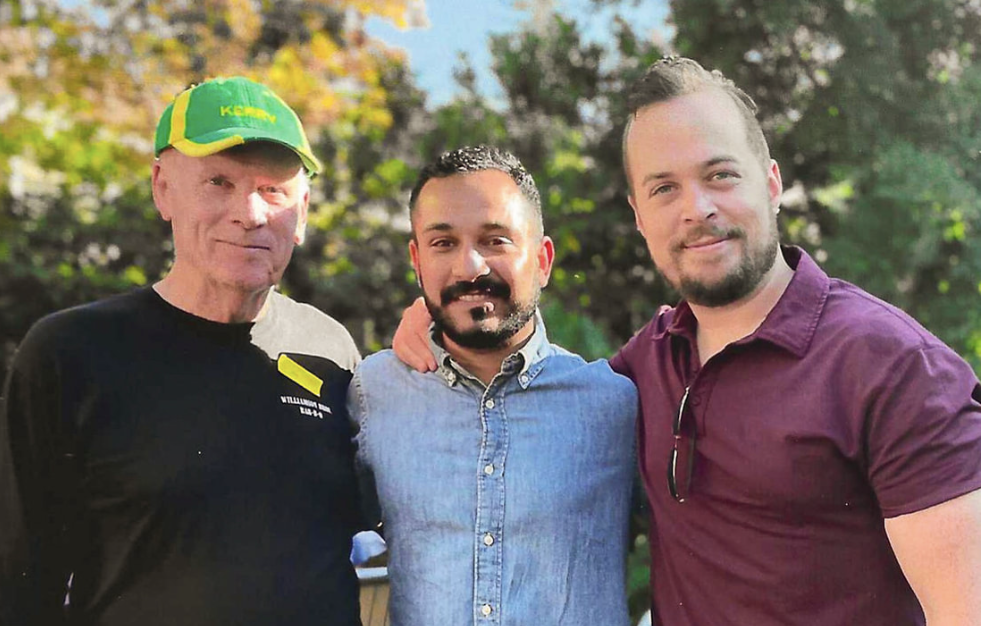
Meanwhile Adrian Kinsella did paperwork to pave the way for their green card applications. This was complicated by the fact that on all legal documents, Yoda, whose first name is Mohammed, was erroneously listed as Mohammed, FNU (first name unknown), so he became embedded in the American system as Fnu Mohammed.
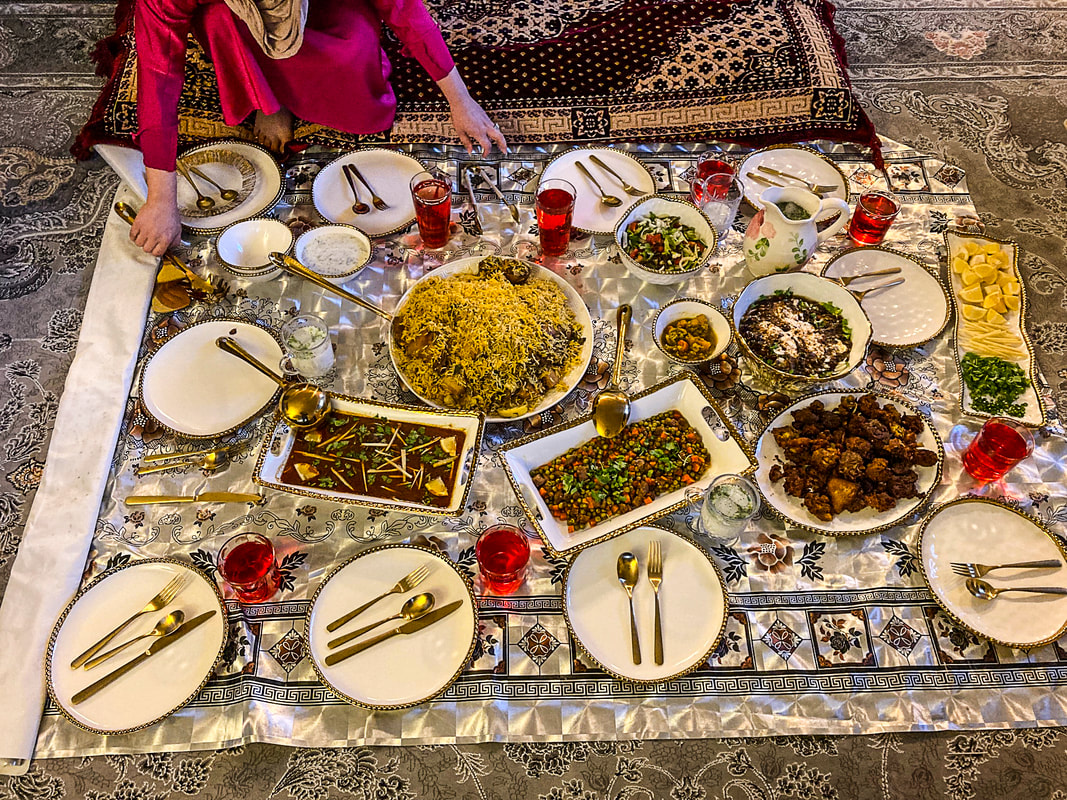
Then there were the cultural issues. The Afghans were astounded when Joe explained you don’t bargain with the cashiers at American supermarkets, and that dentist appointments are for a precise time, not whenever you show up.
Over the years he has become “Uncle Joe” to Yoda’s family, celebrating with them as the older kids graduated from college and started careers, when Yoda became a biomedical engineer, the day green cards were finally granted in 2023, the announcement that youngest, the toddler kidnapped by the Taliban, made the high school track team.
Joe’s story made me think about all the people — from close kin to total strangers — who must have assisted my relatives when they first immigrated to America.
Why do we help people we don’t even know?
Because we understand, deep in our ancestral brains, that cooperation has always been the key to survival. That was true when we were spindly little newcomers on the African savannas, surrounded by larger creatures with ferocious teeth and claws, and it’s equally certain now, as we turn more and more of our lives over to machines with 6 billion times our data capacity, but none of our hard-earned wisdom or compassion.
Looking out for one another is how we Homo Sapiens have paid it forward for 200,000 years. Given current realities, who is to say that we might not end up as refugees in a foreign land someday? If so, we can only hope that we are lucky enough to have an Uncle Joe around to welcome us to our new home.
Leave a Reply