When I mention my daily siestas to Americans, they often look at me sideways, obviously wondering if I’ve entered my dotage, never matured past the age of five, or deteriorated into a day-drinking couch potato during the pandemic.
Some sidle away in quiet alarm at this point, but the hardier souls ask, “You take a nap every afternoon? Really? But then how can you sleep at night?”
‘I sleep better at night when I take a siesta,” I explain. “I’m a more relaxed person. My days have a gentler rhythm. And it’s like having fourteen mornings a week!”
If they’re still unconvinced, I can now point out that
Spain was just awarded the highest health grade on the planet
in a sleep study comparing life expectancy, the
Bloomberg Healthiest Country Index
, and average sleep time. ”Bloomberg gave Spain the highest health grade: 93 percent (that’s a solid A), while the U.S. came in 35th with a score of 73 (eek, that’s a D…minus),“ reported
Well + Good
. You may be surprised to learn more snooze time doesn’t automatically earn a higher health grade. Spain averages a modest 7 hours and 10 minutes, while Mexico, despite a solid 9 hours nightly, has the lowest life expectancy of the 37 countries in the study.
Lots of factors influence Spain’s health grade, of course, including the famous
Mediterranean diet
. But I am convinced (based on completely random, unscientific, anecdotal evidence) that another key element is their relaxed attitude toward sleep. As far as I can tell, nobody here in Seville worries about how many hours of shut-eye they’re getting. In the US, we’re bombarded with articles such as the CDC’s “
1 in 3 adults don’t get enough sleep
” with the ominous subhead, “A good night’s sleep is critical for good health” and an opening sentence citing the CDC’s Morbidity and Mortality Weekly Report. Yikes! One minute into the article and I’m already feeling doomed.
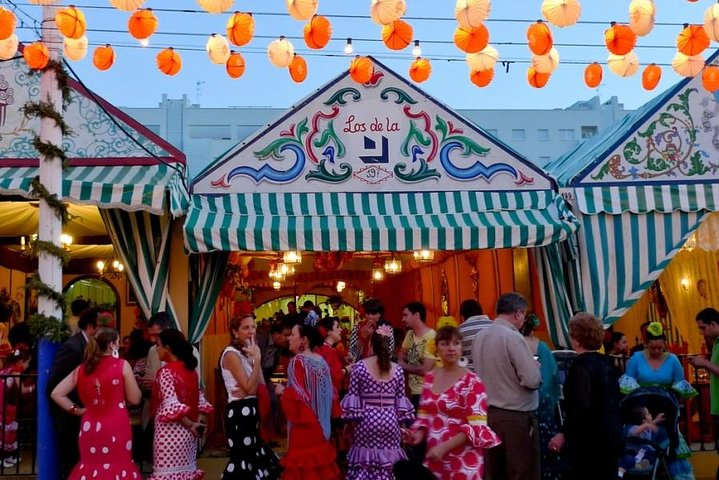
When I moved to Seville, I was staggered by everyone’s insouciant attitude toward sleep. Last night, for instance, dinner with friends lasted until 1:30 AM — on a weeknight. You get even less snooze time during the annual seven-day
Feria de Abril
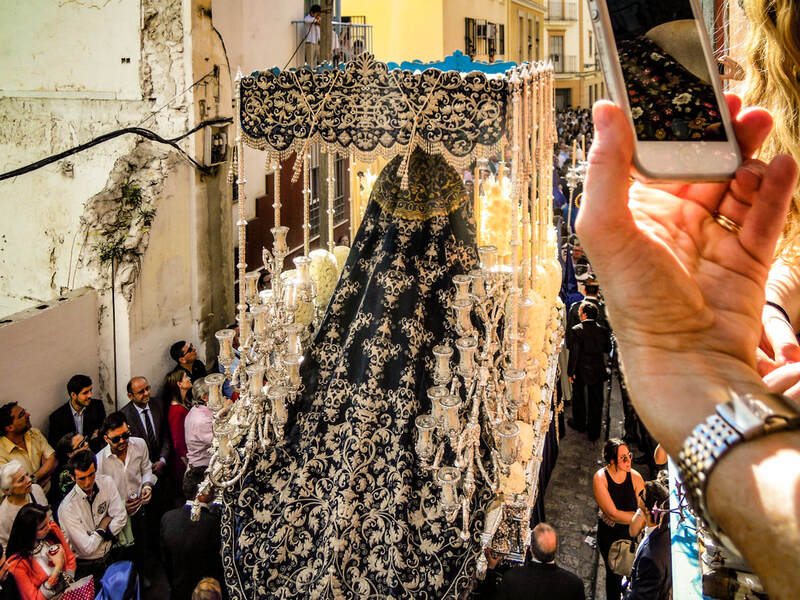
(April Fair). For this giant party, more than a million people dress up and spend every night drinking and dancing until dawn. They then stagger homeward, stopping briefly to refuel at a churros and chocolate stand before navigating the stairs to their apartment and falling into bed. Two hours later, they’re up, gulping coffee, and stumbling off to work. And nobody seems concerned.
“It’s just a week,” they say with a shrug. “I’ll be fine.” And so they are. Although to be honest, I wouldn’t schedule elective surgery, car repair, or even a haircut that week. Not everyone will be operating at peak efficiency.
A few years ago, rocket scientists started putting the siesta under a microscope to see if it might prove useful in outer space. “NASA’s research showed that naps really can fully restore cognitive function at the same rate as a full night’s sleep,” reported
Business Insider
. “The space agency found that pilots who slept in the cockpit for 26 minutes showed
alertness improvements up to 54% and job performance improvements by 34%
.” Astronauts call this a
NASA nap
.
In business circles, the preferred term is
power nap
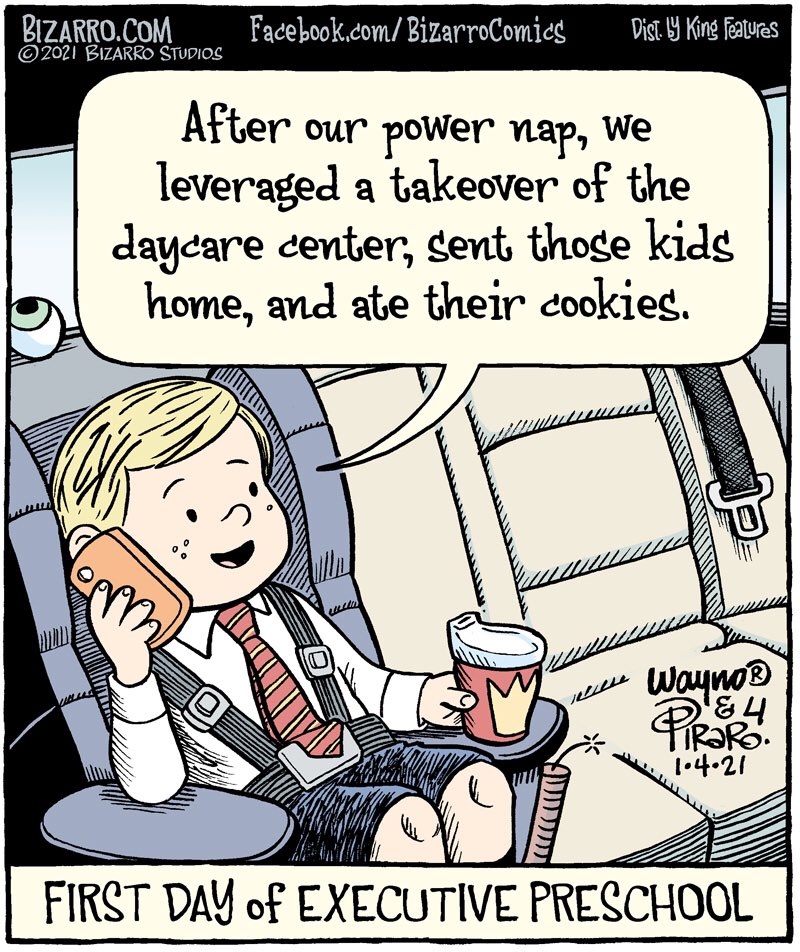
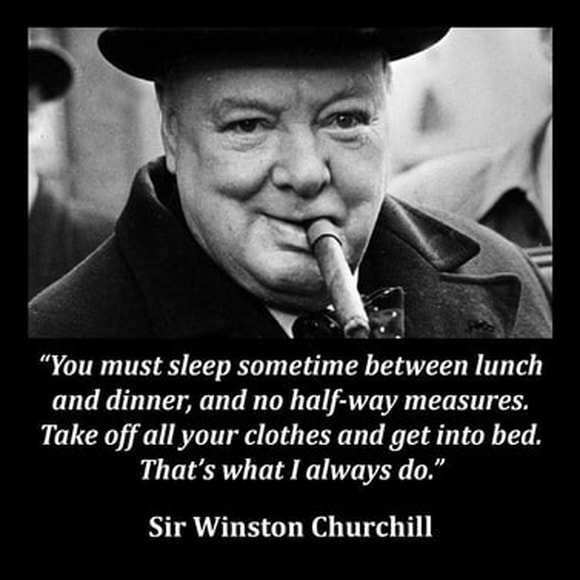
, to make it sound more grown-up, professional, and goal-oriented. Executive nappers like to point out how many success icons, such as Winston Churchill, Margaret Thatcher, and Albert Einstein, snoozed every afternoon. They’ll then cite the health benefits:
siestas reduce the chance of a fatal heart attack by 37%
and can
reverse information overload and prevent burnout
. It’s not difficult to do a cost-benefit analysis that favors siestas. Oops, sorry, I mean power naps.
And then there’s the
coffee nap
. I personally have not tried this, but apparently you begin your rest period by downing a latte or espresso, then immediately lie down to sleep or just relax for 20 minutes. Meanwhile, the caffeine molecules are fitting themselves into receptors in the brain that are normally occupied by a chemical called adenosine, which tends to build up during the day, making you sleepy. By around the 20-minute mark, stimulating caffeine molecules have replaced all the sleepy adenosine molecules, leaving you feeling bright-eyed, bushy-tailed, and zippity doo dah. Proponents rave about the reinvigorating effects of this process, which has been dubbed the
nappuccino
.
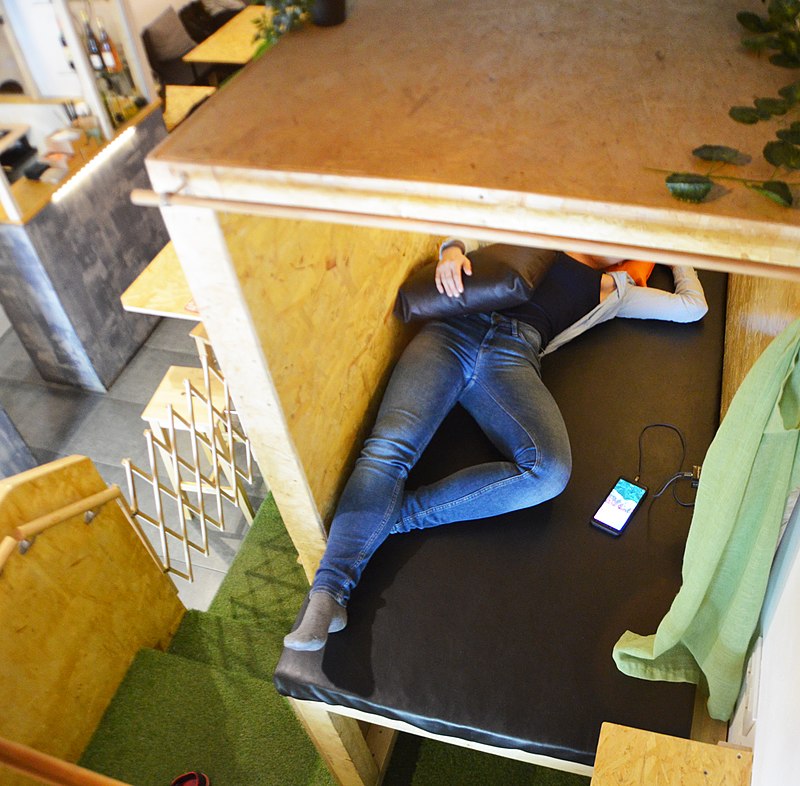
Of course, it can be tough to find a suitable spot for a doze, especially if you’re traveling or working in a busy office. That’s why humanitarians in Barcelona, Spain created
Nappuccino Corner
, a café where, for the price of a modest lunch and a coffee, you get a free siesta in one of their individual resting pods. “They are not completely closed in order to prevent any claustrophobic feeling,” says the website, although I suspect it’s mostly to prevent any shenanigans from taking place inside.
With or without coffee, a siesta should only last about 20 minutes. That’s because you want to stop before reaching deep REM sleep, which can leave you groggy afterwards. To avoid this, Einstein used to nap with a pencil loosely clasped in one hand, knowing that when he edged toward more profound slumber, the pencil would fall to the floor with a clatter and wake him. Even if you don’t sleep but simply rest for 20 minutes, you get the benefits of a siesta. Afterwards, the Spanish advise reanimating yourself with a
marienda
(afternoon snack) of coffee and sweet pastry — essentially
another breakfast
— and why not?
“Napping gets a bad rap in our culture,”
says
Psychology Today
. “There’s a stubborn perception that napping is a sign of laziness. In fact, it’s just the opposite.” The article explains how a siesta can increase alertness, improve concentration and accuracy, help you make better decisions, and enhance memory and learning.
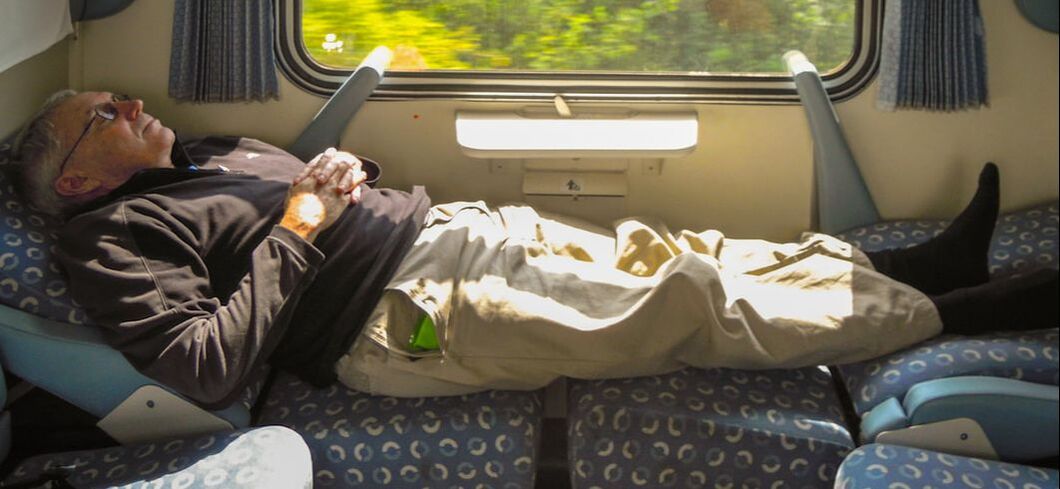
Afternoon siestas not only improve your mental and physical wellbeing, they give you something pleasurable to look forward to every day. I begin by closing the shutters to create a cozy twilight, then stretch out on the couch; if it’s cool enough, I wrap up in cozy blanket. I open my Kindle, read a few pages, then close my eyes, just for a moment … and wake up twenty minutes or so later, feeling deeply refreshed.
Do siestas really make you healthy, wealthy, and wise? Science says yes, but don’t take my word for it, or even Einstein’s. Try it for yourself. This will, of course, be easier if you work at home or live in Spain, where everything shuts down for the midday break. And no doubt your schedule is pretty full already. But hey, if Churchill could squeeze in naps while fighting off Hitler, maybe you can find twenty spare minutes in your schedule, too. Just be prepared for a few quizzical looks from friends, neighbors, and co-workers who have yet to discover the happy truth: taking a siesta is hitting the reset button on your day. And who doesn’t want to do that?
Now that I’m back home in Seville, my favorite city on the planet, I’m taking a fresh look at local culture and customs while discovering how the pandemic has reshaped the landscape.
CLICK HERE TO RECEIVE FREE UPDATES
on Seville, travel to Europe, and where to find good eats and survival comforts.
HOW TO HAVE FUN IN SEVILLE
SEVILLE IN WINTER
SHOOTING FABULOUS PHOTOS WITH YOUR PHONE
Leave a Reply