
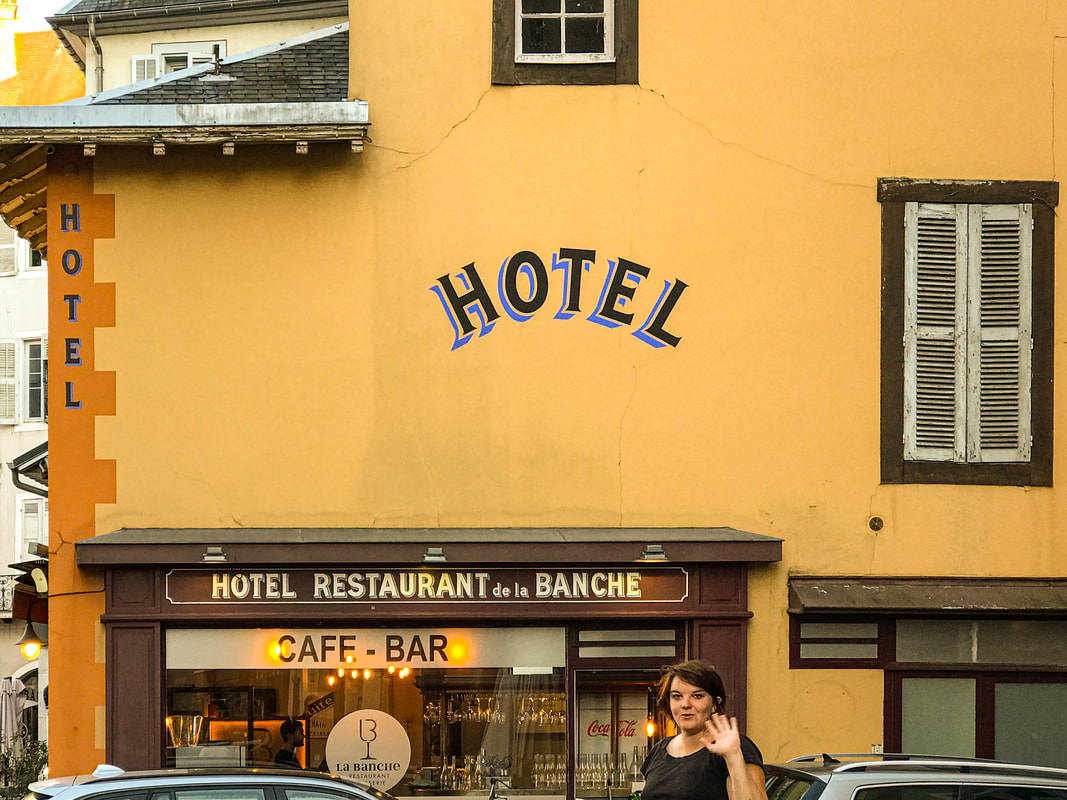

“I never meet American people who don’t like to eat,” said Martine, my hostess at
a dinner in the French alps
a few years ago. “You all like to eat. You are very curious.”
When you think about it, that may be America’s finest gift to world cuisine: curiosity. Our own culinary traditions are all over the place. We have to maintain constant vigilance to keep pernicious corporations from sneaking harmful substances into our diets. Most of us don’t know a sous vide precision cooker from a masticating juicer. But we tend to be enthusiastic omnivores who aren’t afraid to try new things.
Not every culinary experiment is a howling success. I won’t be ordering more
Mongolian бууз (dumplings)
any time soon. At home, my riskier recipes occasionally teeter on the brink of disaster and can only be saved by the lavish application of last-minute rescues: olive oil, salt, lemon juice, wine, a dollop of Greek yogurt, and/or chocolate chips. And sometimes even those Hail-Mary ingredients can’t stop the train wreck.
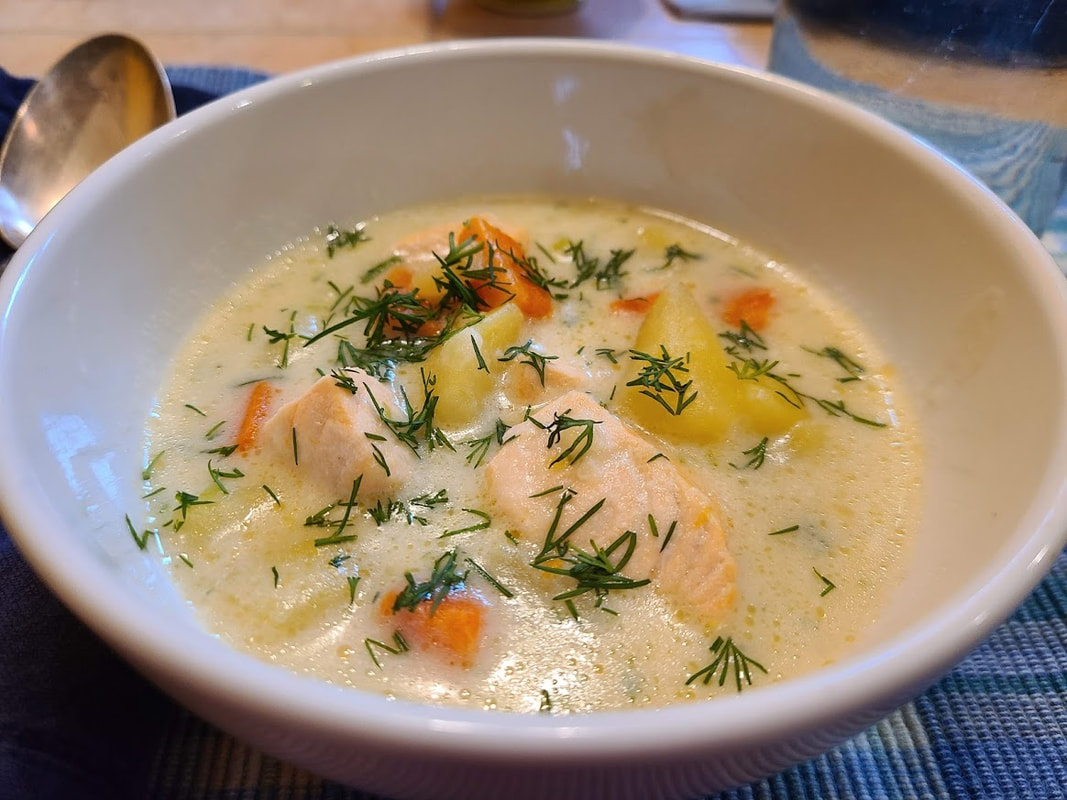
One of my worst disasters started innocently enough. To set the mood for a discussion about a possible future trip to Scandinavia, I decided to try making
Lohikietto,
Finland’s most popular chowder. Salmon, cream, potatoes, dill, and a recipe from the world’s happiest country — what could possibly go wrong? And in my defense, for once I scrupulously followed the recipe instead of improvising.
The result was the kind of bland, watery soup I’d expect to be served on a tin plate in a maximum-security Russian prison.
One by one I threw all my rescue remedies into the pot — except for the chocolate chips, which went directly into my mouth to steady my nerves. The remedies improved the soup just enough so that now it tasted like food you’d get in an American county jail. Rich manfully downed a bowlful, but he has never asked for it again.
Despite the occasional dud, trying new food is one of the great joys of life, especially when we travel. Most of my road meals have been good to great, and whenever I write about them, people ask me for pointers that will help them find terrific eats in foreign towns. So here goes.
To prepare your taste buds for the treats in store, look up local specialties in advance. Google the cuisine, check out blogs, and consult apps such as
Culture Trip
and
Triposo
, which describe the cuisine and give directions to places providing outstanding examples.
As early in the trip as possible, book a food tour — or, if none is available, a walking tour.
Warsaw’s Eat Polska food tour
introduced me to the Soviet-era snack of brown bread with pork lard and gherkins (not nearly as bad as you’d think, especially with vodka) as well as gorgeous duck breast with buckwheat groats, honey, beets, and cranberries.
“In the past, before McDonald’s and new kinds of processing arrived, the food here was more flavorful and nutritious,” said Ula, who led the tour. “There wasn’t much food in the stores, but at least everything was fresh and not full of chemicals. Many people here are quite nostalgic for food from the 1970s.” That was a perspective I didn’t see coming.
In Dijon, France, my guide Philippe introduced me to the
city’s iconic mustard, its famous gingerbread
— which he ate (brace yourself) topped with chopped liver — and the 11:00 am
aperitif
. This French-style elevenses included
gougères
(cheese puffs) and
kir
, a mix of
crème de cassis
(blackcurrant liqueur) and white wine. At the colorful 19th century Les Halles Market, he showed me Europe’s most expensive poultry, blue-legged Bresse chickens, which go for $50 and up per bird. “Don’t even think about it,” said Rich.
Traditional markets like Les Halles often have bustling eateries in the middle; I look for small diner-like counters serving incredibly fresh fish and bread hot from the oven. Open air markets are generally surrounded by cafés, and I like to wander around, snapping photos of anything that catches my fancy so I can try to find it again at mealtime.
About now you may be wondering about consulting Trip Advisor, but frankly, I don’t advise it. In Seville, the European city I know best, cookie-cutter corporate chains rise to the top of Trip Advisor lists simply because people find them easily due to location and advertising. Sadly, visitors who are unfamiliar with good paella don’t always realize they’re being served inferior frozen versions. You can do better.
What about asking at your hotel? In a big city, such as Paris or Rome, I find concierges will usually send me to “safe” places, soulless tourist venues they’ve recommended a thousand times. But in a more remote locale, with less jaded staff, I listen closely to what they say.
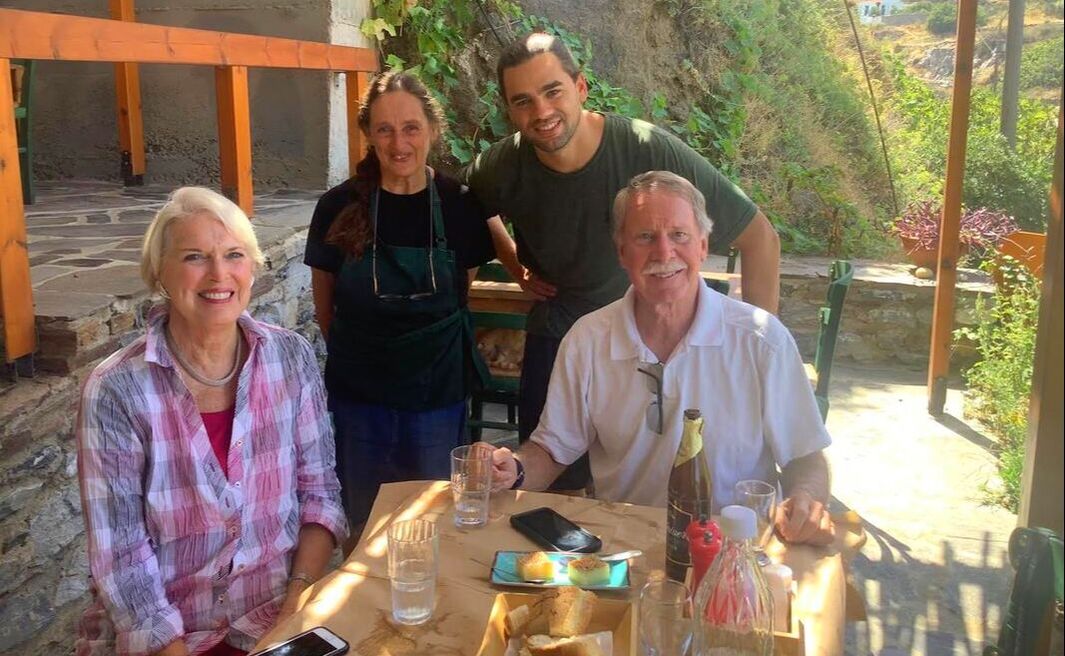
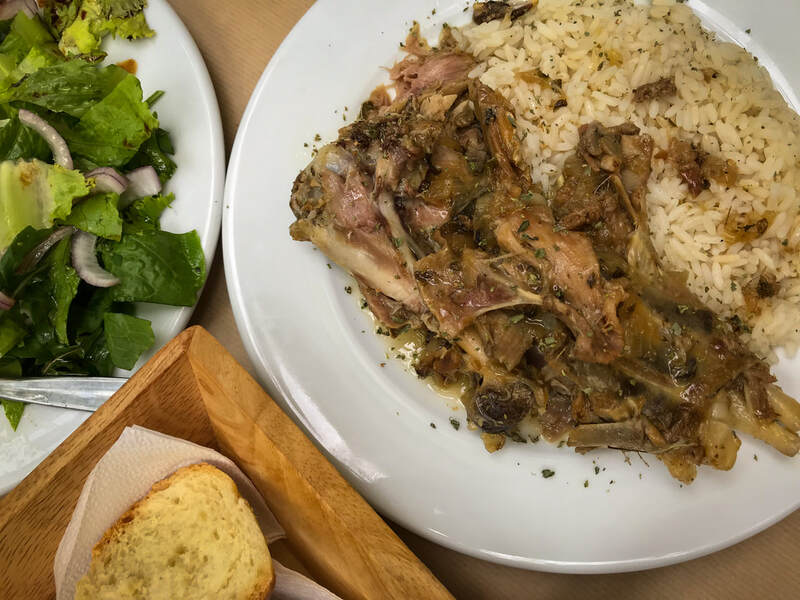
Three years ago, on the Greek island of Ikaria, the desk clerk Dimitri told me Popi’s had the
best cuisine on the island, possibly in all of Greece
. It sure did. I fell in love with the food (the wild goat was amazing) and the Popi family; Rich and I ate there often. As it happens, friends were on the island this week and wrote, “We were treated like royalty when we dropped your name! We loved their food and meeting them!”
Eating out can be great, but sometimes you just want to stay in and cook. On the road, you’ll want simple ingredients and recipes that won’t overtax your Airbnb’s modest kitchen equipment. I remember one rental apartment had no saucepans so I had to make my oatmeal in a frying pan. Yep, it works!
Cooking in your lodgings lets you experiment with local ingredients you couldn’t resist purchasing and now realize you don’t want to lug home. If you splurged on tarragon mustard in Dijon, use it to create
Mushroom Chicken in Dijon-Wine Sauce
or
Baked Dijon Salmon
. Couldn’t resist buying Greek yogurt during your food tour of Athens? Try this
Tzatziki Sauce
on anything from raw vegetables to oven-roasted lamb.
Don’t feel like cooking or going to a restaurant?
EatWith
offers private dinners and cooking classes put on by chefs in their own homes. It’s a great way to sample local fare and chat in a leisurely way about food, wine, restaurants, and life. You’ll walk away with a satisfied tummy and tons of ideas about what to see, do, and eat next.
Living in Seville, I’ve learned to view eating as the Spanish do — not as squandering time but as making the most of it. Growing up, I often viewed cooking and eating as an inconvenience, just one more obligation to squeeze into my day when I’d rather be doing something else. Now I look forward to every meal as the gift that it is. Good food not only nourishes body, soul, and brain, it provides opportunities for connecting with people wherever we are. Sitting down to a great meal with congenial cooks and a curious attitude creates memories that will last forever.
Where are you traveling these days?
RIch and I are heading back to Seville next week, so I’ll be taking a few weeks off to reorganize my life. I look forward to posting again in October, with all new stories about life in Spain.
IKARIA’S BEST WILD GOAT RECIPE FROM POPI’S
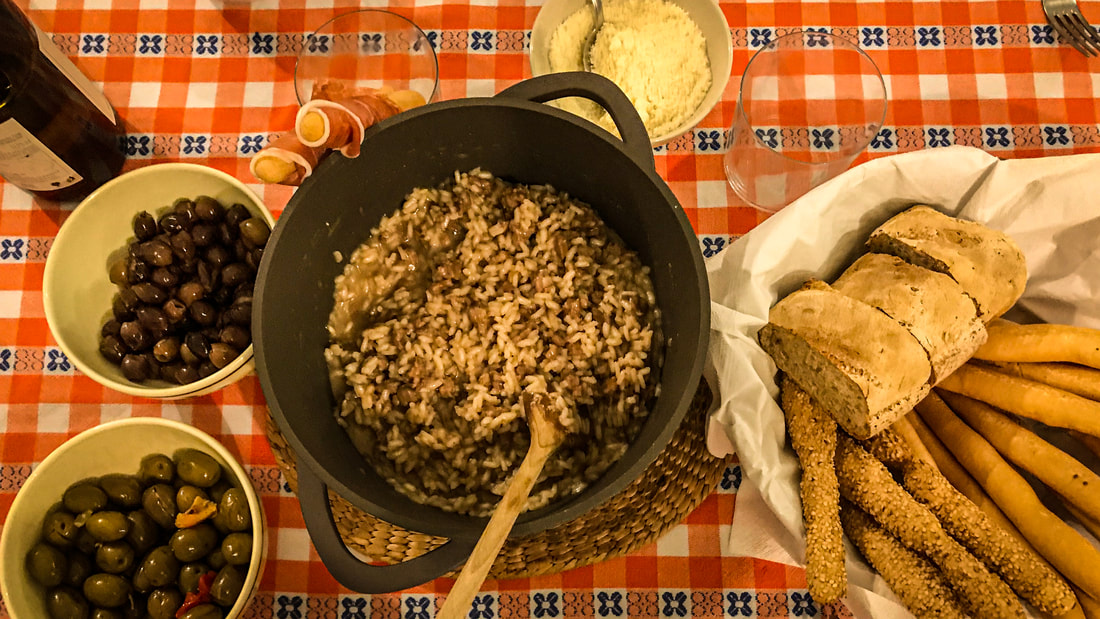
CARLOTTA’S SAUSAGE RISOTTO RECIPE
WANT TO KNOW WHEN I’M PUBLISHING NEW STUFF?
If you would like to subscribe to my blog and get notices when I publish,
just send me an email. I’ll take it from there.
[email protected]
Yes, my so-called automatic signup form is still on the fritz.
Thanks for understanding.
Technology. Always a moving target.

Leave a Reply