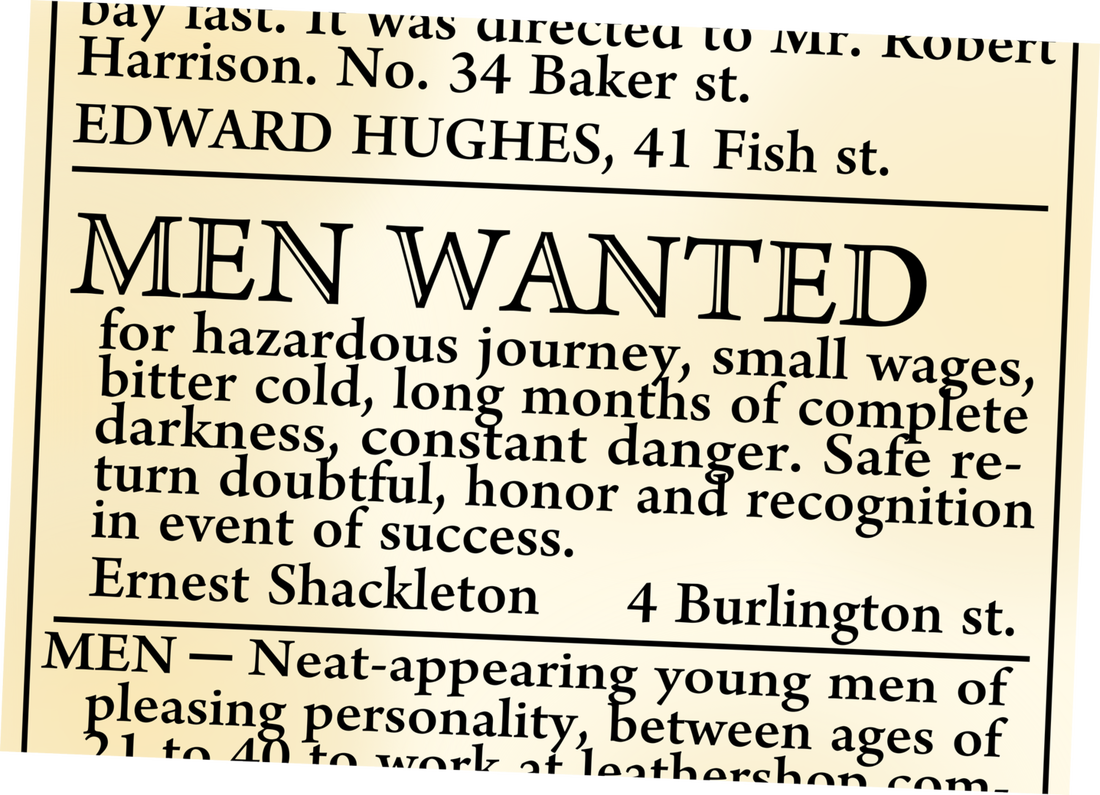





Would you have answered that ad? Me neither, but it allegedly drew 5000 applicants for
Ernest Shackleton’s 1914-1917 Antarctic expedition
. As it turned out, the ad actually
understated
the dangers; things went horribly wrong for Shackleton and then they got much, much worse. What was meant to be a triumph — “the last great polar journey of the Heroic Age of Exploration” — became a breathtaking tale of survival against all odds.
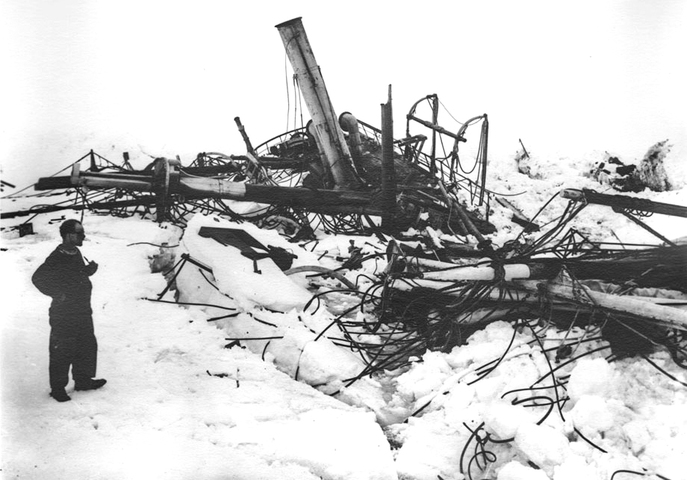
For starters, Shackleton’s ship,
Endurance
, became trapped then crushed by the Antarctic ice.
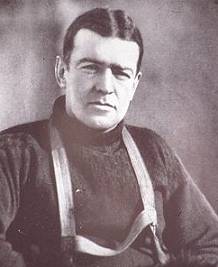
Ernest Shackleton, optimist
The 28-man crew spent five months stranded on ice floes, which eventually drifted close enough to the sea for them to pile into three salvaged lifeboats and sail to a tiny spit of land, the first solid ground they’d set foot on in 497 days. Unfortunately, the spot was well outside of shipping lanes, and by now World War I had broken out; they were 10,000 miles from home and nobody was coming for them.
So Shackleton and five crew members set off in a 22-foot lifeboat to sail 800 miles across the most hazardous stretch of ocean in the world. Their goal: a tiny, isolated island with a whaling station. Incredibly they made it, although they landed on the wrong side of the island, so to reach the inhabited part, they had to scale a mountain that was considered impassible.
Kind of puts our own vacation disasters into perspective, doesn’t it?
I would have given a lot to see the expression on the whalers’ faces when Shackleton and his men walked in to the settlement. It took months to rescue the men left behind, but in spite of all the dangers and hardships, not one single member of Shackleton’s crew was lost during the entire expedition.
Rich, who is fascinated (OK, obsessed) by the story, took his nose out of the book
Endurance
long enough to say, “You know what Shackleton said was the single characteristic he looked for in his crew? It wasn’t experience, it wasn’t physical strength, it was
optimism
.”
I was recently reminded of Shackleton and his optimism when I interviewed
Lilka Areton at the Museum of International Propaganda
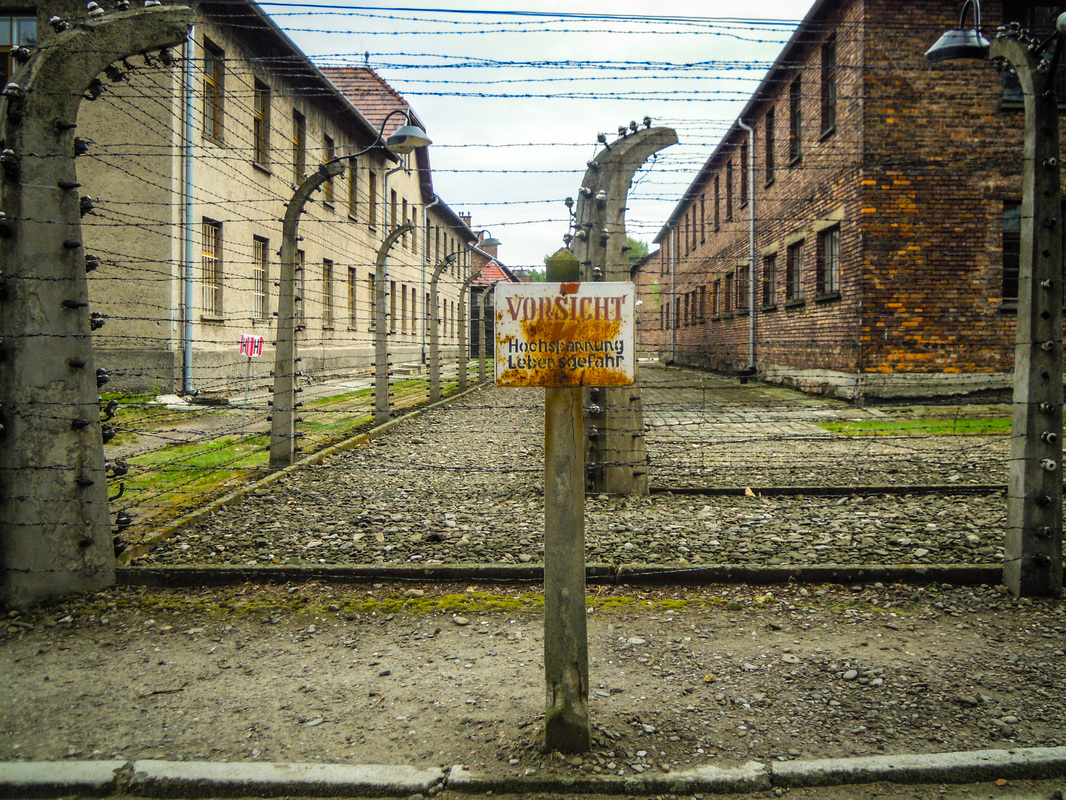
. She described how her Czech mother-in-law made it through Auschwitz.
“She never doubted for one single minute that she would survive,” Lilka said. “Her father had sent her to school to learn sewing, and she was put to work doing mending for the Nazi wives. She got her sister and best friend on that work crew, too.” Lilka’s mother-in-law survived her time in the camp and the harsh post-war years under the repressive Soviet-bloc regime that followed. Today, she’s in her nineties and living in California.
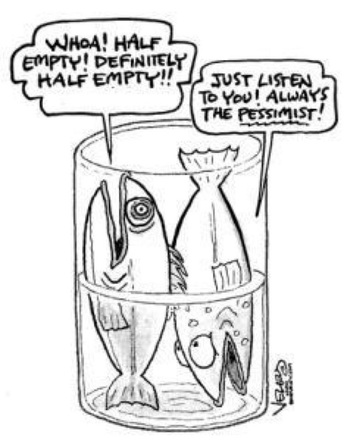
Does optimism really help us survive, or is that an old wives’ tale we cling to for comfort when things go wrong?
It turns out optimism really does help us beat the odds, and the benefits are physical as well as psychological. “Do people who see the glass half-full also enjoy better health than gloomy types who see it half-empty?” asked a
Harvard Health
article. “According to a series of studies from the U.S. and Europe, the answer is yes. Optimism helps people cope with disease and recover from surgery. Even more impressive is the impact of a positive outlook on overall health and longevity. Research tells us that an optimistic outlook early in life can predict better health and a lower rate of death during follow-up periods of 15 to 40 years.”
If you’re trying to figure out where you rate on the optimist-pessimists scale, the article explains one way scientists define it. “The pessimist assumes blame for bad news (“It’s me”), assumes the situation is stable (“It will last forever”), and has a global impact (“It will affect everything I do”). The optimist, on the other hand, does not assume blame for negative events. Instead, he tends to give himself credit for good news, assume good things will last, and be confident that positive developments will spill over into many areas of his life.”
Setting out on any journey demonstrates an astonishing degree of optimism. We are betting our lives that planes really can fly, rental car brakes will work, and food is (mostly) safe to eat. “Optimism is the faith that leads to achievement,” Helen Keller once said. “Nothing can be done without hope and confidence.”
My faith in the world suffered a setback this morning when I looked up the wording on Shackleton’s famous ad — the one reproduced everywhere: books, motivational posters, mugs, t-shirts — and discovered it’s likely a myth. Arctic Circle historians have been scouring the
Times
archives for years without discovering any trace of that advertisement. “Damn it,” I thought. “There goes my lead!” But everything else we’ve read about Shackleton has proved to be true, and in the end, I decided to share the ad anyway. While it may not be the explorer’s own words, it does capture something of his spirit, which he expressed in this (well documented) comment: “Difficulties are just things to overcome, after all.” Words to live by, especially in challenging times.
Are you an optimist or a pessimist? How does it affect your ability to overcome obstacles?
YOU MIGHT ALSO ENJOY
COPING WITH TRAVEL EMERGENCIES
9 BIG TRAVEL MYTHS, DEBUNKED
HOW TO AVOID A PERFECT VACATION
KINDLE EDITION HALF PRICE HOLIDAY SALE

Leave a Reply