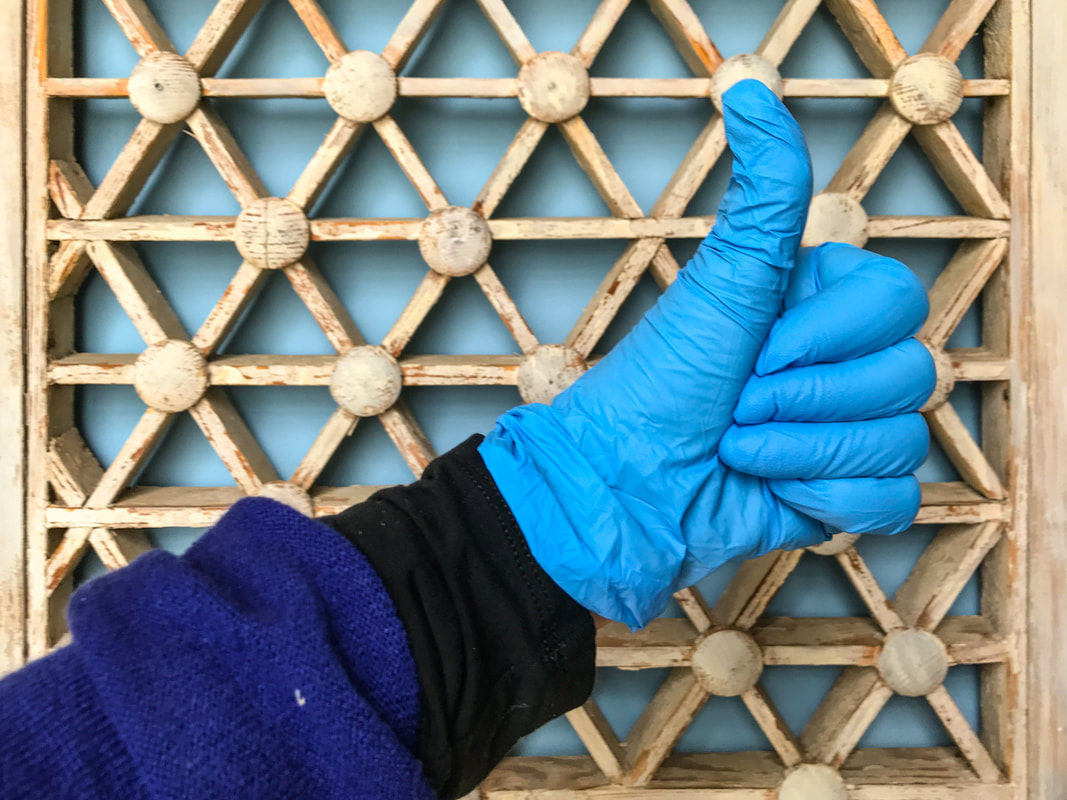
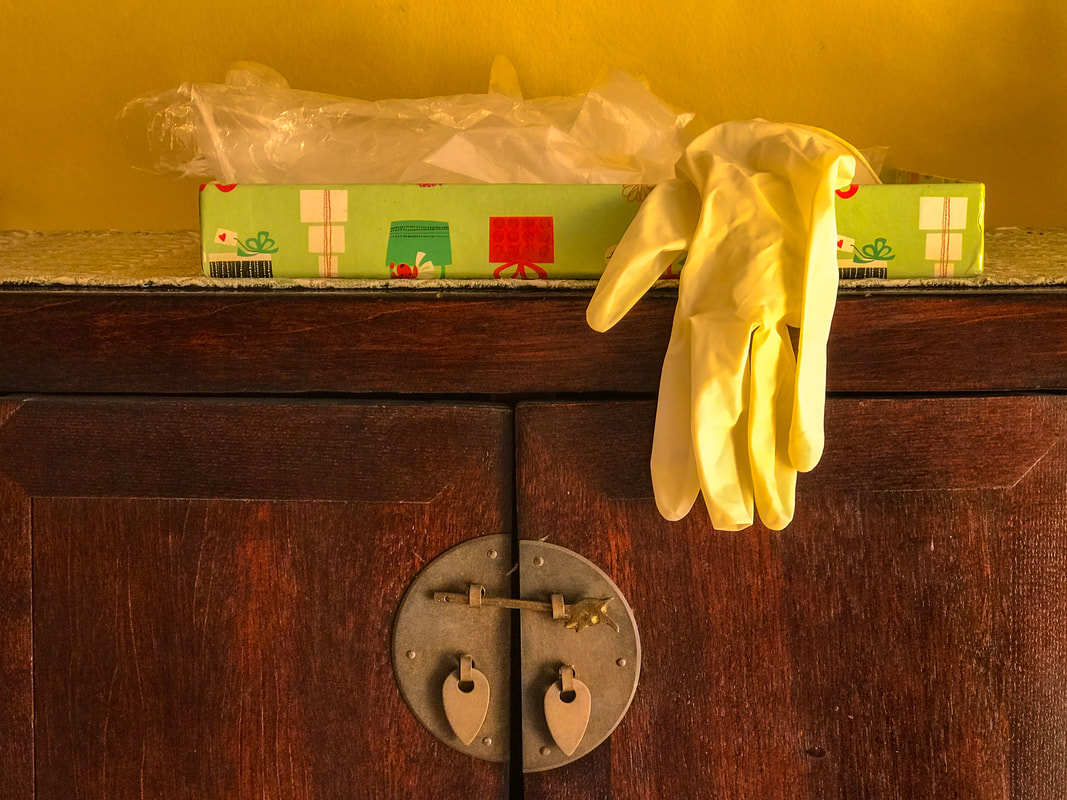
I don’t like to brag, but I can’t resist sharing my good news: I am now the proud owner of four surgical masks and six of those cool blue nitrile gloves — all brand new and never worn or washed! I know, thrilling, right? I’ve been sanitizing and patching our old latex gloves for weeks and was down to my very last one, plus a few flimsy, floppy produce gloves Rich brought home from a grocery run.
You can imagine how delighted I was when Rich arrived home bearing his treasures.
“I could have gotten more,” he said, as he emptied his pockets in our Decontamination Zone (formerly known as the front hall). “But it just seemed wrong to take anything beyond what we absolutely need.”
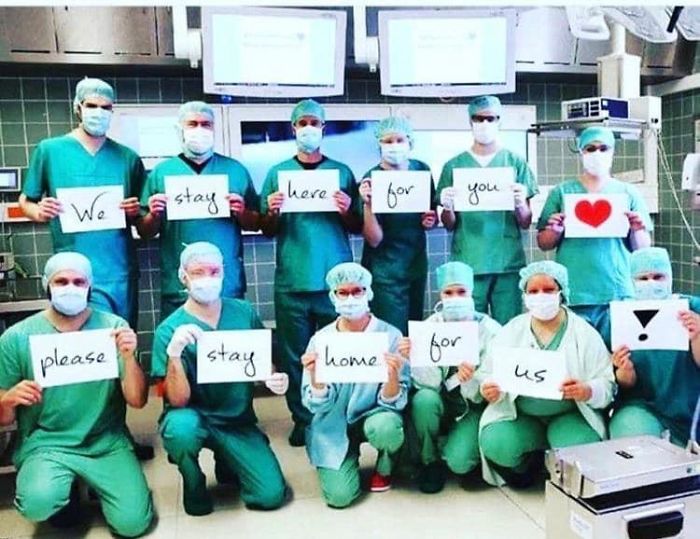
We’ve all read about supply shortages forcing doctors, nurses, and other frontline workers to fashion substitute face shields from random materials like plastic report covers; some healthcare workers, including those in LA County, have been instructed to reuse surgical masks.
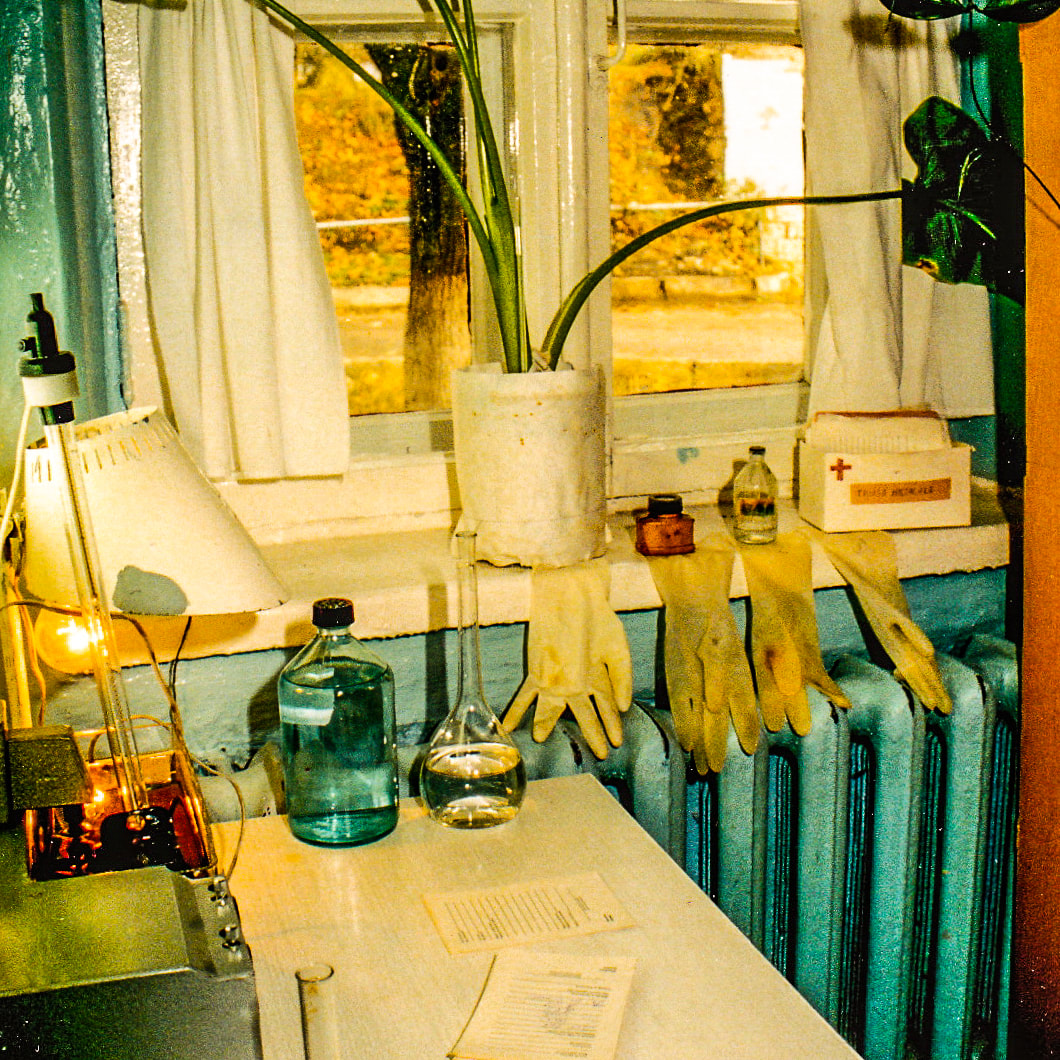
Back in the 1990s, when Rich and I were doing volunteer work in the former Soviet republic of Georgia, I was shocked to discover doctors washing out surgical gloves to use over and over again.
I’m even more shocked to find myself doing the same thing now.
Desperate situations require ingenious solutions. At I write this, people all over the world are devising their own unique protection measures, using simple household items, a spirit of resourcefulness, and often, more flair than common sense.
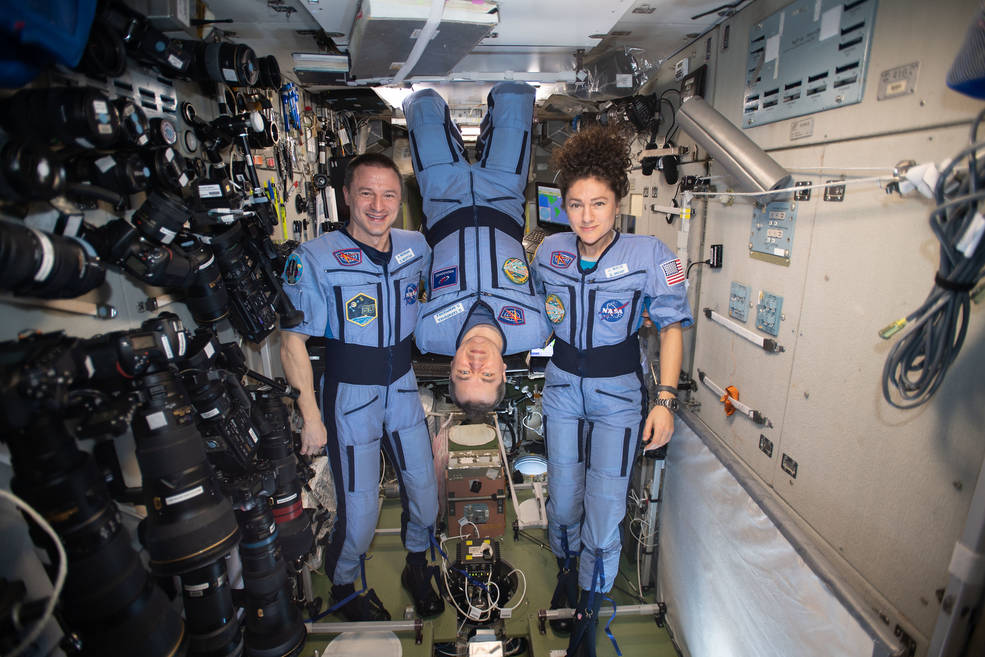
These makeshift masks offer yet more proof, as if any were needed, that we humans are the Earth’s most adaptable species. Five million years ago we were clustered on the savannas of Africa and today we inhabit every climate and terrain on Earth, with six of us living in outer space. Three of those astronauts —Andrew Morgan, Jessica Meir, and Oleg Skripochka —
return to Earth tomorrow
after 90 days on the International Space Station. I wonder if anyone has told them what’s been going on down here. Do they know they’re going to be stepping out of their spacecraft to discover a shockingly different planet than the one they left? No doubt the debriefing will start with, “The good news is that after 90 days you get to leave the space station’s cramped quarters and social isolation …”
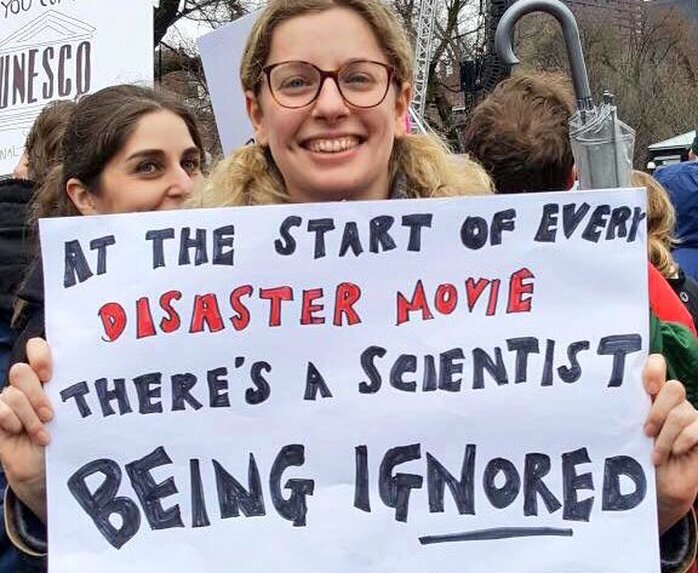
One positive effect of the pandemic is that it’s reminding us just how much we owe to science. Remember polio? Smallpox? When was the last time you heard of anybody getting rubella or whooping cough, let alone bubonic plague? Like the astronauts, we rely on scientists to keep us as safe as possible in this hazardous universe. We follow their guidelines for avoiding contagion and reassure one another that it’s just a matter of time before researchers develop a vaccine for COVID-19.
Unfortunately, in recent decades
dark money has been funding a campaign
to undermine our confidence in science and encourage us to ignore concrete data about problems even more worrying than this pandemic, starting with climate change. Right now the world is applauding our heroic researchers, doctors, nurses, and technicians. I’m hoping we continue to give them the same respect and support in the future when the pandemic is finally under control and we’re dealing with the next global catastrophe.
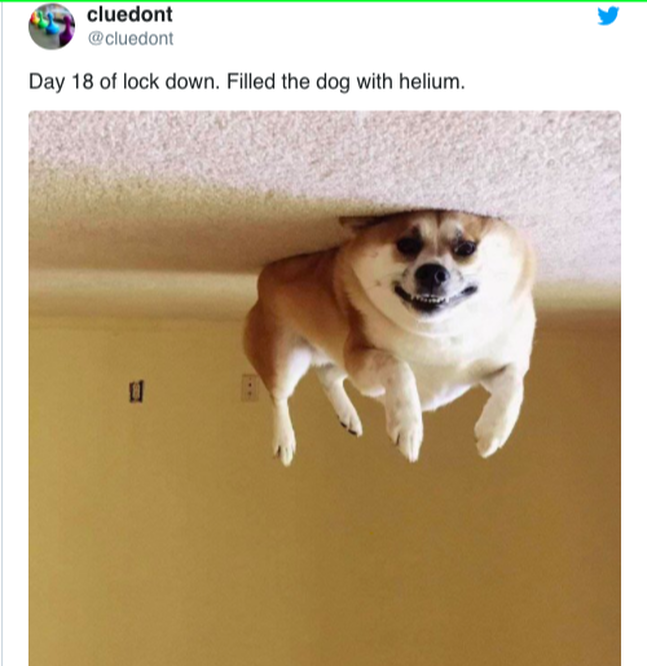
Science and technology have transformed our lives, especially in the last century. Where would we be without cell phones, antibiotics, or airplanes, to name but a few? And then there’s the really important stuff, like movie wizardry, online games, and social media. Without connectivity, we might never know about extraordinary feats of engineering like this.
Brilliant! As for the following photo, I’m not sure the person who took it was an actual scientist, but the shot would have been impossible if French astronomer Pierre-Jules-César Janssen hadn’t discovered helium back in 1868.
One of the technological advances we’ve all come to know recently is Zoom, the nine-year-old video conferencing service which has skyrocketed in popularity; since March 2 installations of the app have jumped 728% and stock is now valued at $1 billion. Not only do we all now speak of “Zooming” with our family and friends, some of us (and you know who you are) are “Zumping” — that is, dumping their lovers via Zoom. More sinister uses include “Zoombombing” — that is, crashing a Zoom call to cause disruption or chaos, often to spread messages of racism and xenophobia in educational, religious, or business settings. Zoom has overhauled encryption to tighten security with passwords and admission protocols. Still, I suspect some of those who have Zumped in haste may now be claiming it was all a big Zoombombing mistake in hopes of smoothing things over. If anybody uses that excuse with you, they have a lot of ‘splaining to do.
If you’re innocently Zooming (or using other video conferencing systems) with friends and family, you may want to take the focus off the pandemic with themed, costumed
Festiv(ir)us
gatherings or online talent shows known as Coronapaloozas. Or if you’ve been baking lately, you might try creating a cake that looks like something else (
here’s a starter how-to video
) then astound your fellow Zoomers by casually cutting into it during a session.
Humans are a very clever species. We never cease developing new skills and inner resources in response to evolving circumstances. Our ancestors survived for millions of years, outliving all sorts of other bright primates, largely because of an astonishing ability to adapt to change. As
Dr. Rick Potts
, who runs the Human Origins Program at the Museum of Natural History in Washington, DC., explains, “Going from upright walking, the first tools, changes in our body, the invention of fire, the increase in brain size and then the invention of specialized tools and ultimately the ability to take a story of something you saw outside and bring it inside a cave and paint it — all of these things represent a ratcheting up of adaptability in our lineage.”
That’s why I’m confident that we can adapt to life in lockdown, even as it keeps getting extended. Astronauts, explorers like Earnest Shackleton,
aviator Amelia Earhart,
navigators such as Columbus and Magellan, and countless others learned that cramped quarters and social isolation can be endured for a long time in a good cause. And there’s no better cause than saving human lives. Just ask any of these heroes.
Stay strong, stay considerate, and above all, stay home, my friends! And let me know how you are holding on to your sanity, entertaining yourself, and adapting to the new lifestyle of our global village.
Be sure to stay updated by signing up for announcements of new posts on this blog.
YES! SIGN ME UP
Leave a Reply