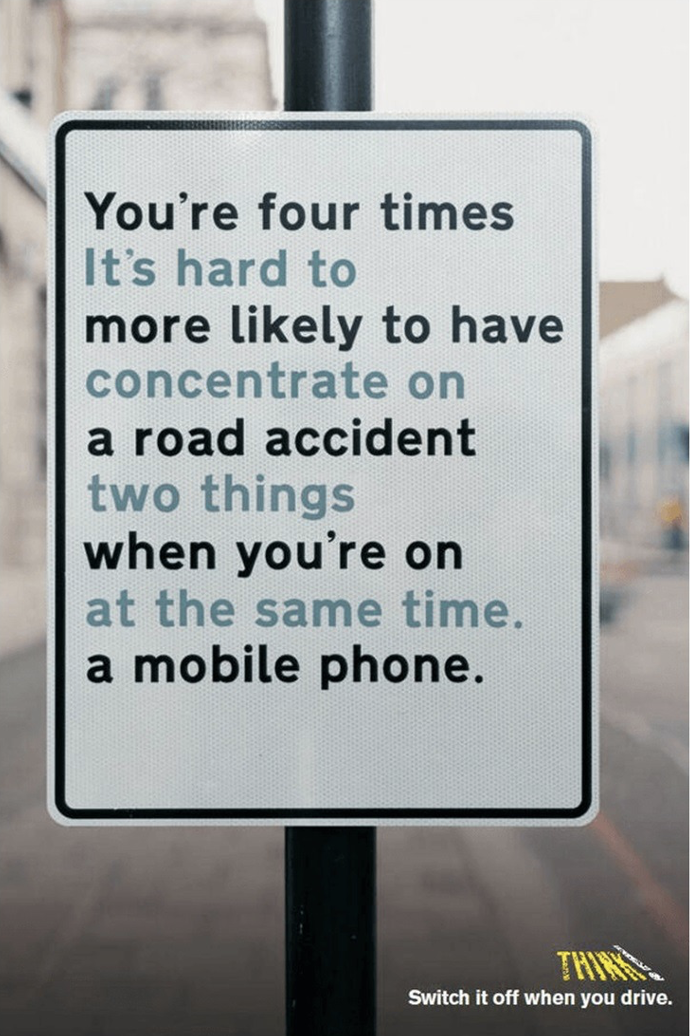


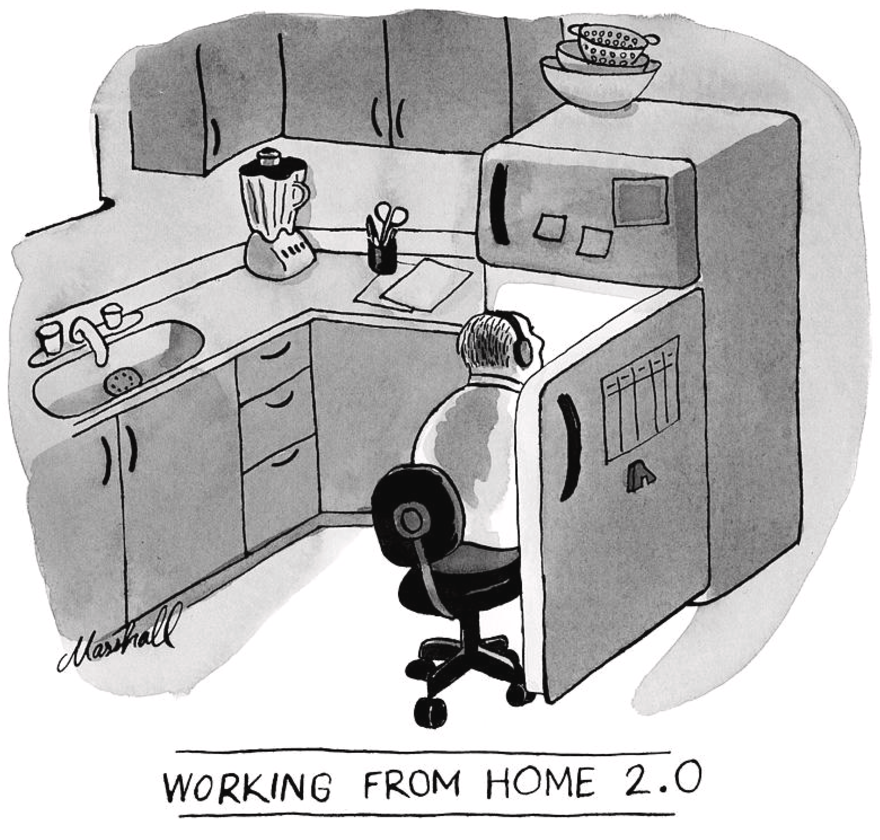


Commuting to an office five days a week; I still shudder when I remember how many hours of my youth were spent crammed into subway trains and buses, navigating crowded transit hubs, and hurtling along freeways, pedal to the metal in the 8:40 Grand Prix, trying to comb my hair and put on lipstick using the rear-view mirror.
Looking back, I’m amazed that I — and the drivers around me — survived long enough to reach the office every morning.
Like most Americans, I usually spent nearly an hour a day in transit. That’s 232 hours a year — the equivalent of nearly six 40-hour work weeks. Do I miss it? Are you kidding?
I’ve worked from home for decades now, and I still feel the thrill of playing hooky. Cooking breakfast, I listen gleefully to traffic reports so I can revel in the fact that snarled off-ramps and blocked bridges won’t slow down my morning commute from kitchen table to home office.
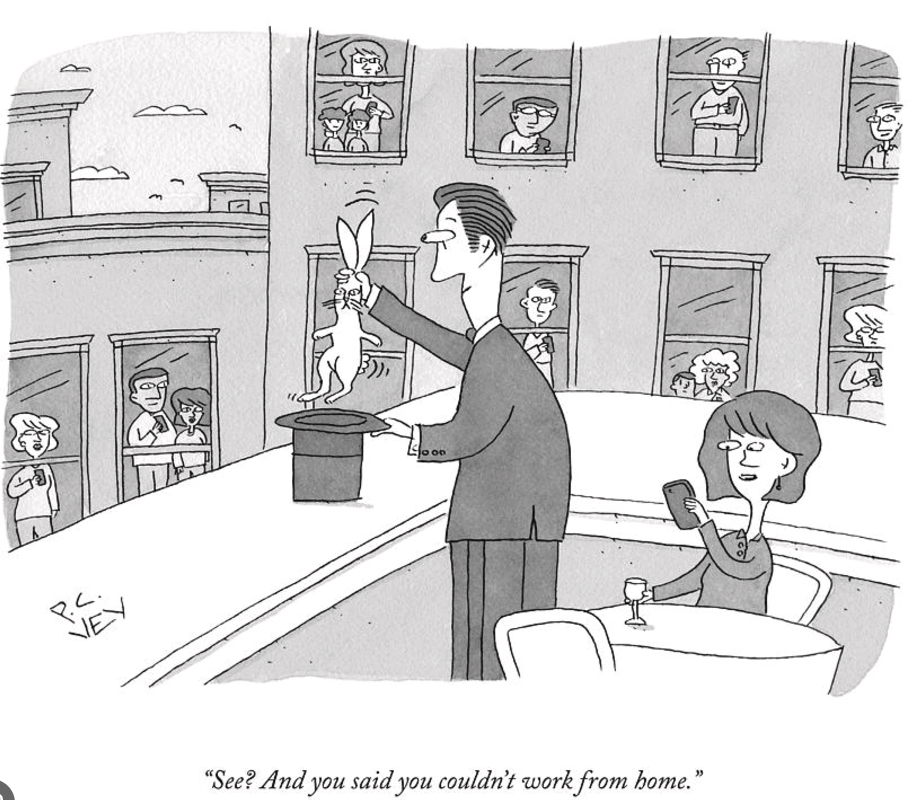
Thanks to the pandemic (a phrase you don’t often hear from me!) millions discovered the convenience of working at home, and today around
32.6 million Americans (22% of the workforce) are still doing their jobs remotely
at least part of the time.
Not all of them are working from the USA.
According to Reddit,
“There are 17.3 million American digital nomads
or people that travel freely while working remotely.” My math isn’t great, but doesn’t that add up to around 11% of the US workforce? No wonder I’ve had so many enquiries about this lately — like the visitor who recently asked, “How do people manage their jobs remotely? Think I could do it?”
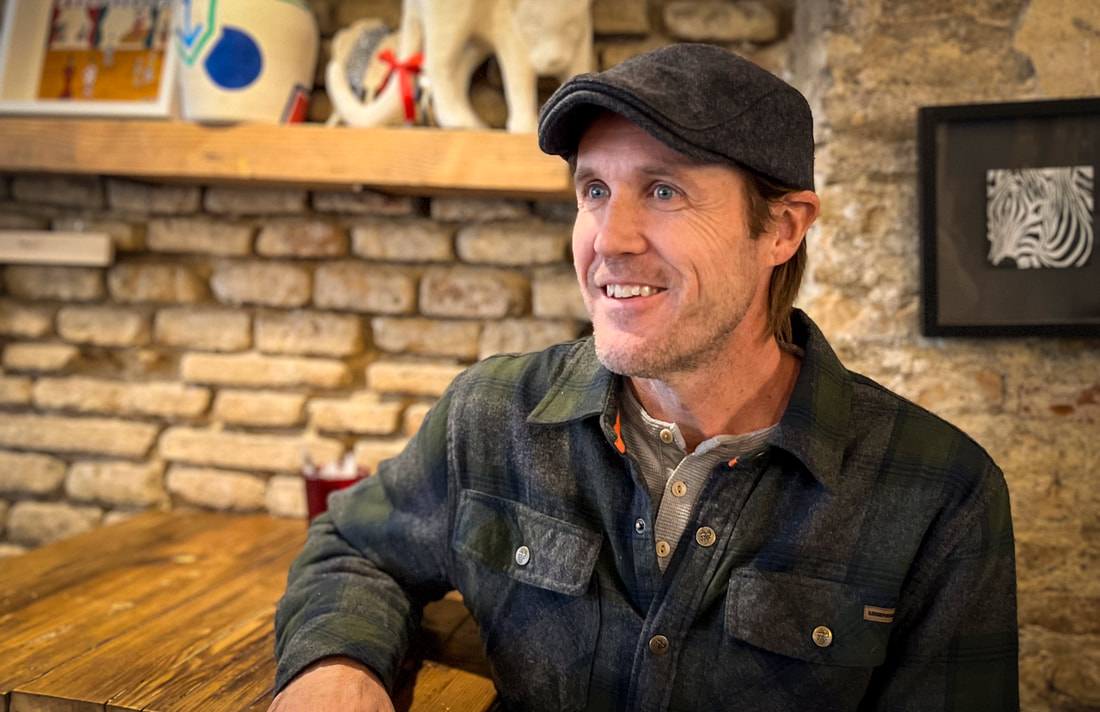
To answer him properly, I sat down this week with Lee Kramm, an American
amigo
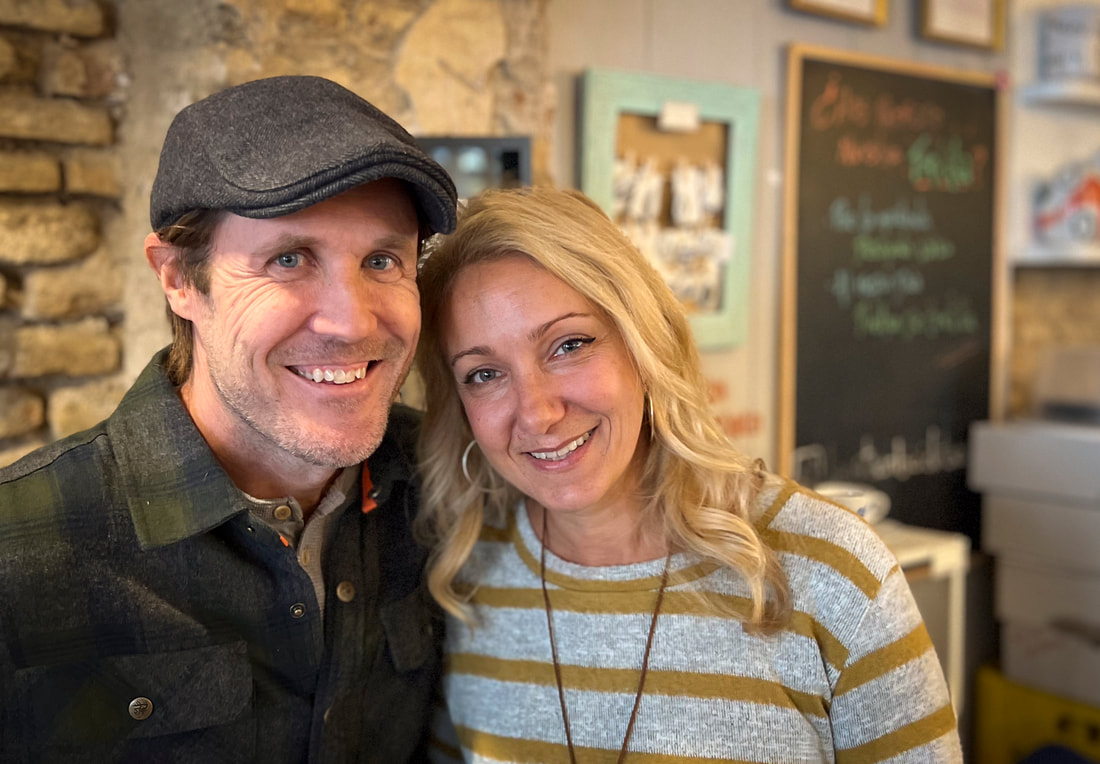
who has spent the last eleven years working remotely in Seville and, more recently, in the Algarve region of Portugal. I asked him to share his family’s story.
“I’m trained in engineering and medicine,” Lee explained, “I worked in the FDA for five years, serving as a medical officer for the regulation of ophthalmic medical devices and drugs.” His job was to determine what scientific evidence needed to be gathered to ensure that a clinical trial provided definitive proof. He liked the work, but neither he nor his wife, Emily, felt at home in Washington, DC.
“You go on long walks through the neighborhood and you talk about moving. It’s more like a fantasy at that point,” he recalled. “We were fed up with living in DC. Emily had lived in Barcelona, studying. She told me if we could ever find a way to move to Spain with the children to learn the language, it’d be a great opportunity. But how to make it happen? What are the logistics of it all?”
First, Lee left his government job and spent a year in the US setting up a private consulting practice. Instead of evaluating clinical trials presented to the FDA, he now advises companies how to design clinical trials for new products they want approved. He joined a consulting group with an international reputation and soon had plenty of clients.
“Then Sandy Hook happened,” he said. As you probably remember, that was the deadliest elementary school shooting in American history; 26 people were killed including 20 first graders — little kids about the same age as Lee’s two children.
That’s when Lee and Emily, then in their mid-thirties, got more serious about living in Europe. The following summer they moved to Seville and enrolled their kids, aged seven and eight, in a local public elementary school. “A lot of expat families we know send their kids to bilingual schools as a soft landing,” said Emily. “And we just threw our kids in, as hard as you can do it. But they learned Spanish down in their souls, and they’ll always have it.”
Family life is very different in Spain. “One of the things people enjoy here,” Lee said, “is not to have a whole life that’s centered around driving among different activities, like sports. That change is like a breath of fresh air. And kids don’t have to think about things like wearing clear backpacks for weapons checks or training to hide under their desks [from a shooter]. You transition to a more sane way of living.”
I asked Lee about his work-life balance. “I’m disciplined about getting my work done. What I’m not disciplined about is taking personal time. My clients are all over the world, in different time zones. So my work bleeds into Sundays, into night, into early mornings. I enjoy what I do, but I need to segregate my work life better. But that’s one of the beauties of working for yourself, right? It’s all within my control.”
As for Emily, she started a nonprofit called
Diálogos para Construir
(Constructive Dialogues or “DPC”). “I founded it with some Spanish aid workers, heroes with capes. We provide legal aid, housing, educational, and basic needs support for refugees and migrants who are already here.” She mostly works with African and Middle Eastern youths who reach 18 and are no longer eligible for state services.
To help fund the nonprofit, she and some friends launched
Uprooted Theater
, Seville’s first English language live theater. It’s been a huge hit in the community and a personal delight for me.
This nonprofit and the people they support will benefit enormously from last month’s
Spanish legislation reforms that will provide them with work visas
and encourage them to assimilate into society.
“Spain needs young workers,” Lee explained. “And these young men want to work. Spain said, ‘We’re going to look at this as a practical matter. We are going to fulfill the labor needs of Spain and the production demands from Northern Europe; we cannot segregate refugees and migrants away from the work.’ This is big news. And it’s good news.”
As a future expat, how might you find work? Lee has used
Upwork
to hire freelancers for various tasks and projects; some consultants say it is useful for finding jobs online.
Other sites
Lee hasn’t tried offer similar services.
What about navigating the transition? Lee recommends Jackie “the Fixer” Baxa’s
Family Move Abroad
. Got teens approaching college age? More and more Americans are opting to get quality, affordable degrees in the UK and the EU; the consulting group
Beyond the States
can help you research options.
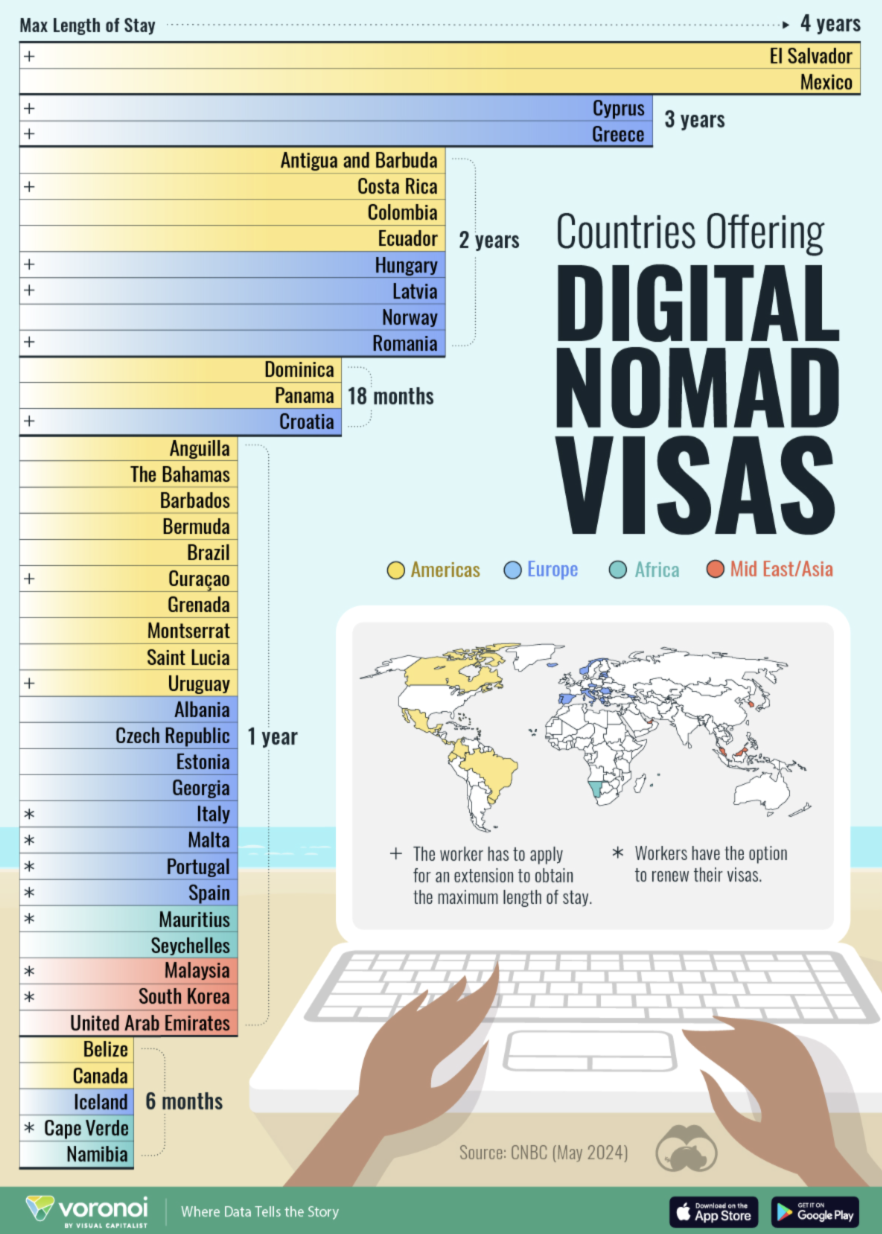
Spain began offering
Digital Nomad Visas
in 2023 — just one of the reason it’s often ranked among the
top countries for remote workers
. Beyond that, Lee pointed out, “You pay less for housing, health insurance, basic needs, and you don’t need two cars…”
In fact, you may not need a car at all. Rich and I have lived in Seville for nearly 20 years without a vehicle, walking everywhere, enjoying the city’s exuberant nuttiness every single day.
Where I come from, you don’t find entertainment like that on a city bus or crowded freeway!
SPAM ALERT!
Lately I’ve been flooded with spam comments, sometimes 200 or more per blog post. Each has to be removed individually. I’m experimenting with ways to block them, which may result in some delays in posting legitimate comments.
Don’t worry — your words will appear! In the unlikely event they don’t, write me at
[email protected]
.
THE
AMIGOS
PROJECT
This post is part of my ongoing exploration of how living and traveling abroad can enrich our lives and help us find fellowship, avoiding the isolation that’s become a global epidemic.
See all my Amigos Project posts here.
DON’T MISS OUT!
If you haven’t already, take a moment to subscribe so I can let you know when I publish my weekly posts.
Just send me an email and I’ll take it from there.
[email protected]
SUBSCRIBED BUT NOT GETTING POSTS?
Check your spam folder
.
Internet security is in a frenzy these days. If you still can’t find it, please let me know.
WANT MORE?
My best selling travel memoirs & guide books
Best of Cheap & Cheerful San Francisco
Cozy Places to Eat in Seville
GOING SOMEWHERE?
Enter any destination or topic, such as packing light or road food, in
the search box
below
. If I’ve written about it, you’ll find it.
Leave a Reply