


“Debauchery!” said my sister-in-law Deb in our last Zoom call. “I just read that things won’t get back to normal until 2024 and then we’ll have a wild period of debauchery!”
These days everybody’s got a theory about how things will look “when all this is over.” Some financial types say this decade will mark the end of the world economy — “driving the last nail into the coffin of the globalists,” as one put it. Psychologists fear many of us will never hug, shake hands, or even leave our homes again. Inspired by predictions that
das volk
will continue avoiding bars, a German publication announced “the end of the night.” Some sociologists suggest young people will no longer engage in casual sex.
Malarkey, applesauce, and horsefeathers, say I. Clearly these prognosticators have forgotten about a little thing I like to call “human nature.” People always have — and always will — strive to make a buck, seek congenial places to raise a glass, and find opportunities to fool around. That’s why the debauchery prediction actually made sense to me. I tracked down the author, who turned out to be
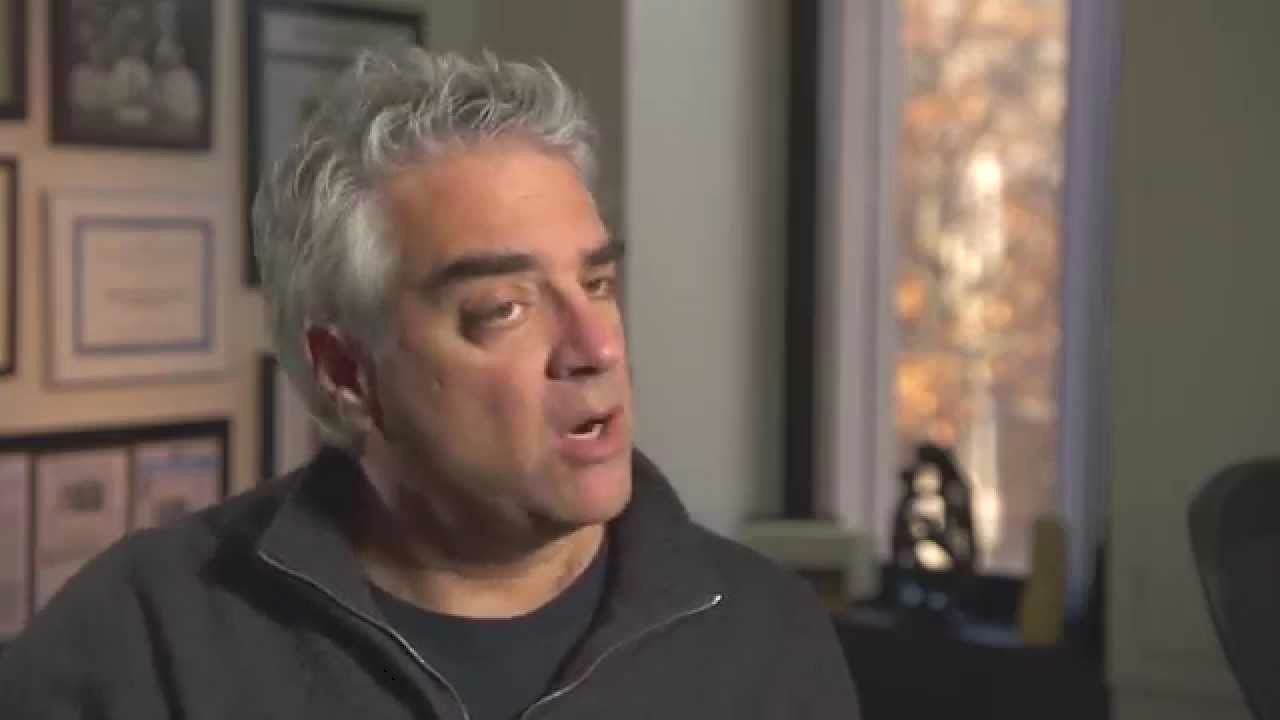
Dr. Nicholas Christakis
, an esteemed Harvard-educated social scientist and physician who is running Yale’s Human Nature Lab. One of his areas of expertise is how our behaviors influence contagion in society. As you can imagine, his thoughts are in hot demand these days.
“Plagues are not new to our species — they’re just new to us,” observes Christakis. “During epidemics you get increases in religiosity, people become more abstentious, they save money, they get risk averse, and we’re seeing all of that now — just as we have for hundreds of years during epidemics.” The biggest difference this time around? “We’re the first generation of humans alive who has ever faced this threat that [can] respond in real-time with efficacious medicines. It’s miraculous.” He suggests vaccination will take all of 2021, and we’ll need the next two years to recover from the socioeconomic devastation left in the pandemic’s wake.
And then? Look out, world! Christakis predicts “another Roaring Twenties” like the one that followed the 1918 flu pandemic.
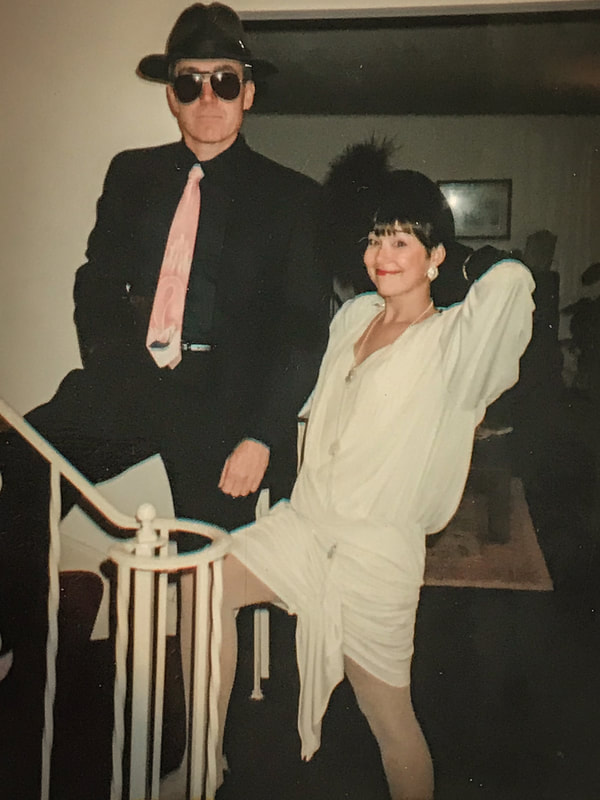
When it comes to eras, the original Roaring Twenties was, as they said back then, the “gnat’s eyebrows.” Having survived the twin traumas of World War I and the flu pandemic, our nation enjoyed a booming economy and was ready to release its pent-up desire to make whoopee. Women, energized by winning the right to vote, were busy breaking taboos: bobbing their hair, smoking cigarettes, wearing dresses that (gasp!) bared the knee, and getting fitted for (I blush to mention it) diaphragms for birth control. African Americans introduced the world to thrilling new music that gave the era its other name: the Jazz Age. Prohibition tried to put a lid on things, so public-spirited members of the underworld quickly set up speakeasies to provide enough giggle water to keep everyone zozzled.
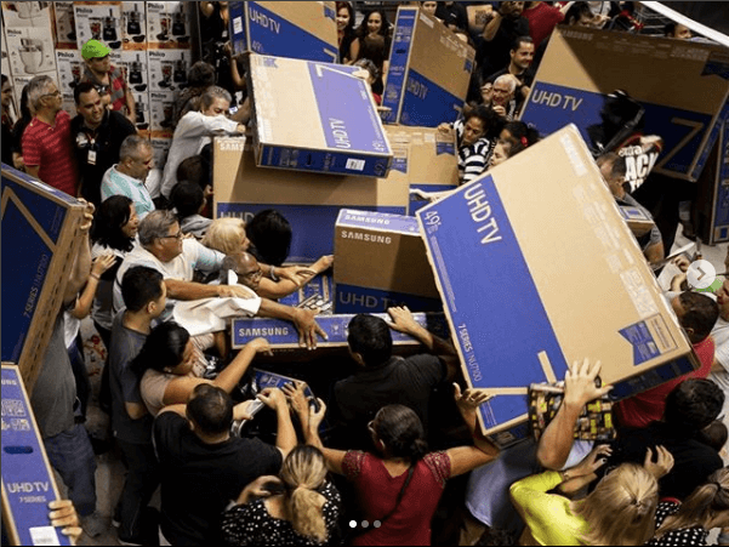
The economy doubled in just nine years, and with so much extra voot jingling in their pockets, people bought radios — creating mass communication, the advertising industry, and modern consumerism. Egged on by radio sponsors, everyone spent as never before on stuff they’d never heard of and often didn’t need. And we’ve never stopped. One of the hottest controversies in the “when all this is over” debate is whether or not we’ll revert to the cycle of compulsive consumption that Madison Avenue has spent a century programming us to believe is not just normal but our patriotic duty and one of life’s great pleasures.
“The mutation of shopping from buying necessary stuff to being a leisure activity —
“retail therapy” — has been one of the most miserable cons of modern life
,” writes
Guardian
columnist Suzanne Moore. “If anything good has come out of this awful time, it is this … a pause in mindless consumption. ‘When the going gets tough, the tough go shopping,’ they used to say. Well, it’s no longer true, if it ever was.”
“
If all this consumption was making us deliriously happy
that would be one thing,” points out Harvard economist Juliet B. Schor. “But in fact what we find is after intense desires to acquire goods, Americans are discarding them at record rates.” How much stuff are we throwing away? Pre-pandemic it was about
300 million tons a year
— 4.5 pounds per person per day. Top discards included food (30.63 million tons), plastic (26.82 million tons) and a little further down the list, textiles including clothing (11.5 million tons). I was aghast to learn that while sheltering in place we’ve been generating
25% more trash.
All this raises a moral dilemma. I’ve spent decades trying to be a responsible steward of the planet and doing my share of reducing, reusing, and recycling. Back in Ohio I organized our town’s curbside recycling program and Earth Day activities, and nowadays I write a weekly column on climate change for a Seville-based publication. But I live in the real world with conflicting priorities and tough choices. While I flinch at the thought of the amount of Amazon packaging flowing in and out of my house, my pandemic survival strategy involves doing as little in-person shopping as possible. I am well aware that 80% of the people who have died of Covid-19 are in my 65+ age group. Rich, who is 76, has a mortality risk factor 220 times higher than that of young people. I am doing everything I can to keep us both safe.
On that front, I have some exciting news: Rich received his first dose of the vaccine. Last Friday he went to the Marin County Fairgrounds, and after a lengthy, chilly wait to get into the main hall, he breezed through the vaccination in twenty minutes. The shot was so painless the nurse had to tell him it was over and he should 23 skidoo. When will I be inoculated? Theoretically soon, but shortages mean they’re delaying my age group a bit longer. Fingers crossed they have enough around for Rich’s second shot in a few weeks. The uncertainty is frustrating, but we feel lucky compared to our European friends, who don’t expect to be vaccinated until September, or possibly December.
Christakis may be right that the pandemic and its aftermath won’t subside until 2024. Or it could be pure banana oil. Who knows? As humorist James Thurber wrote, “The past is an old armchair in the attic, the present an ominous ticking sound, and the future is anybody’s guess.” But here’s hoping that by 2024 the world is safe enough for us all to indulge in a bit of fun — if not outright debauchery, then a little lighthearted, distance-free socializing, when it’s finally safe to don our glad rags, fire up the flivver, and round up congenial pals for a night of putting on the Ritz.
This post is part of my ongoing series of articles on surviving the pandemic, if possible with some of our sanity and sense of humor intact. Each week I provide tips, strategies, and reasons for hope.
Sign up HERE to get free stories in your inbox each week.
Feel free to share this post link
with family and friends.
https://www.enjoylivingabroad.com/my-blog/is-roaring-20s-style-debauchery-just-around-the-corner
YOU MIGHT ALSO ENJOY
VISIONARIES? LUNATICS? YOU DECIDE
AMERICAN TABOOS
AN OPTIMIST’S GUIDE TO SURVIVING CLIMATE CHANGE
Leave a Reply