

“If you’re going through hell, keep going.”
Winston Churchill
I’m not much of a spelunker, but some years ago, I found myself deep underground on a private “wild tour” of West Virginia’s Organ Cave,.
“How long does the tour take?” I’d asked at the outset.
“Five hours.”
“Sorry, we only have three; we need to get back for a business dinner.”
“OK, we’ll do it in three,” said the guide, bounding like a mountain goat down the rocks.
Scrambling after him through the winding caverns, our only light the headlamps on our miner’s hats, Rich and I eventually reached a vast cavern with a row of stalactites that could, if you squinted just right, be said to look like a pipe organ. We had about thirty seconds to gawp at its magnificence and then we were racing back.
I was doing all this in old, slippery sneakers and was frankly feeling pretty proud of how well I was managing until halfway back, when I ran into trouble.
I’d dropped a little behind while navigating slender footholds on either side of a narrow crevasse. The gap kept getting wider and the space for my feet narrower until I ran out of footholds. I flashed my headlamp wildly around, seeking any way forward; nope, I was well and truly stuck. I called out and the guide sprinted back to help. “Look again,” he said and shone his headlamp over the rim of the crevasse. There, below the edge, were abundant outcroppings of rock and packed earth, offering easy footing all along the way.
I’ve thought of that moment a thousand times in the years since, most often when I’m trying not to panic over something — like this week’s
Washington Post
piece “
The coronavirus pandemic isn’t ending, it’s surging
.” While some countries, such as New Zealand and Taiwan, have eradicated the virus, the US is still in deep trouble, with death tolls predicted to reach 200,000 by October. The optimism, or economic desperation, that fueled the reopening is giving way to gloom. “As the long, hot summer of 2020 begins,” said an article in
The
Atlantic
, “the facts suggest that
the U.S. is not going to beat the coronavirus
. Collectively, we slowly seem to be giving up.”
I can’t speak for all of America, but around here the attitude isn’t so much despair as discombobulation. Official information is skimpy, advice conflicting, directives vague. “The administration’s guidelines for ‘opening up America again’ are so bereft of operational specifics that they’re like
a cake recipe that simply reads, “Make cake,”
wrote Ed Yong in
The Atlantic
. We’re all stumbling in the dark. “As things change the uncertain feelings seem to stay the same,” my friend Kitty wrote in a comment on my post last week. “What should I do or not do?”
Kitty, the only thing I can tell you for sure is that we should all start planning for the long haul. Experts predict
the pandemic could easily hold us in its grip for
two years
. Let’s hope they’re not being as overly optimistic as the Spanish officials who told us in March that lockdown would last two weeks. Whatever the timeframe turns out to be, it behooves us all to take a deep breath, stop talking about “when all this is over,” and start figuring out how we’re going to live the best lives we can now, in the shadow of COVID-19.
How? According to positive psychology, there are
five key elements of a happy life
:
Positive emotion, such as happiness, excitement, pride, and satisfaction
Engagement in activities that make us feel alive and keep us off autopilot
Relationships with people who bring us joy
Meaning or a sense of purpose
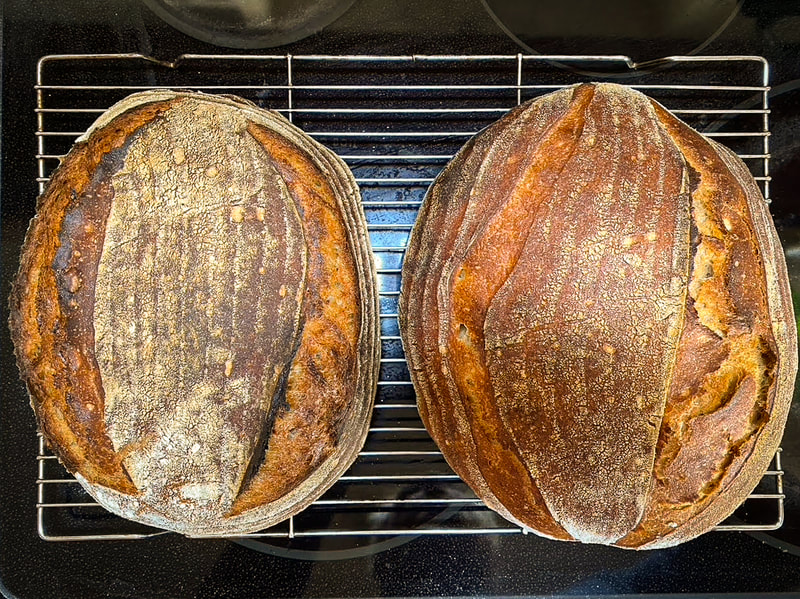
Accomplishments, even simple ones like making bread
“Bread baking has become an empowering and meditative act,” wrote Katharine Gammon in the
Guardian
article “
Kneeding to relax? How coronavirus prompted a surge in stress baking
.”
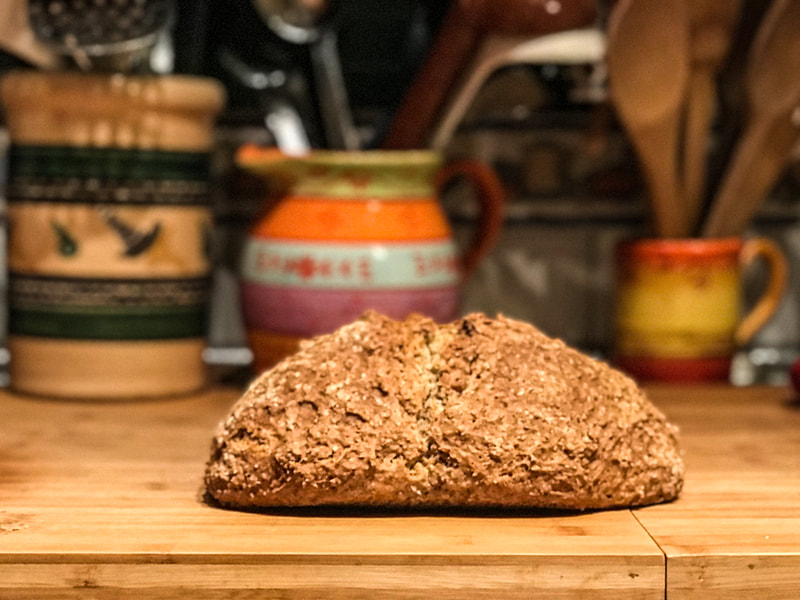
I started baking in earnest a few days after the start of lockdown, when our last loaf was gone and I wanted to dissuade Rich from risking his life venturing out in search of an open
panadería
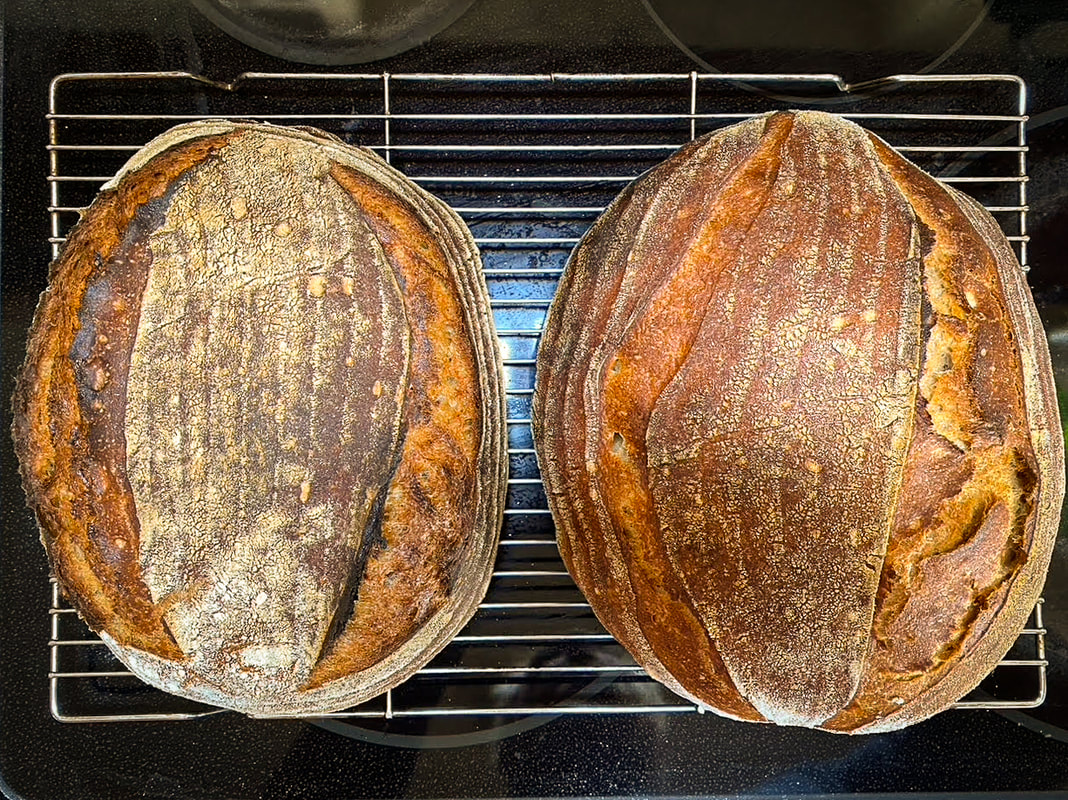
. Being lazy and lacking yeast, I sought out an Irish soda bread recipe, finding one with such good texture and flavor it’s become a mainstay. My friend Phil has spent the pandemic perfecting his sourdough bread; I haven’t had the pleasure of tasting it yet, but it’s already legendary. My brother-in-law Jeff’s olive bread, left as a welcome gift on our return to California, was absolute nirvana.
(Find links to all three bread recipes below.)
On lockdown in Spain, Rich and I spent countless hours researching recipes and now we’re both hooked on experimenting in the kitchen. Last night was one of my best efforts: a
Greek version of meatloaf
. Is that brilliant or what? You stuff ground turkey with spinach and feta (since I was out of that, I used herbed goat cheese) and drizzle it with tzatziki sauce made from Greek yogurt and the fresh herbs we just bought. The only disappointment? A serious lack of leftovers. Another hot favorite this week was
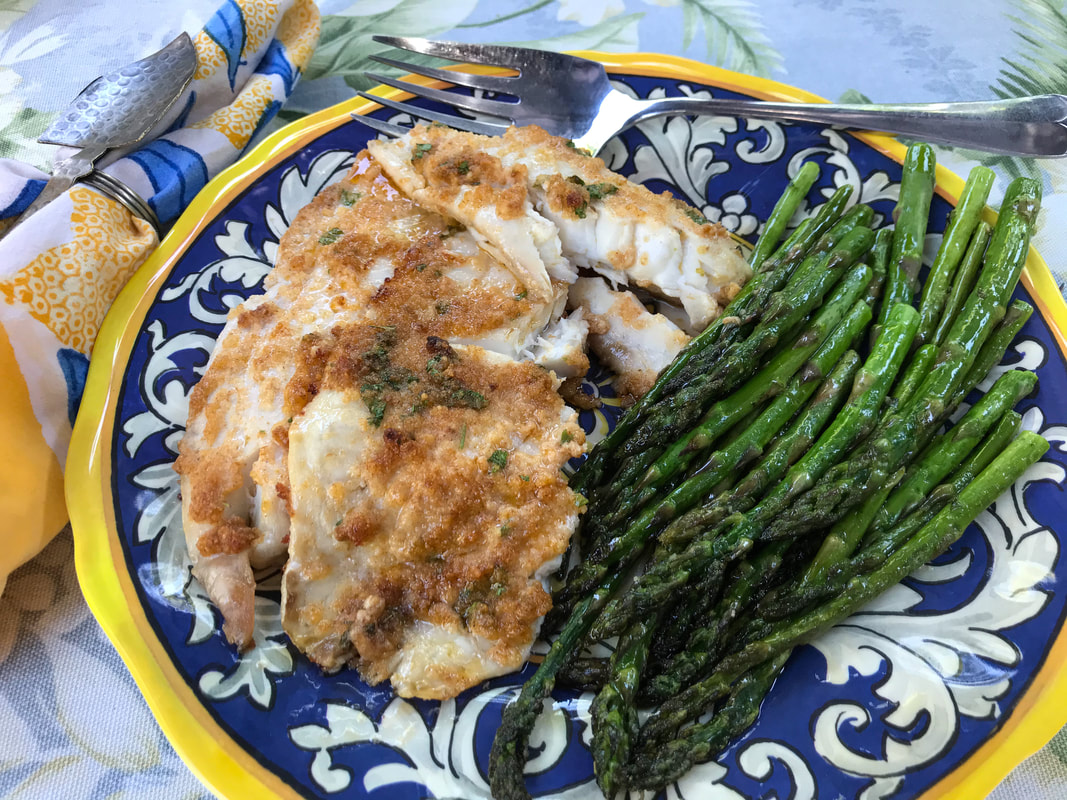
Easy Baked Tilapia
topped with lemon-parmesan breadcrumbs.
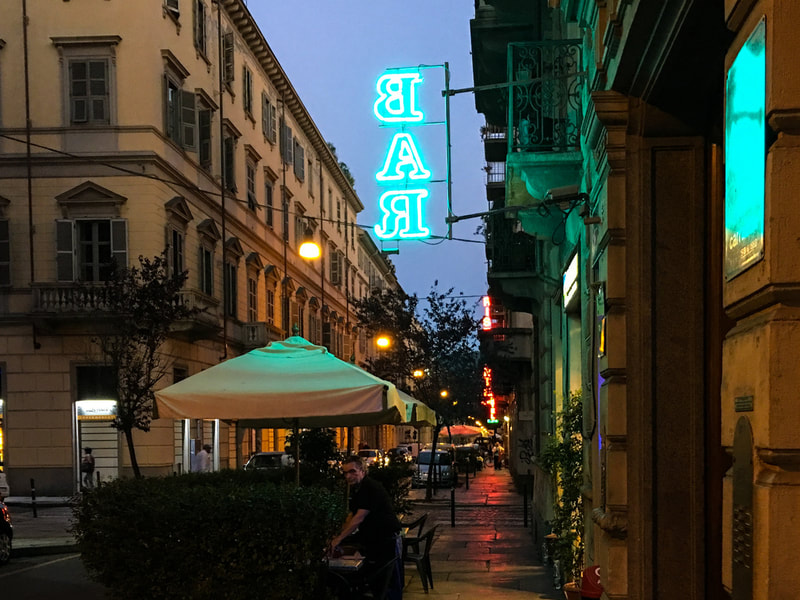
I used to love gathering over meals with friends and family, but now that’s not possible or wise, so we’re connecting online in all-new ways. Last week, Rich invited old Navy buddies to a dive bar Zoom party, where each of us created the atmosphere of a funky tavern, donning various suitably goofy accoutrements such as Dave’s Bud Light Stetson and Jill’s hot pink wig. This week we have the
Marble Olympics
; with bets (benefitting charity) placed with my brother and his wife, the excitement is really mounting.
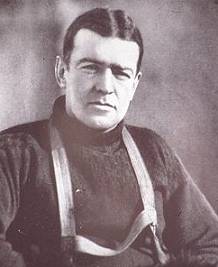
Such entertainments may seem trivial, but they’re what explorer
Earnest Shackleton
used to keep his men alive and sane when their ship was crushed by ice and the crew was trapped on Antarctica for 2 years and 22 days. He organized weekly concerts, soccer and hockey matches, sled dog races, singing competitions, and skits. On one occasion he danced for them; on another, they all shaved their heads for a lark. As one
book on Shackleton’s leadership
put it, “All of these rituals and celebrations gave the crew a comforting sense of normalcy in a situation that was anything but normal.” Sound familiar?
Establishing a sense of normalcy doesn’t mean casting precautions — or face masks — to the wind and acting like the pandemic is over. In fact, we need to be extra alert now. Seventy-five percent of all mountaineering accidents happen on the way down, when the initial resolve and first giddy thrill of survival have passed, and climbers are tired enough to slack off on their vigilance.
People have survived far worse than this pandemic. Every one of Shackleton’s crew made it safely back to England, and chances are you’ll get through this challenge, too. As I learned in Organ Cave, sometimes all it takes is fresh perspective to realize you’re already on solid footing. “Get yourself grounded,” said outdoors writer
Steve Goodier
, “and you can navigate even the stormiest roads in peace.”
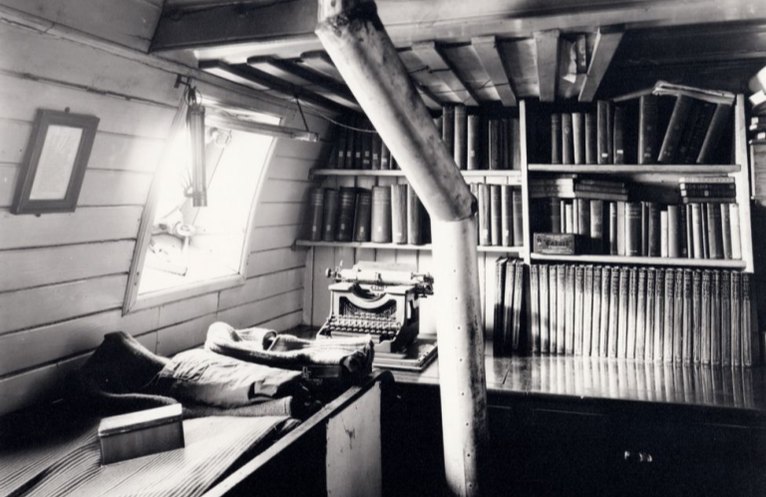
Earnest Shackleton loaned the men books from
his private library on
Endurance
.
A recent restoration made it possible to read the titles for the first time; you can
see the complete list here
. It made me wonder: What books would I have picked? Which ones would you pack?
YOU MIGHT ALSO ENJOY
MY IRISH SODA BREAD RECIPE
PHIL’S SOURDOUGH RECIPE
JEFF’S OLIVE BREAD RECIPE
WHAT IS A DIVE BAR?
SURVIVING WORST-CASE SCENARIOS
QUARANTINE CUISINE RECIPES
Leave a Reply