I like to think of this blog as the place I get to mix entertaining stories with a dash of travel advice, a few uplifting quotes, and a sprinkling of ideas about navigating these challenging times with grace and humor. But ever since I got back to California, I find myself wallowing in harrowing disaster tales.
And here’s another!
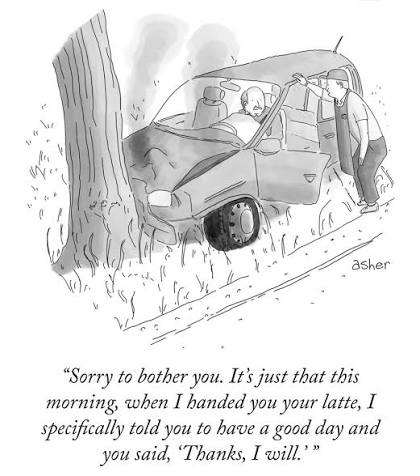
During a casual chat, a neighbor told me he’d stopped driving for a while. Why?
“I began taking pain meds to help me sleep at night,” he said, rubbing his bad shoulder. “One afternoon around four o’clock I was driving home and felt a little sleepy for a brief moment. The next thing I know I’m waking up with my car smashed against a telephone pole. And a homeless man, who had been sleeping on the ground, came crawling out from under the car. Incredibly, neither of us was hurt. But the car is totaled.”
Is that the best or the worst luck ever? You be the judge.
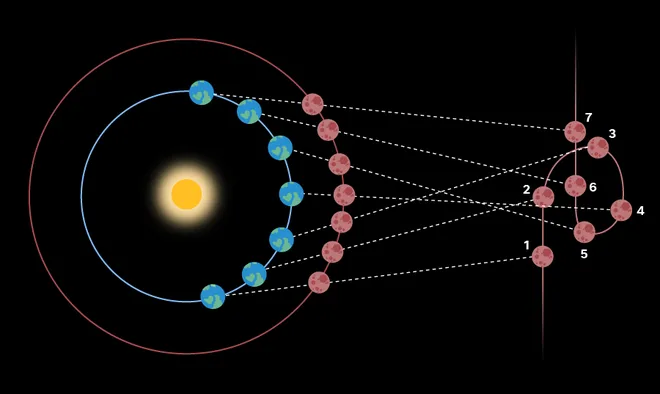
That neighbor isn’t the only one with wonky karma; right now half the people I know seem to be in a medical or life crisis of Biblical proportions. That made me wonder: Could Mercury be in retrograde? Astrologists tell us that when that planet appears to reverse its course in the sky, we’re in for a time of confusion, disruption, risky travel, and chaotic communications.
Brace yourself, friends! According to the Old Farmer’s Almanac, this is just the warm-up. Full retrograde — predicted to throw our entire planet into far worse disarray — is coming June 29 to July 23. Not that I believe in that stuff, of course. But those who do tell us things are about to get lively.
How lively will things get? Let me count the ways.
“I just read that the San Andreas fault is under the greatest stress in 1,000 years,” I remarked over lunch a few days ago. I kept it casual, because here in California we cultivate insouciance about all things related to earthquakes. “We could have a mega quake any day now.”
“Oh yeah?” replied Rich, fresh from his own doomscrolling. “Well, scientists have discovered extinction-level volcano eruptions happen every 600,000 years, and guess where we are in the cycle?”
“Would that be 599,999 years and 11 months?”
“Give or take a few weeks.”
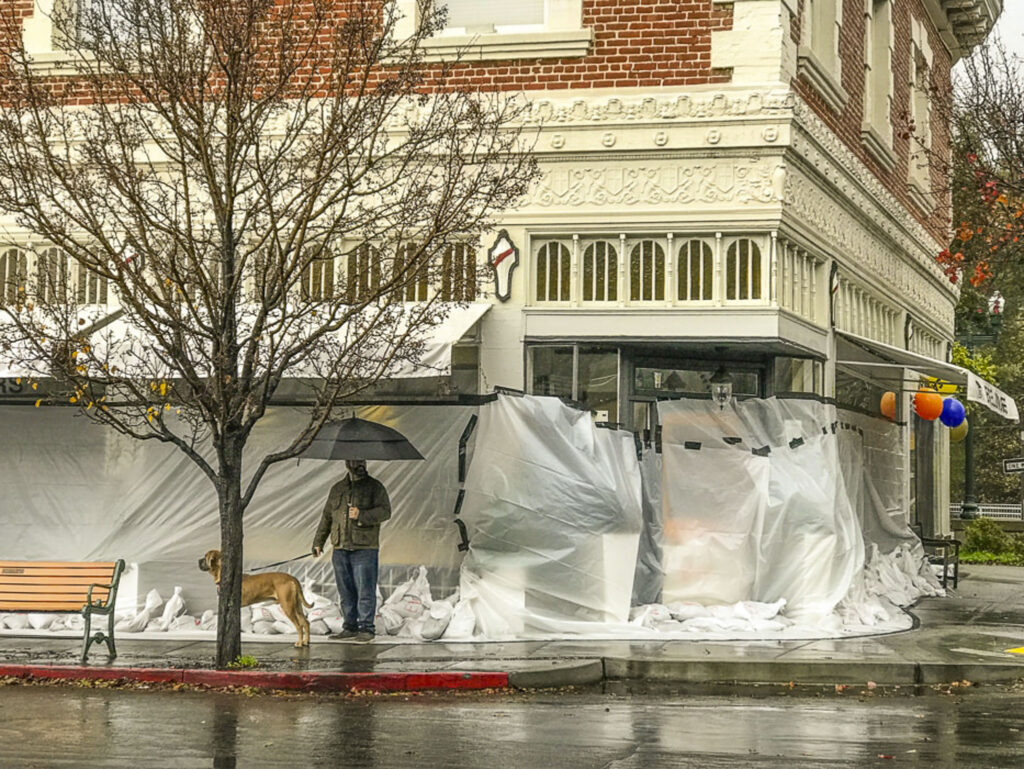
“And when is that Super El Niño supposed to start causing all that extreme weather?” I asked. Living in the floodplain of downtown San Anselmo, I am ready to deploy sandbags at a moment’s notice.
“El Niño won’t be here till November,” he replied soothingly. “Right now I’m more concerned about the wildfire warnings placing us on high alert this weekend.”
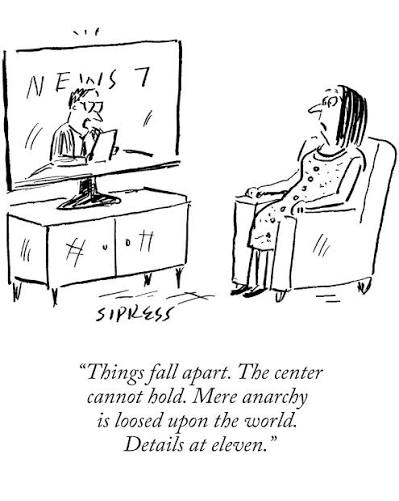
Between our own trembling, fire-breathing planet, the baleful influence of Mercury, and the constant threats to America’s domestic tranquility, this weekend seemed the right time to update my emergency supplies. A few weeks ago, during the water main break and the plumbing ruptures that followed, I’d used up the gallon jugs of water we keep on hand for catastrophes. While I was organizing replacements, I figured I’d better see what else might need updating in our go-bag, first aid kit, and the Apocalypse Chow Food Locker (our outdoor pantry/survival stash).
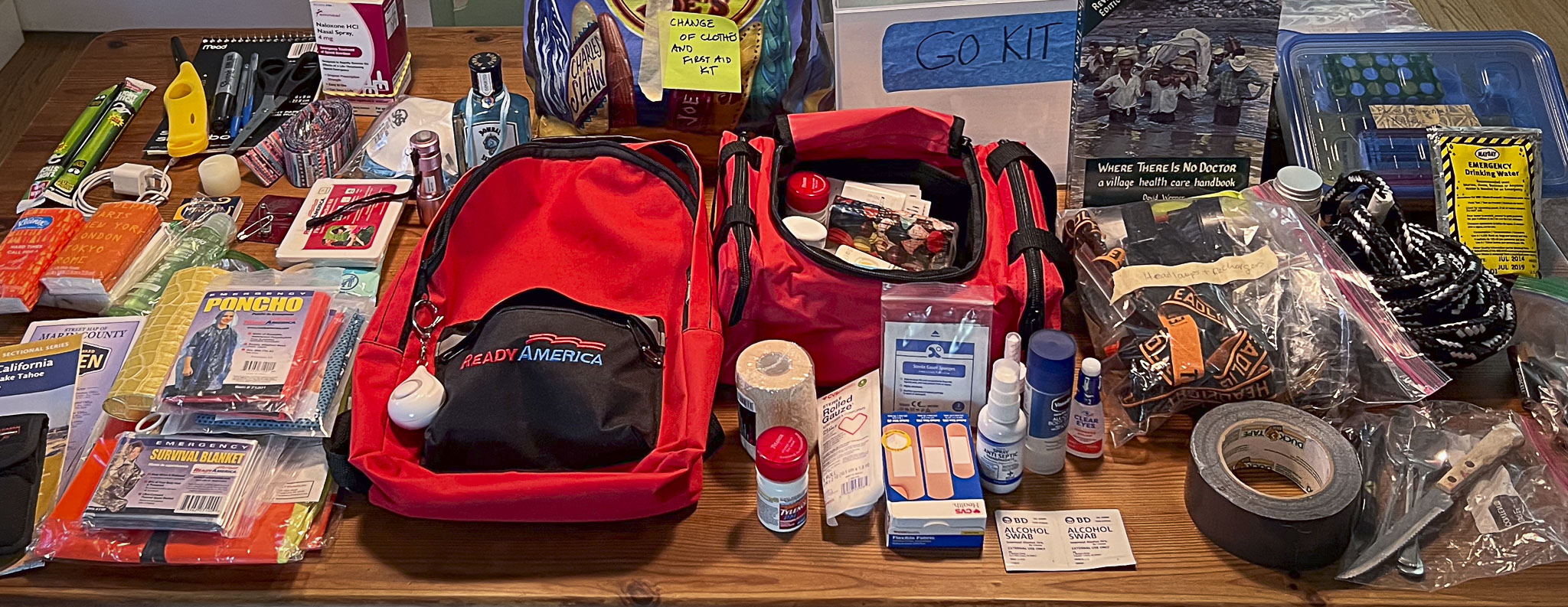
There was a comforting sense of purpose in hauling everything out and making lists of supplies to replenish. I might not be able to stop the chaos loose in the universe, but at least I could make sure our little household had enough chocolate, coffee, and canned tuna on hand to up our chances of survival — and have a bit extra to share with the neighbors if needed.
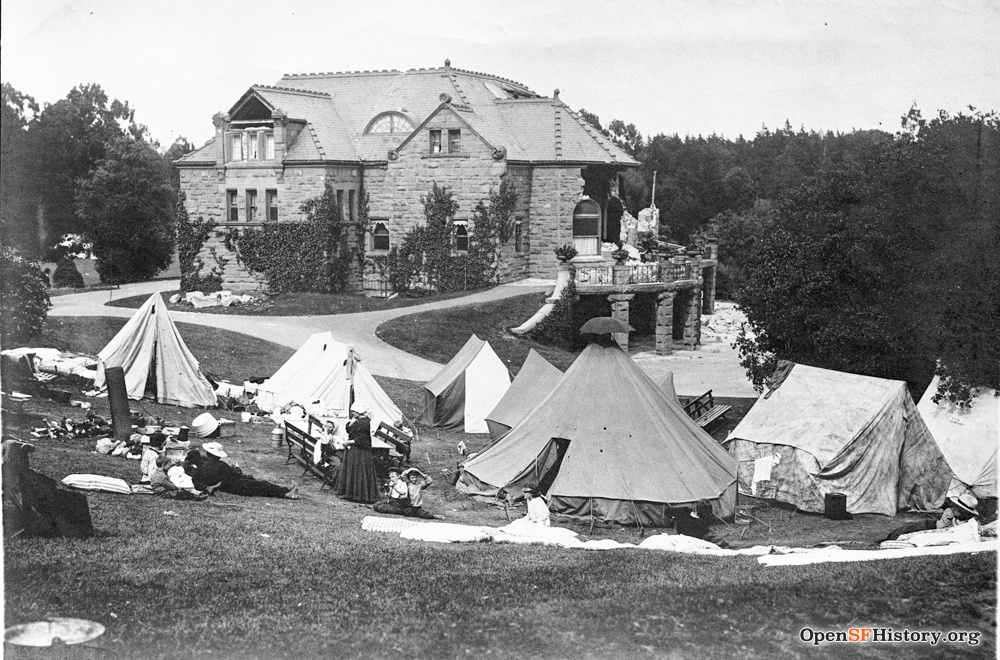
Like most places, San Francisco has a long tradition of neighbors helping one another in emergencies. After the 1906 earthquake and fire left half the city’s residents homeless, my Great-aunt Dody, who ran a hospital, set up a nursing station to care for the injured and ill. Anna Holshouser collected fabric scraps and created a makeshift tent that sheltered 22 people and housed a tiny soup kitchen that soon grew to feed hundreds.
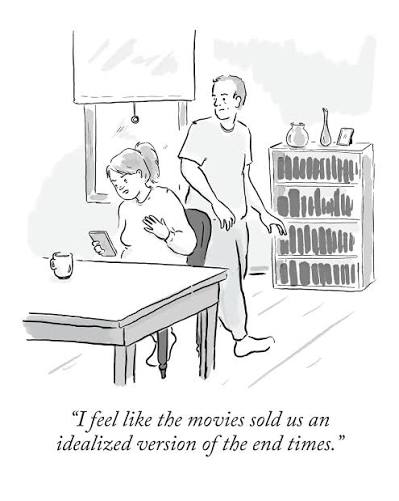
Of course, not everyone displays the rapid resourcefulness of Great-aunt Dody and Anna Holshouser. And luckily, unlike what we see in the movies, most people don’t react to a crisis by rampaging around in a panic, knocking down old ladies and pushing kids aside to jockey for position in the stampede. The majority will freeze and wait for someone else to figure out what should be done — a phenomena known as the Bystander Effect.
According to Google’s AI, “True mass panic is incredibly rare. Studies in disaster psychology show that only about 10-15% of people display maladaptive behaviors (like paralysis or hysteria), while 65-80% become stunned or indecisive, and the rest act rationally.” Wait, what? My math skills are a little rusty, but if 15% are frozen or freaking, and 80% are wavering and wobbling, that only leaves 5% acting rationally. OK, now I feel like panicking!
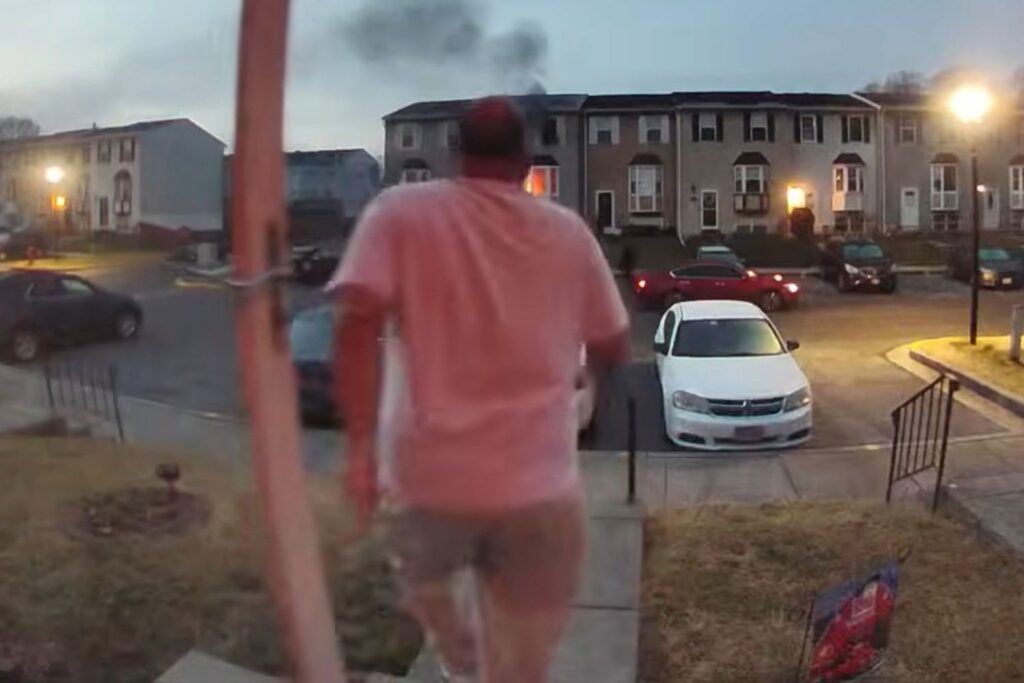
Surprisingly, it turns out 5% may be enough. In fact, sometimes all we need is one person who keeps their wits about them. Like Baltimore’s Steven Angelini, who earlier this year awoke near dawn to popping sounds, looked at his video doorbell camera, and saw smoke and flames across the street. Running outside he heard screams and saw a woman leaning out the window, holding two kids. They had, Angelini said later, “maybe a minute, seconds left to live.”
He yelled at her to drop the children. She did, one after the other, and he caught them and carried them to safety as other neighbors ran up with a ladder to rescue her. Afterwards he told reporters, “I did what anyone else would do for my family.”
Research suggests that far from turning us into bloodthirsty savages, catastrophes often bring out the best in us. As Jake Wood, cofounder of the disaster relief organization Team Rubicon, said, “If we treated each other every day like we do after disasters, we’d live in a truly special place.”
Words to live by. Now that the world seems to be one continuous disaster headline, it asks us to step up in ways that might not be called for in saner times.
For instance, I found out that with the rise in food prices, some of my neighbors living on fixed incomes can’t make their grocery dollars last to the end of the month. So around now is the ideal time to drop off food at a Refrigerator Project site or at a Little Free Food Pantry. And knowing supplies may get even tighter, I’m upping the volume of provisions in my Apocalypse Chow Food Locker. Just in case.
Because if I’ve learned anything this summer, it’s to prepare for the unimaginable. And that includes gathering enough food to go around, should it be needed. As author Michael Bond put it, “A wise bear always keeps a marmalade sandwich in his hat in case of emergency.”

Vacation Time!
I’ve got a lot of family gatherings coming up, both in the California mountains and on the East Coast, so I’m taking the next two weeks off from writing the blog, and after that, I’ll post when I can. While I’m off duty, my tech wizard Amrit wants to fiddle with something on this website, so it may go offline for a few days. Not to worry, all this is only temporary! The site and I will be back before you know it.


Leave a Reply