
Having read the headlines, I half-expected to step off the ferry to find San Francisco a smoking ruin full of rampaging brigands and street urchins barbecuing rats over flaming trash barrels. Instead, on the first of this year’s Out to Lunch expeditions in San Francisco, the most shocking thing I saw were the prices. I mean, $30 for a hamburger? Really?
But as alarming as gourmet prices have gotten, they’re not what pundits mean when they rant about San Francisco’s
“doom loop,”
a cascade of catastrophes said to be dragging the city into the lower depths of hell. To hear them tell, around here it’s nonstop crime, drugs, homelessness, and did I mention crime?
A little quick fact checking turned up astounding data: SF’s crime rates are actually down —
the lowest in ten years
(yes, you read that right:
the lowest in ten years
). Violent crime is down 24% and property crime is down 40% compared to pre-pandemic levels. However, tenderhearted readers needn’t be concerned about the economic hardships this might impose on our professional criminals; there’s still plenty of illicit activity around, particularly in the pilfering-from-parked-cars sector.
“Seriously,” the
SF Chronicle
warned visiting conventioneers, “DO NOT LEAVE ANYTHING IN YOUR RENTAL CAR! It
will
get ripped off. And we mean nothing. Not a sweater. Not a pack of gum.” Yikes!
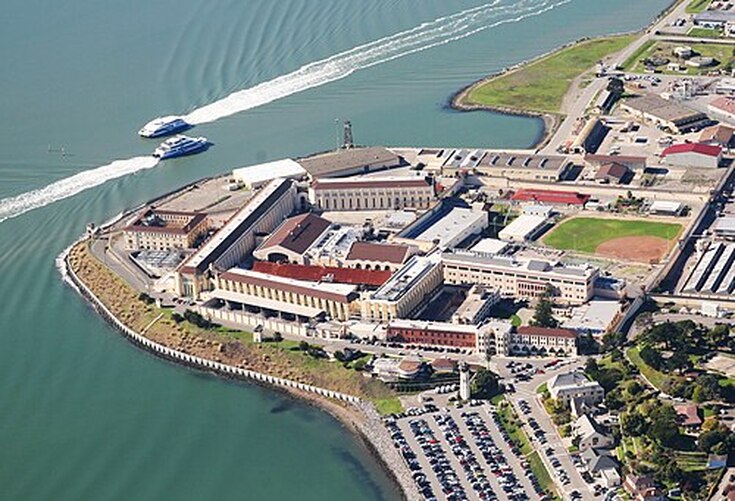
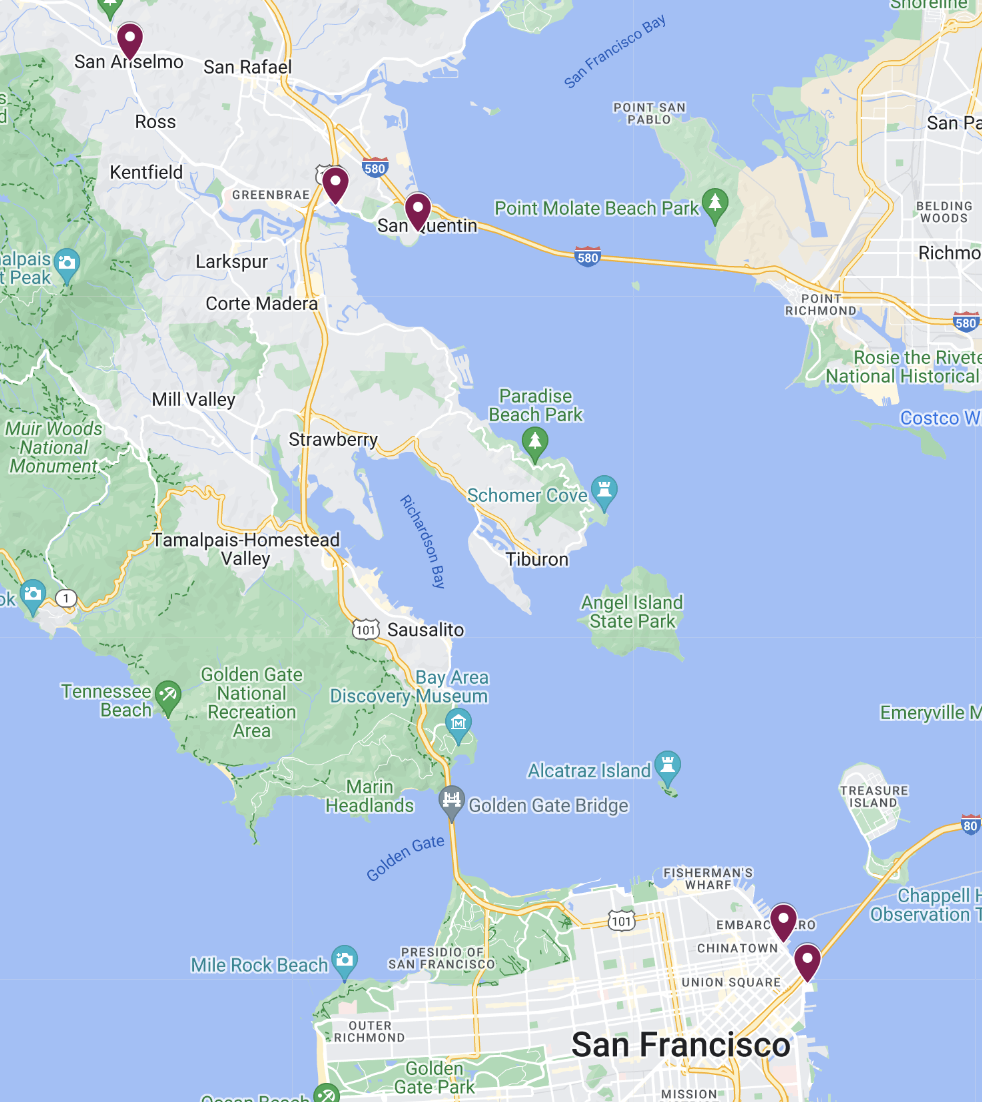
Rich and I left our VW safely at home and traveled to SF by ferry. The voyage was a half-hour’s majestic glide across the sunlit water past green hills, expensive homes, and — for a little piquant contrast — San Quentin, California’s oldest prison.
San Quentin is famous for housing America’s largest death row and creepiest bad guys, such as cult leader and mass murderer Charles Manson. Johnny Cash played his first prison concert there, inspiring a young inmate named Merle Haggard to switch careers from crime to music. Cash, who never served time but knew about bad choices, had sympathy for inmates and hated prisons. “San Quentin,” he said, “may you rot and burn in hell. May your walls fall and may I live to tell.”
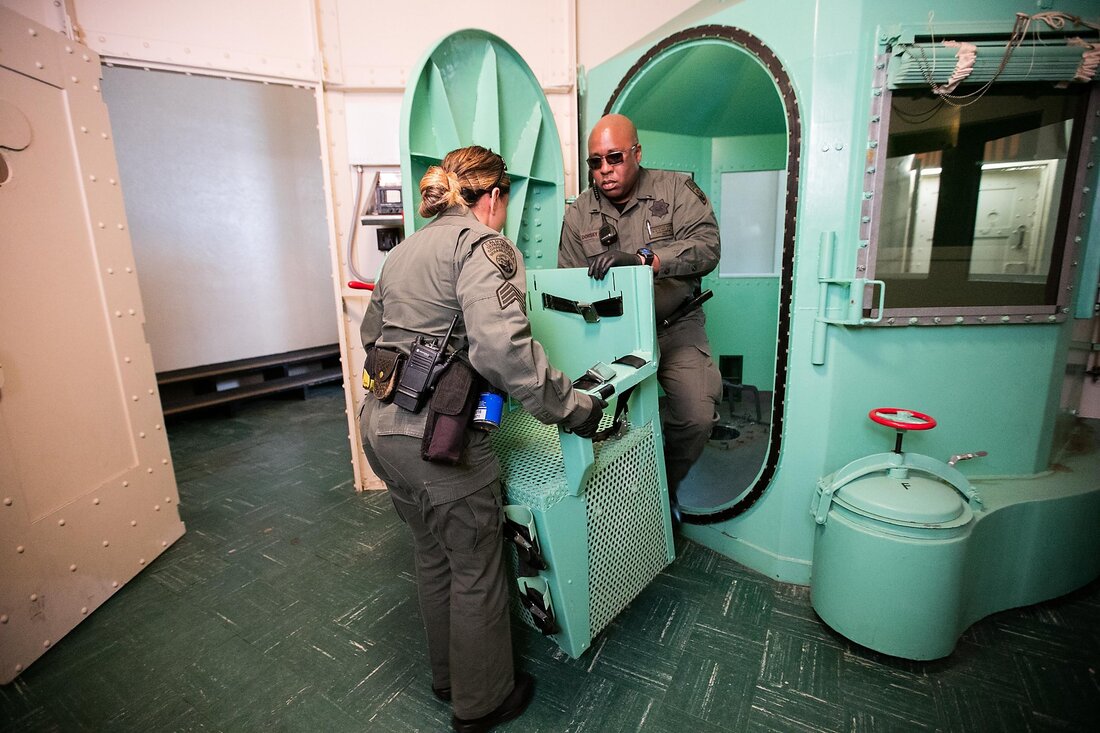
He didn’t live to tell, but Cash would be pleased to know parts of San Quentin are being demolished to transform the once bad-ass hoosegow into America’s first Scandinavian-style rehabilitation facility, based on the success of such systems as Norway’s.
“Norway’s prison system seems counterproductive,” explains US lawyer Nancy Hayes, “but the
data shows that it’s working
. It has one of
the
lowest recidivism rates in the world, at 20%
. In other words, only 20% of those released become repeat offenders in the country. Compare that to a whopping 76.6% in the United States.”
San Quentin’s death row inmates are now en route to other facilities, and more humane, less crowded living quarters are being built here. Education programs are being ramped up, including the theater project run by my former yoga teacher. Rich and I will be attending a play in San Quentin this summer; and yes, I’ll give you the full inside scoop.
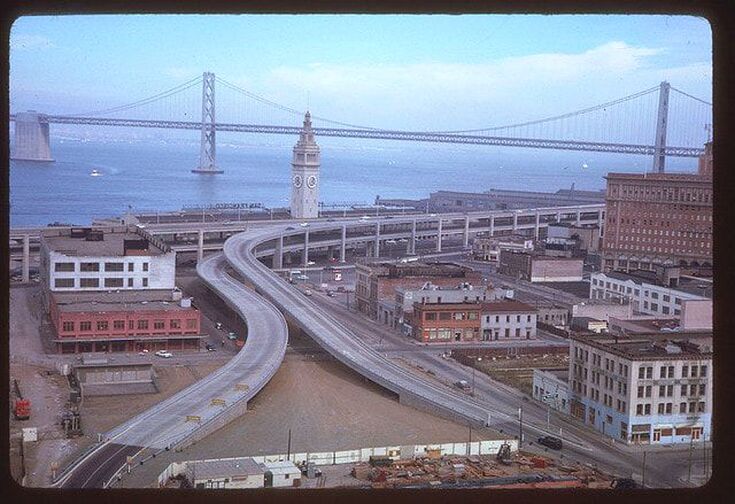
A few minutes after we passed the prison, I caught my first glimpse of the San Francisco Ferry Building, whose 245-foot tower, built in 1898, is said to be based on the Giralda, the bell tower of Seville’s cathedral.
The Ferry Building was one of the busiest transit terminals on the planet until the Golden Gate and Bay Bridges were built in the 1930s. As traffic and revenues plummeted, the Ferry Building fell into squalor and decay, making it ever less attractive to customers — a twentieth-century doom loop.
Unable to leave ill enough alone, in 1958 the city installed the Embarcadero “freeway to nowhere” in front of the Ferry Building, creating an eyesore and massive inconvenience for everyone at ground level.
Mercifully, the 1989 earthquake did sufficient damage to give the mayor an excuse to tear down the eyesore freeway and while he was at it, renovate the port.
Today, the Ferry Building is so much more than a vital transit hub; it’s to a temple of foodie hedonism, with an eclectic mix of gourmet shops, restaurants, and retail in the 660-foot skylit nave.
It wasn’t easy, but Rich and I resolutely turned our back on all the luscious gourmet fare and set off to visit a cheap and cheerful SF icon,
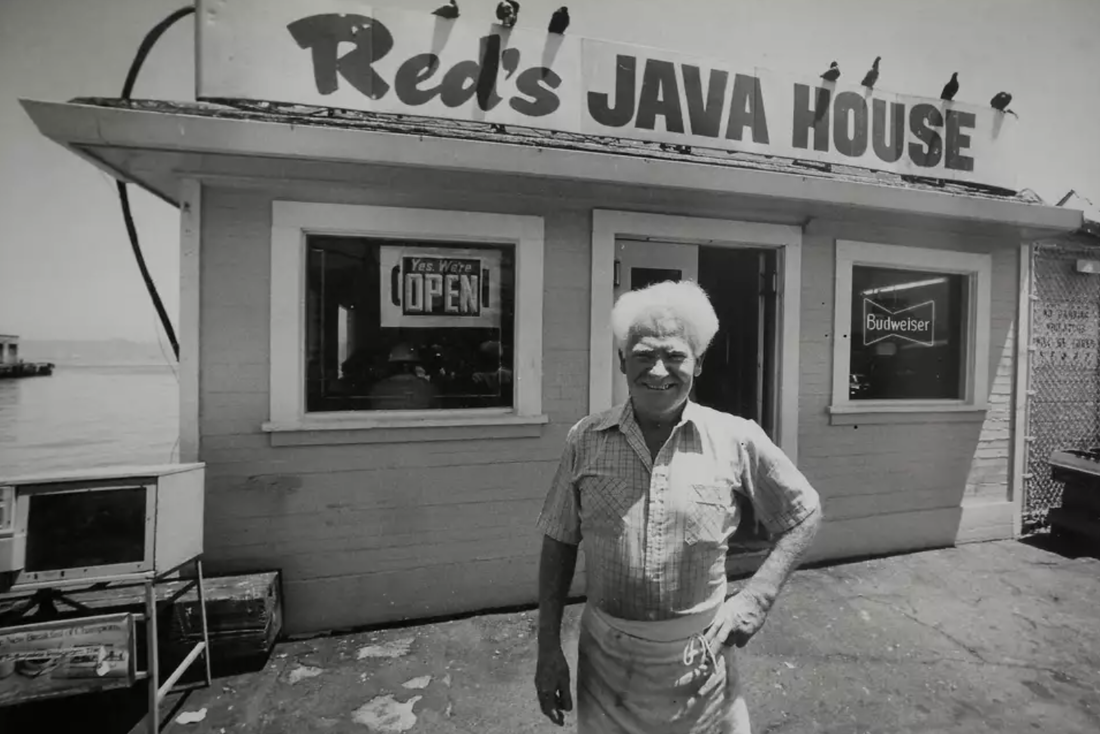
Red’s Java House
on Pier 30.
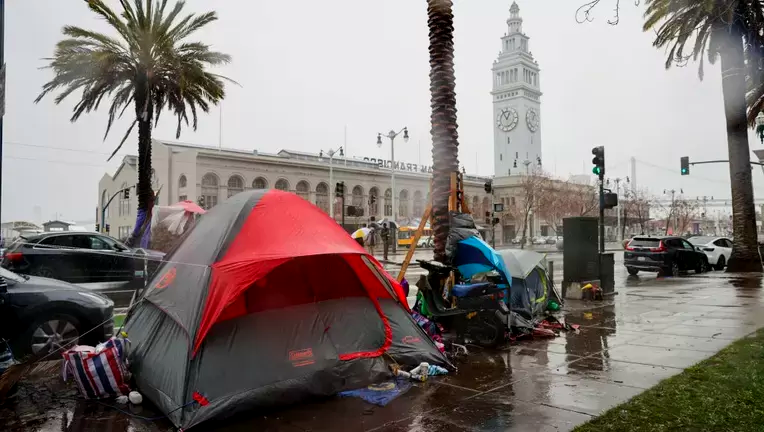
We strolled along the waterfront past a small homeless encampment of perhaps eight tents; the folks who lived there chatted among themselves, ignoring us completely. We continued on under the Bay Bridge and soon arrived at Red’s.
The shack first opened in the 1930s to provide dock workers with a low-cost, hearty hamburger-and-beer breakfast special (which was every bit as popular as you’d imagine). In 1955 the business was bought by two red-haired, seafaring San Francisco brothers, Tom and Mike McGarvey, who renamed it Red’s Java House. Their kindness, humor, and low prices transformed customers into lifelong friends.
When the brothers sold Red’s in 1990 it began to struggle. A devoted fan who worked for a billboard company filled the city with Red’s ads featuring the slogan
“You Can’t Get Food Like This in the Best Restaurants in Paris.” As their website notes, “The advertising has been a real shot in the cash register.”
In 2009 Red’s was bought by long-time customer Tiffani Pisoni. Tidying up, she put the mop bucket away in a cupboard, alarming customers, who demanded to know why it wasn’t sitting under the TV as always. After she put it back, someone asked her if that felt like tyranny. She shook her head. “It’s love.”
Red’s decor remains comfortably shabby, the view of the bay breathtaking. The walls are jammed with photos of famous fans: football players, actors, mayors, and food journalists such as Anthony Bourdain, who described Red’s as a “wonderful, old school, high fat, high protein, beer for breakfast kind of a place.”
Rich and I ordered our $7.93 burgers, carefully heeding the sign that warned us not to ask for lettuce or tomatoes. The modest patties arrived on great hunks of sourdough with pickles, onions, and plenty of mustard. It was like biting into slabs of yesteryear, before hamburgers went uptown.
Going out to lunch in SF that day was delightful, but I remained keenly aware that nearby neighborhoods — a total of about 80 square blocks, or just over 1% of the city — are in massive crisis. Every night 4000 unhoused men, women, and children sleep in the streets. Fentanyl killed 800 residents last year. The city is reeling and struggling to cope. But what major US city isn’t?
San Francisco is always picking itself up, dusting itself off, and bouncing back higher than before. It transformed
a seedy ferry dock into a foodie mecca and is reshaping a notorious prison into a place where men who have made horrible choices have the chance, like Merle Haggard, to find another path in life.
“
A city is not gauged by its length and width,” said
Chronicle
columnist Herb Caen, “but by the broadness of its vision and the height of its dreams.” San Francisco is never short on vision and dreams, but what are its next moves? Will they work?
We’ll find out together in the months ahead.
This is the first in my new series
OUT TO LUNCH IN SAN FRANCISCO
My goal is to discover cheap and cheerful eateries in some of San Francisco’s most colorful neighborhoods while I check out what’s really going on in this zany town. Are we in a doom loop? Already on the rebound? Still fabulous? Stay tuned! These and other questions will be explored in upcoming posts.
AND CHECK OUT MORE OF MY FOODIE TRAVEL ADVENTURES:
OUT TO LUNCH IN SEVILLE
NUTTERS’ WORLD TOUR
THE GREAT MEDITERRAEAN COMFORT FOOD TOUR
Now an award-winning
Amazon best seller
WANT TO STAY IN THE LOOP?
If you haven’t already, take a moment to subscribe so you’ll receive notices when I publish my weekly posts.
Just send me an email and I’ll take it from there.
[email protected]
And check out my
best selling travel memoirs & guide books
here
.
PLANNING A TRIP
?
Enter any destination or topic, such as packing light or road food, in
the search box
below
. If I’ve written about it, you’ll find it.

Leave a Reply