This morning a podcast host sent me a list of questions we’ll be discussing next week, starting with this one about my move to Seville: “What were some of the most surprising challenges you faced — and what helped you adapt successfully?”
My mind instantly filled with a montage of memories — early attempts to order tea in a Spanish café, language lessons with condescending 20-somethings, the intervention about my hair… I recalled with a shudder one of the biggest shockers: getting banished from Seville’s public library.
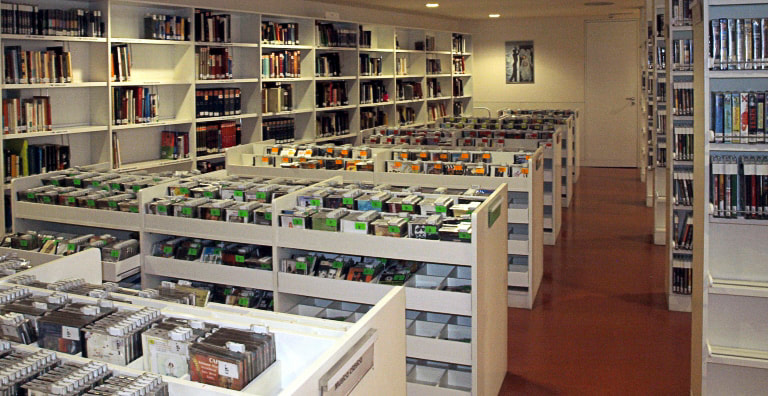
Early on I’d discovered the library’s tiny collection of English-language books: dog-eared Agatha Christies I’d already read, popular novels several generations out of date, and fawning biographies. I began slowly working my way through this underwhelming assortment until one day I returned a book late. And instead of being fined (something with which I am abundantly familiar) I was banned from the library for three weeks.
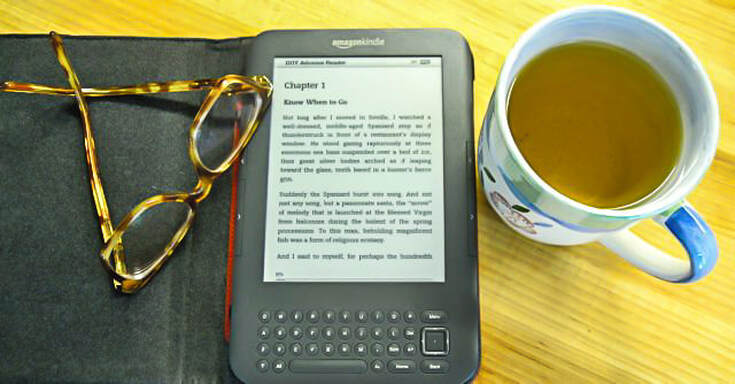
Oh, the horror! It felt like hearing they were cutting off my oxygen supply for three weeks. I slunk away in disgrace and soon afterwards bought my first e-reader.
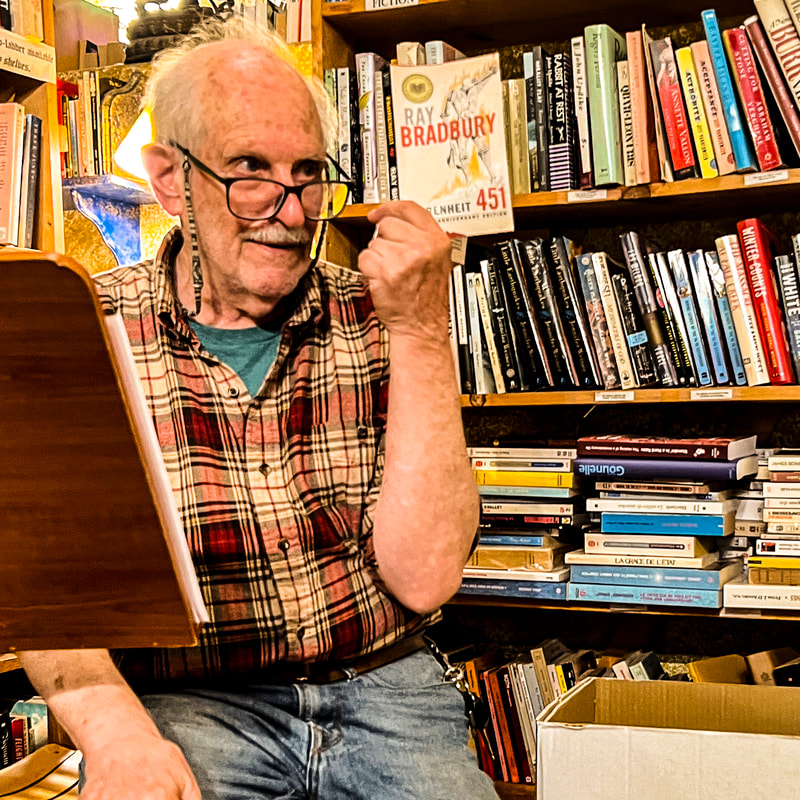
Of course, I will always love print editions, and whenever I’m in California, I haunt local booksellers. My favorite is the cozy second-hand Rebound Bookstore — aka “the Biggest Little Bookstore in the Universe” — in the nearby city of San Rafael. Owners Toni and Joel Eis are my kind of book people: passionate, quirky, and dedicated to sharing ideas.
“Community is everything,” said Joel, when I sat down with him this week. “That’s why we’re here.” He and Toni host poetry readings, jazz nights, stand-up comedy, occasional pot luck gatherings, and book clubs — including the newly formed Outlaw Bookworms devoted to reading banned books. (Yes, I’ve joined it.)
Joel fell in love with the bookshop twenty years ago, when he came out from Colorado because he’d heard the owner was ready to sell. “As I came into the store, this young girl, probably a high school kid, came out. I can see her now. She was wearing a lovely summer dress and she had a book in her arms and she spun around out in front of the store, like ‘Oh, boy, I’ve got something really cool.’ And I said, ‘You know, that’s what I want to do. I want to make people feel like that.’”
Unfortunately, not all American teenagers are dancing in the streets for the sheer love of reading. In fact, 33% of eighth graders and 40% of fourth graders fail to meet basic literacy benchmarks in school.
“A fourth grader who is below basic cannot grasp the sequence of events in a story. An eighth grader can’t grasp the main idea of an essay or identify the different sides of a debate,” wrote David Brooks in the NY Times. “Literacy is the backbone of reasoning ability, the source of the background knowledge you need to make good decisions in a complicated world.”
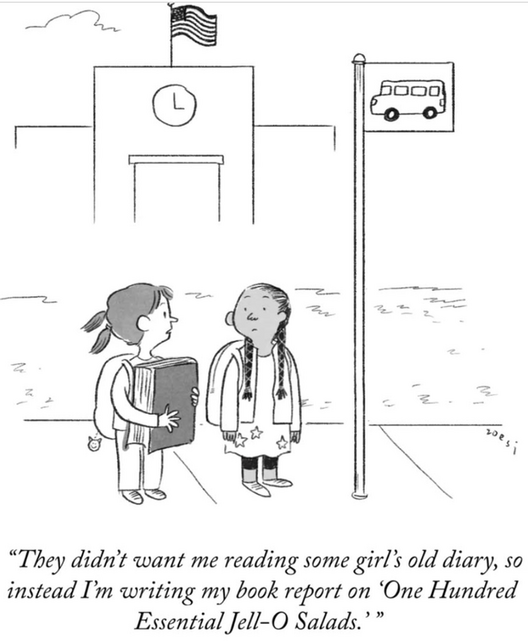
Without the ability to figure out what’s going on, weigh options, and calculate consequences, it’s tough to make smart moves in life. It’s no coincidence that 75% of those who wind up in prison are illiterate.
In the general population “thirty percent of Americans read at a level that you would expect from a 10-year-old child,” Andreas Schleicher, head of education and skills at the O.E.C.D., told The Financial Times. “It is actually hard to imagine — that every third person you meet on the street has difficulties reading even simple things.”
Actually, that explains a lot. Have you seen the headlines lately? It’s pretty clear that current events are more like knuckleheaded bullying on a fourth-grade playground than decisions based on evidence, reason, or wisdom — let alone compassion.
Let’s face it, making sense of the world is never easy; that’s why books were invented.
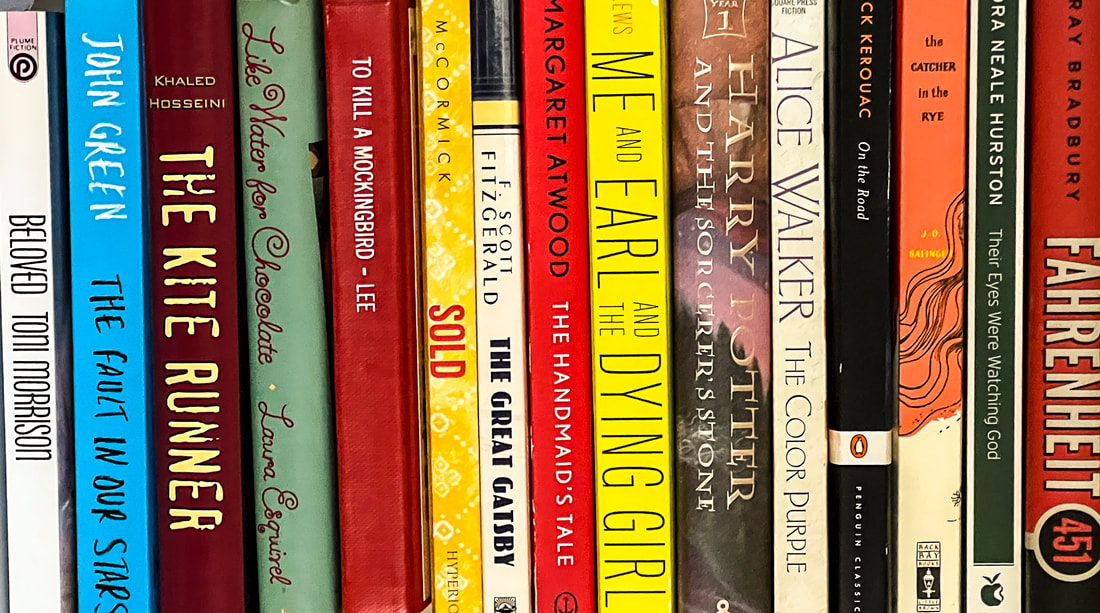
Reading a book takes about eight to twelve hours, and spending that much time inside someone else’s mindscape broadens our experience and enriches our perspective — sometimes in ways that transform us forever. Here are a couple of wonderful examples from Tobias Carroll’s 28 Authors on the Books that Changed Their Lives.
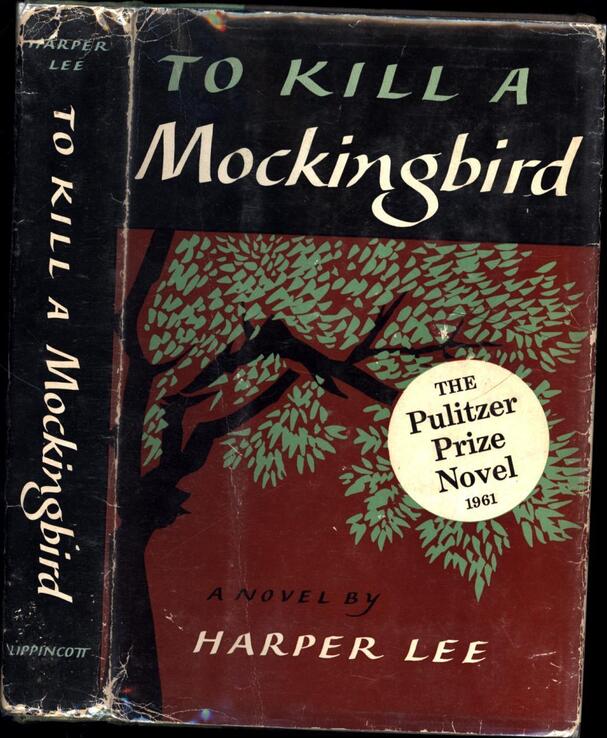
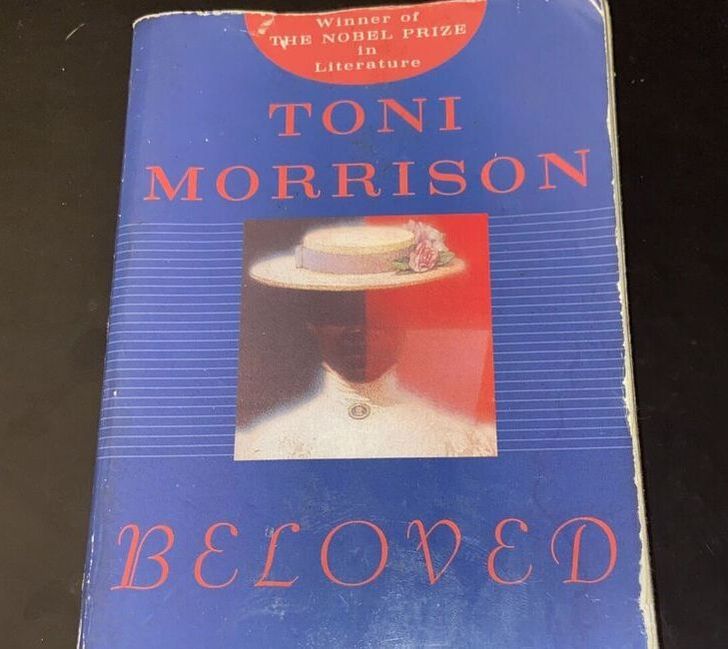
“The first massive Rock My World book,” wrote Maria Dahvana Headley, author of Magonia, “was Beloved, which I read when I was 17. Not only was I clueless about race in America at that point, coming from where I came from, I was also clueless about living female genius writers. I didn’t know there were any. Up to that point, I’d read almost entirely white men. KA-BAM. I got blasted out of the universe of dead white boys, and into something much more magnificent. Toni Morrison’s way of flawlessly entwining her haunting with her history left me dazzled, sobbing, and bewildered.”
“Although I read Far From the Tree about two and a half years ago,” wrote Curtis Sittenfeld, author of Eligible, “I still think of it all the time — its exploration of a wide range of disabilities, its examination of what a disability is, its extraordinary compassion. I truly feel that if our civilization was destroyed and Far From the Tree was the only book that survived, it could convey to future alien races nearly everything there is to know about 21st-century earthlings.”
Wow. You don’t hear that kind of praise for posts on Facebook or TikTok. You can see why Pat Conroy, author of Prince of Tides, once said, “I can’t pass a bookstore without slipping inside, looking for the next book that will burn my hand when I touch its jacket, or hand me over a promissory note of such immense power that it contains the formula that will change everything about me.”
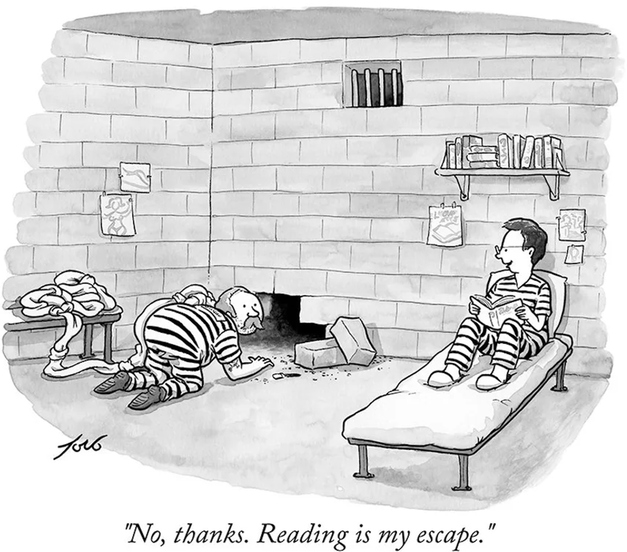
We need all kinds of bookstores: retailers with new releases from what’s-happening-now authors and little independent shops like Rebound that carry hard-to-find second-hand editions, the ones that are loved enough to be kept around long past their sell-by dates. Having a wide range of books is vital to our civilization. Because as Haruki Murakami, author of Norwegian Wood, pointed out, “If you only read the books that everyone else is reading, you can only think what everyone else is thinking.”
And if there was ever a time to up our thinking game, it’s now. We’re watching a new world order being carved out in real time; life as we know it is being upended. We’re all feeling much as I did in my early days in Seville, as if we’ve woken up in a foreign land with unknown rules and no guarantees about how it’s all going to work out.
But others have gone down similar paths before us, and they have left us plenty of guideposts to help us find our way. Since Gutenberg’s time, we humans have written hundreds of millions of books, and while not all of them are life-changing works of profound genius, there are plenty offering us fresh ideas and new avenues of hope and comfort.
So how about it? Can we really get through these dark times? As Nelson Mandela wrote, “It always seems impossible until it’s done.” I take those encouraging words as a resounding yes.
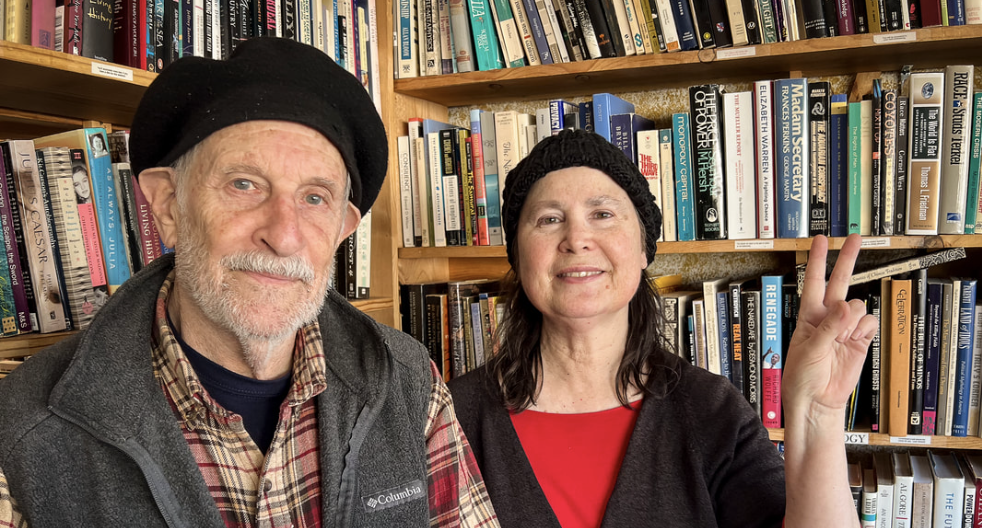
For years, Joel and Toni have been talking about selling the bookstore and retiring. But for now, they remain stalwart guardians of our civilization’s intellectual treasures. Thanks for your service, guys!
Leave a Reply