It’s true! The legendary Dim Sum Nazi is still around and hasn’t lost one bit of her edge. I saw her Saturday, presiding over her pots, steely-eyed as ever, prepared to quell inquisitive customers with a glare.
In San Francisco’s
Delicious Dim Sum
, everyone knows you don’t ask Ivy Z. frivolous questions about the living conditions of the chickens, the soil condiments used to improve the vegetables, or who caught the fish. That kind of foodie foolishness, I was told on my first visit 15 years ago, may result in a moment right out of the Soup Nazi episode of
Seinfeld
: “No dim sum for you!”
That would be a tragedy, as her dim sum — small savory portions, the Chinese equivalent of tapas — is second to none, and at $3.80 for three hefty dumplings, one of the best deals in town. Rich and I arrived during the brief lull between breakfast and early lunch, gave our question-free orders, and received our dumplings and permission to sit at the single small table at the back among cartons of
bao
(doughy buns).
I sat down gratefully, needing a moment to recombobulate. Minutes earlier, just off the ferry for this week’s
Out to Lunch in San Francisco
excursion, I’d been gobsmacked to discover what had happened to my favorite fortune cookie bakers.
We think of fortune cookies as Chinese, but they originated in Japan as the miso-flavored
tsujiura senbei
(fortune cracker), migrating to San Francisco around 1900. Golden Gate Park’s Japanese Tea Garden reimagined them as sweet vanilla cookies that were a big hit until WWII, when Americans shunned everything associated with Japan. Chinese-American entrepreneurs filled the fortune cookie gap and now produce three billion a year in large, automated factories.
Which is why the tiny, family-run
Golden Gate Fortune Cookie Factory
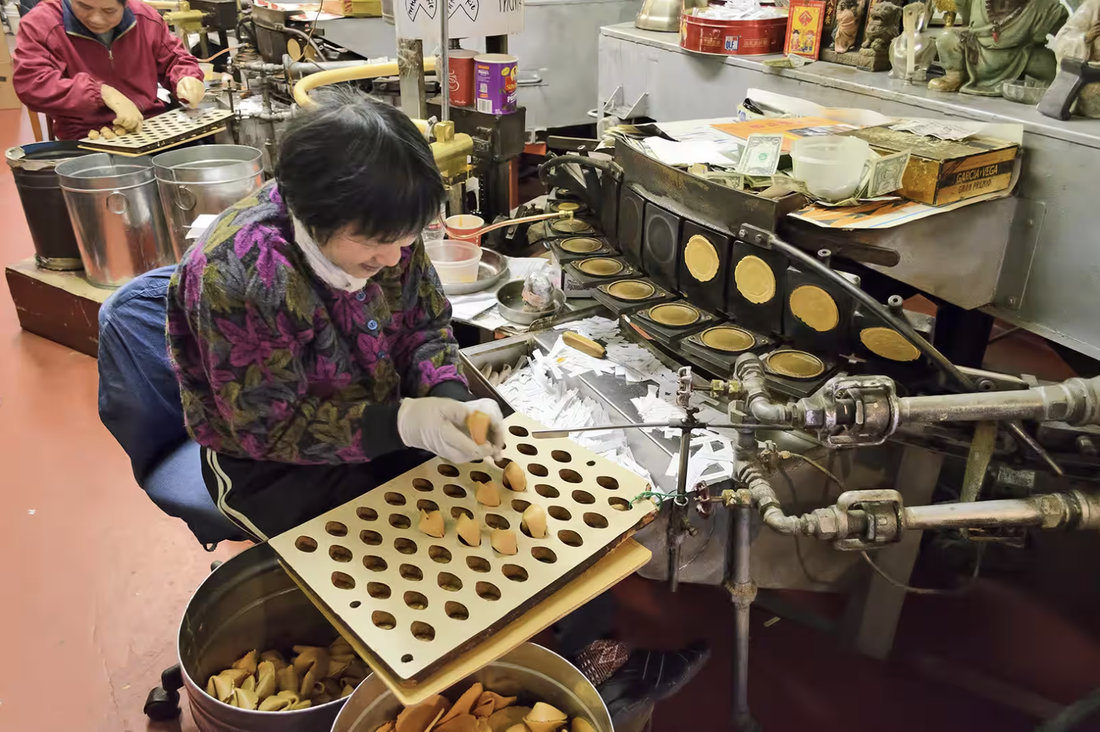
was in trouble. Their handmade cookies couldn’t compete on price but survived thanks to loyal customers and a few stray tourists. I’d often wandered in to watch the Chang family peel circles of freshly baked dough off the press and fold them around paper fortunes. Old Mr. Chang used to charge 50 cents to take photos and would give out broken cookies to nibble on.
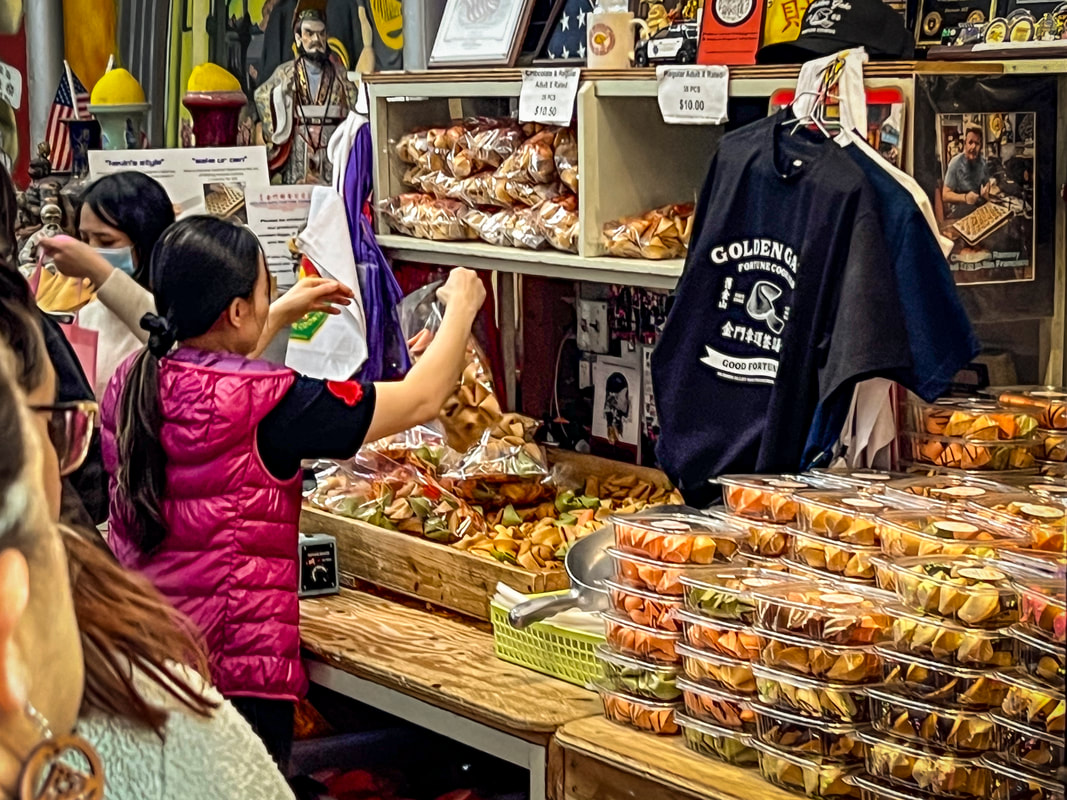
But since the pandemic their rent has quadrupled, so who could blame the Changs for marketing their place as a tourist attraction? Nowadays, throngs line up to buy fortune cookies in various flavors, with regular or racy fortunes.
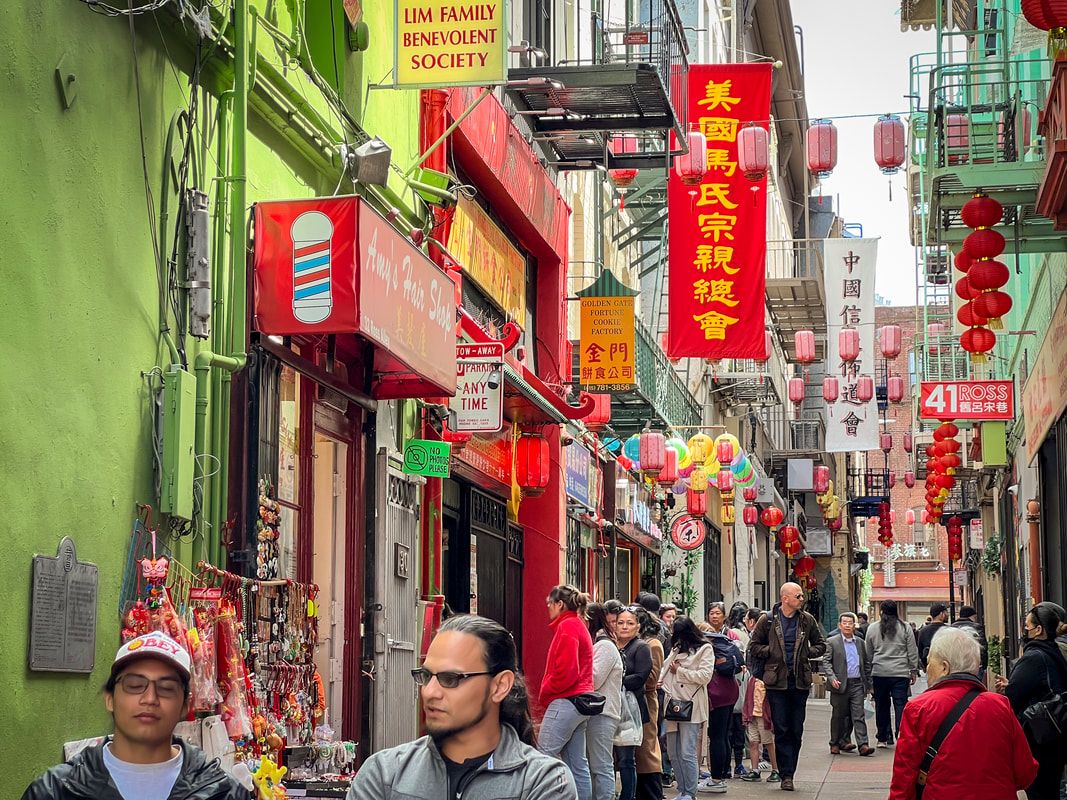
Marketing the Chinatown experience to tourists is nothing new, and in fact has long been part of the community’s strategy for survival in the face of overwhelming odds.
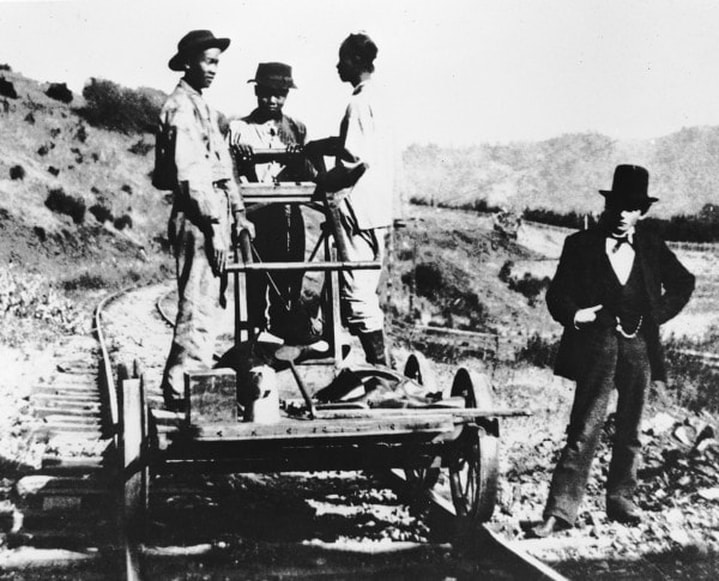
Between 1849 and 1882, some 300,000 Chinese immigrants came to work in California, mostly in gold mines and on the Transcontinental Railway, often at half of standard pay. Railway baron Charles Crocker sent recruiters to China to get laborers he called “pets” who were “content with less wages.” He gave his white workers promotions and cabins while the Asians had to provide their own tents and do the strenuous, dangerous jobs.
Many white San Franciscans viewed Chinese immigrants with suspicion and hostility for being “different” and “taking away jobs.” (Hard to imagine now, of course; we’re so lucky to live in more enlightened times.) (And yes, I am being ironic.)
When the 1906 earthquake and fire destroyed Chinatown, the National Guard was sent in and promptly began looting the ruins. Meanwhile city officials rushed through plans to resettle the Chinese residents in a remote suburb.
Chinatown’s leaders pointed out their
community’s vital
economic role in trade with China and San Francisco’s growing tourism. While officials’ greed struggled with their xenophobia, the Chinese rebuilt their neighborhood as a dazzling new version of itself.
“To counter the exaggerated negative stereotype of an overcrowded and dirty Chinatown,” wrote Google Arts & Culture, “a select group of Chinese merchants … planned a new ‘Oriental’ city that appealed to a romanticized and whimsical idea of China.” Bright colors and fanciful architectural flourishes — such as curled roof corners, which were traditionally reserved for temples — appeared everywhere.
Not to keep you in suspense, Chinatown stayed. Since then it’s survived many challenges, including the pandemic, which saw a sharp (567%) temporary rise in anti-Asian hate crimes and massive loss of income as tourists and residents stayed home. Things are slowly edging toward normal now. I saw no obvious drug activity, no encampments, and only two homeless people on the street. I felt as safe as I ever do in a US city.
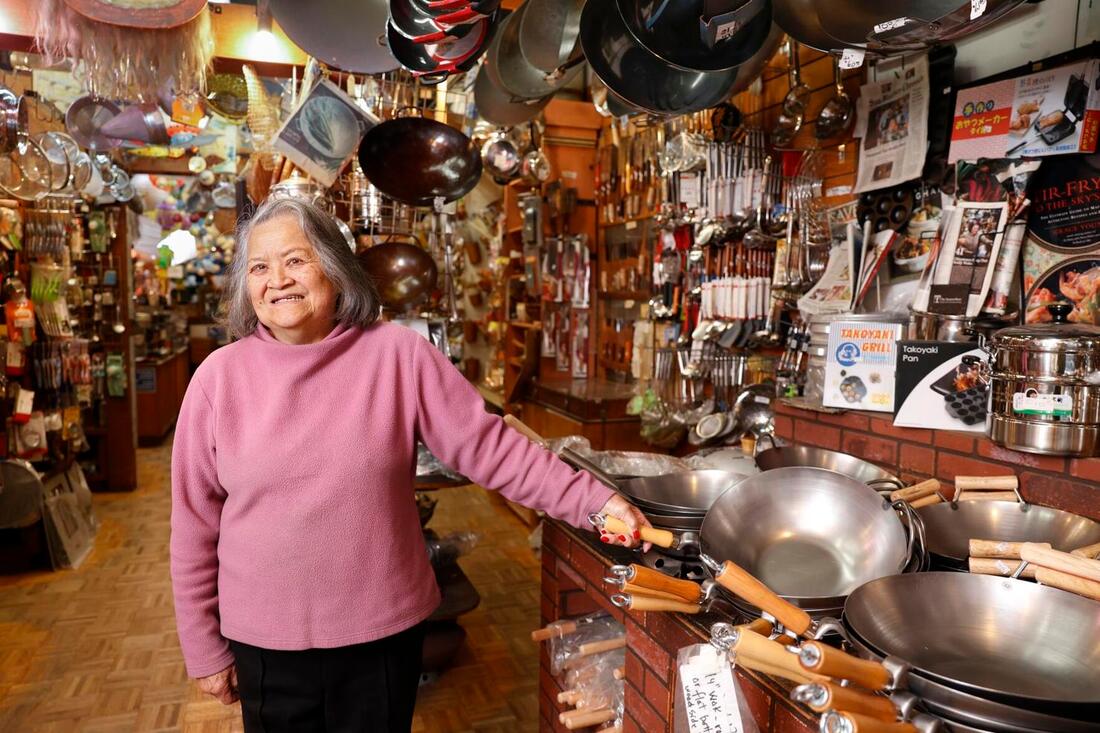
“Chinatown will hold its own,” said Tane Chan, who has owned the
Wok Shop
since 1972. “We’re going to hit some bad spots, but we’ll rise above that. That’s Chinatown’s attitude, you know?”
To fight the good fight, we need inspiring heroes. And as I learned from a visit to the
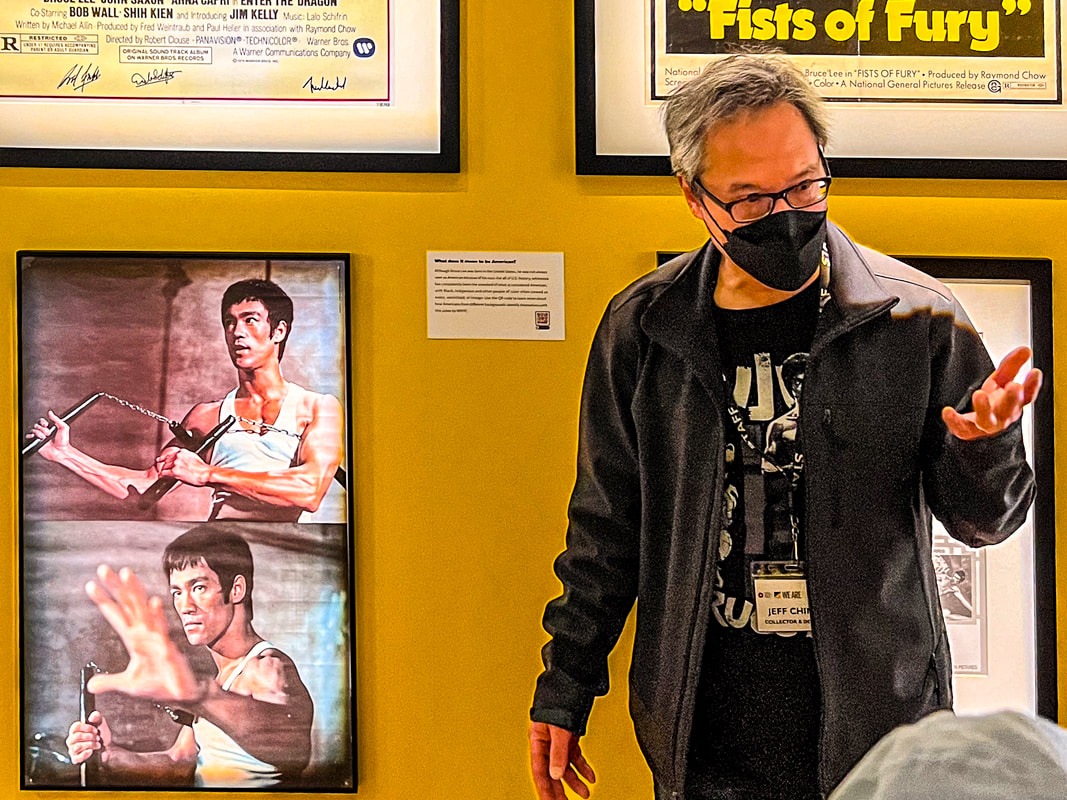
Chinese Historical Society of America Museum
, SF’s Chinatown found one in its native son, Bruce Lee.
Most of us remember Bruce Lee as a martial arts master and the first Asian-American man to become a Hollywood star. He was also a philosopher and fearless advocate for anyone who had ever been marginalized, passed over, bullied, or discriminated against.
“I will tell you what Bruce Lee means to me,” said Frank, our docent on the museum tour. “I was born here in Chinatown, but when I was 12 my family moved away. I was the only Asian in my new school. I was bullied. I was scared. I began to have terrible pain in my stomach. The doctor said, ‘I never see this in boys so young. He has a bleeding ulcer.’ I had to go on a bland diet for a year and drink medicine that made food lose all its taste. One day I was in my room, and I was crying. And I looked up and saw this poster.”
“I saw the poster through my tears. And then it was as if Bruce Lee spoke to me. Actually spoke to me. He said, ‘You can do this.’ And I realized maybe I could. It changed my whole life.”
In 1973 Bruce Lee died of cerebral edema (fluid in the brain); he was 32. His pallbearers included
Steve McQueen
,
James Coburn
, and others he’d trained in martial arts. Today, he remains a legend and an inspiration to millions.
Pausing to admire the Bruce Lee mural beside the museum, Rich and I headed out to lunch at
Hang Ah
, the oldest dim sum restaurant in America. We chose two signature dishes ($8 each): pot stickers and chicken feet coated with a thick, spicy black bean paste, which you suck off the bird’s toes. OK, yeah, that was a little weird. But vivid!
I sat in the cozy restaurant, surrounded by a cheerful mix of people of various ages, races, and origins, enjoying the atmosphere and extraordinary food. Thinking of all those who fought to keep this community together in spite of everything, I felt deeply grateful and profoundly inspired by their courage and refusal to give up hope.
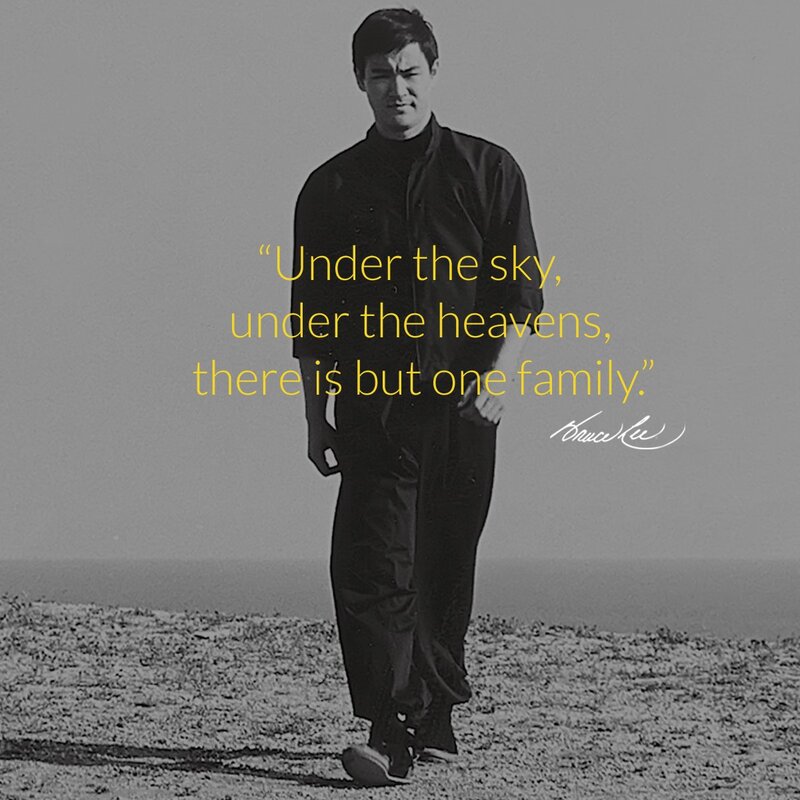
Bruce Lee knew what he was talking about when he said, “Do not pray for an easy life. Pray for the strength to endure a difficult one.” Amen to that.
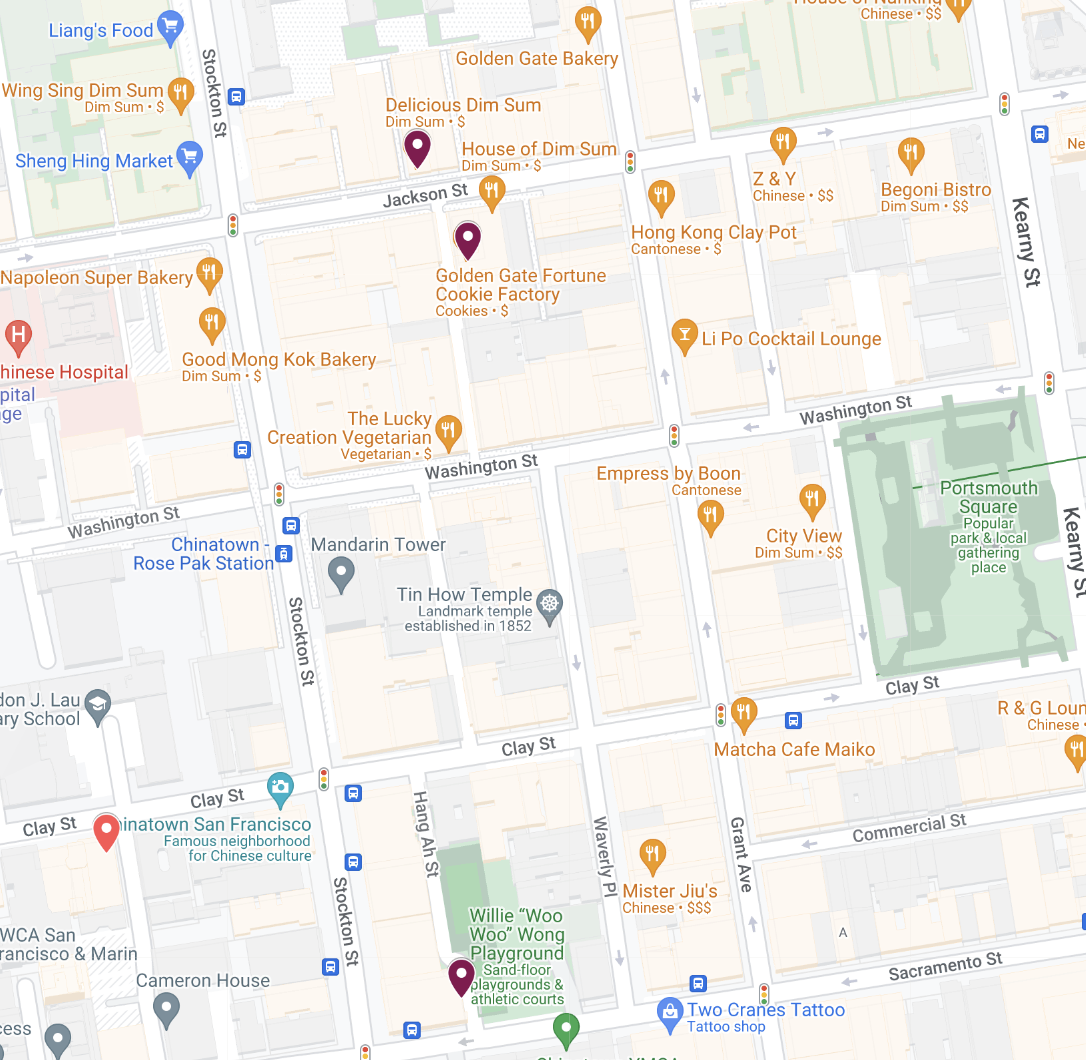
Click this link for an interactive version of this map:
www.google.com/maps/d/u/0/edit?hl=en&mid=19IdltJRCpeeNUAQMR5Pfr9Vg8vNrifA&ll=37.79469571820258%2C-122.40806155000001&z=18
This is the second in my new series
OUT TO LUNCH IN SAN FRANCISCO
My goal is to discover cheap and cheerful eateries in some of San Francisco’s most colorful neighborhoods while I check out what’s really going on in this zany town. Are we in a doom loop? Already on the rebound? Still fabulous? Stay tuned! These and other questions will be explored in upcoming posts.
DON’T MISS OUT!
If you haven’t already, take a moment to subscribe so I can let you know when I publish my weekly posts.
Just send me an email and I’ll take it from there.
[email protected]
And check out my
best selling travel memoirs & guide books
here
.
PLANNING A TRIP
?
Enter any destination or topic, such as packing light or road food, in
the search box
below
. If I’ve written about it, you’ll find it.

Leave a Reply