When Ernest Hemmingway was writing
A Farewell to Arms
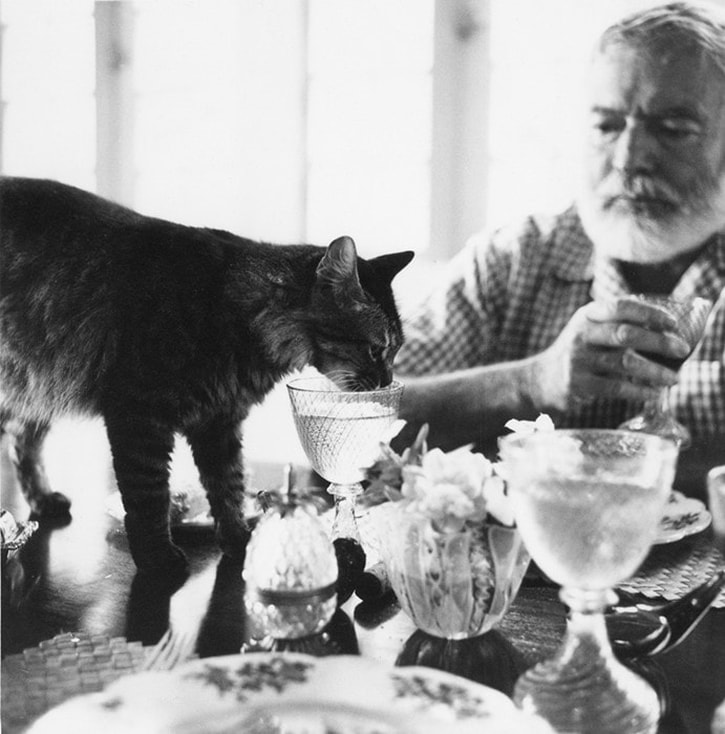
, he asked F. Scott Fitzgerald to critique the manuscript. Fitzgerald’s thoughtful, nuanced analysis ran for ten pages and suggested changing the ending. Hemingway’s reply? A succinct, “Kiss my ass.” This story appeared in my horoscope this week, followed by, “I suggest a different approach for you, Libra. In my view, now is a good time to solicit feedback and mirroring from trusted allies. What do they think about the current state of your life and work?”
So now’s your chance, trusted allies. If there’s anything you’d like me to write more about in this blog (comfort food recipes, pandemic survival tips, Rich wielding power tools and duct tape) or discuss less (see previous list), please let me know in the comments section below. Unlike Hemingway, I actually like suggestions. Sometimes I even follow them.
OK, now that I’ve dealt with my astrological karma, let me ask you another question: Have you seen the headlines announcing that due to Covid-19 “
Christmas is Cancelled
”? The fringe media even calls Dr. Fauci “the Grinch Who Stole Christmas.” To these scurrilous statements I say, “Poppycock, hogwash, and codswallop!”
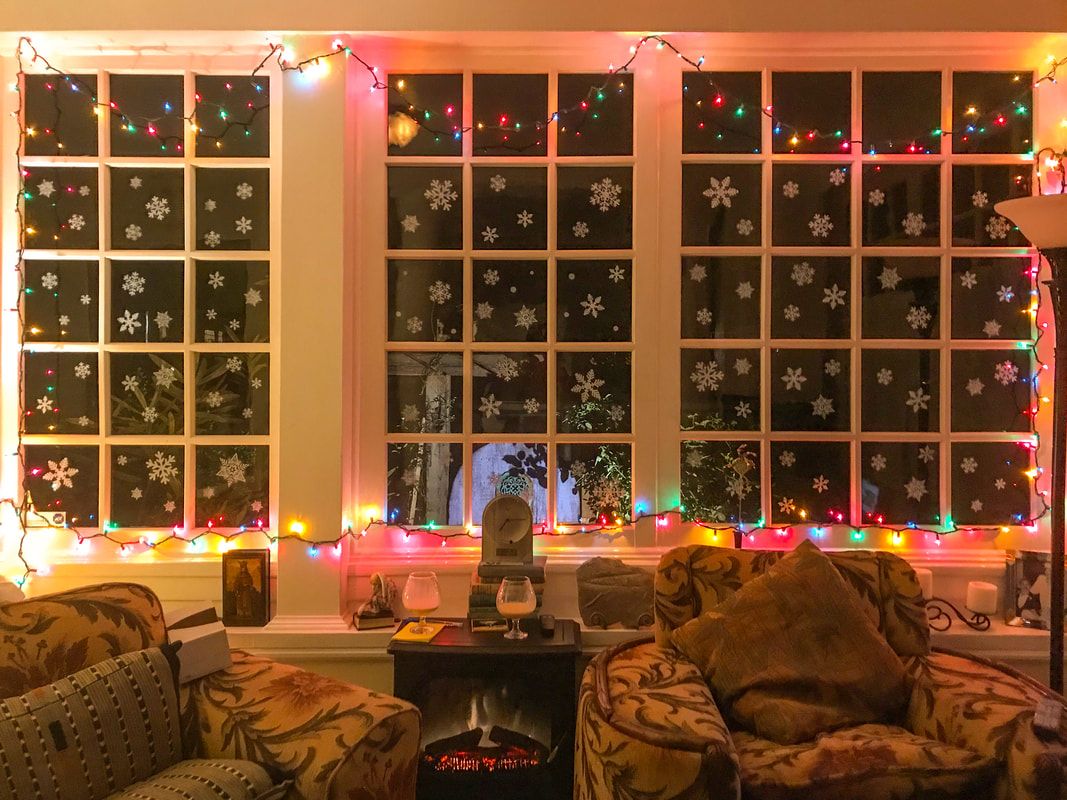
The fact is, nobody can steal or cancel a holiday. Christmas, Hanukkah, Kwanzaa, pagan Yule, Hogmanay, and every other red-letter day on the calendar will roll around precisely on schedule, just as surely as the shortest day of the year will show up on December 21st, no matter what. The only thing changing is how we celebrate our holidays. But then, doesn’t it always?
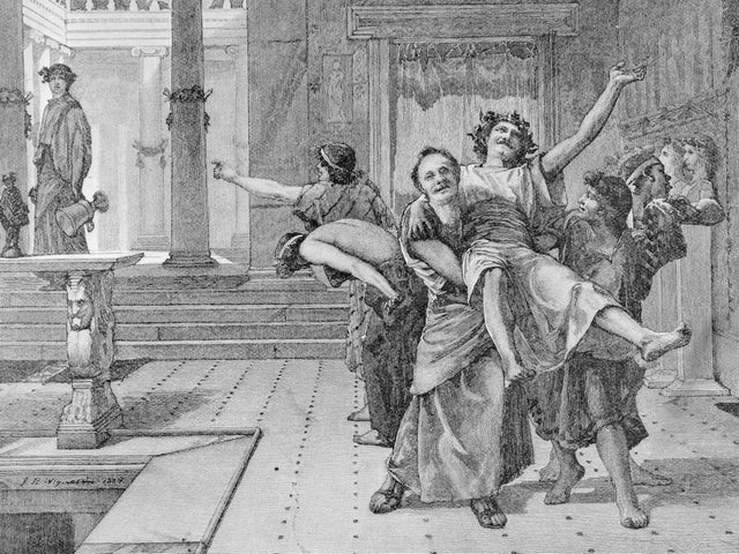
In prehistoric times, the shortest, darkest, coldest days of the year found our ancestors huddling together around a flame to keep alive the hope of surviving to see another spring. By Roman times, they’d figured out that when the night was dark and full of terrors, alcohol helped, and lo! the drunken revels known as Bacchanalia were born. “
Morality and restraint were politely shown the back door
, schools were closed, no criminals were punished,” reports the
Independent
. “Slaves were allowed to swap places with their masters, and one was elected king for the duration of the festival. The wealthy distributed gifts to the poor.” If you’ve ever attended an office holiday party, you can probably relate to the vibe.
In the old Norse tradition, a massive Yule log was dragged into the fireplace, often with one end sticking out into the room; as it burned, you kept shoving it further in. You had to light it using a scrap of last year’s log, and if it didn’t catch on the first try or went out during the next twelve days, bad luck was sure to follow. Anyone whose fire-lit shadow appeared to be headless knew they had a date with the grim reaper.
Many restless ghosts roamed the earth during the longest nights of the year, giving rise to Dickens’ famous story,
A Christmas Carol
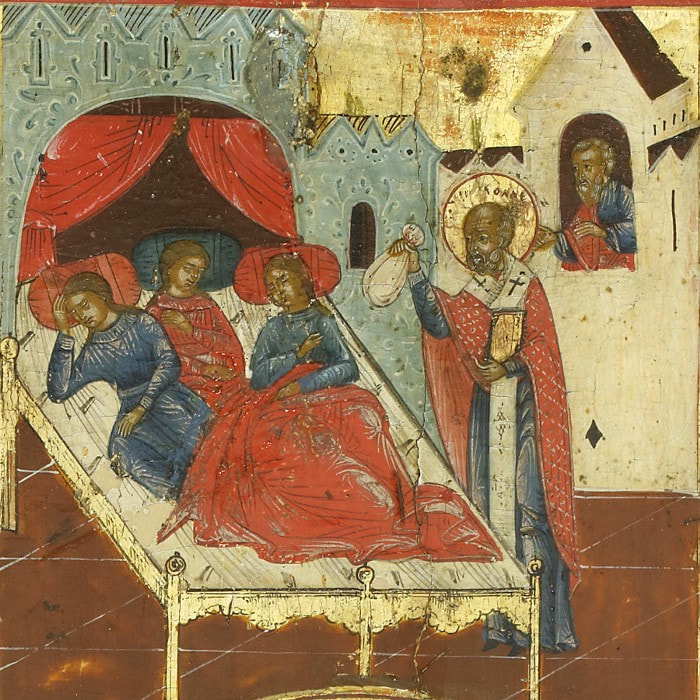
, and the legend of Santa Claus. The fat man in the red suit was originally Saint Nicholas, who wanted to help three impoverished girls at risk of being forced into prostitution. He dropped three gold coins down the chimney, where they landed in the girls’ stockings drying on the hearth.
My point is: the holidays we celebrate, and the shape those celebrations take, are constantly evolving. If you have any doubt about that, just look at the carols we’re singing this year.
Some of the language and images in that song hark back more to the Bacchanalian revels than to the sanitized version of the holidays familiar to us from Hallmark cards and Hollywood movies. And that’s appropriate; we live in edgier times. But one thing hasn’t changed: the need to reach out to family and friends, sharing comfort and joy, if only through the magic of Zoom.
Rich and I spend a lot of time Zooming these days. Last night we gathered online with Rich’s old Navy buddies to celebrate
Festivus
. I always thought this holiday was invented by the staff of
Seinfeld
, but I’ve now learned it was
Readers Digest
editor
Daniel O’Keefe
who dreamed it up in 1966 to commemorate his first date with his wife. Thirty years later his son, a writer on
Sinefeld
, gave the world “Festivus for the rest of us.” In addition to the traditional aluminum pole, feats of strength, and airing of grievances, our celebration included donning festive hats.
My Festivus grievances were ready, too. A few days ago, we Zoomed with American friends in New Zealand, who told us how the Kiwis approached the pandemic. Within a month of the first reported Covid case in the country, all borders, ports, and airports were closed, and by March 25 there was a strict nationwide lockdown. Cases dwindled, restrictions were eased, and by June 8 life returned to normal except for border controls. That’s right,
the pandemic has been over for six months in New Zealand
. “We live normally,” our pals explained. “And except for the tourist sector, the economy has completely rebounded.” In that nation of 4,822,233 people, there have been 2096 cases of Covid and 25 deaths.
At first I was in awe, and then the outrage hit me. Stopping Covid in its tracks was no pipe dream; New Zealand accomplished it six months ago. Here in America, we had the same scientific data, and far greater resources at our disposal; what we lacked was the political will. By May 27 we’d lost 100,000 people to the virus; just this Monday the death toll passed 300,000, and still there’s no coherent national plan. We’ve suffered 200,000 needless, preventable coronavirus deaths, and another American dies of the virus every 36 seconds, when we could — should! — all be living in a post-pandemic society with a healthy economy.
“You might want to tone down your grievance a bit during the Festivus Zoom call,” Rich warned me, after I’d ranted on about this for days. “Don’t want to frighten the horses.”
He was right. I put on my tin foil Santa hat, took a few deep breaths, and counted my blessings. Like the debt of gratitude we owe past generations. Our primitive ancestors taught us to keep the flame of hope burning through the longest nights. The Romans showed us how to raise a glass instead of cursing the darkness. And Santa may have stopped dropping gold coins in our stockings, but he does stuff them with chocolate, which helps enormously.
One of my favorite blessings? The community of my readers. You guys make me laugh, cry, think, and find strength to go on. Your thoughtful comments help me shape the direction of this blog (so send feedback below). You’ll no doubt be too busy with Bacchanalian revels to do much reading, so I won’t be posting next week. Rich joins me in wishing you all a splendiferous [
insert name of holiday here
] as we stagger to the end (yay!) of 2020 (whew!).
ENJOY THE HOLIDAYS, MY FRIENDS!
STAY SAFE, BE MERRY, AND HOPE 2021 IS A BETTER YEAR (ADMITTEDLY, A LOW BAR).
This post is part of my ongoing series of articles on surviving the pandemic while holding on to some shreds of our sanity and sense of humor, however weird things get.
Sign up HERE to get free stories in your inbox each week.
Leave a Reply