“Good writers borrow,” said Oscar Wilde. “Great writers steal.” I don’t claim to be a great writer (that’s for future historians to decide, and I probably don’t want to know which way they’ll vote). But the instant I read about an expat writer who occasionally hopped on a train simply to visit another town for lunch, I said to Rich, “Brilliant! I’m stealing that idea!”
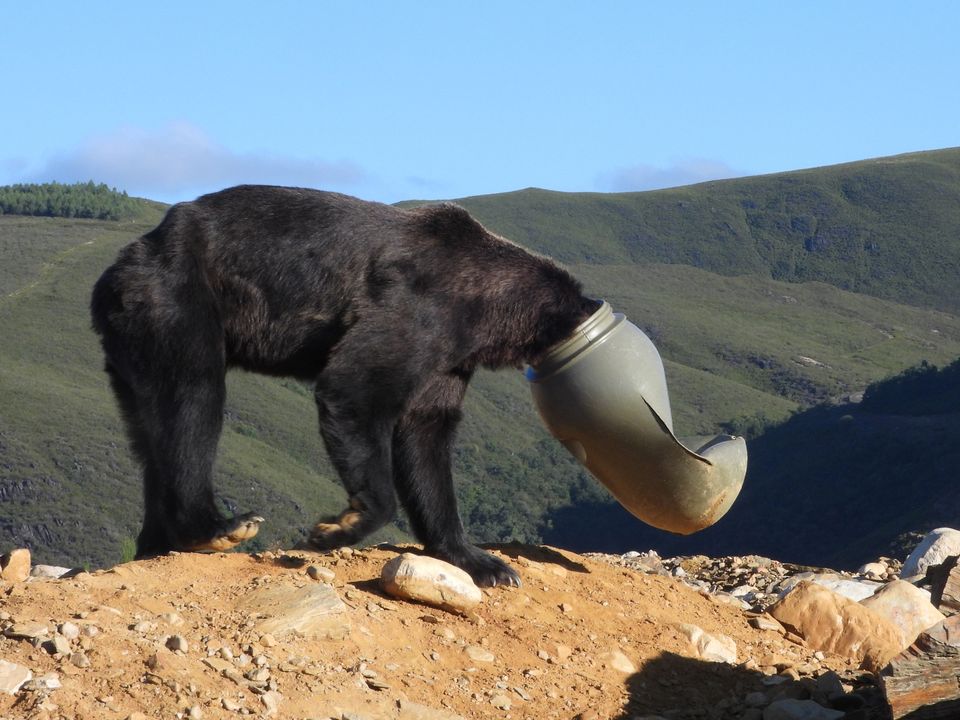
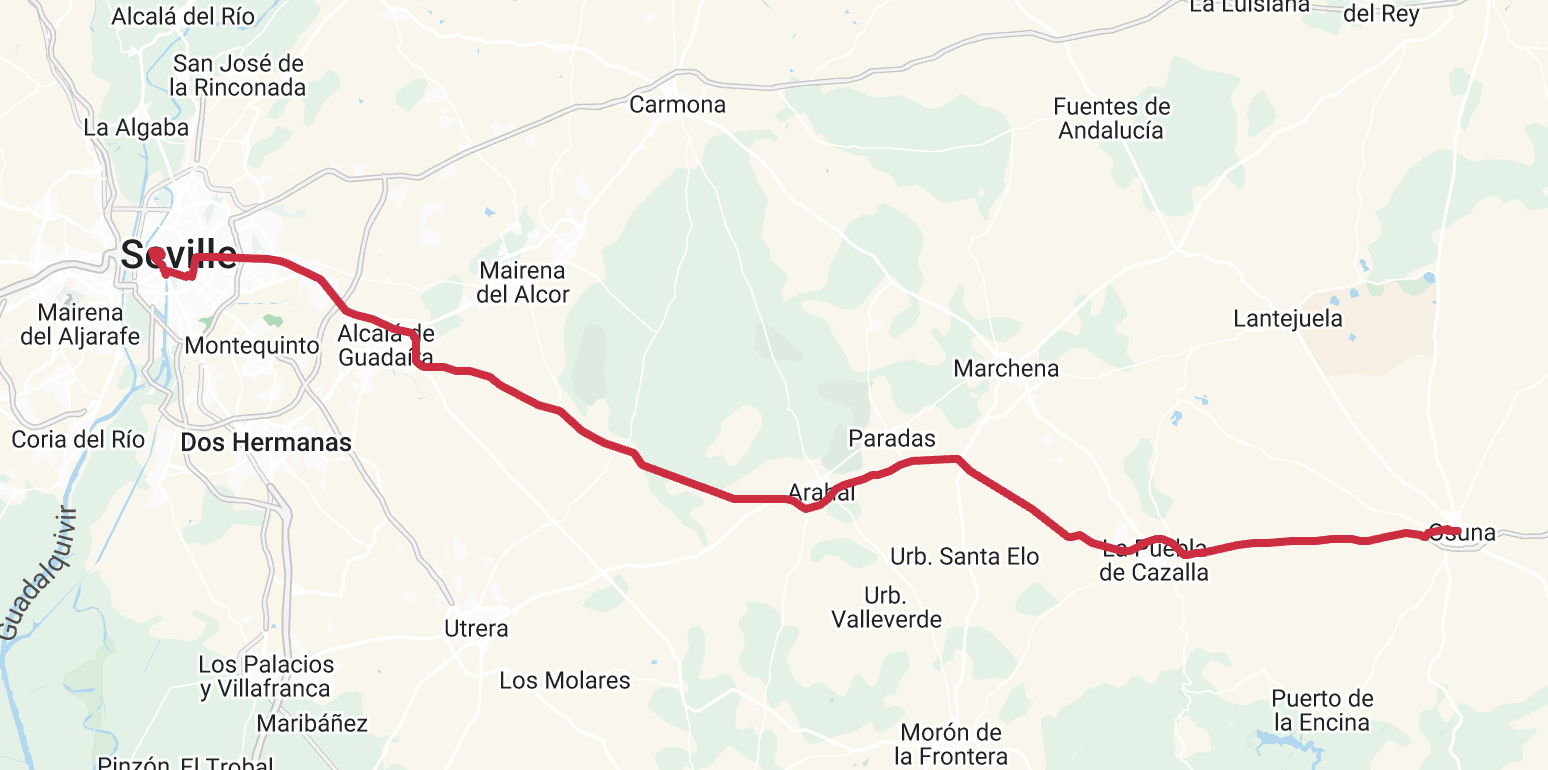
I decided to start with a small but mighty metropolis an hour from Seville: Osuna, named for the
osos
(bears) that once roamed the surrounding forests. Sadly, the trees were all felled long ago to build Spain’s legendary armada, and the bears, to which the Spanish nobility had exclusive hunting rights for centuries, have been teetering on the brink of extinction. Happily,
osos
now have protected status and show signs of making a comeback.
.
These days Osuna is pretty much bear-free, but it still has a lot to offer, thanks in large part to the lavish spending of one Juan Téllez-Girón. His grandfather had been given the town a century earlier (it’s how they said “thank you for your service” back in those days). When he inherited the title and the town in 1531, Juan decided to put Osuna on the map by attempting to create the largest and most dazzling display of Baroque excess ever seen. Did he succeed? Many believe he did.
Baroque’s breathtaking flamboyance, theoretically a reflection of the glory of God, was actually invented to lure Catholics back to the True Faith by eclipsing the sober message of the Protestant Reformation. You have to wonder what Jesus would have thought about all the lavish, gold-encrusted curlicues and plaster swags of the Baroque era. Or the grim severity of the Puritans, for that matter.
Today, Osuna remains a small town of 17,622 souls with an abundance of gorgeous old buildings. When I first Googled it, I learned UNESCO had named San Pedro street, home of Osuna’s ducal palace, the second most beautiful street in Europe. Then more recent articles revealed that — hold on to your hat! — a year ago UNESCO bumped Osuna’s San Pedro street up to the number one slot. Way to go, Osuna!
Naturally, I was agog to learn who had been displaced. Somewhere there was weeping, gnashing of teeth, and town officials berating one another. What had happened to tarnish the ousted street’s luster? Did a Starbucks sneak in when no one was looking? Had the mayor’s brother-in-law replaced the cobblestones with asphalt? Alas, I have been unable to discover any details; Wikipedia, Google, ChatGPT, and BARD all shrugged their metaphorical shoulders at my questions.
But enough of the past; I suspect what you really want to know is what today’s most beautiful street in Europe looks like.
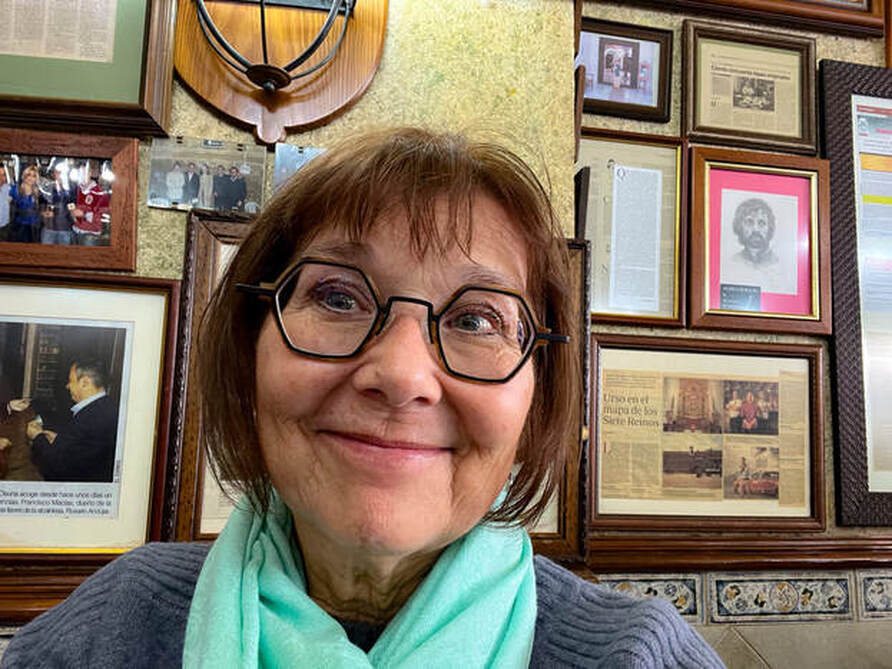
But Osuna is so much more than just a pretty street. In 2014, as a local newspaper headline put it, “Osuna Is on the Map of the Seven Kingdoms.” The wildly popular TV show
Game of Thrones
arrived to film a scene in the town’s oversized bullring, and everyone got caught up in the excitement.
The news they needed 550 extras was thrilling in a town with 37.5% unemployment, the worst in a nation ravaged by the 2008 recession. Who’d pass up a few extra euros — to say nothing of the bragging rights? “Word got out that the producers wanted ladies with dark hair,” recalled Osuna mayor Rosario Andújar Torrejón. “So some of the girls bought dye to color their hair while they waited in line.”
During the twenty days it took to film the
seventeen-minute gladiatorial fight in
Daznak’s Pit
(Season 5, Episode 9), Osuna was thronged with actors, crew, media, and fans. An American called Lyssie wrote about
sneaking into a cast party
with a friend. “The guard was Spanish and was keeping out anyone who didn’t look like they belonged, but no identification was necessary to enter. A plan was starting to form in our minds. What happens when two English-speakers walk confidently into a
Game Of Thrones
party like they belong there? The guard steps aside, no questions asked, and lets you into the private, open-bar birthday party of Emilia Clarke, aka Daenarys Stormborn.”
The party was held at Casa Curro, a traditional tapas bar that became a hangout for the cast and crew. Owner Teresa Jiménez, who knew nothing about the show, was encouraged by a friend to come up with dishes named for the characters; together they invented tapas such as the Khaleesi, a spinach and avocado salad with berries and honey. When Clarke arrived for her birthday celebration, Jiménez recalled, “We give her a Khaleesi tapa. She says, ‘Me? I’m a tapa?’ She liked it!” In the restaurant’s guest book, Clarke scrawled, “Thank you so much for such glorious food! Fit for a queen!”
So that’s where Rich and I ate lunch, sitting on the very barstools that had supported the hindquarters of the show’s stars. And Clarke was right; Casa Curro serves wonderful food. We tried three dishes: a tender grilled
alcachofa
(artichoke) topped with ham bits and a sliver of paté; delicate
rosada
, or pink fish, a more appetizing name than its original one, cusk-eel; and
secreto iberico
,
the “secret” Iberian ham cut taken from between the shoulder blade and loin. (These days it’s no more secret than Victoria’s Secret, but in olden times the cut was prized as rare).
Of course, our rapture over the food may have stemmed from the fact we’d worked up an appetite hiking all over town. Arriving on the early train, we’d walked to Calle San Pedro and toured the ducal palace, now the Hotel Palacio Marqués de La Gomera where the
Game of Thrones
cast stayed. We grabbed a second breakfast at the Café Tetuan, then headed uphill to the sixteenth-century university and the vast complex next door, Colegiata de Osuna, a convoluted network of 16th century chapels, churches, sacristies, and burial chambers.
Throughout the
Colegiata
, the official pamphlet explained cheerily, “the concept of death is omnipresent.” This is especially true in the crypt, where every day feels like Halloween, with skeletons dancing on doors, skulls watching you pass, and tombs lurking in the shadows. “All the Dukes laid to rest in Osuna are to be found in the sepulcher,” observed the pamphlet, “with the exception of the 12th Duke of Osuna, Mariano Tellez-Giréon, who inherited the title from his brother Pedro after he died from heatstroke chasing his lover’s carriage.” Pedro was 34 at the time of death, and it’s to be hoped that his short life was a merry one.
Having lunch in Osuna was an idea well worth stealing. And I expect it’s the first of many days Rich and I will spend exploring outlying towns within easy reach of Seville. It’s a good reminder that we don’t always have to jump on an airplane or travel long distances to find grand culinary and cultural adventures. There are countless cities, towns, and villages that are, like Osuna, an hour’s easy train or bus ride from home. Who knows? The best meal of your life may be right around the corner, just waiting for you to discover it.
STAY TUNED FOR MORE
OUT TO LUNCH
POSTS!
LEARN MORE ABOUT MY 2023
NUTTERS’ WORLD TOUR
AND THE GREAT
MEDITERRAEAN COMFORT FOOD TOUR
Now an award-winning Amazon best seller
WANT TO STAY IN THE LOOP?
If you haven’t already, take a moment to subscribe so you’ll receive notices when I publish my weekly posts.
Just send me an email and I’ll take it from there.
[email protected]
Be sure to check out my
best selling travel memoirs & guide books
here
.
PLANNING A TRIP
?
Enter any destination or topic, such as packing light or road food, in
the search box
below
. If I’ve written about it, you’ll find it.
Leave a Reply