
“I can’t believe I just did that,” a flustered stranger exclaimed to me, hurriedly pulling on a face mask in the supermarket. “I’ve been walking around this store for twenty-five minutes and forgot to put on my mask.”
“Well,” I began. “Occasionally we all…”
“And I’d just driven all the way home to fetch it, because I’d left it behind.”
“I do that,” Rich said.
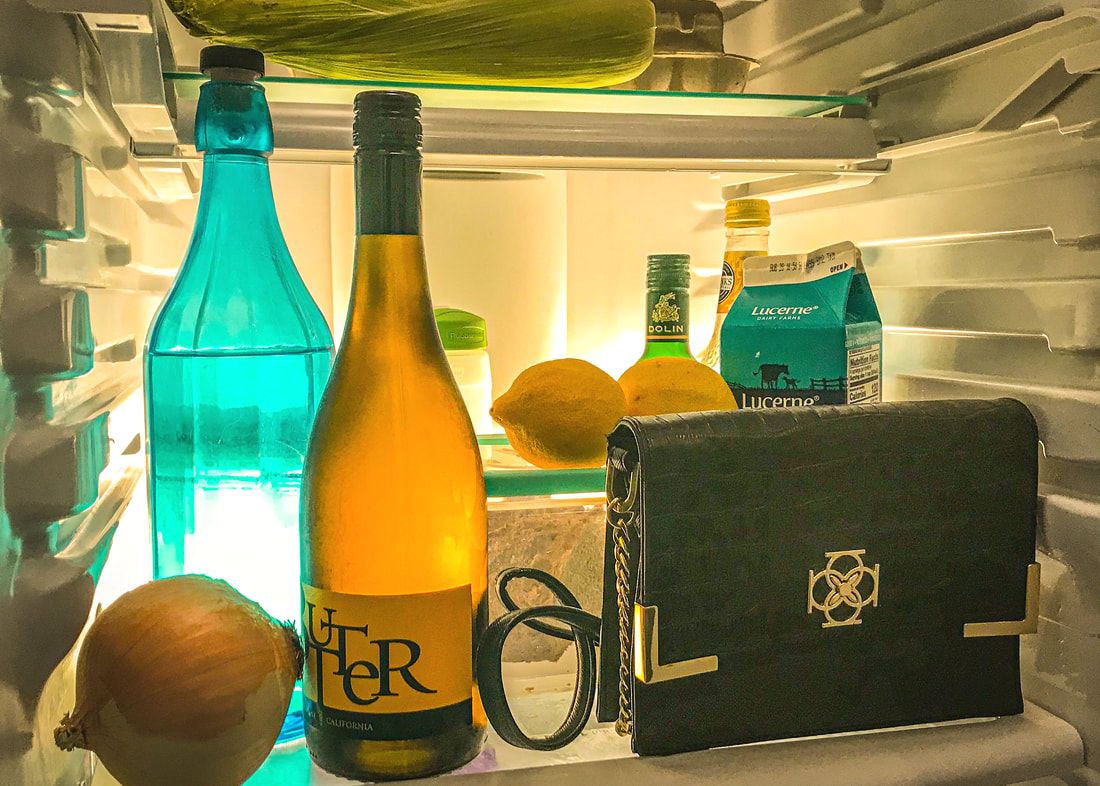
“Yeah? Well, you’ll never guess where I found my purse,” she said. “In the
refrigerator
.”
OK, I had to admit, that did take absentmindedness up a notch. But these days, being discombobulated is everybody’s default state. Months spent absorbing catastrophic news has left us all, at times, feeling that our brains have been scrambled, fried, and turned to mush. Obviously the still-out-of-control pandemic looms large in our anxiety landscape, but here in California (and plenty of other places) extreme weather conditions are adding fresh disruptions and distractions to the scene.
When unusually high temperatures hit the Bay Area on Thursday, it took about five minutes for air conditioners to overwhelm the grid. Officials sprang into action, organizing days of rolling blackouts. Now, even when we have power, internet connection is fragile, with frequent delays and long stoppages. We’ve lost phone service seven times. I can’t help drawing comparisons to last summer, the hottest on record in Europe, during which Rich and I traveled for 5,234 miles through 10 countries and never experienced a blackout or lost connectivity. It’s a sad state of affairs when California’s infrastructure can’t keep up with Albania’s.
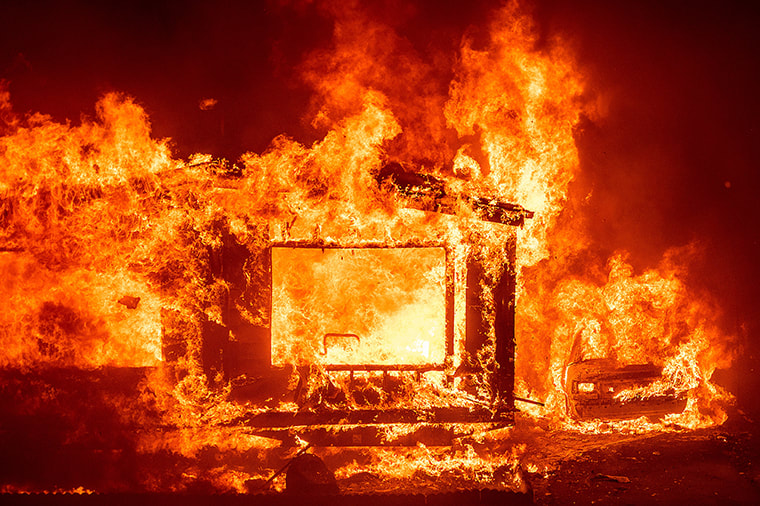
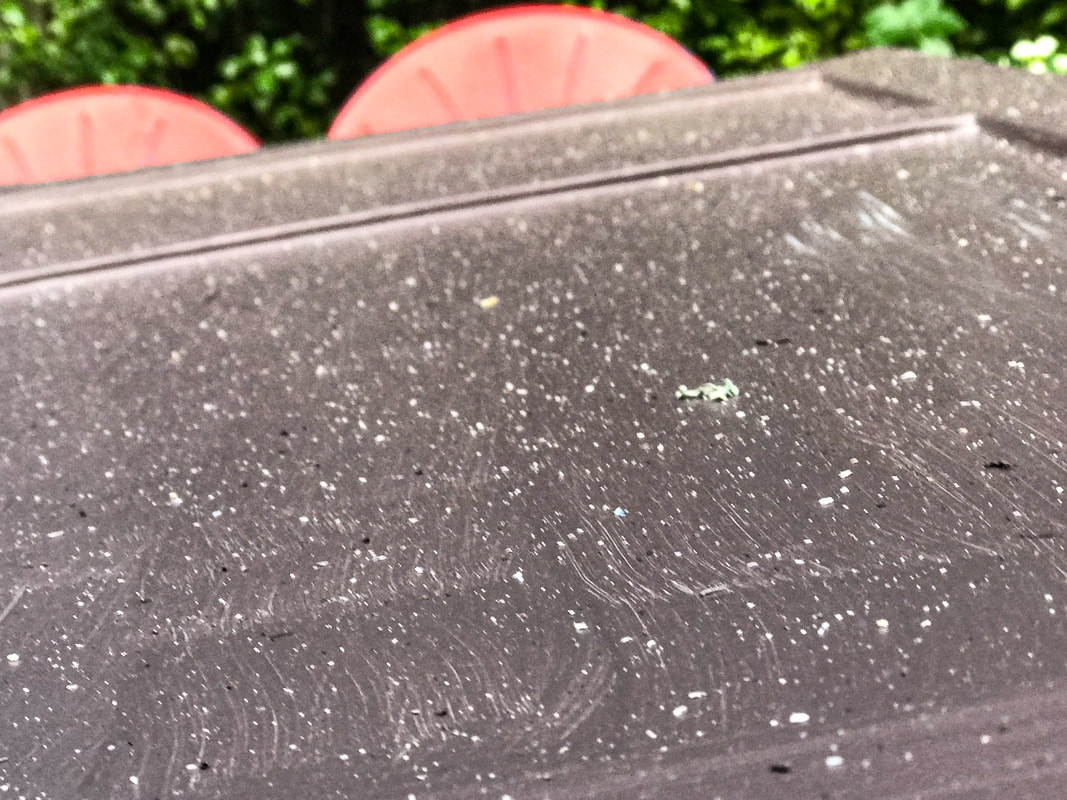
And now the fires are starting in earnest. In the last 24 hours some 10,849 lightning strikes have sparked 367 conflagrations in our area. Ash is drifting down in our garden, and officials warn we may be told to flee for our lives at a moment’s notice. Luckily our town, San Anselmo, is many miles from the action, so Rich and I aren’t likely to be evacuated. Which is good, because clearly they have no idea where to put us.
In past emergencies, everybody jammed together in some high school gymnasium with abundant air conditioning, Red Cross cots, and rehydrating sports drinks. But this summer’s socially distanced evacuation means driving to a parking lot and staying in our cars. In 103 degree heat. For an unspecified length of time. Using communal Porta Potties. Sound like fun?
“Do you ever feel like civilization is crumbing down around our ears?” I asked.
“We have to change the chip in our heads,” Rich said. “This is our life now, and it will be for months, maybe years. Possibly the rest of our lives. The question is, how are we going to get our arms around it? Figure out how to live? Get good at surviving catastrophes?”
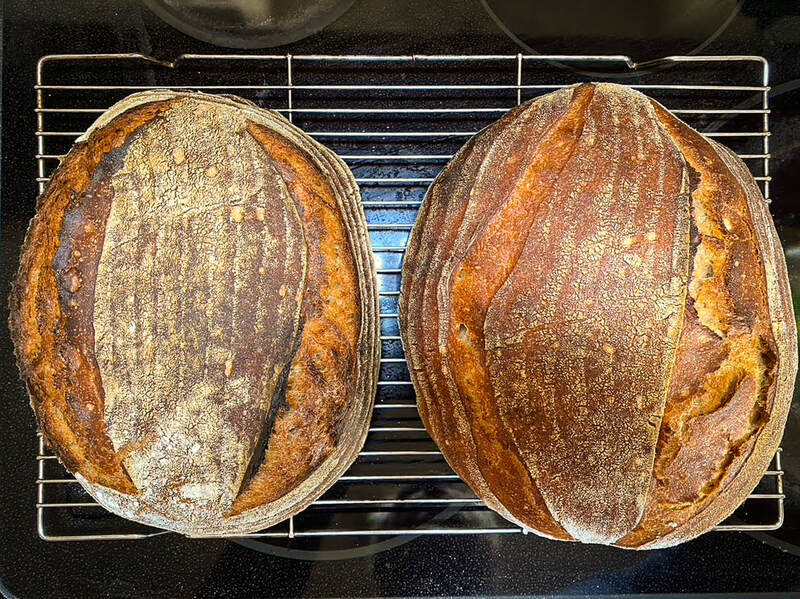
My survival strategies start with the small stuff: being meticulous about charging electronic devices, keeping the gas tank at least half full, and having a good audiobook on my laptop for evenings without electricity; listening is so relaxing I’m usually asleep by nine. Between outages, I rush around baking bread, doing laundry, and — starting soon — buying the emergency supplies we’ll store in the Apocalypse Chow food locker.
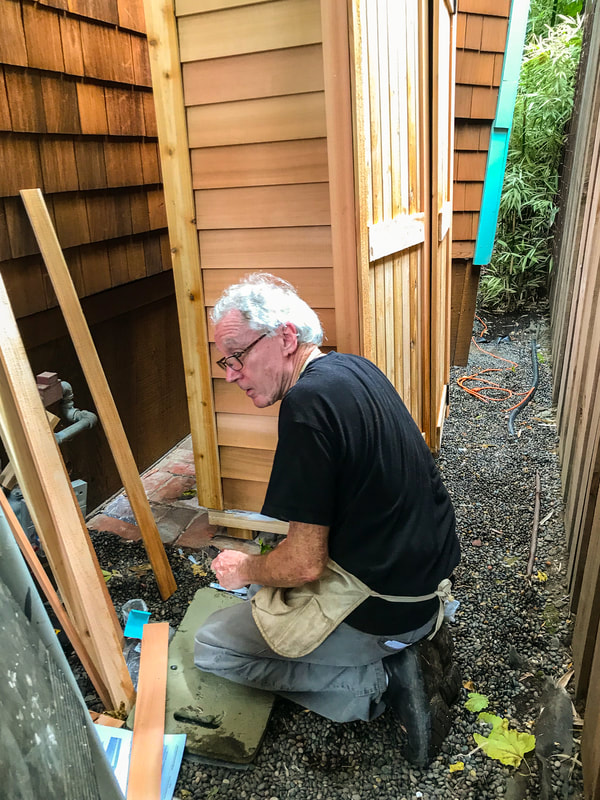
Rich has been laboring mightily all week to assemble this small “garden chalet” from a complicated mail-order kit. I’m pleased to report that, despite the crushing heat and multiple blackouts (the power grid’s, not Rich’s), he’s completed all thirty-nine assembly steps and, in a stunning breakthrough, even figured out where the leftover piece of wood was supposed to go.
But Rich isn’t resting on his laurels.
“We need to up our game,” he said, in the serious tone he uses to justify buying a new toy. “I think we should get a generator. A little one to keep the lights on, power a fan, and recharge our devices.”
“Will it keep the fridge going?” I asked hopefully.
“Probably not.”
As Rich plunged happily into researching generators, I investigated other
ways to keep food cold
. Here’s what I’ve learned.
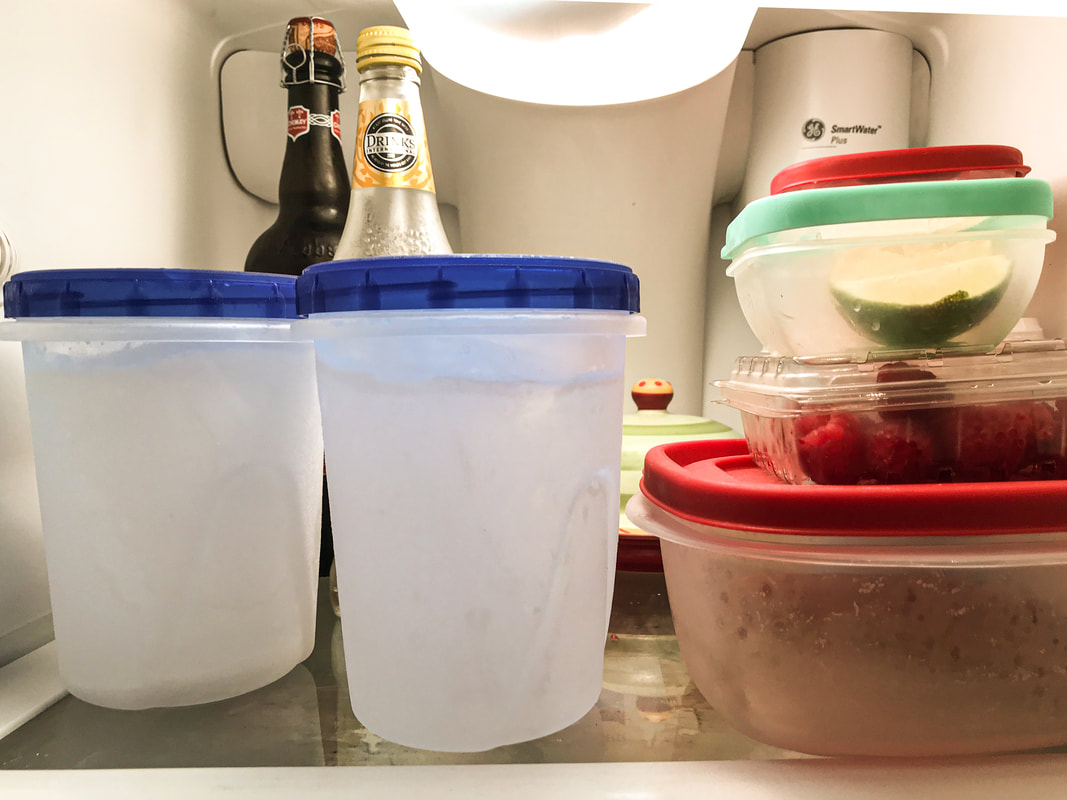
Without power, a refrigerator keeps food cold four to six hours. A friend told me that during last summer’s outages she put containers of ice in her fridge, rarely opened the door, and kept her food cold four days. So I filled plastic containers with water, put them in my freezer, and during outages I transfer some to my fridge.
I leave some ice containers in the freezer, because the fuller it is, the longer it stays cold: 48 hours if full, 24 hours when half full. Alternatively, the FDA recommends adding a 50 pound block of dry ice. Seriously? Do I want to manhandle a one-foot-square chunk of something that will burn my skin on contact? And can asphyxiate me if there’s not enough ventilation? I know this is true because I read a mystery where dry ice was the murder weapon. Just saying.
This morning I sealed three ice cubes into a plastic bag and put them in my freezer. “The canary in the coal mine,” I explained, when Rich eyed me askance. “During an outage, if the ice melts into a blob, we know the temperature rose above freezing.”
When power is restored, there’s a handy guide showing
how to determine what’s still edible
, what you should toss, and how to tell the difference. “After an outage,” it warns, “never taste food to determine its safety.” Well, duh!
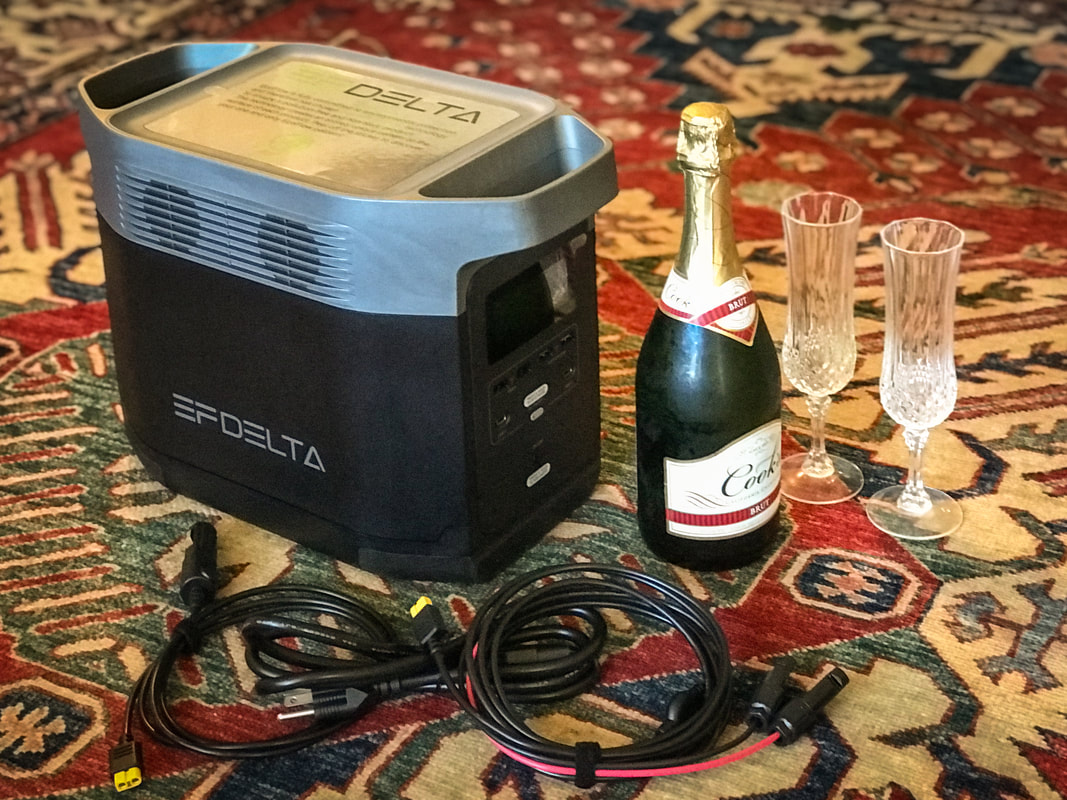
Meanwhile, Rich purchased his generator. “Look at this bad boy,” he said fondly. Naturally, the name stuck.
Bad Boy is solar powered, so he’s smaller and quieter than his gas cousin, can be used indoors, and eliminates the worry of storing flammable fuels during fire season. He can be re-energized via any electric socket, our new solar panels, or the car’s cigarette lighter (handy in evacuee parking lot scenarios).
Of all the survival strategies I’ve learned, the most useful is being helpful to one another. Last summer in Sarajevo, Bosnia, I talked to people about the 1990s when the city was surrounded by snipers in a siege that lasted 1,425 days. “That put a stop to everything you consider to be a normal life; there was only a struggle for survival,” recalled resident Haris Hadziselimovic. “No electricity, gas, food, water. You ate what you had and what you found.” With water lines destroyed and the river polluted, locals grew desperate for water. Salvation came from the local brewery, Sarajevska Pivara, built over a freshwater spring; they supplied the entire city with water, free of charge, for the duration.
Rich and I were lucky enough to be involved in something similar on a miniature scale when we lived in Ohio. During the Northeast Blackout of 2003, we used our home’s generator to pump water from our well, giving it to friends, neighbors, strangers. I’ll never forget how satisfying, even joyful it felt to hand a thirsty person a bucket of water. Today Rich, Bad Boy, and I are standing by to do whatever we can to be helpful in the days ahead. “Be kind whenever possible,” said the Dalai Lama, a man who knows something about hardship and chaos. “It is always possible.”
YOU MIGHT ALSO ENJOY
WHY WE’RE SO UNPRODUCTIVE RIGHT NOW
WHAT KEEPS US GOING?
TESTING THE KINDNESS OF STRANGERS
Get more survival tips, loony anecdotes & comfort recipes.
Follow my blog.
Check out my Facebook posts.
Try my Quarantine Comfort Cuisine recipes.
Leave a Reply