

If you’ve ever doubted the practical virtues of a siesta, consider Winston Churchill. He picked up the habit as a young officer stationed in Cuba and later relied on naps to sustain him during some of Britain’s darkest hours. “You must sleep sometime between lunch and dinner, and no half-way measures. Take off your clothes and get into bed. That’s what I always do,” he said in 1946. “When the war started, I had to sleep during the day because that was the only way I could cope with my responsibilities.”
Going abroad, we find ourselves collecting all sorts of things, from mosquito bites to regrettable refrigerator magnets, but most of all, we acquire fresh perspectives. Like Churchill, I’ve embraced the siesta. And I’ve discovered some lowering truths about American healthcare. My Spanish friends are justifiably proud of their medical system,
ranked number 7 by the World Health Organization
. “And we never worry about the cost,” my
amigos
always point out. “There’s zero risk of medical bankruptcy.” The USA, which spends more per capita on health care than any other nation, occupies an embarrassingly low 37th position — worse than Greece, Morocco, the Dominican Republic, and dozens of others. Yikes! How did that happen?
Sometimes travel involves facing uncomfortable truths. Visiting places where atrocities have been perpetrated — former Soviet prisons, Auschwitz, the site of the
Tuzla massacre
in Bosnia and Herzegovina — has made sure I’ll never underestimate the way communal hatred can cause
ordinary people to commit acts of unspeakable cruelty
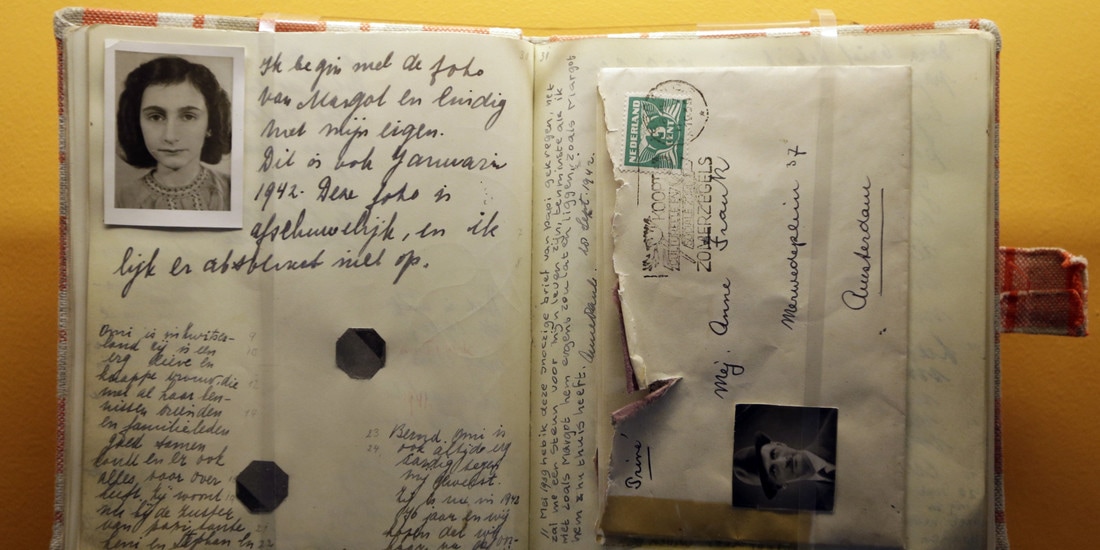
. Standing in Anne Frank’s hiding place in Amsterdam, it’s impossible not to think of her words, “Despite everything, I believe people are really good at heart” and ask yourself if you believe that’s true.
On balance, I find that I do. Not only because I am a die-hard optimist, but because I’ve visited many places where good
has
vanquished evil, and freedom
has
replaced tyranny. I’ve talked with people who used non-violent means to overthrow totalitarian regimes —
the Singing Revolution
in the Baltics,
the Velvet Revolution
in what was then Czechoslovakia,
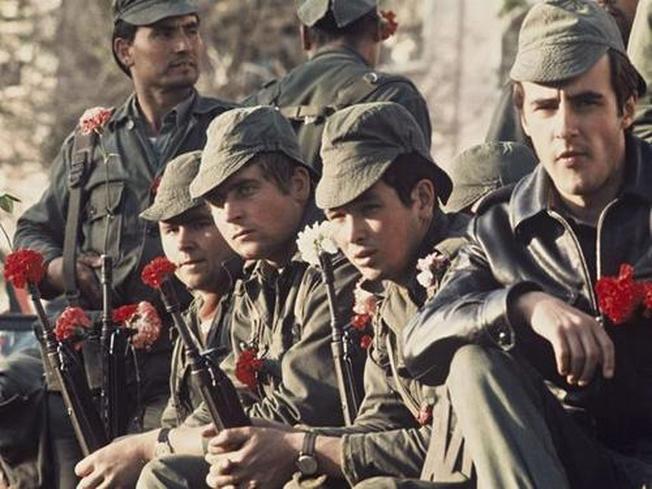
the Carnation Revolution
in Portugal. I’ve learned determined citizens can accomplish amazing things against seemingly overwhelming odds.
An American president’s first 100 days are viewed as setting the tone. This one’s like a Halloween haunted house — full of endless nasty surprises that make you want to run screaming into the night. But there’s plenty to celebrate, too. Despite the all-out efforts of the most powerful political organization on Earth, there is no Muslim ban, Obamacare has not been repealed or replaced, and lawmakers are refusing to consider tax reforms until the president shows his tax returns. The Russian scandal keeps getting juicier. Bill O’Reilly is off the air, Steve Bannon is marginalized, and Barak Obama is back in action.
Resistance forces have gathered strength and momentum. Our rag-tag army of the outraged, like the embattled farmers who took their stand at Lexington and Concord in 1775, is being heard around the world.
How many Resisters are there? No one knows. When the
Indivisibles Guide
to tactical grassroots organizing went online, demand was so high the website crashed within hours. Today 1.5 million copies have been downloaded, and there are 5,300 Indivisible groups involving 200,000 citizens. This month, when Harvard grad students launched the
Resistance School
, the first session drew 20,000 viewers in 6000 groups from 50 states and 20 countries. Often compared to Dumbledore’s Army in the Harry Potter books, Resistance School shows us how to develop the practical skills and inner strength we’ll need to prevail against a seemingly unbeatable adversary.
These kinds of online resources are great for us expats. We sometimes worry we’re missing out on the action because we can’t march on Washington, canvass neighborhoods, or voice concerns at Town Hall meetings. But if living abroad has taught us anything, it’s how to use the Internet effectively.
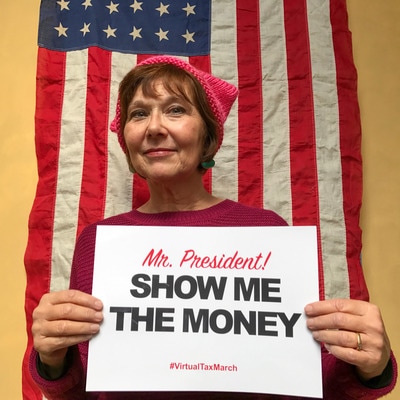
A few weeks ago, I blogged about the
#VirtualTaxMarch
, which my little group,
American Resistance Sevilla
, launched in solidarity with the Tax Day protests. We reached out via social media, and American voters around the world responded, tweeting and posting photos with our slogan, “Show me the money.”
On Day 2 of the new administration, the Women’s March mobilized 4,814,000 people around the world. Since then we’ve held many successful protests, including the Tax March, the Science March, and Town Hall showdowns. This Saturday, on Day 100, the Climate March is projected to draw 100,000 to Washington and countless more to 200 sister marches.
To steal from Churchill, “This is not the end. It is not even the beginning of the end. But it is, perhaps, the end of the beginning.” We’ve survived 100 days, gathered strength at home and abroad, and figured out how to move forward with serious purpose and savvy tactics. This administration has 1360 days left, giving us 1360 opportunities to show what we can accomplish. No one can predict what lies ahead, but we can be sure it will involve hard work — and a
lot
of siestas.
YOU MIGHT ALSO ENJOY
GROUND ZERO OF THE #VIRTUALTAXMARCH
WHY WE STILL NEED A FREE PRESS
WHAT DO EXPATS MEAN BY “HOME”?
Subscribe to my blog here
See my books on Amazon
Leave a Reply