

“The best thing I learned from our travels,” Rich remarked over Sunday lunch, “was how to live with uncertainty.”
Even the most carefully planned journey holds some suspense, if only about the weather and the sheer happenstance of daily living. One January in our corporate days, Rich and I took the chairman of the board and his wife on a business trip to a luxury hotel, certain they’d love it. The heating system in their room went on the fritz, so they passed the night in shivering misery and, no doubt, cursing our names.
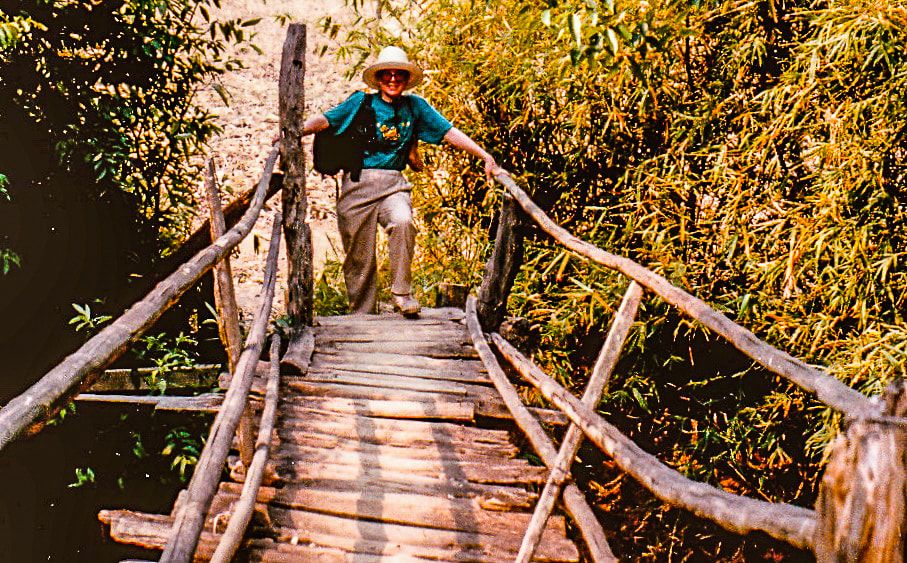
It was even chillier in the hostel where Rich and I stayed during
our visit to Veliko Tarnovo, high in the Bulgarian mountains
, in the autumn of 2013. But we loved every minute of it. When you pay $28 a night, you don’t expect much. And yes, our private room had a notable lack of scattered rose petals, chocolates on the pillow, hand towels folded to look like swans — or, for that matter, heat. But the dining hall was toasty warm all day, and the communal breakfasts and dinners offered riveting conversations that Rich and I still talk about to this day.
My point is that expectations shape how we view all experiences. As Americans, we’re brought up with the unspoken but pervasive belief that if we do everything right we can plant our feet on solid ground and count on a life that’s perfectly secure, permanently comfortable, and filled with our fair share of pleasures. That’s always been a pipe dream. “Our lives are written in disappearing ink,” said author
Michelle Cliff
. The pandemic has made that obvious in ways we can’t ignore. Never have so many been so uncertain about so much for so long.
If we’ve got any hope of maintaining our sanity through all this, we need to find a way to embrace uncertainty. And the best way to do that, the Buddhists suggest, is to think less about the past and future, and focus on the present moment.
Now, you may be thinking: “But the present moment is so boring!” Which brings us to the second thing travel can teach us: how to cope with boredom.
The concept of boredom is a modern invention, arising when the Industrial Revolution and train schedules suddenly required everyone to live by the clock. Identifying work hours created the idea of spare time — and pressure to maximize it before the next shift started. Australian anthropologist Yasmine Musharbash, who studies boredom in indigenous populations, says, “Traditionally, and by that, I mean pre-colonization, there would not have been such a thing as boredom.
Boredom is when you rub up against time
. That just would not have happened before. Because of colonization and how the day is structured — school bells, work times — time becomes a straitjacket.” In Western society, she says, it starts when we’re babies. “Bedtime trains us for work and makes us good workers. We learn that certain things need to be done at certain times. It is a pretty brutal lesson, but it is a way of accepting that time is the boss of you.”
One of the hardest adjustments of the pandemic is losing the structure that has ruled our daily lives since infancy. For some, time seems to stretch out in a seamless eternity of sameness. Others are caught up in the frenzy of working from home while overseeing the kids’ online studies and doing the astonishing amount of cooking required to put three meals on the table seven days a week. Circumstances vary, but we’ve all lost the familiar routines that once governed our days. Much as we do when we travel.
While relaxing the timetable can bring a sense of freedom, I’ve learned completely unstructured days leave me feeling adrift. On the road and at home, Rich and I establish routines that give rhythm to our day. We set aside hours for working online: doing research, keeping up with emails, and (in my case) writing my blog posts. During this time, we give each other plenty of psychological space. Even when working elbow-to-elbow at the kitchen table of a tiny Airbnb, we rarely interrupt each other, knowing that having some private headspace is vital to our sanity.
It takes a lot for one of us to violate this code. One of the few times it’s happened, during a long-ago emergency in Ohio, I didn’t respond well. I should have known Rich would have a good reason for bursting into my office, but I didn’t even look up from the screen as I snapped, “I don’t care if the house is on fire. I have to finish this.”
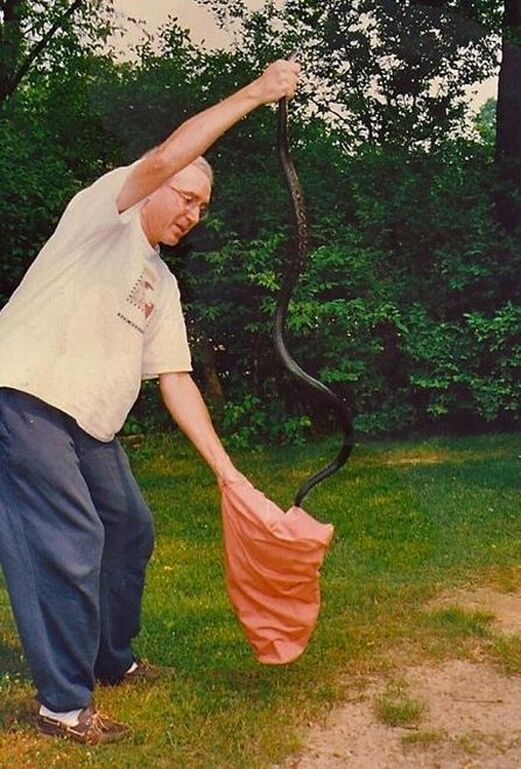
“Okay,” he said. “I just thought you might want to know there’s a six-foot snake on our bed.”
In the pandemonium that followed, the snake slithered into a heating vent, and eventually a policeman helped Rich grab the wily reptile and stuff it into a pillow case. As Rich and I drove off to release it into the wild, the pillow case started to move. I thought Rich was jiggling it in jest. Then the snake’s head shot up out of the opening, and it began biting him on the hand — so hard its fangs snapped off. Luckily it was just a harmless black rat snake. We kept the fangs in a glass jar for years to impress the neighborhood kids.
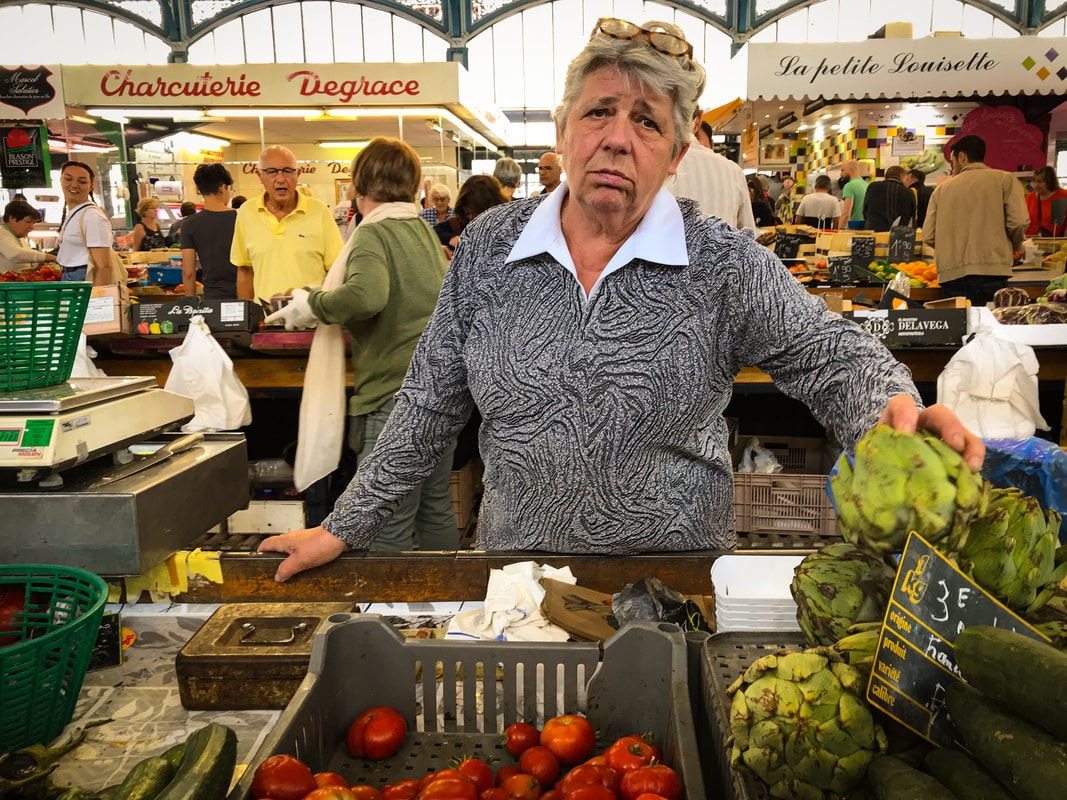
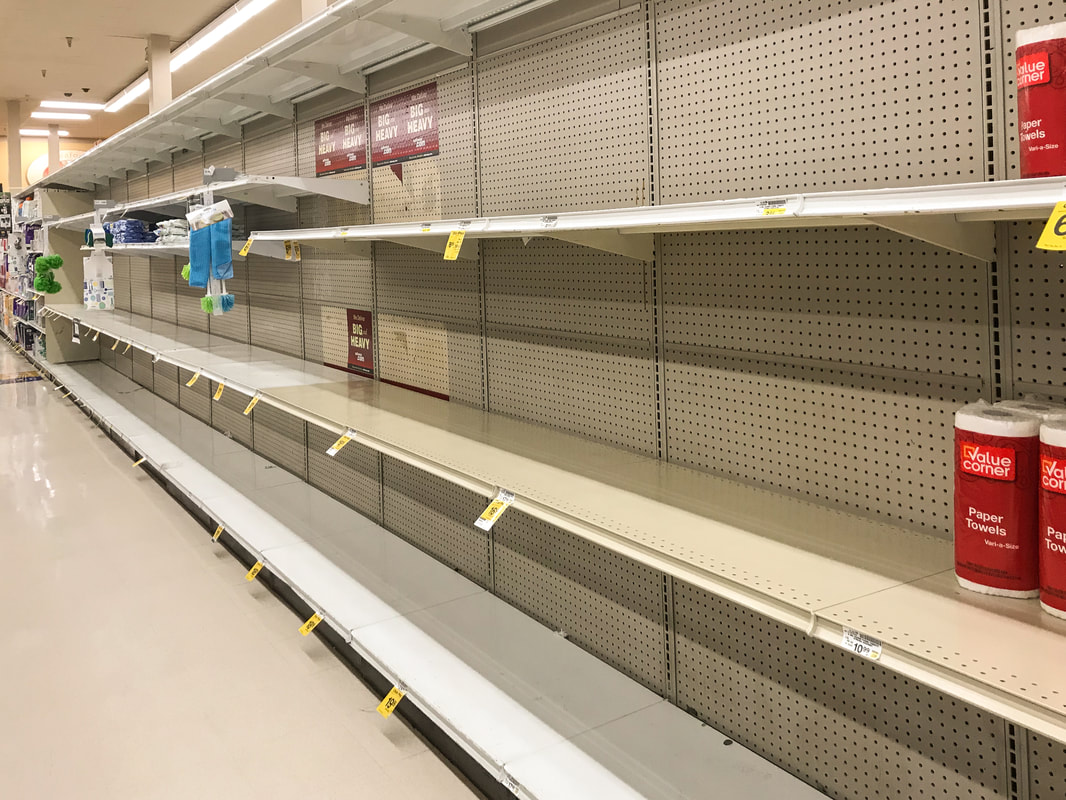
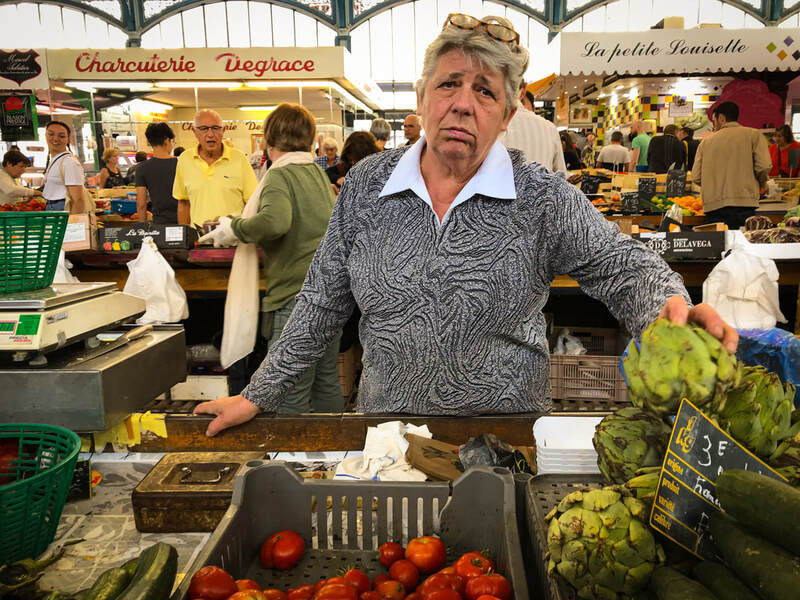
OK, I know I must have had some reason for telling the snake story . . . Oh yes, coping strategies. Living in the present moment helps, as does establishing some kind of routine. My third suggestion is about acceptance. Take shortages, for instance. My supermarket is often completely out of toilet paper, no longer carries my favorite crackers, and sells only canned artichoke hearts too fibrous to chew. Small annoyances, I agree, but still.
Big chain stores and online shopping have trained us to expect a vast array of options at low prices with a money-back guarantee. Traveling abroad, I’ve learned to choose from among a few off-brand products that are only very approximately what I want. The silver lining?
Having fewer choices actually makes us happier,
according to research by psychologist Barry Schwartz. Constantly seeking maximum satisfaction can turn people into discontented perfectionists, while those who accept the first available option that meets their criteria tend to be happier with their purchase. As disconcerting as it is to see near-empty shelves, snapping up one of three remaining rolls of paper towels is positively thrilling.
We’re all struggling to reconstruct our disrupted lives while wondering about the future. Whenever I contemplate the long term effects of the pandemic, I remember a Buddhist lecturer who said that when the Dalai Lama was asked about the legacy of the French Revolution. he replied, “Oh, it’s much too soon to say.” Yes, we live in an age of profound uncertainty with unknown consequences. But then, doesn’t everyone?
This post is part of my ongoing series of articles on surviving the pandemic, if possible with some of our sanity and sense of humor intact. Each week I provide tips, strategies, and reasons for hope.
Sign up HERE to get free stories in your inbox each week.
Feel free to share
Three Ways Travel Prepares Us for Pandemic Survival
with family and friends.
https://www.enjoylivingabroad.com/my-blog/three-ways-travel-prepares-us-for-pandemic-suvival
YOU MIGHT ALSO ENJOY
THE FULL SNAKE STORY IN MY BOOK DANCING IN THE FOUNTAIN
FLESHPOTS & FLOPHOUSES OF BULGARIA
DAZED & CONFUSED IN DIJON, FRANCE
Leave a Reply