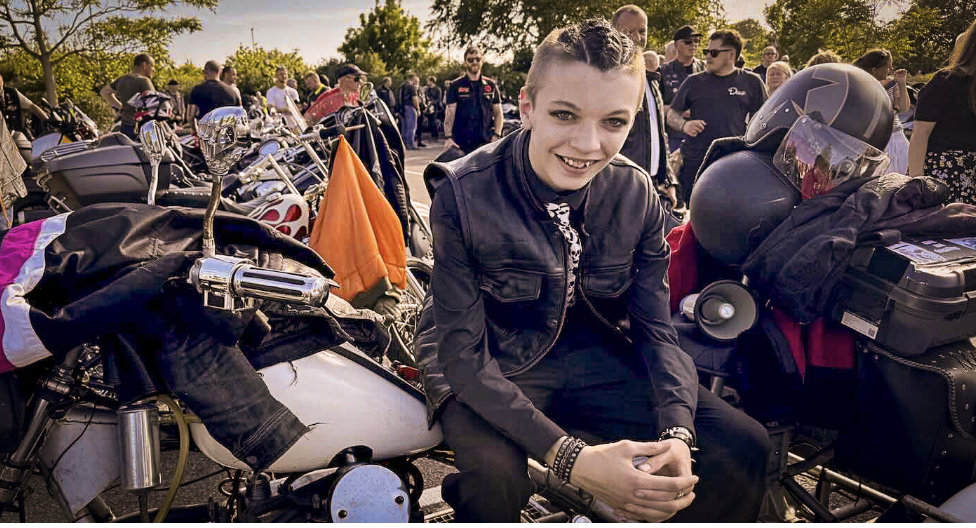
It’s never easy being different, especially in high school. Just ask the much-bullied Josh Duff, a neurodivergent free-thinker who was dreading his upcoming prom, which he planned to attend alone, in an outfit sewn by his mom. Then his dad reached out to some pals he rode motorcycles with, and the response was astonishing. On prom night, 1500 bikers showed up to escort young Josh to the dance; it was the social highlight of the year, possibly the century, in the town of Swindon, UK.
“It’s insane, I’m still in shock,” a grinning Josh told reporters. “I used to say I felt alone, but I don’t feel that way anymore.” Thanks to his new friends and his moment in the spotlight, Josh isn’t too worried now about being mistreated by teen bullies.

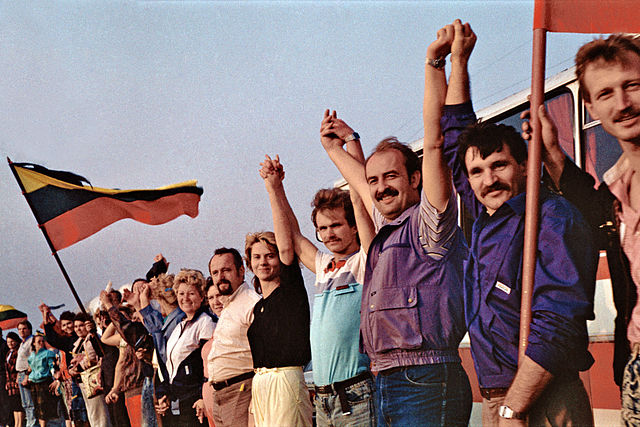
It was cooperation that enabled our relatively small, weak, inadequately clawed and fanged species to survive for the last 300,000 years and eventually dominate the planet. Communal effort is in our DNA. Look at Amish barn raisings. Dunkirk. The Baltic States’ 1989 Singing Revolution. Not familiar with that one? It started with singing forbidden national songs and led to two million people — one quarter of the populations of Estonia, Latvia, and Lithuania — joining hands in a 420-mile human chain of protest spanning all three countries.
What did it accomplish? It helped topple the USSR.
Now, during equally tumultuous times in our own nation, people keep asking me what we can do to keep hope alive and stand up against bullying and brutality. Until somebody organizes a 3000-mile coast-to-coast human chain of protest — and if that happens I will be the first to sign up! — we can start by looking at more modest opportunities closer to home.
Think the little stuff doesn’t matter? It turns out that moral activism — small, unglamorous, everyday good deeds — lays the necessary groundwork for widespread cooperation that leads to massive change. Luckily, opportunities for doing good deeds are lurking all around us, just waiting for us to notice and embrace them.
I’ve been writing a lot lately about people helping immigrant families, training guide dogs for the blind, finding words of comfort on the darkest days. And national sites such as Volunteer Match can put us in touch with thousands more opportunities, from school cafeterias to disaster relief centers.
For me, it often starts with whatever headline is making me craziest at the moment. Right now I’m reeling from the announcement that the federal government has cut a billion dollars in funding for school lunches, meals in childcare centers, and food banks that supplement the diets of the working poor, seniors on fixed incomes, and the destitute. With all the other federal funding that’s drying up, it’s unlikely states will be able to make up the shortfall.
Feeling that I needed to offset that disturbing news with a feel-good moment among everyday heroes, on Thursday I went to Marin Community Clinics, the free medical center in nearby Novato, during their weekly grocery giveaway.
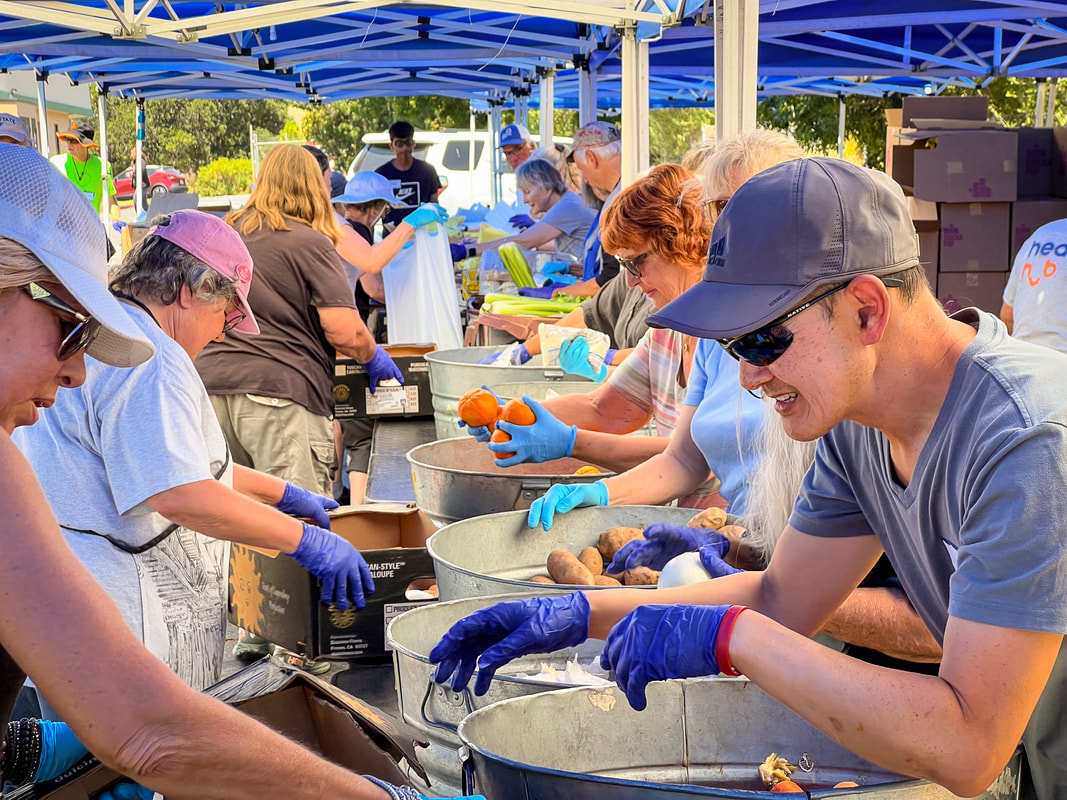
A long line of tables was set up under tents outside the clinic doors. Volunteers were rushing about, re-organizing bulk food into family-sized boxes and bags, making sure each one contained fruit, vegetables, protein (such as fresh eggs or canned tuna), a bag of popcorn for fun, and recipes developed by clinic nutritionists for combining that week’s ingredients into wholesome meals. After an hour of furious activity, the boxes and bags were lined up, ready to distribute, and the walk-up and drive-through lines opened.
“Each family gets about $100 to $150 worth of food,” explained Biby, who organizes three weekly food distributions at the free clinics in Novato and San Rafael. “Hold on just a minute—” And she was gone, sorting out some urgent paperwork.
Moments later she was back, bringing with her a kind-eyed, mustachioed gentleman. “Let me introduce you to Misael, one of the three staff members including me. Volunteers? We have about 30 here in Novato. The families? There are about 300 each week. They don’t have work, or they are working but it’s not enough, and they need food.”
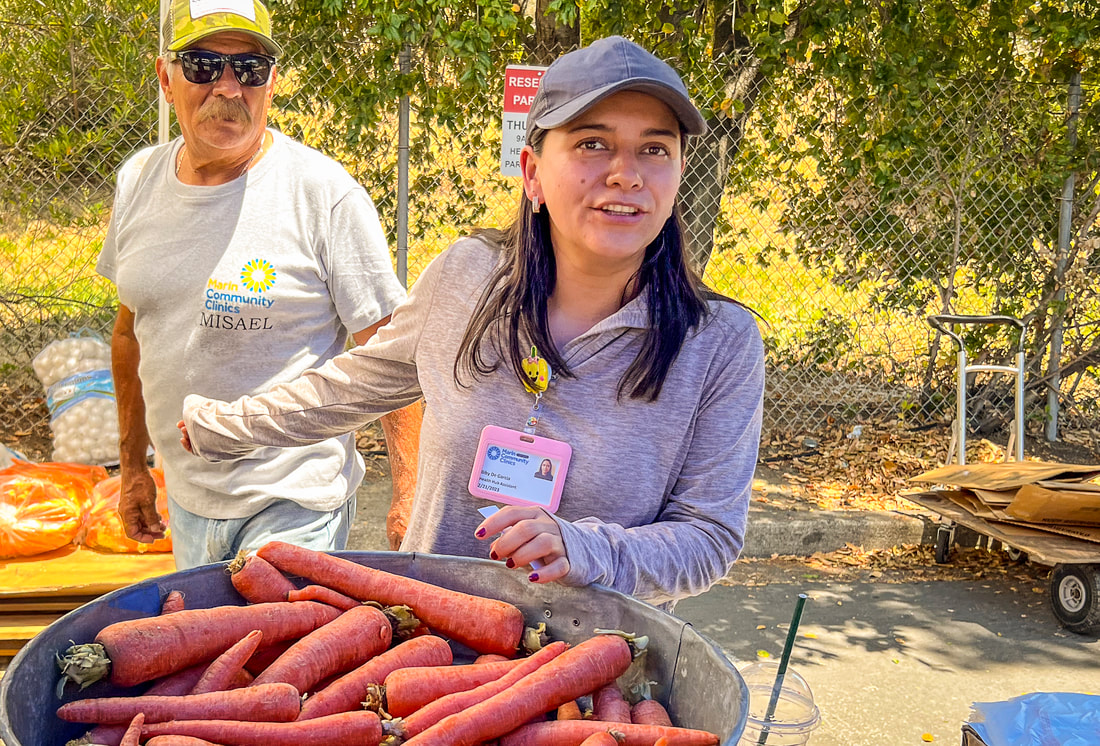
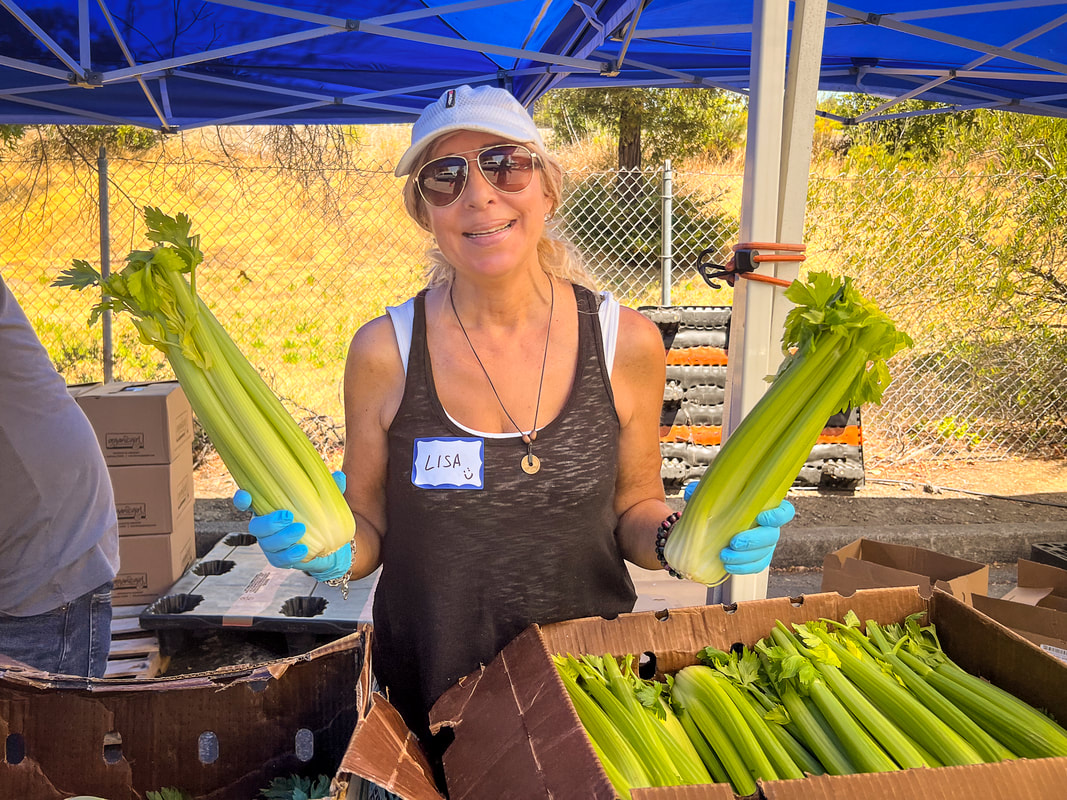
As I wandered around, trying not to impede the rapid deployment of carrots and potatoes, I bumped into Lisa, a volunteer I’d worked with at the San Rafael food distribution center.
“Biby and Misael are wonderful,” she told me. “And it feels great to be part of this community. I’ve made a wonderful group of friends here. We get different people that come in here for community service work, that come and go, but we have our stable group of people. They can count on us, each week, rain or shine; we’ve been out here when the tents are tipping over. You feel like you’re giving back. And that makes me personally feel good.”
A lot of people call this kind of giving back “paying it forward,” spreading good karma around, helping create the kind of world that we can count on to step up for us if we’re ever the ones in need. Because let’s face it, between government cuts, rising prices, robots eyeballing all our jobs, and the chaotic global economy, who isn’t a pink slip away from needing free groceries or some other assistance from the Universe?
“The most important thing I can add from my own observations is this,” wrote Catherine Ryan Hyde, author of Pay It Forward, the novel in which a young boy’s Pay It Forward school project became a life-changing movement. “Knowing it started from unremarkable circumstances should be a comfort to us all. Because it proves that you don’t need much to change the entire world for the better. You can start with the most ordinary ingredients. You can start with the world you’ve got.”
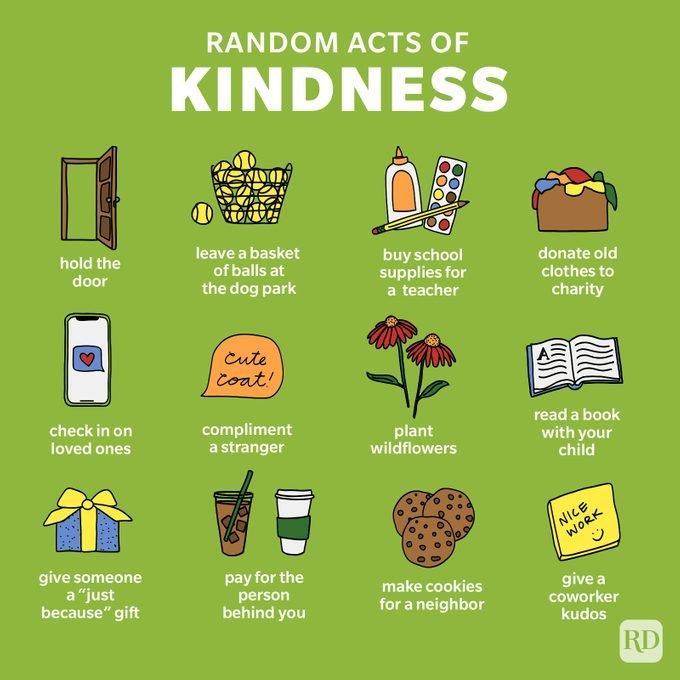
Each of those 1500 bikers did a single, small favor for one teenage boy and changed his entire world. Josh has now successfully finished his exams and wants to become a pediatric therapist, so he can help other neurodivergent kids navigate their future more successfully. Perhaps in doing so he’ll help more neurotypicals appreciate how much we need people around who don’t think precisely the way we do.
“What would happen if the autism gene was eliminated from the gene pool?” asked scientist and autism spokesperson Dr. Temple Grandin. “You would have a bunch of people standing around in a cave, chatting and socializing and not getting anything done.”
I’m not sure I agree 100% — I suspect sooner or later somebody would have experimented with fire’s interesting possibilities, invented the wheel, and launched the whole mad enterprise of human civilization. But she has a point. Survival has always been a communal endeavor, requiring all of us to pitch in with whatever ideas we’ve got, however oddball they may seem. “Celebrate weirdness and innovation,” said Anthony Bourdain. “Oddballs should be cherished.” And not just on prom night, but every single day of the year.
Leave a Reply