





“How can this even be legal?” I was staring aghast at the squishy tube in my hands. I had searched every meat counter, deli section, and cold case to find what was apparently the only soft chorizo sold in this vast supermarket. My triumph at the discovery soon plummeted into dismay as I began reading the ingredients. “This contains pork salivary glands and lymph nodes.” I turned to Rich. “I can’t serve my guests stuff like that.”
“You should stop reading labels,” he said.
“But—”
“We need chorizo for the paella.” He took the tube out of my hands and tossed it into the cart. “It’ll be fine.”
He had a point. Pretty much anyone who’s eaten hot dogs, sausage, or chorizo has consumed various unspeakable parts of the pig, and it was just a quirk of stricter labeling laws that I could no longer maintain my blissful ignorance. I had a brief tussle with my conscience about whether I should reveal the unnerving truth to my guests but was forced to conclude they were better off not knowing. Especially as I was going to have to put them on high alert about the newly discovered health hazards of my drinking water.
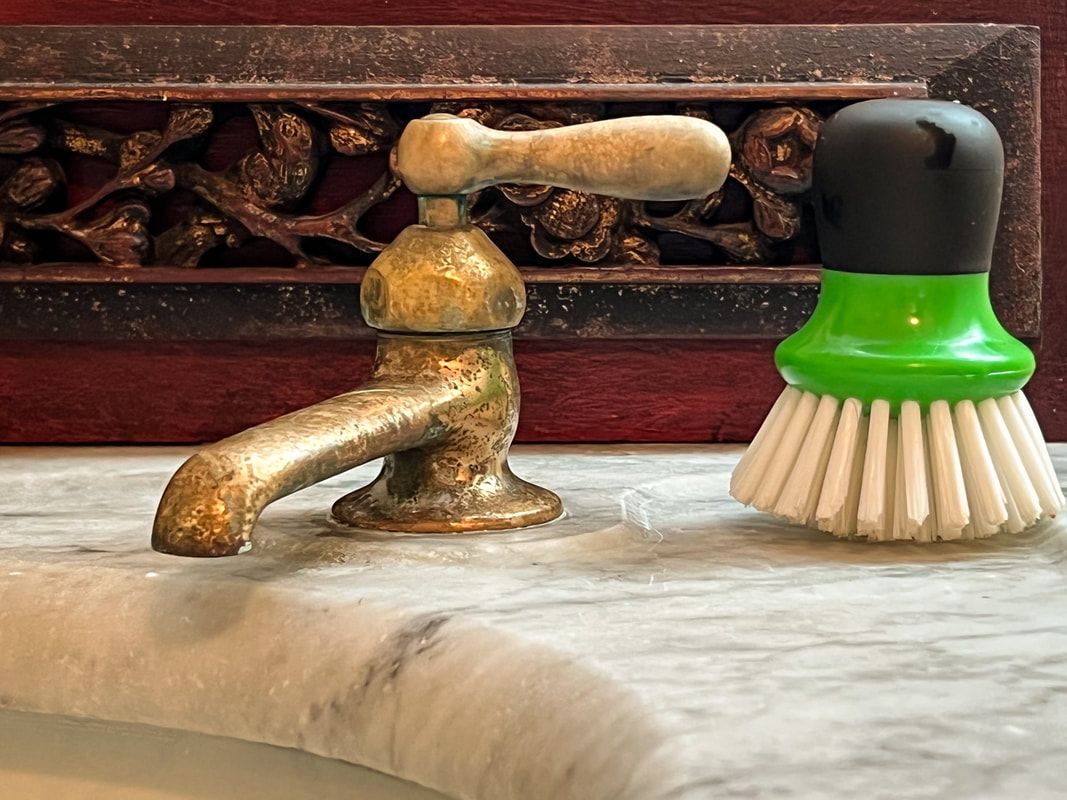
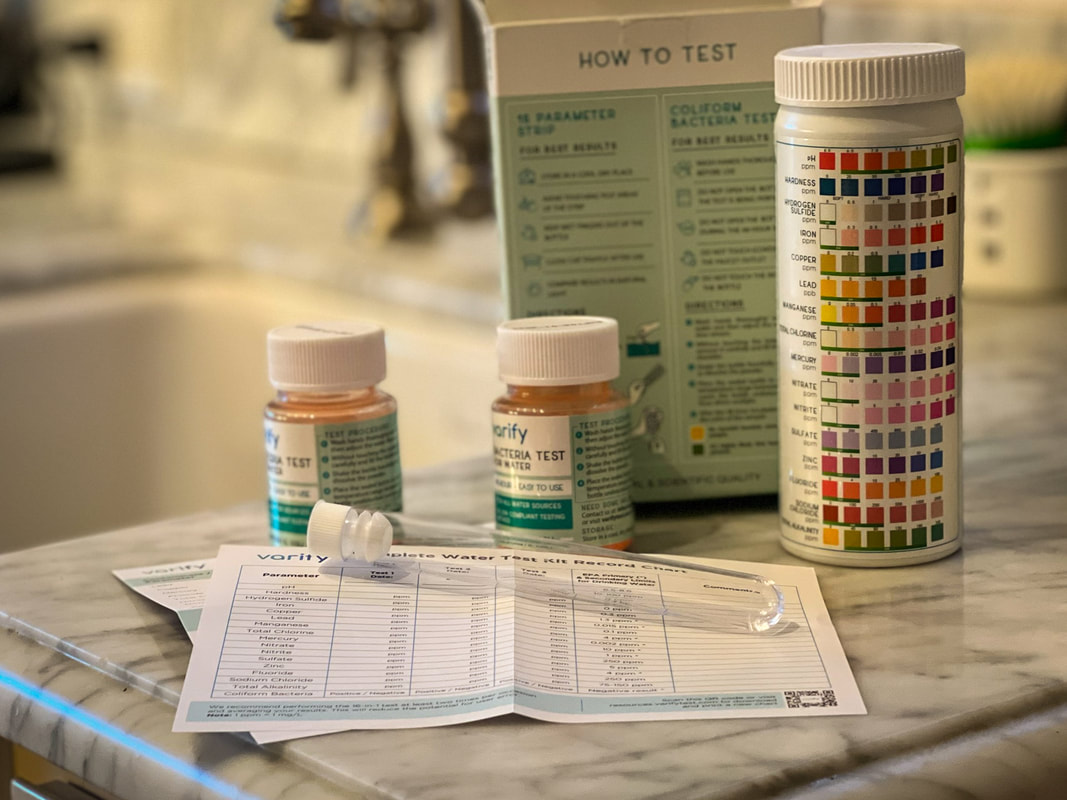
The night before, I’d discovered that my faucets were leaking a foul black sludge. This being the weekend, professional help was unavailable, so I bought a water testing kit, stocked up on bottled water and hand sanitizer, and consulted Google to find out what I might be up against.
I learned that most likely the sludge started with a mineral called manganese, which is not hazardous; in fact, it helps our bodies form connective tissue, bones, and sex hormones. So far so good. However, if this theory proves correct, the thick black sludge isn’t the manganese itself, it’s the masses of bacteria that gather to feast on manganese. Several articles blithely assured me these bacteria were “harmless.”
Then I learned these bacteria were only formally identified in 2020. “The bacteria,
tentatively christened
Candidatus
Manganitrophus nodulliformans and
Ramlicbacter lithotrophicus
, can borrow electrons from metals like manganese and use them as fuel for growth,” reported
Science
magazine. I find this less than totally reassuring. These little critters are so new scientists haven’t even settled on names yet, so I’m wondering how they can be so sure they’re safe for human consumption. Historically, scientists have praised the beneficial effects of mercury, tobacco, bloodletting, tapeworms, cocaine, electroshock therapy, and lobotomies. Frankly, I’d like a second opinion about my manganese-eating bacteria.
Perhaps more worryingly, the test kit revealed the level of manganese in my water is (drum roll, please) absolute zero. Is this because our bacteria have consumed it all? Are they now looking around for something else to devour? Dimly remembered highlights from The Blob and the bathtub scene from Ghostbusters II began oozing through my brain.
Ah, the joys of home ownership.
I do love my cottage, which was built in 1900 on a small plot of land, providing endless puttering and repair projects, plus just enough gardening to keep Rich’s thumb green. This is where we live during the six months a year we’re in California (the other six we’re in Spain) and every once in a while we sit down and review alternatives. Would life be better, we wonder, in a place that didn’t require quite so much maintenance? Or wake us up at 4:30 in the morning — as happened today — to announce with beeping alarms the carbon monoxide monitor needs new batteries? What about apartment living?
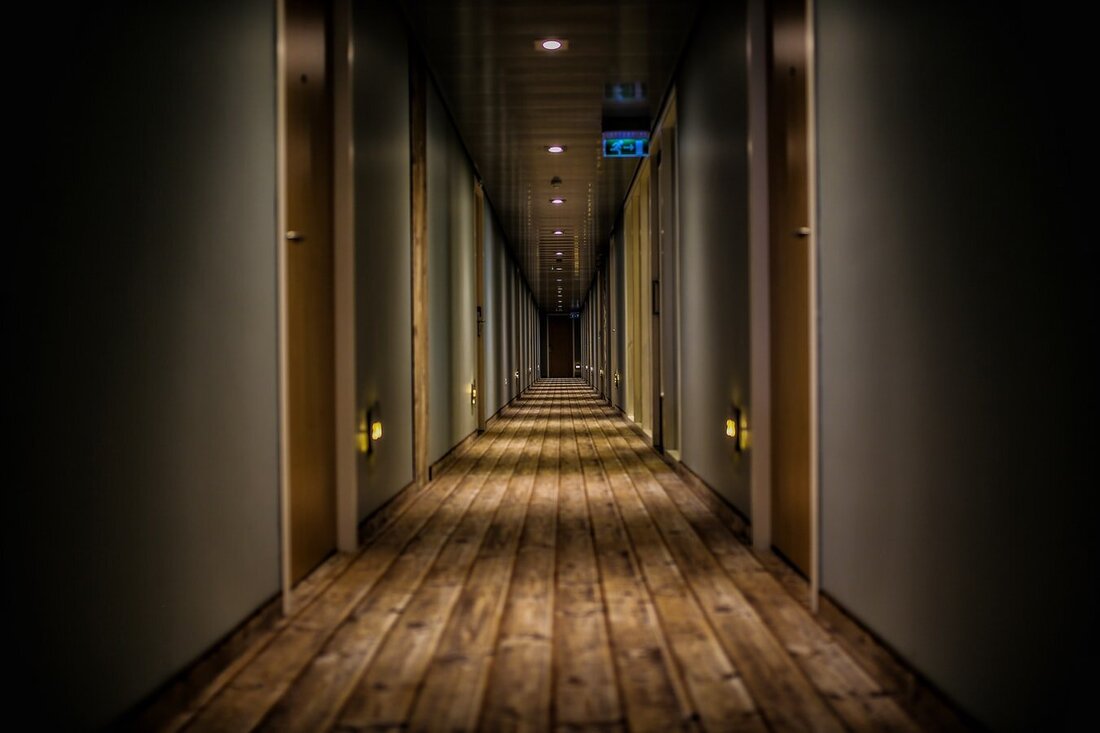
With this in mind, we made a spur-of-the-moment visit to look at a big apartment complex in nearby Novato, close to the charming main street and the newly reopened train station. The apartments were big and handsome — as they should be, for five times the rent we pay in Seville — and the common spaces and rooftop gardens were beautifully designed. But they’d skimped on the corridors, making them narrow, gray, and absolutely featureless, like something from a dystopian movie.
“The corridors go on for two miles,” said the sales agent brightly. “Good for walking on rainy days.”
“With my ability to get lost,” I said, “it would be more like four miles.” I wondered if anyone would mind my leaving a trail of breadcrumbs so I could find my way around.
A few discreet enquiries among friends my age revealed many are already selecting a senior living community with a spectrum of care. “If you don’t, all the good ones will be taken,” one friend confided. “You don’t want to have to settle.”
Yikes! Maybe I ought to look into this. So I fired up the laptop and dug in. “Why is everything beige in these places?” I muttered to Rich. “It would be like living in a vat of oatmeal.”
I learned luxury senior accommodations tend to be stunningly expensive and famous for hidden costs; one reviewer wrote that after her mother died the family had to keep paying the whopping fees for seven years to fulfill the contract. Another requires you to discuss your relationship with Jesus. One website featured a video of very fragile oldsters with canes, walkers, and wheelchairs lip syncing to James Brown’s “I Feel Good” under the direction of a perky staff member. I felt toe-curling embarrassment on their behalf.
“We are never, ever, ever doing that,” I told Rich.
So I’ve come to the conclusion my best bet is to embrace what I call the Ikaria Solution. In 2019 I visited the Greek island of Ikaria to learn why people there live longer than nearly anywhere else on the planet. One third of the island’s residents make it into their nineties with minimal incidence of heart disease, cancer, depression, and other ills. Older Ikarians remain fit enough to embrace life pleasures, including lovemaking. According to one study, eighty percent of Ikarian men between 65 and 100 still enjoy an active sex life, and I’m fairly certain Viagra has nothing to do with it. Possibly the water there is extra high in manganese; I don’t know.
How do Ikarians live so long and so well? A low-stress lifestyle without schedules. A healthy diet, with little meat and two to four glasses of wine a day. Plenty of fresh air and exercise. The understanding that they’ll likely stay healthy into their nineties. And a strong sense of community; it’s a rare evening that neighbors don’t drop in on one another to share stories of their day and pass the bottle around.
That all sounds pretty good to me. Obviously we’ll reconsider if necessary, but for now, Rich and I have agreed we will be staying right here in our cottage. We will continue to enjoy busy days and raise a glass in the evenings, whenever we can, with friends, family, and neighbors. As journalist Jim Kershner put it, “
Why not dock contentedly in the harbor
?” If we have to put up with a little black sludge and howling carbon monoxide alarms for that lovely lifestyle, it’s a very small price to pay.
Next week I’ll be on the road so I won’t be able to post. See you the week after that.
Want to stay in the loop?
Sign up to receive an alert when I publish new stories.
OFFICIAL SIGN-UP FORM
Or just send me an email and I’ll put your name on the list.
[email protected]
YOU MIGHT ALSO ENJOY
TIPS FOR FULL CATASTROPHE LIVING
FINDING MEDICAL CARE WHILE TRAVELING ABROAD
ARE YOU READY TO TRY LIVING IN ANOTHER COUNTRY?

Leave a Reply