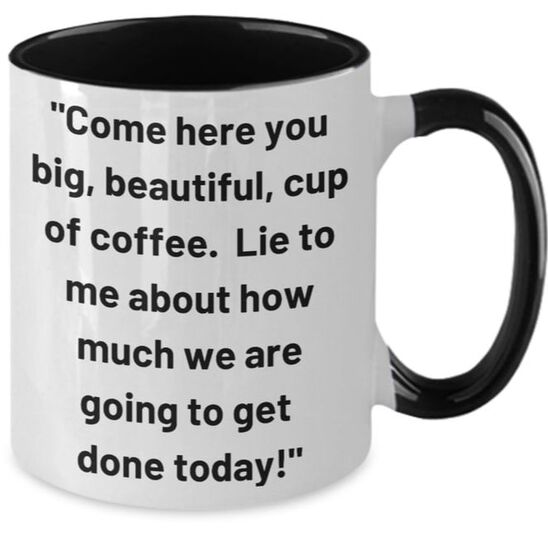


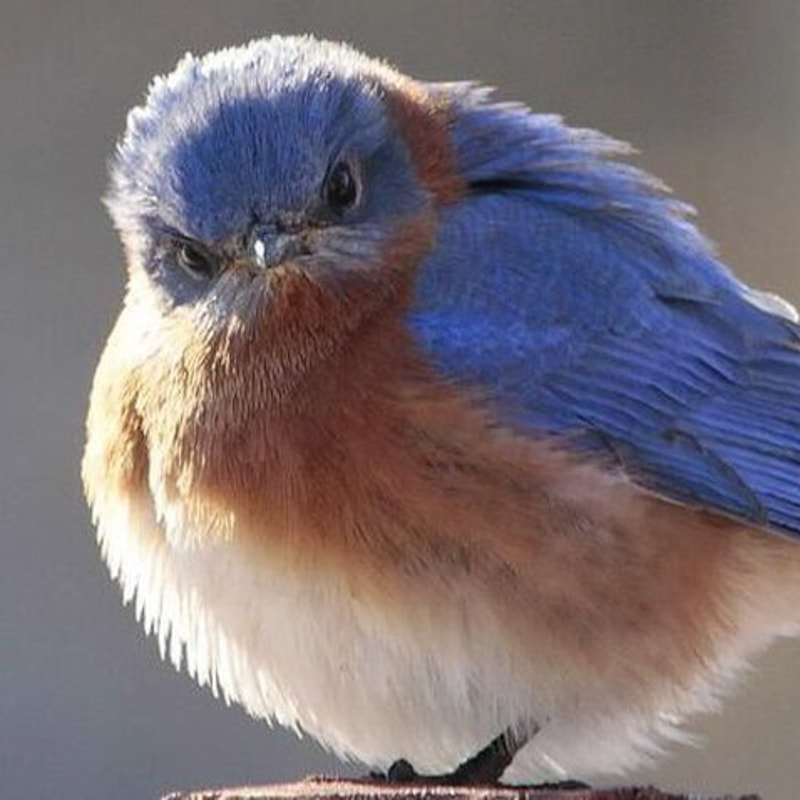
I think we can all agree, as this year staggers to a close, that we have plenty to be thankful for. Admittedly, as measurements of success, many of this year’s benchmarks of achievement are underwhelming. It’s like we’re all pilots joking about a good landing being any one you can walk away from — and a great landing being one where you can use the aircraft again.
Here’s something I’m grateful for:
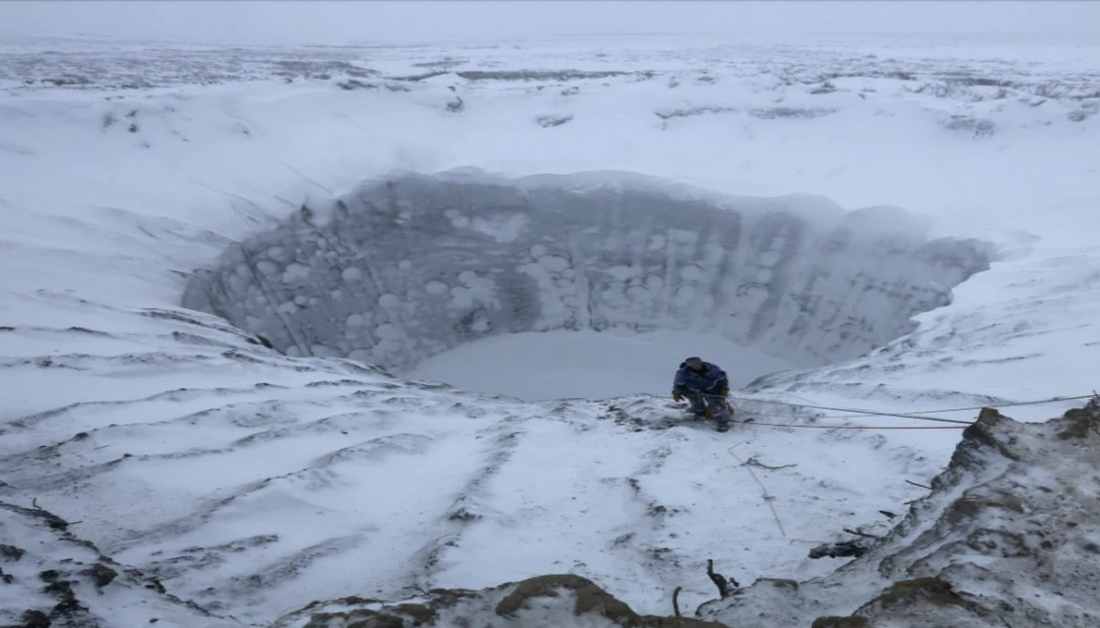
Scientists are digging around in Russia’s permafrost, unearthing “zombie viruses”
that have lain dormant for tens of thousands of years. Wait, no, that’s not the part I’m happy about. Somewhere around paragraph five of the
Washington Post
article, just as I was starting seriously to hyperventilate, the author casually mentioned the pathogens they found only infect amoebas. See? There’s a silver lining right there! Not for the amoebas, obviously, but it’s looking a bit better for us humans.
Now let me ask you this: Do you feel like you never have enough time, almost as if the days were getting shorter? You’re absolutely right — they are! And my hat’s off to you for noticing the difference in the Earth’s speed, which occasionally results in a single, random June day that’s around 1.5 milliseconds shorter. It has something to do with slight
irregularities of movement at the earth’s poles, technically known as the “Chandler wobble.”
To put it in layperson’s terms, the north and south poles occasionally do this:
via GIPHY
The phenomenon was discovered by astronomer Seth Carlo Chandler in 1891, and his colleagues today insist they’re pretty sure we have almost no reason to think these random slowdowns will cause the planet to spin off its axis any time soon, if our luck holds. So there’s something else to put in the plus column!
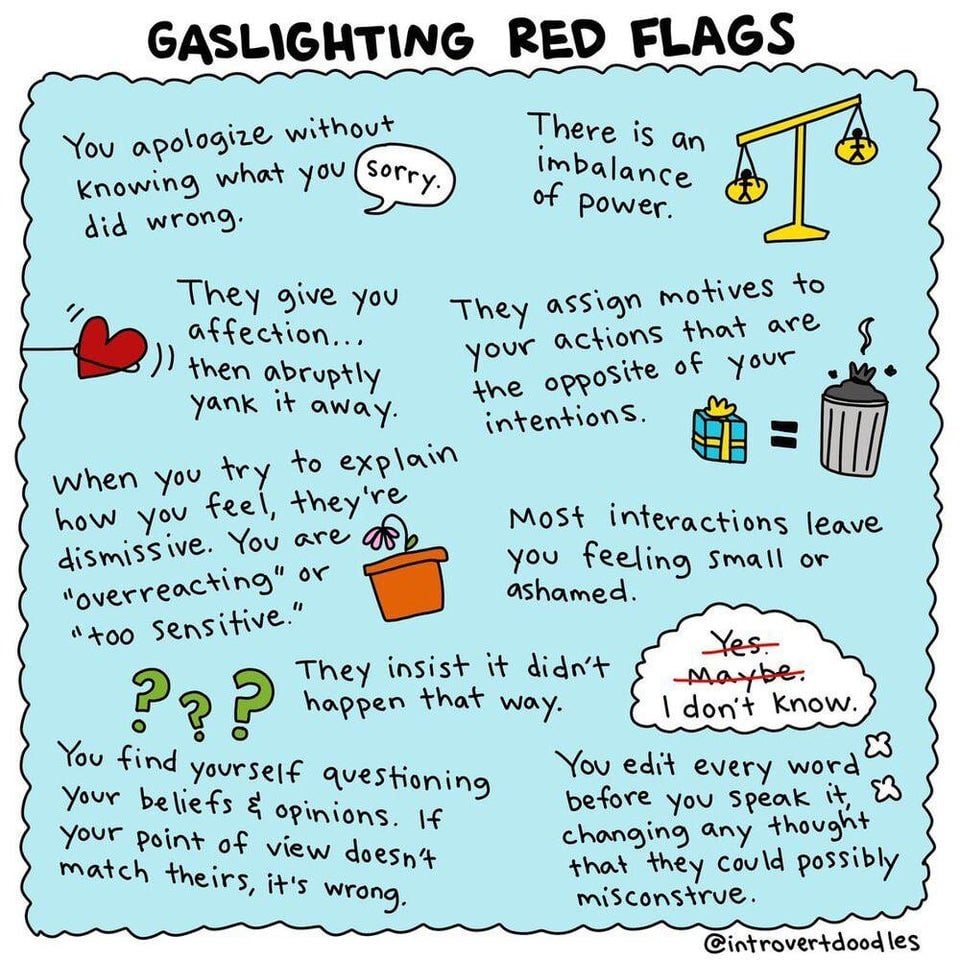
And then, I’m genuinely pleased about the surprising announcement from Merriam-Webster that their word of the year is “gaslighting.” I’m horrified that it’s happening, but hey, at least people are
noticing
.
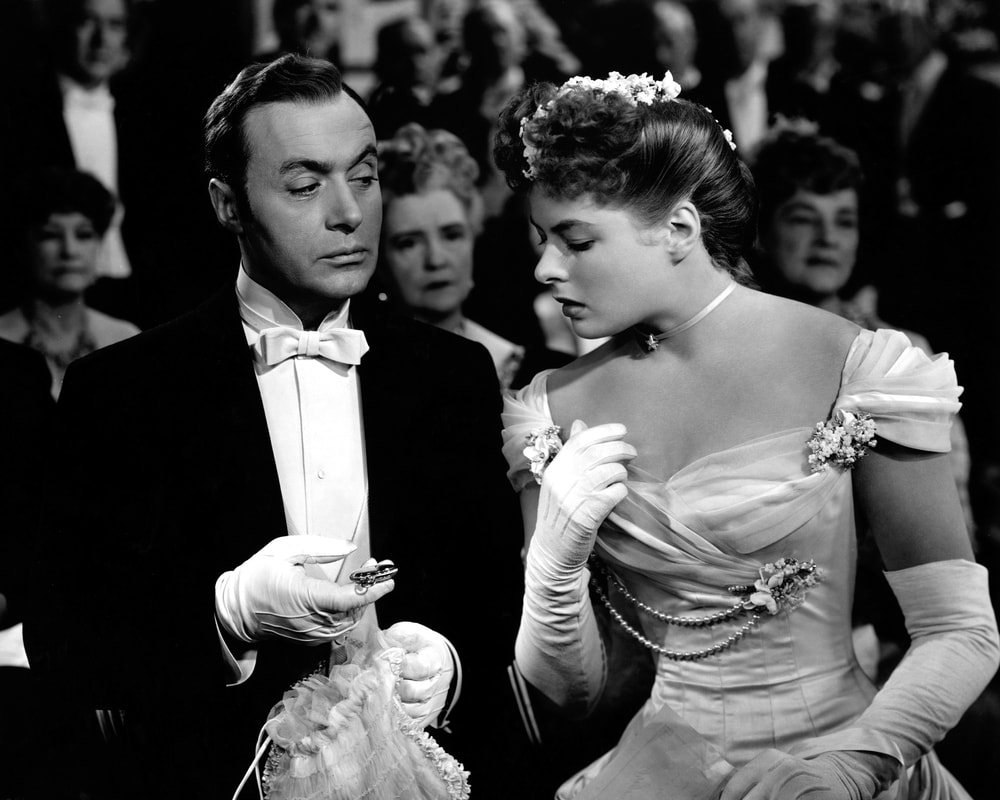
The term comes from the title of an intense psychological thriller, set in 1875, in which an evil husband attempts to drive his wife insane by constantly manipulating her perception of reality — including dimming the gas lights in their house and telling her it’s just her imagination. Merriam-Webster’s dictionary explains this kind of abusive behavior “causes the victim to question the validity of their own thoughts, perception of reality, or memories and typically leads to confusion, loss of confidence and self-esteem, uncertainty of one’s emotional or mental stability, and a dependency on the perpetrator.”
Ever feel like that’s happening to you? I’m sure just your imagination.
The online look-up rate for “gaslighting,” which had been rising steadily for four years, jumped a startling 1740% in 2022. Oddly, it wasn’t sparked by any single event (as most words of the year are) but by a serious, long-term, widespread social concern about the way we are all being manipulated these days.
“Gaslighting is a heinous tool frequently used by abusers in relationships — and by politicians and other newsmakers,” explained an AP article in the flurry of reaction over Merriam-Webster’s announcement. “It can happen between romantic partners, within a broader family unit and among friends. It can be a corporate tactic, or a way to mislead the public. There’s also ‘medical gaslighting,’ when a health care professional dismisses a patient’s symptoms or illness as ‘all in your head.’”
Why is it good news that we’re talking about gaslighting? “As a person who writes about honesty and deception, I felt a spark of hope Monday when I found out that Merriam-Webster had made ‘gaslighting’ the official word of the year for 2022,” said Judi Ketteler, author of
Would I Lie to You?
“Maybe, just maybe, people are finally ready to engage with dishonesty and how it operates in their lives.”
Research suggests
the average American tells eleven lies a week
; obviously some are already way over their quota halfway through a typical Monday. How does all this lying affect us? A pair of psych professors at the University of Notre Dame decided to set up a “Science of Honesty” study to find out. Over a ten-week period, half the participants were instructed to make a conscious effort to stop telling major and minor lies. Both groups came in weekly to report on their physical and mental health, and, yes, take a lie detector test.
“We found that the participants could purposefully and dramatically reduce their everyday lies, and that in turn was associated with significantly improved health,” said study leader Anita Kelly. She explained participants who cut down on falsehoods, including little white lies, enjoyed better mental health — feeling less tense or melancholy, for instance — and better physical health, reporting fewer issues such as sore throats and headaches.
Why are lies so bad for us? Turns out telling whoppers increases our stress level, which is tough on our psyches and bodies. “Research has linked telling lies to an increased risk of cancer, increased risk of obesity, anxiety, depression, addiction, gambling, poor work satisfaction, and poor relationships,” says psych professor Deirdre Lee Fitzgerald.
On the other hand, an excess of brutal honesty isn’t always healthy either. Telling your new lover that your ex was better at sex is not going to improve your relationship. In fact, it usually winds up with your lover saying to the judge, “And that’s when I shot him, Your Honor,” while the jury nods sympathetically.
“
Honesty is the best policy, right? I say no
,
no, no, no
. And let’s add on one more no, just for good measure,” began an article in Mental Health @ Home. The author suggested that being straightforward about objective facts — yes, you do have spinach in your teeth — is great, even if it can be a little uncomfortable at times. “Then you’ve got opinions, which are inherently subjective. They don’t have any objective, literal truth to them; they’re just chitter-chatter inside our heads… There’s no need to inflict that on the world without a good reason.”
Objective fact vs. subjective rant; that’s an excellent litmus test to apply before blurting out our innermost thoughts. We can ask ourselves, “Is what I’m about to say true? Is it kind and helpful? Is it likely to get me killed?”
Yes, in the end, it all comes down to survival. How can we boost our chances of making this another year we can walk away from — or, if possible, dance our way through? Back in March, doing research in connection with Rich’s new obsession — sorry, I mean hobby — of birdwatching, I
s
tumbled on this video of an American Woodcock (whose aliases include timberdoodle, bogsucker, and hokumpoke). I couldn’t resist posting it again here while talking about survival. Why did Nature endow these birds with the gift of dancing like John Travolta? What’s the evolutionary advantage? Maybe it’s to remind us that we’ll all live longer if we stop occasionally and celebrate staying alive.
That’s my post for this week, folks!
Thanks for joining me on the journey.
A reminder that there’s
just one more day
of discounts
on
The Great Mediterranean Comfort Food Tour
in Kindle and paperback. Cost goes up Wednesday!
SEE MY NEW BOOK IN KINDLE & PAPERBACK
CLICK HERE TO LEAVE AN AMAZON REVIEW
DO BIRDS EXIST? DO FISH? ARE YOU SURE?
WANT MORE?
Subscribe to receive notices when I publish my weekly posts.
Just send me an email and I’ll take it from there.
[email protected]
Yes, my so-called automatic signup form is still on the fritz.
Now that the book is done, I’ll have time to work on fixing it.
Thanks for understanding.
Leave a Reply